
Knowing exactly how to reheat food safely is an essential skill for reducing food waste and helping protect your household from foodborne illness. While saving leftovers from Sunday lunch or last night’s takeaway can be a practical way to stretch your grocery budget, improper storage and reheating may allow harmful bacteria to survive or multiply, increasing the risk of food poisoning.
Quick Overview
Reheating food safely is essential for preventing foodborne illness and ensuring leftovers are safe to eat. It’s not just about warming food—it’s about making sure it reaches the correct internal temperature and is heated evenly throughout.
Whether you are cooking at home or working in a food-related environment, this guide walks you through:
✅ Understanding the basics of how to reheat food safely
✅ Choosing the right method (microwave, oven, hob, air fryer, OTG, toaster oven, Instant Pot)
✅ Knowing safe reheating temperatures and when food is properly heated
✅ Avoiding common mistakes like uneven heating, over-reheating, and poor storage
Food safety experts recommend following evidence-based guidelines when handling leftovers. According to guidance from the UK Food Standards Agency (FSA) and the NHS, food should be stored, reheated, and served correctly to minimise health risks and ensure it is safe to eat.
Whether you are reheating a homemade casserole, leftover roast dinner, or takeaway meal, understanding the correct temperatures, storage times, and reheating methods can help preserve both food safety and quality. Different appliances—including microwaves, ovens, air fryers, and stovetops—require slightly different approaches to achieve safe and even reheating.
This comprehensive guide explains how to reheat food safely using current recommendations from the UK Food Standards Agency (FSA), NHS guidance, and established food safety best practices. You'll find appliance-specific instructions, recommended temperatures, storage advice, and practical tips to help you reheat leftovers confidently while reducing unnecessary food waste.
Yes, you can reheat food safely, provided it has been stored and handled correctly. Understanding how to reheat food safely is an important part of food hygiene and can help reduce the risk of foodborne illness. According to guidance from the UK Food Standards Agency (FSA), leftovers should be cooled quickly, stored in a refrigerator below 5°C, and reheated thoroughly until steaming hot all the way through before consumption.
By following official food safety guidance and understanding how to reheat food safely, you can enjoy leftovers with greater confidence while helping to reduce unnecessary food waste.
Understanding how to reheat food safely starts with reaching the correct internal temperature. In the UK, the Food Standards Agency (FSA) recommends reheating food to a core temperature of 75°C for at least 30 seconds. Alternatively, food can be reheated to 70°C for two minutes or 80°C for six seconds. These temperatures help destroy harmful bacteria that can cause food poisoning.
To accurately measure the internal temperature, use a clean, calibrated food probe thermometer. Insert the probe into the thickest part of the food, ensuring it does not touch the bottom of the container or any bones, as this may result in an inaccurate reading.
| Food Type | Safe Reheating Temperature (FSA) | Notes |
| Poultry & Meat | 75°C for 30 seconds | Probe the thickest part of the meat. Ensure the juices run clear and no pink meat remains. |
| Rice & Pasta | 75°C for 30 seconds | Must be steaming hot throughout. Rice carries a higher risk of Bacillus cereus and should be cooled within one hour of cooking. |
| Soups & Stews | 75°C for 30 seconds | Bring to a rolling boil for at least two minutes to help ensure even heat distribution. Stir frequently. |
| Vegetables | 75°C for 30 seconds | Generally lower risk than meat, but still require thorough reheating, particularly if mixed with meat juices or dairy products. |
| Seafood | 75°C for 30 seconds | Reheat gently to preserve texture, but always ensure the correct core temperature is reached. |
Read more about this: [What Temperature Should You Reheat Food? UK Safety Guide]
If you want to know how to reheat food safely, one of the most important rules is to avoid reheating food multiple times. The NHS and the Food Standards Agency advise reheating food only once, as repeated cooling and heating cycles can increase the risk of harmful bacterial growth and food poisoning.
Each time food passes through the temperature "danger zone" (8°C to 63°C), bacteria can multiply. Although reheating may destroy many live bacteria, some heat-resistant toxins can remain. Repeated reheating may also negatively affect the food's texture, flavour, and nutritional quality.

Read more about this: [How Many Times Can You Reheat Food Safely? The Complete UK Guide]
Knowing how to reheat food safely involves proper cooling, storage, and reheating practices. Understanding how to reheat food correctly can help reduce food waste and minimise the risk of foodborne illness. Cool leftovers within one to two hours, store them in airtight containers below 5°C, and consume them within two days where possible. When reheating, ensure the food reaches a core temperature of 75°C for at least 30 seconds and stir it midway through heating to eliminate cold spots.
If you want to learn how to reheat food safely, following a structured process from cooling and storage through to reheating is essential.
Cool Rapidly: Divide large portions of hot food into smaller, shallow containers to speed up cooling.
Refrigerate Promptly: Place cooled food in the fridge or freezer within two hours of cooking. Rice should ideally be refrigerated within one hour.
Thaw Correctly: If frozen, defrost food thoroughly in the fridge overnight or use the defrost setting on your microwave before reheating. Never reheat chicken or pork directly from frozen unless the packaging specifically states that it is safe to do so.
Heat Thoroughly: Use your chosen appliance to bring the food to a core temperature of 75°C.
Check the Temperature: Verify the internal temperature using a food thermometer.
Serve Immediately: Once reheated, serve and eat the food without unnecessary delay.
When learning how to reheat food safely, avoiding common mistakes is just as important as following the correct reheating method.
Following these recommendations will help you understand how to reheat food correctly, minimise food safety risks, and enjoy leftovers with confidence.
If you are wondering how to reheat food in microwave appliances safely, place the food in a microwave-safe dish, cover it loosely, and heat it on high. Understanding how to reheat food in a microwave properly helps ensure even heating and reduces the risk of dangerous cold spots. Pause halfway through to stir or rotate the food, ensuring it reaches a core temperature of 75°C.
If you are looking for how to reheat food in oven settings safely, preheat your appliance to 160°C–180°C. Knowing how to reheat food in an oven can help retain moisture and improve texture, particularly for casseroles, roasted meats, and baked dishes. Place the food in an oven-safe dish, cover it with aluminium foil, and bake until the centre reaches 75°C.
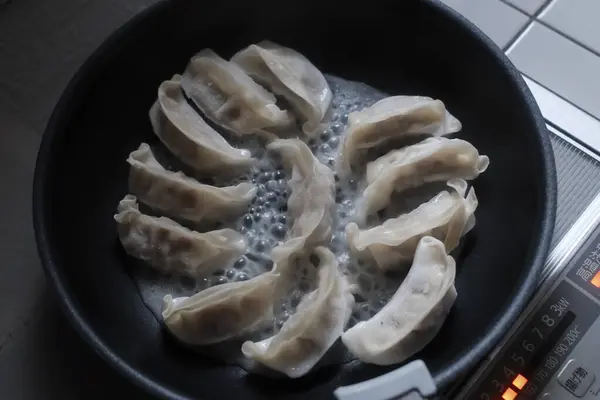
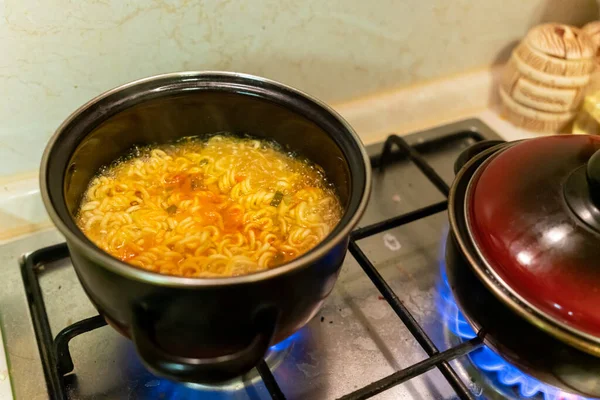
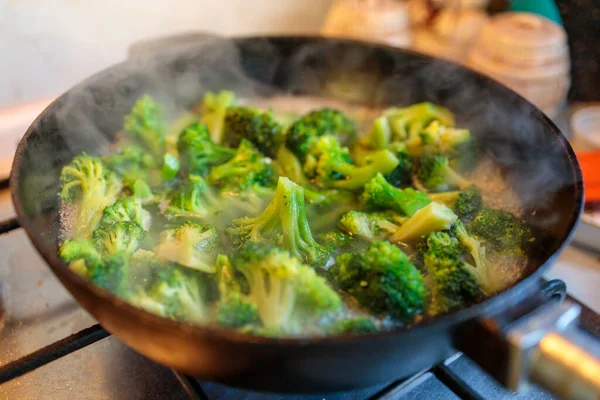
Learning how to reheat food on stove tops effectively can be a great option for soups, stews, curries, and stir-fries. Understanding how to reheat food on the hob helps ensure even heat distribution and thorough reheating. Place the food in a saucepan or frying pan over medium-low heat and stir frequently until it reaches 75°C.
If you want to know how to reheat food in an air fryer, preheat the appliance to 160°C and arrange the food in a single layer. Learning how to reheat food in an air fryer is particularly useful for restoring crispness to leftovers while maintaining food safety. Heat for three to five minutes, shaking the basket halfway through, until the core temperature reaches 75°C.
If you are researching how to reheat food in an OTG (Oven Toaster Grill), use the bake function and set the temperature to 150°C–170°C. This method provides results similar to a conventional oven while helping maintain food quality and moisture.
If you are learning how to reheat food in an Instant Pot, the Steam function is one of the safest and most effective methods. It helps reheat food evenly while preventing it from drying out. Steam the food until it reaches a core temperature of 75°C.
When learning how to reheat food in a toaster oven, set the appliance to a moderate temperature of 160°C. Understanding how to reheat food correctly in a toaster oven helps preserve texture while ensuring food is heated safely. Place the food on a tray lined with foil or baking parchment and heat for around 10 minutes. This method is particularly effective for pizza, sandwiches, and roasted vegetables.
If you are looking for how to reheat food in microwave alternatives, several kitchen appliances can safely reheat leftovers while maintaining their quality. Understanding how to reheat food without a microwave allows you to choose the best appliance based on the type of food you are reheating. You can use an oven for casseroles and meats, a stove for soups and curries, or an air fryer for crispy foods. Each method requires sufficient time and heat to ensure the food reaches a safe internal temperature of 75°C.
For those researching how to reheat food in oven appliances, this method is ideal for large portions, dense meats, and pasta bakes. Although it requires more time (approximately 15–20 minutes), it provides excellent heat distribution without making food soggy.
The air fryer is ideal for foods that need to remain crisp, such as roast potatoes, chicken wings, pastries, and chips. It is quick and efficient but unsuitable for liquid-based dishes.
If you want to know how to reheat food on stove tops safely, this is often the best method for soups, stews, curries, and chilli. Reheat food slowly in a saucepan until it reaches a rolling boil or a safe internal temperature.
Learning how to reheat food in instant pot appliances can be useful for foods such as rice, tamales, and mashed potatoes. The steam function helps prevent food from drying out while reheating evenly.
For smaller portions, understanding how to reheat food in a toaster oven can save energy compared to using a full-sized oven. It is particularly effective for pizza, garlic bread, and roasted vegetables.
If you are searching for how to reheat food in otg appliances, they work similarly to conventional ovens and are excellent for reheating baked dishes, pastries, and roasted meats while retaining texture and flavour.
Read more about this: [How to Reheat Food Without a Microwave: The Complete UK Food Safety Guide]
Yes, you can safely reheat food in an air fryer. In fact, many people searching for how to reheat food find that air fryers are among the best appliances for reviving crispy leftovers. Simply set your air fryer to 160°C–180°C and heat the food for three to four minutes until it reaches a safe internal temperature of 75°C.
Unlike microwaves, which can make pastry, chips, and breaded foods soggy, air fryers circulate concentrated hot air around the food. This removes surface moisture and helps restore crispness.
Read more about this: [Can You Reheat Food in an Air Fryer: The Complete Guide]
Yes, you can safely reheat Chinese food provided it was refrigerated within two hours of delivery. Whether you choose how to reheat food in microwave, oven, or stove methods, ensure all dishes reach an internal temperature of 75°C before serving. Rice requires special attention because of the increased risk of food poisoning.
Understanding how to reheat food safely is particularly important when dealing with rice. The NHS highlights that uncooked rice may contain spores of Bacillus cereus, which can survive cooking. If cooked rice is left at room temperature for too long, these spores can multiply and produce toxins that reheating cannot destroy.
Read more about this: https://trainingstation.org.uk/can-you-reheat-chinese-food-uk-guide/
Understanding how to reheat food for hot holding is essential in catering, hospitality, and food service environments. To reheat food safely for hot holding, first heat it rapidly to a core temperature of at least 75°C. Once fully reheated, maintain the food at a continuous temperature of 63°C or above to comply with UK food hygiene regulations.
What Hot Holding Means
"Hot holding" refers to keeping food at a safe serving temperature for an extended period after it has been cooked or reheated. This practice is commonly used in buffets, carveries, canteens, and catering operations.
No, you should not reheat food more than once. Understanding how to reheat food safely includes limiting reheating to a single cycle. The FSA and NHS advise against reheating food multiple times because each cooling and reheating cycle allows food to pass through the "danger zone" (8°C to 63°C), where harmful bacteria can multiply and potentially produce heat-resistant toxins.
Yes, but it must be done carefully. When learning how to reheat food safely, rice requires particular attention. Leftover rice should be cooled within one hour of cooking and stored in the fridge for no longer than 24 hours. When reheating, ensure the rice is steaming hot all the way through to reduce the risk associated with Bacillus cereus.
It depends on the food. Understanding how to reheat food from frozen starts with following the manufacturer's instructions where available. Soups and stews can often be reheated directly from frozen. However, large joints of meat, poultry, and complex dishes should be thoroughly defrosted in the fridge overnight before reheating to ensure they heat evenly throughout.
The reheating time varies depending on the appliance, portion size, and food type. Whether you are learning how to reheat food in oven settings or using a microwave, temperature is more important than time. In the UK, food should be reheated until the core temperature reaches 75°C and remains there for at least 30 seconds.
Some foods require extra caution. As part of understanding how to reheat food safely, avoid reheating rice that has been left at room temperature for more than one hour or stored in the fridge for longer than 24 hours. In addition, breast milk, certain leafy greens with naturally high nitrate levels, and mushrooms are generally best consumed fresh or handled with particular care when reheating.
Yes, you can safely reheat chicken, provided it was cooked thoroughly, cooled promptly, and stored correctly. Knowing how to reheat food safely means ensuring the thickest part of the chicken reaches 75°C for at least 30 seconds before serving.
Yes, but baked potatoes that have been left at room temperature in aluminium foil can pose a risk of botulism. As part of how to reheat food safely, remove the foil after cooking, cool the potatoes quickly, and refrigerate them promptly. Reheat in an oven or microwave until piping hot throughout.
Yes. If you are learning how to reheat food without drying it out, pasta benefits from the addition of a small amount of water, milk, or pasta sauce before reheating. Heat it on the stove or in the microwave until it is steaming hot throughout.

Understanding how to reheat food properly is the key to enjoying delicious leftovers while helping protect yourself and your family from food poisoning. By following UK Food Standards Agency guidance, you can ensure your meals remain both safe and appetising.
Always remember the golden rules: cool food quickly, store it in the fridge for no longer than two days, and only reheat meals once. Whether you choose an air fryer for crisp results, are researching how to reheat food in oven appliances for even heating, or prefer the convenience of a microwave, the objective remains the same: achieve a core temperature of 75°C for at least 30 seconds.
Equip your kitchen with a reliable food thermometer, follow the step-by-step methods outlined in this guide, and you will be able to reheat food safely, confidently, and efficiently every time.