
How to reheat food without a microwave is a common question, whether your appliance has broken down or you simply prefer alternative cooking methods. While microwaves are convenient, they often leave food with uneven cold spots, soggy textures, or dried-out edges.
Quick Overview
Learning how to reheat food without a microwave is easier than most people think. Whether you're warming up leftovers at home, at work, or without access to an oven, several reliable methods can help you restore flavour, texture, and food quality while maintaining food safety.
Topics Covered:
✅ The best ways to reheat food using an oven, stovetop, air fryer, steamer, or hot water bath.
✅ How to warm up food without a microwave or oven.
✅ Safe reheating temperatures recommended by UK food safety authorities.
✅ How many times leftovers can be safely reheated.
✅ Food safety tips for rice, meat, baby food, and takeaway meals.
✅ Practical solutions for reheating food at work without a microwave.
Fortunately, traditional methods such as using an oven, stovetop, or air fryer can produce far better results, helping your leftovers retain their flavour and texture.
However, reheating food involves more than simply bringing it up to a pleasant temperature. Improper reheating is a leading cause of food poisoning in the home. Understanding safe cooking temperatures and knowing how bacteria behave during the cooling and reheating processes is essential for protecting your health.
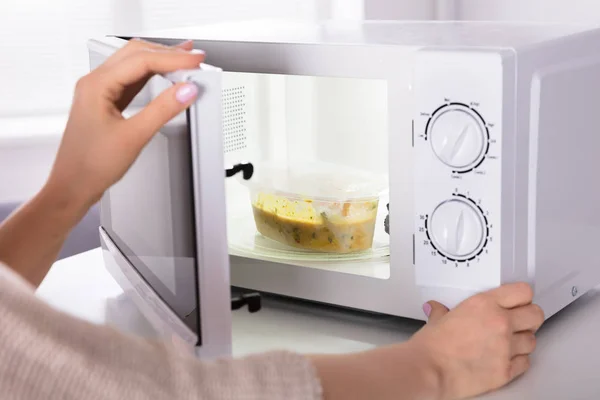
In this comprehensive guide, we will explore the most effective ways to reheat food without a microwave. We will also examine official guidance from the UK Food Standards Agency (FSA) and the NHS to ensure your food is not only delicious but also safe to eat.
Learning how to reheat food without a microwave starts with choosing the right method for the type of food you are preparing. An oven works well for baked goods, a stovetop skillet is ideal for stir-fries, and a steamer basket helps restore the texture of rice. Regardless of the method used, food safety guidance recommends ensuring food reaches a core temperature of at least 70°C for two minutes before serving.
Choosing the correct appliance helps preserve the original texture, flavour, and quality of your meal. For example, when considering how to reheat food without a microwave, pizza is best warmed in an oven to restore its crisp base, while soups and sauces benefit from even heating on a hob.
It is also important to consider the moisture content of the food when deciding how to reheat food without a microwave. Wet dishes such as soups, stews, and curries perform particularly well when reheated on direct heat, whereas roasted meats benefit from gentler, indirect heating.
If you are researching how to reheat food without a microwave or oven, alternatives such as a stovetop, steamer, air fryer, or slow cooker can provide excellent results. Understanding how to reheat food without a microwave using these methods can help improve both food safety and eating quality.
Many people also ask, can you reheat food in an air fryer? In most cases, yes. Air fryers are particularly effective for foods that benefit from a crisp texture. Another common question related to how to reheat food without a microwave is, can you reheat food in a slow cooker? While possible, slow cookers are generally better for keeping food warm than for reheating chilled leftovers quickly.
When learning how to reheat food without a microwave, it is equally important to understand how many times leftovers can be safely reheated. According to guidance from the UK Food Standards Agency (FSA) and the NHS, food should ideally only be reheated once.
Every time food cools and is subsequently warmed again, it passes through the temperature range commonly known as the "danger zone". Understanding this principle is a key part of how to reheat food without a microwave safely, as bacteria multiply rapidly between 8°C and 63°C.
A common misconception among people researching how to reheat food without a microwave is that repeatedly boiling food will always make it safe. However, some bacteria, including Bacillus cereus, can produce toxins that are resistant to heat.
For this reason, food safety experts recommend reheating only the portion you intend to eat. This best practice supports how to reheat food without a microwave safely while maintaining food quality and reducing the risk of foodborne illness.
If you are wondering how to reheat food without a microwave, several highly effective methods can safely warm leftovers while preserving flavour and texture. Stovetop skillets work brilliantly for wet dishes, while ovens restore crispness to baked items. Alternative methods such as steaming, air frying, and hot water baths provide excellent solutions for how to warm up food without a microwave, often delivering better results than microwave reheating.
Below is a detailed breakdown of the most practical techniques. Each method requires different equipment and is suited to specific types of food. Understanding how to reheat food without a microwave using the correct method can improve both food quality and food safety.
Steaming is an incredibly gentle way to add moisture back into leftovers. It uses ambient steam generated by boiling water to warm food without direct heat contact. For those researching how to reheat food without a microwave, steaming is an excellent option for delicate foods such as seafood, pasta, rice, and vegetables.
To use this method without specialist equipment, place a heatproof colander or sieve over a pan of boiling water. Ensure the water does not touch the bottom of the colander. Place the food inside, cover with a tight-fitting lid, and allow the steam to heat the food until it is piping hot throughout.
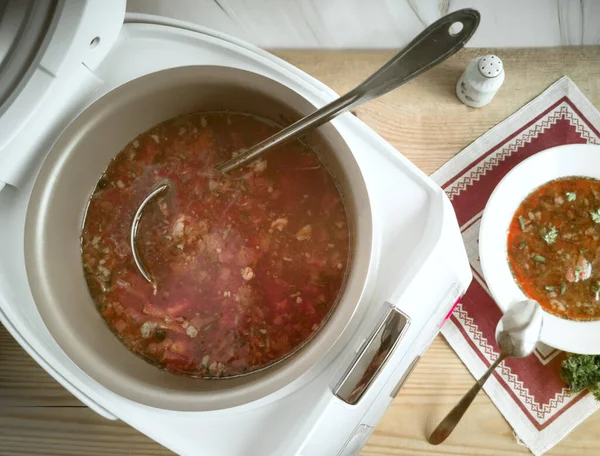
The stovetop (or hob) remains one of the most reliable ways to learn how to reheat food without a microwave. It is particularly suitable for soups, stews, curries, gravies, and other liquid-based dishes. The direct heat allows food to warm evenly while maintaining flavour and texture.
When using the stovetop, transfer the food to a saucepan and heat it over a medium setting. Stir regularly to prevent sticking and ensure even heating. For food safety, make sure the dish reaches a safe serving temperature and is steaming hot all the way through.
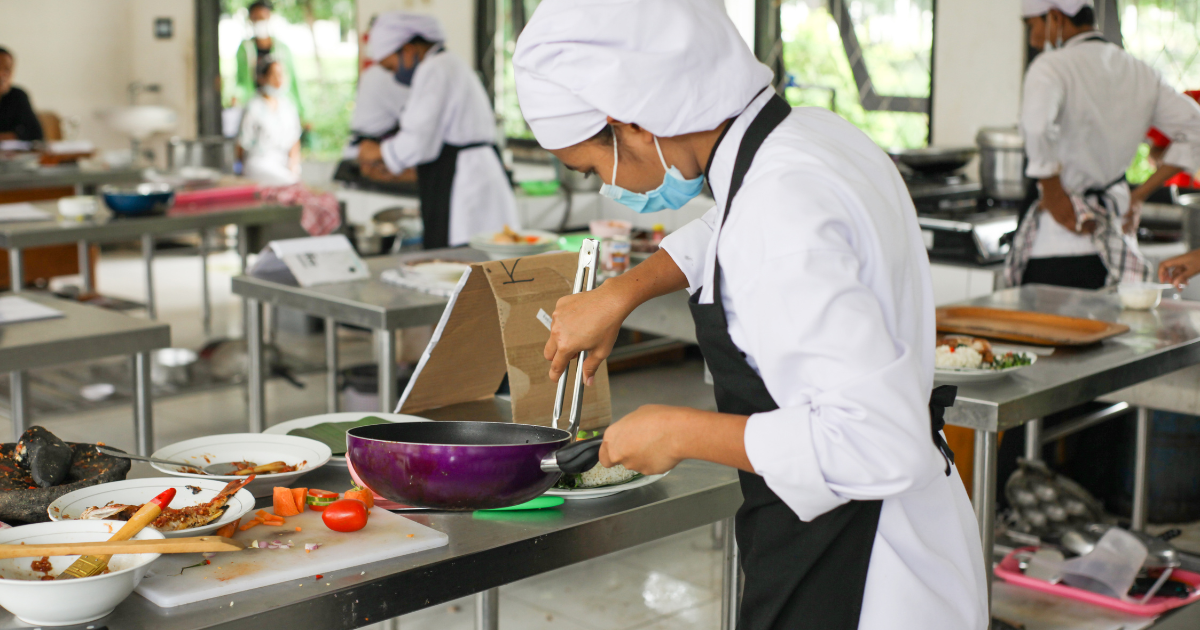
A skillet or frying pan is often the best solution for how to reheat food without a microwave when restoring crispness is important. This method works exceptionally well for fried rice, stir-fries, pizza slices, roasted vegetables, and roasted potatoes.
Add a small amount of oil or butter to prevent sticking and improve flavour. Use medium-low heat so the centre warms through before the exterior becomes overly browned. For thicker foods, adding a splash of water and covering the pan briefly can help distribute heat more evenly.
An oven is ideal for reheating larger portions, casseroles, baked goods, and roasted meats. It provides consistent, surrounding heat that helps food warm evenly from edge to centre. If you are searching for how to reheat food without a microwave or stove, an oven or toaster oven is one of the most versatile solutions available.

Preheat the oven to approximately 160°C to 180°C. Place leftovers in an oven-safe dish and cover with foil to retain moisture. Remove the foil during the final few minutes if you would like the surface to become crisp and golden.
Many people ask, can you reheat food in an air fryer? The answer is yes. Air fryers circulate hot air rapidly, making them particularly effective for reheating chips, fried foods, chicken wings, pastries, and pizza. For anyone exploring how to reheat food without a microwave, an air fryer can help restore the crispy texture that microwaves often compromise.
Set the air fryer to approximately 150°C to 170°C. Arrange the food in a single layer and avoid overcrowding the basket. Check frequently and turn or shake the food as required to ensure even reheating and a safe internal temperature.
A dedicated steamer basket, whether bamboo or metal, is particularly useful for reheating rice, dumplings, and many Asian dishes. As part of learning how to warm up food without a microwave, a steamer basket offers a reliable way to prevent food from drying out during reheating.
Line a bamboo steamer with parchment paper if necessary and place it over simmering water. The gentle steam helps restore moisture and texture, often making food taste freshly prepared.
A hot water bath, similar to a bain-marie or sous-vide technique, provides controlled and gentle reheating. It is especially useful for delicate sauces, mashed potatoes, and vacuum-sealed meals. This method is another excellent option for how to reheat food without a microwave or stove when only hot water is available.
Place the food in a watertight, heat-safe container, bag, or jar. Submerge it in simmering water until heated through. Because the food cannot exceed the temperature of the surrounding water, the risk of burning, overcooking, or drying out is significantly reduced.
Many people also search for how to reheat food without a microwave at work. Depending on workplace facilities, options may include a communal toaster oven, an air fryer, a hot water bath using a kettle, or insulated food containers that keep meals hot until lunchtime. Regardless of the method used, ensure food is stored safely and reheated until thoroughly hot before eating.
If you are learning how to reheat food without a microwave, choosing the right heating method is essential for maintaining both food quality and food safety. The table below provides a comprehensive guide to the most effective microwave-free reheating methods for different types of food, along with practical tips to help achieve the best results.
Following these recommendations can help preserve texture, flavour, and moisture while ensuring food is reheated thoroughly. In line with UK food safety guidance, leftovers should always be heated until they are piping hot all the way through and reach a safe internal temperature.
Understanding how to reheat food without a microwave also involves matching each food type to the most suitable cooking appliance. For example, ovens can restore crispness to baked foods, while steaming helps retain moisture in rice, vegetables, and delicate dishes. Using the appropriate reheating method can improve both the eating experience and the safety of your meal.
Whether you are reheating pizza, soups, roasted meats, or rice dishes, this reference table offers practical, experience-based guidance on how to reheat food without a microwave while avoiding common issues such as sogginess, uneven heating, or excessive drying.
Table: Microwave-Free Heating Guide
| Food Type | Microwave Alternative | Tips |
| Soups & Stews | Stovetop | Heat in a saucepan over medium heat. Stir frequently until boiling to ensure even heat distribution. |
| Pizza | Skillet / Frying Pan | Place in a dry skillet over medium heat. Add a few drops of water to the pan and cover to melt the cheese. |
| Pasta (in sauce) | Stovetop / Skillet | Add a splash of water or milk to loosen the sauce. Heat gently on the hob, stirring constantly. |
| Roast Meats | Oven | Place in an oven-safe dish with a splash of broth. Cover tightly with foil and bake at 160°C. |
| Fried Foods & Chips | Air Fryer | Heat at 160°C for 3-5 minutes. Do not overcrowd the basket to ensure a crispy texture. |
| Rice & Dumplings | Steamer Basket | Steam over simmering water for 5-8 minutes. Add a sprinkle of water to rice before steaming to rehydrate. |
| Casseroles & Pies | Oven | Cover with foil to prevent burning. Bake at 170°C until the core reaches 70°C for two minutes. |
| Delicate Sauces | Hot Water Bath | Place sauce in a heat-safe bowl over a pan of simmering water. Whisk continuously to prevent splitting. |
If you are wondering how to reheat food without a microwave at work, several practical solutions can help you enjoy a hot meal safely. To heat up food without a microwave, consider using a thermal flask, a portable heated lunchbox, or hot water from a kettle. If your workplace lacks a stove or oven, packing freshly heated food in an insulated container before leaving home is often the safest and most convenient option.
Thermal flasks are highly effective at retaining heat for several hours. To maximise their performance, fill the flask with boiling water for five minutes before emptying it and adding your piping hot soup, stew, or curry. This simple step helps keep food above the bacterial danger zone until lunchtime.
Electric heated lunchboxes are becoming increasingly popular in UK workplaces. These devices plug into a standard wall socket or USB power source and gradually warm food over 30 to 40 minutes. For employees seeking the best way to reheat food without a microwave, they offer a practical and reliable alternative.
If you only have access to a kettle, a hot water bath can provide another solution. For those searching for how to warm up food without a microwave or stove, place your meal in a heat-safe, watertight container and submerge it in a larger bowl filled with freshly boiled water. Replace the water as necessary until the food is heated thoroughly and safely.
Understanding how to reheat food without a microwave safely is just as important as selecting the right reheating method. Safe reheating helps prevent food poisoning by reducing the risk of harmful bacterial growth within the temperature danger zone of 8°C to 63°C. According to UK food safety guidance, reheated food should reach a core temperature of at least 70°C for two minutes. Proper refrigeration, freezing, and defrosting practices are equally important for preventing cross-contamination.
When dealing with leftovers, the cooling process is just as important as reheating. Food should be cooled as quickly as possible, ideally within one to two hours, before being transferred to the refrigerator. Leaving food at room temperature for extended periods can encourage bacterial growth, while placing excessively hot food directly into the fridge may increase the temperature of nearby stored foods.
Proper defrosting is another essential aspect of how to heat up food without a microwave safely. Frozen meat, poultry, and prepared meals should never be left on a kitchen worktop to thaw. Instead, defrost food overnight in the refrigerator or use a cold-water method approved by food safety authorities.
When reheating food, ensure it is steaming hot throughout. A digital food thermometer provides the most accurate way to confirm the internal temperature. UK food safety recommendations generally require food to reach at least 70°C for two minutes, or an equivalent safe temperature and time combination, to minimise the risk of foodborne illness.
Learning how to reheat food without a microwave can benefit from understanding the procedures used in professional kitchens. Commercial food businesses follow Hazard Analysis and Critical Control Point (HACCP) principles to identify and manage food safety risks. Restaurant food safety procedures require strict temperature monitoring, rapid cooling, and safe reheating practices to help prevent foodborne illness.
HACCP is a systematic approach to food safety that is widely used throughout the UK food industry. It focuses on identifying biological, chemical, and physical hazards before they become a risk to consumers. During reheating, one of the most important critical control points is the food's core temperature, which is carefully monitored and recorded in professional kitchens.
Restaurants often use specialised equipment such as blast chillers to cool food rapidly and safely. When reheating, chefs commonly rely on ovens, steam ovens, stovetops, and other controlled heat sources rather than depending solely on microwave cooking. These methods help maintain food quality while ensuring safe serving temperatures.
Professional kitchens also enforce strict cross-contamination controls. Raw and cooked foods are stored separately, different utensils are used for different food types, and storage areas are carefully organised. Applying these same principles at home can improve kitchen hygiene and support safe reheating practices.
Parents researching how to reheat food without a microwave often need specific guidance for baby food. When reheating food for infants, always ensure it is piping hot all the way through before allowing it to cool to a safe feeding temperature. Baby food should never be reheated more than once, and any leftovers from the feeding bowl should be discarded.
Babies have developing immune systems, making them more vulnerable to foodborne illnesses than older children and adults. For this reason, careful attention to hygiene, storage, and reheating temperatures is essential. Whether using homemade purées or commercially prepared baby food, the food should be heated thoroughly before serving.
For many parents, the best way to reheat food without a microwave is to use a gentle hot water bath. Place the jar or heatproof container in warm water and stir regularly to promote even heating. This method can help avoid uneven temperature distribution and reduce the risk of burns.
Before feeding, always test the temperature on the inside of your wrist to ensure the food is comfortably warm rather than hot. In addition, bacteria can be transferred from a baby's mouth back into the food during feeding. Because of this, any partially eaten food should be discarded immediately rather than stored and reheated again.
If you are researching how to reheat food without a microwave, the following frequently asked questions cover the most common concerns about food safety, alternative reheating methods, and recommended kitchen equipment. These answers are based on established food safety principles and guidance from UK authorities, helping you safely enjoy leftovers at home.
According to UK food safety guidance, food should ideally only be reheated once. Repeated cooling and reheating cycles can increase the risk of bacterial growth and foodborne illness. Regardless of how you choose to reheat food without a microwave, always ensure food is steaming hot all the way through before serving.
Yes, you can reheat food in an air fryer. Air fryers are particularly effective for restoring crispness to fried foods, chips, pizza, and roasted vegetables. For many people learning how to reheat food without a microwave, an air fryer is one of the most effective alternatives because it combines speed with excellent texture.
Food safety experts generally do not recommend reheating chilled leftovers in a slow cooker. Because slow cookers heat food gradually, meals may remain within the bacterial danger zone for too long before reaching a safe temperature. Faster methods such as ovens, stovetops, and air fryers are usually better options when considering how to reheat food without a microwave.
If you are searching for how to warm up food without a microwave or oven, the stovetop is often the most practical solution. Use a saucepan for soups, stews, sauces, and curries, or a skillet for foods that benefit from a crisp finish. Steamer baskets and air fryers can also provide excellent results depending on the type of food being reheated.
Yes, Chinese takeaway can generally be reheated the following day if it was cooled and refrigerated promptly after purchase. Rice requires particular attention because of the potential presence of Bacillus cereus. When learning how to reheat food without a microwave, ensure rice dishes are reheated thoroughly and never reheated more than once.
Food safety guidance recommends reheating food until it reaches a core temperature of at least 70°C for two minutes or an equivalent safe temperature and time combination. A digital food thermometer is the most reliable way to verify that food has been heated safely.
For those wondering how to reheat food without a microwave in the workplace, insulated thermal flasks, electric heated lunchboxes, and hot water baths are practical options. These methods can help maintain food quality while ensuring meals remain hot enough for safe consumption.
Yes, many cooked leftovers can be eaten cold if they were cooled and stored correctly. Food should be refrigerated promptly and kept below 5°C. Cold meats, poultry, pasta salads, and similar foods are generally safe when proper food handling practices have been followed.
Yes, chicken can be reheated safely in an oven, air fryer, skillet, or on the stovetop. In fact, many people find these methods produce better texture than microwaving. When exploring how to reheat food without a microwave, adding a small amount of liquid and covering the chicken can help prevent it from drying out.
Most leftovers should be consumed within two days when stored in the refrigerator. Rice dishes are often best eaten within 24 hours due to the increased risk associated with bacterial toxins. If you cannot consume leftovers within the recommended timeframe, freezing is generally the safest option.

Understanding how to reheat food without a microwave is simple once you know which method best suits each type of dish. Whether you use an oven, stovetop, steamer basket, or air fryer, the most important consideration is food safety. Always ensure food is heated thoroughly before serving and avoid reheating leftovers multiple times.
For anyone looking to learn how to warm up food without a microwave or oven, alternatives such as skillets, saucepans, steamer baskets, thermal flasks, and air fryers can deliver excellent results while preserving texture and flavour. In many cases, these methods produce higher-quality leftovers than microwave reheating.
Following established food safety practices—including rapid cooling, proper refrigeration, thorough reheating, and temperature monitoring—helps reduce the risk of foodborne illness. By applying these principles and choosing the correct reheating technique, you can safely enjoy delicious leftovers while mastering how to reheat food without a microwave in almost any situation.