

Change Management Training
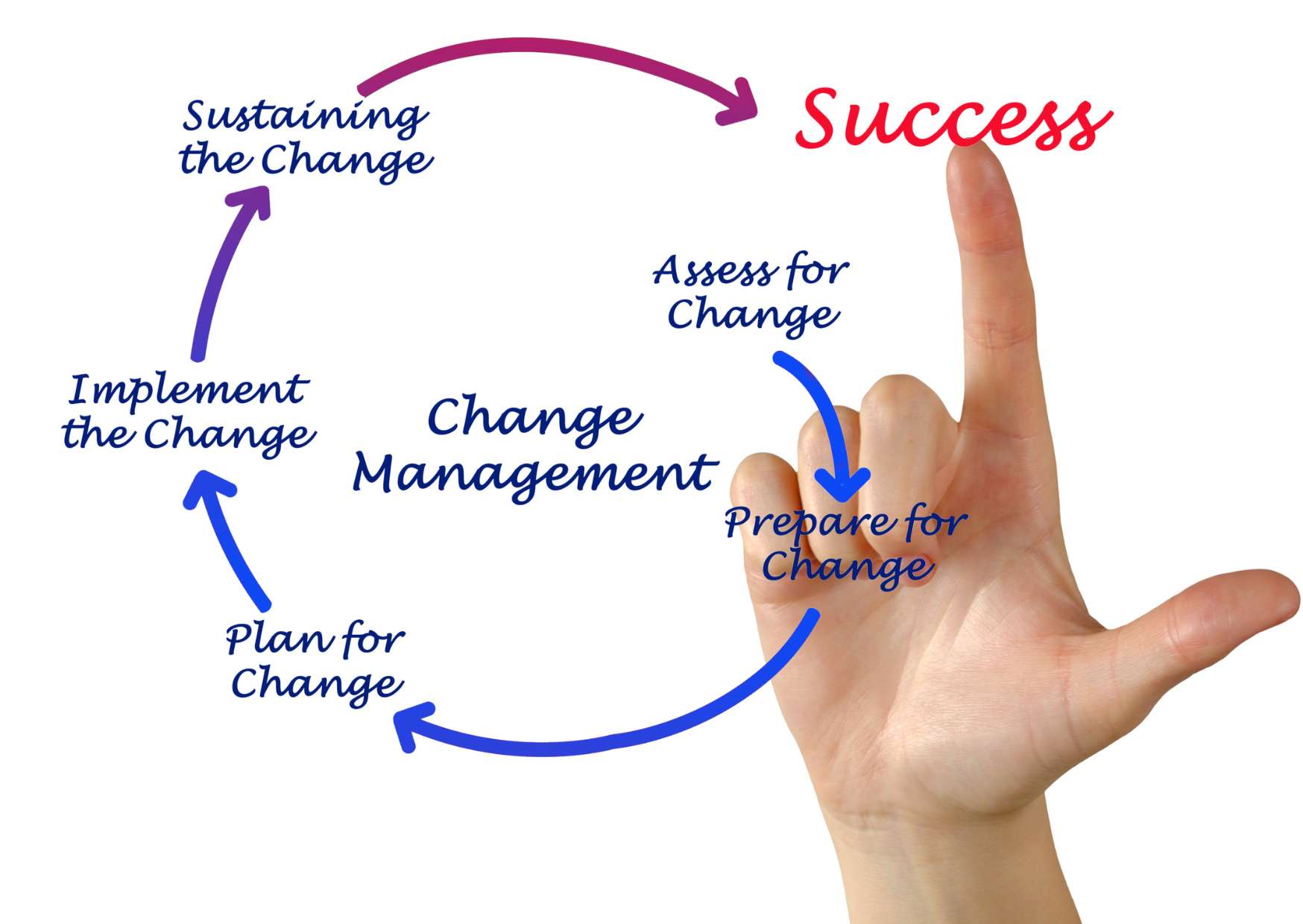
Overview
Change Management Training
1. Overview
Change is an inevitable part of every successful organization. Whether businesses are adopting new technologies, restructuring teams, implementing new policies, or responding to market shifts, effective change management is the key to ensuring smooth transitions and sustainable success. Organizations that manage change effectively are more resilient, productive, and better equipped to remain competitive in today's rapidly evolving business landscape.
Change Management Training is a comprehensive online course designed to help learners understand the principles, strategies, and practical techniques required to successfully manage change within individuals, teams, and organizations. From understanding why people resist change to developing communication strategies, handling conflicts, managing crises, and improving organizational performance, this course provides a complete framework for becoming an effective change leader.
Throughout Change Management Training, you will explore proven change management models, stakeholder engagement strategies, performance improvement techniques, and leadership approaches that enable organizations to implement change with confidence. Rather than focusing solely on theory, this course emphasizes practical application, helping learners develop real-world skills that can be used across industries.
Whether you are an aspiring manager, business professional, HR specialist, project manager, entrepreneur, or someone looking to improve leadership capabilities, Change Management Training provides valuable knowledge that can immediately enhance your professional effectiveness.
By the end of this course, you will understand how successful organizations navigate change, minimize disruption, maintain employee engagement, improve communication, and achieve lasting organizational transformation.
2. Course Description
Modern organizations face constant pressure to innovate, adapt, and improve. Digital transformation, economic uncertainty, changing customer expectations, regulatory updates, and competitive markets all require organizations to evolve continuously. Unfortunately, many change initiatives fail because they focus solely on processes while overlooking the people affected by the change.
Change Management Training bridges this gap by teaching learners how successful change initiatives combine strategic planning, effective leadership, stakeholder communication, and employee engagement.
The course begins with a strong foundation in change management concepts before progressing into internationally recognized change management principles and individual change models. Learners will gain insight into how people react emotionally and psychologically during periods of transition, allowing them to better support individuals through organizational change.
As the course progresses, learners will examine organization-wide change strategies, leadership responsibilities, stakeholder engagement techniques, crisis response planning, conflict resolution methods, and performance management systems that support sustainable transformation.
Unlike short introductory courses, Change Management Training provides a structured learning journey that prepares participants to confidently contribute to organizational development projects, lead teams through change, improve workplace collaboration, and create positive organizational cultures.
Upon completion, learners will possess the practical understanding needed to support successful organizational transformation while minimizing resistance and maximizing employee commitment.
3. What You Will Learn in Change Management Training
Module 1 – Introduction to Change Management
Every successful transformation begins with understanding why change matters.
This opening module introduces learners to the fundamentals of change management and explains why organizations must continually evolve to remain competitive. You will discover the history of change management, its importance in modern organizations, and the challenges businesses face when implementing change initiatives.
The module also explores different types of organizational change, including strategic, operational, technological, structural, and cultural transformation. Learners will examine common reasons why change initiatives fail and understand the role leaders play in creating successful outcomes.
By completing this module, you will:
- Understand the purpose of change management
- Learn why organizations must embrace continuous improvement
- Identify different types of organizational change
- Explore the stages involved in successful change implementation
- Recognize the benefits of structured change management processes
- Develop a strong foundation for the remainder of the course
This introductory knowledge provides the essential framework for mastering more advanced concepts throughout Change Management Training.
Module 2 – Principles of Change Management
Successful organizational transformation follows proven principles rather than relying on guesswork.
In this module, learners explore the core principles that underpin successful change initiatives. You will examine widely accepted frameworks and best practices that help organizations prepare for, implement, and sustain change effectively.
The course discusses leadership commitment, employee engagement, strategic planning, communication, risk management, and continuous evaluation. Learners also discover how organizations create change strategies that align with business objectives while maintaining workforce motivation.
During this module you will learn to:
- Understand the key principles of effective change management
- Identify organizational readiness for change
- Develop structured implementation plans
- Assess risks associated with organizational change
- Build sustainable change initiatives
- Monitor progress using practical performance indicators
By understanding these principles, learners can contribute more effectively to organizational transformation projects of any size.
Module 3 – Individual Change Model
Organizational change succeeds only when individuals successfully adapt.
This module focuses on the human side of change by exploring how individuals experience transition. Learners gain insight into emotional responses, psychological barriers, motivation, resilience, and behavioural adaptation during periods of uncertainty.
You will explore established individual change models that explain how people move from resistance to acceptance. Understanding these models enables managers and leaders to provide better support throughout the change journey.
Topics covered include:
- Individual reactions to organizational change
- Understanding resistance and uncertainty
- Building resilience during transition
- Encouraging positive behavioural change
- Supporting employee motivation
- Coaching individuals through change
- Creating trust throughout the change process
Upon completing this module, learners will understand that successful organizational transformation depends on helping people navigate change with confidence and clarity.
Module 4 – Organizational Change Management
This module expands from individual change to organization-wide transformation.
Learners examine how businesses design, plan, execute, and sustain large-scale organizational change initiatives. The module explores leadership responsibilities, organizational culture, strategic planning, governance, and implementation frameworks that support long-term success.
Real-world organizational challenges are used to illustrate how businesses successfully manage restructuring, digital transformation, mergers, acquisitions, policy changes, and operational improvements.
Learning outcomes include:
- Planning organization-wide change initiatives
- Aligning change with strategic objectives
- Managing organizational culture
- Building leadership support
- Coordinating cross-functional teams
- Measuring organizational change success
- Creating sustainable transformation strategies
This module equips learners with practical knowledge applicable across private, public, and non-profit sectors.
Module 5 – Communication and Stakeholder Engagement
Communication is one of the most important factors influencing the success of any change initiative.
This module teaches learners how to communicate change clearly, consistently, and effectively while engaging employees, leaders, customers, suppliers, and other stakeholders throughout the transformation process.
You will learn how poor communication contributes to resistance, uncertainty, misinformation, and reduced productivity. More importantly, you will discover practical strategies for creating transparency, building trust, and maintaining stakeholder confidence.
Topics include:
- Building effective communication strategies
- Stakeholder identification and analysis
- Managing expectations
- Delivering difficult messages professionally
- Encouraging employee participation
- Improving collaboration across departments
- Building trust during periods of uncertainty
- Creating communication plans for change initiatives
Strong communication skills significantly improve the likelihood of successful organizational transformation, making this one of the most valuable modules in Change Management Training.
Module 6 – Crisis Management
Unexpected challenges often emerge during organizational change.
This module introduces crisis management principles that help organizations prepare for, respond to, and recover from disruptive events while maintaining business continuity.
Learners explore crisis planning, risk assessment, emergency communication, leadership decision-making, and organizational resilience. The course explains how proactive planning reduces uncertainty and enables organizations to respond effectively under pressure.
Throughout this module, learners will:
- Understand crisis management fundamentals
- Identify organizational risks
- Develop crisis response strategies
- Improve emergency communication
- Support employees during difficult situations
- Strengthen organizational resilience
- Learn from post-crisis evaluations
These practical skills help professionals remain calm, organized, and effective when facing unexpected challenges.
Module 7 – Conflict Management
Change often creates differing opinions, uncertainty, and workplace disagreements.
This module focuses on conflict management techniques that promote healthy communication, collaboration, and positive working relationships during organizational change.
Learners explore various conflict styles, negotiation strategies, emotional intelligence, active listening, mediation techniques, and constructive problem-solving approaches.
By the end of this module, you will be able to:
- Recognize common causes of workplace conflict
- Apply effective conflict resolution techniques
- Improve negotiation skills
- Build collaborative working environments
- Reduce workplace tension
- Encourage respectful communication
- Strengthen team relationships during change initiatives
Developing conflict management skills enables leaders to maintain productivity while preserving positive workplace culture.
Module 8 – Performance Management
The final module focuses on ensuring that organizational change delivers measurable results.
Learners examine performance management systems that support continuous improvement, employee development, accountability, and organizational success.
You will discover how effective performance measurement helps organizations monitor progress, identify improvement opportunities, and reinforce successful behaviours following change implementation.
Topics include:
- Setting measurable performance objectives
- Performance monitoring techniques
- Employee feedback systems
- Coaching for continuous improvement
- Performance evaluation methods
- Aligning employee goals with organizational objectives
- Building high-performance cultures
- Sustaining long-term organizational success
This final module brings together the concepts learned throughout Change Management Training, ensuring learners can contribute to successful, measurable, and sustainable organizational transformation.
4. Who Is This Course For?
Change Management Training is designed for anyone who wants to develop practical skills for leading, supporting, or participating in organizational change initiatives.
This course is ideal for:
- Business professionals seeking career advancement
- Managers and supervisors leading organizational change
- Team leaders responsible for employee engagement
- Human resources professionals
- Project managers
- Operations managers
- Business consultants
- Entrepreneurs and business owners
- Organizational development specialists
- Professionals involved in digital transformation projects
- Public sector employees
- Corporate trainers
- Students interested in leadership and management
- Anyone wishing to strengthen leadership and communication skills
No previous experience in change management is required, making the course suitable for both beginners and experienced professionals.
5. Requirements
There are no formal entry requirements for enrolling in Change Management Training.
To achieve the best learning experience, learners should have:
- An interest in business management and organizational development
- Basic computer and internet skills
- A willingness to learn new leadership and communication techniques
- Motivation to improve professional skills
- Access to a computer, tablet, or smartphone with an internet connection
Because the course begins with foundational concepts before progressing to more advanced topics, it is accessible to learners from a wide range of educational and professional backgrounds.
6. Career Path
Completing Change Management Training demonstrates valuable leadership, communication, and organizational development skills that are highly regarded across numerous industries.
Potential career opportunities include:
- Change Management Coordinator
- Change Management Consultant
- Business Improvement Officer
- Project Coordinator
- Project Manager
- Human Resources Officer
- Organizational Development Specialist
- Operations Manager
- Team Leader
- Business Analyst
- Process Improvement Specialist
- Learning and Development Coordinator
- Transformation Manager
- Business Consultant
- Leadership Development Professional
The knowledge gained from Change Management Training is applicable across sectors including healthcare, education, finance, technology, manufacturing, government, retail, logistics, hospitality, and professional services.
Even for individuals not pursuing dedicated change management roles, the leadership, communication, stakeholder engagement, conflict resolution, crisis management, and performance improvement skills developed throughout this course can significantly enhance career progression.
7. FAQ
1. What is Change Management Training?
Change Management Training is a comprehensive professional development course that teaches learners how to plan, implement, manage, and sustain successful organizational change while supporting employees throughout the transition process.
2. Do I need previous experience to take this course?
No. The course is designed for complete beginners while also providing valuable insights for experienced managers, HR professionals, project managers, and business leaders.
3. What skills will I gain from Change Management Training?
You will develop practical skills in change planning, stakeholder engagement, communication, leadership, conflict resolution, crisis management, performance management, organizational development, and employee support during change initiatives.
4. Is this course suitable for managers?
Yes. Managers, supervisors, and team leaders will benefit significantly from learning structured approaches to leading teams through organizational change while maintaining engagement and productivity.
5. How does Change Management Training benefit my career?
Employers increasingly seek professionals who can successfully manage organizational change. Completing this course demonstrates your ability to lead change initiatives, communicate effectively, resolve conflicts, and improve organizational performance.
6. Will I learn practical workplace skills?
Yes. The course focuses on practical techniques that can be applied immediately in real workplace environments, including communication planning, stakeholder management, crisis response, conflict resolution, and performance improvement.
7. Which industries can benefit from change management skills?
Change management skills are valuable across virtually every industry, including healthcare, finance, education, technology, manufacturing, government, retail, logistics, hospitality, and professional services.
8. Does the course cover employee resistance to change?
Yes. A dedicated section explores why individuals resist change and provides proven strategies for helping employees adapt positively and confidently throughout organizational transformation.
9. Can entrepreneurs benefit from Change Management Training?
Absolutely. Business owners regularly introduce new systems, technologies, products, and operational improvements. This course provides practical strategies for implementing change while maintaining team engagement and business continuity.
10. Why should I choose Change Management Training?
Change Management Training offers a structured, comprehensive learning experience that combines foundational theory with practical workplace applications. Covering leadership, organizational transformation, stakeholder engagement, communication, crisis management, conflict resolution, and performance management, the course equips learners with the confidence and skills to successfully support and lead change initiatives in organizations of all sizes.
Curriculum
Course Content
Module 1 – Introduction to Change Management
-
Introduction to Change Management
00:00
