
How many times can you reheat food is a common question for anyone who has ever stared at a container of leftovers and wondered about food safety. From a practical home-cooking perspective, this is an important consideration for reducing food waste while still protecting your health and wellbeing.
Quick Overview
Food safety experts, including the UK Food Standards Agency (FSA) and the NHS, recommend that you should only reheat food once. Reheating food more than once increases the risk of bacterial growth and heat-stable toxin formation, even if the food looks and smells fine.
Whether you’re using a microwave, stove, oven, or dealing with frozen or takeaway food, this guide covers:
✅ Why food should only be reheated once
✅ How bacterial growth happens during cooling and reheating
✅ Safe temperature guidelines (75°C core temperature rule)
✅ Best practices for storing and reheating leftovers safely
Food safety experts consistently highlight that improper handling of leftovers is one of the leading causes of preventable foodborne illness in domestic kitchens. In the UK alone, thousands of cases are reported every year, many linked to incorrect cooling, storage, and reheating practices.
Reheating food is not simply about making it hot enough to eat; it is a critical safety step intended to reduce harmful bacteria that can multiply during storage if food is not handled correctly. Guidance from recognised public health bodies such as the UK Food Standards Agency (FSA) and the NHS stresses the importance of reheating food thoroughly and only once where possible, to minimise risk.
This comprehensive guide draws on established food safety principles and official public health recommendations. It explains the correct internal temperatures food should reach, best practices for reheating using different appliances, and key considerations for foods that require extra care when stored and reheated.
how many times can you reheat food safely is one of the most common food safety questions in home kitchens, particularly among people managing leftovers or meal prepping. According to official UK food safety guidance, you should only ever reheat food once. While it may be technically possible to reheat food more than once without immediately becoming unwell, doing so significantly increases the risk of bacterial growth and food poisoning.
When food is cooked, cooled, and reheated, it repeatedly passes through the “Danger Zone” (between 5°C and 60°C). This is the temperature range in which harmful bacteria multiply rapidly. Recognised food safety authorities, including the UK Food Standards Agency (FSA) and the NHS, highlight this as a key risk factor in domestic food handling.
Every additional cycle of cooling and reheating gives bacteria further opportunity to grow. In addition, repeated reheating can reduce food quality, breaking down texture, flavour, and certain nutrients.
To minimise risk and maintain food quality, food safety experts recommend:
Understanding how many times can you reheat food is important because each reheating cycle increases the time food spends in the bacterial “Danger Zone” (5°C to 60°C). In addition, certain bacteria can produce heat-stable toxins that are not destroyed even at high temperatures.
Common bacteria such as Staphylococcus aureus and Bacillus cereus can develop in food that has been left at room temperature for too long. Once these bacteria produce toxins, reheating the food—even until it is piping hot—will not always make it safe to eat.
This is why poor storage and repeated reheating cannot be “corrected” simply by heating food again.
Key risks include:
When asking how many times can you reheat food, the UK Food Standards Agency (FSA) provides clear guidance: food should only be reheated once.
The FSA advises that reheating means fully cooking the food again, not simply warming it up. It must be steaming hot throughout before it is consumed. These recommendations form the basis of both domestic and commercial food safety practices across the UK.
To follow FSA guidance correctly:
When considering how many times can you reheat food in the microwave, it is important to focus not just on the method but on achieving safe internal temperatures.
Food should be reheated to a core temperature of at least 75°C for 30 seconds, or 70°C for 2 minutes. It should be steaming hot throughout, with no cold spots remaining.
A digital food probe is the most reliable way to confirm this temperature has been reached. Without a thermometer, visual indicators such as steaming throughout and bubbling liquids (for soups and stews) should be used.
Best practice includes:
From a food safety perspective, the answer to how many times can you reheat food before it goes bad is simple: food should only be reheated once, and only if it has been stored correctly.
Following these evidence-based guidelines from recognised UK public health authorities significantly reduces the risk of foodborne illness while maintaining food quality and safety at home.
While you technically can reheat food more than once if it has been rapidly cooled and consistently heated to a core temperature of 75°C, both the NHS and the UK Food Standards Agency (FSA) strongly advise against it. In practical home cooking terms, the safest approach is to never reheat food more than once.

When people ask how many times can you reheat food, the key issue is not just spoilage but food safety. The real risk comes from invisible bacterial toxins that can form when food is left in unsafe conditions. A dish may look and smell perfectly fine yet still cause food poisoning if it has gone through multiple heating and cooling cycles.
To reduce risk, the safest method is to portion leftovers immediately after cooking and only reheat what you plan to eat. The remaining food should always be stored in the fridge and not repeatedly reheated.
A common query is how many times can you reheat food and put it back in the fridge. According to UK food safety guidance, the safe answer is zero.
Once food has been reheated, it should not be cooled again and returned to the fridge. Doing so increases the risk of bacterial growth and may also raise the temperature inside your refrigerator, affecting other stored food.
If you have reheated too much food:
You can safely reheat frozen food, but it must be handled correctly. When considering how many times can you reheat food from frozen, the same rule applies: food should only be reheated once, even if it was frozen beforehand.
The NHS recommends defrosting food in the fridge before reheating where possible, as this helps ensure even heating and reduces the risk of cold spots.
If food is reheated directly from frozen, the outside may become hot while the centre remains underheated, which can be unsafe.
Safe handling steps include:
When people search how many times can you reheat food in the microwave, the correct food safety answer remains once.
Microwaves heat food by exciting water molecules, but they do not always heat evenly. This can create cold spots where bacteria survive if the food has not reached a safe temperature throughout.
Microwaving is safe only when done correctly and with proper attention to even heating.
Best practice includes:
You should only reheat food on the stove once. The stove is an excellent method for reheating liquids such as soups, stews, and curries, provided they are brought to a rolling boil for at least two minutes to ensure they reach a safe temperature throughout.
When considering how many times can you reheat food on the stove, the “reheat once” rule still applies. While the stove offers better temperature control compared to a microwave, the underlying food safety risk remains the same. Each cooling and reheating cycle increases the chance of bacterial growth during the time food spends in the Danger Zone (5°C to 60°C).
For safe stovetop reheating:
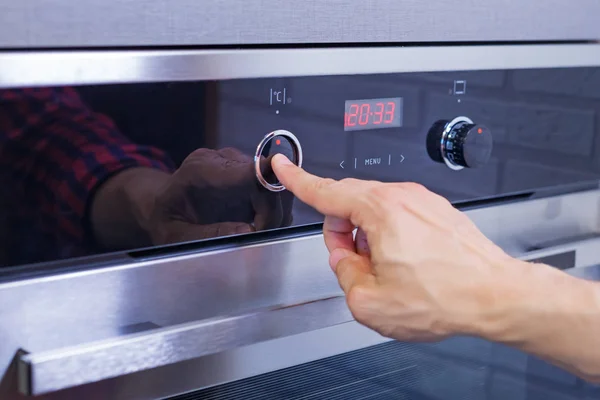
You can safely reheat food in the oven only once. The oven is particularly suitable for solid foods such as roasted meats, casseroles, and pizzas, as it helps maintain texture better than other methods. Food must reach a core temperature of at least 75°C to be considered safe.
When thinking about how many times can you reheat food in the oven, it is important to remember that slow and uneven heating can increase time spent in the Danger Zone if not managed correctly. This is why proper oven preparation is essential.
Safe oven reheating practices include:
You should never use a slow cooker to reheat leftovers. Slow cookers heat food too slowly to safely move it through the Danger Zone (5°C to 60°C), creating conditions where harmful bacteria can multiply.
People often search how many times can you reheat food in slow cooker, but this appliance is designed for cooking raw ingredients slowly, not for reheating pre-cooked food.
If you want to serve leftovers safely in a slow cooker:
You should only ever reheat baby food once. When asking how many times can you reheat food for a baby, it is important to follow strict food safety practices, as infants have underdeveloped immune systems and are more vulnerable to foodborne illness.
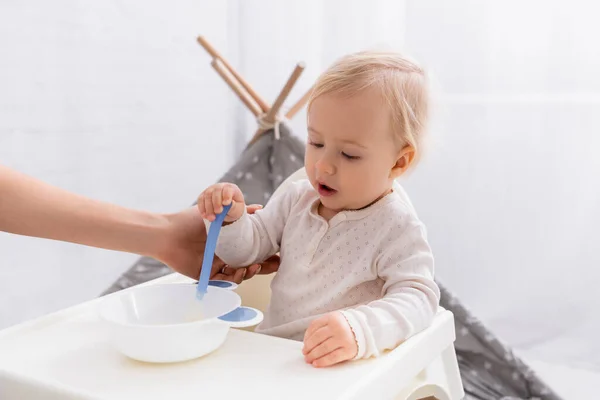
Baby food must be reheated until it is steaming hot to eliminate harmful bacteria, then cooled to a safe, lukewarm temperature before feeding.
Additional safety guidance includes:
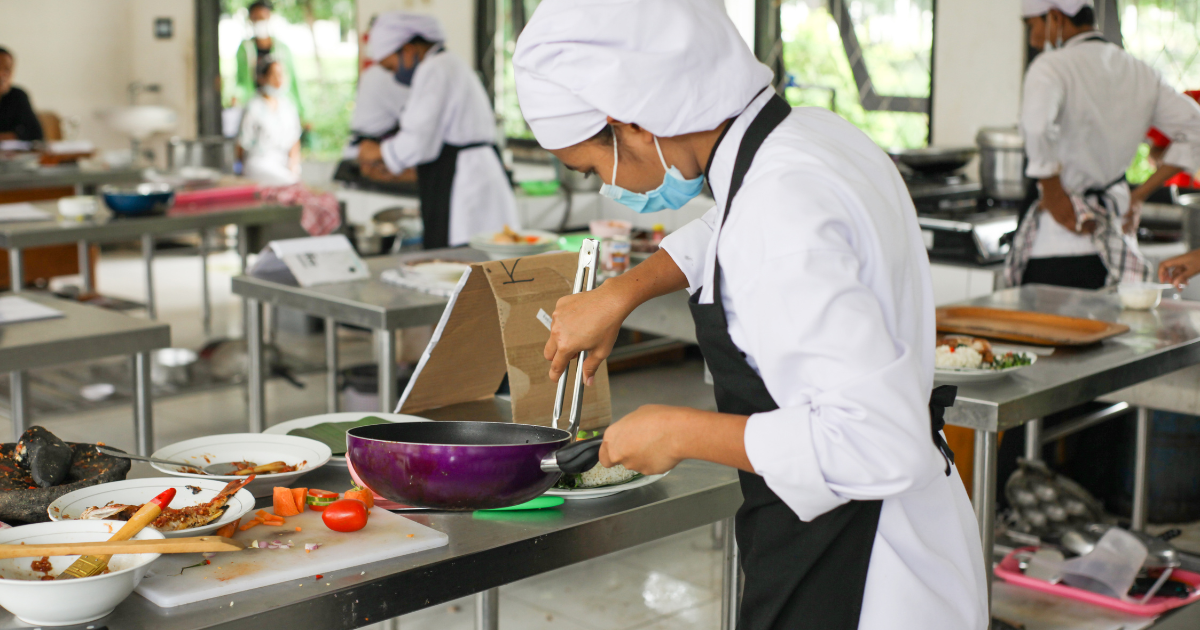
In commercial kitchens, food can legally be reheated once, provided strict HACCP (Hazard Analysis and Critical Control Point) procedures are followed. These systems require restaurants to rapidly chill cooked food using blast chillers and accurately record core temperatures to demonstrate that food reaches at least 75°C during reheating.
Consumers often ask how many times can you reheat food in a restaurant. By law, food businesses must ensure that all food served is safe to eat. While there is no specific statute explicitly banning multiple reheats, UK Food Standards Agency (FSA) guidance clearly states that food should only be reheated once. In practice, repeatedly reheating food is considered an unacceptable risk by Environmental Health Officers and is not permitted under standard HACCP compliance.
If you are taking restaurant leftovers home:
Certain high-risk foods are particularly vulnerable to bacterial growth and toxin formation. When considering how many times can you reheat food, these foods require extra caution due to their high protein or starch content, which provides an ideal environment for bacterial activity.
| Food Type | Can Be Reheated? | Recommended Limit |
| Cooked rice | Yes, with extreme caution | Once only. Must be chilled within 1 hour. Risk of Bacillus cereus. |
| Chicken / poultry | Yes | Once only. Must reach 75°C core temperature. |
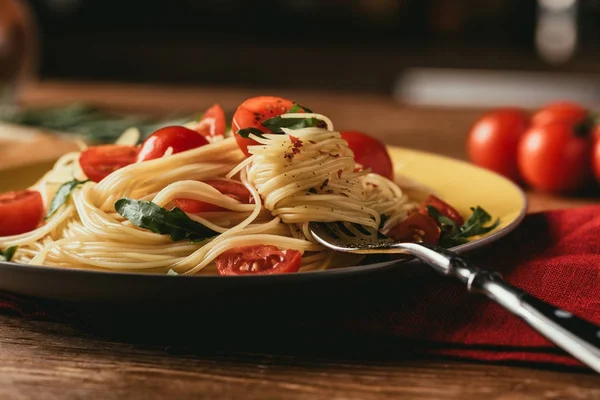
| Pasta & noodles | Yes | Once only. Requires rapid cooling after cooking. |
| Soups & stews | Yes | Once only. Should be brought to a rolling boil for 2 minutes. |
| Eggs & quiche | Yes, but not recommended | Once only due to texture degradation and Salmonella risk if underheated. |
Uncooked rice can contain spores of Bacillus cereus, a bacterium that survives boiling temperatures. If rice is left to cool slowly at room temperature, these spores can multiply and produce heat-stable toxins.
This is especially important when considering how many times can you reheat food in slow cooker or other methods, as rice is often stored and reheated later. The safety rule remains the same: rice should only be reheated once.
Even after reheating, these toxins are not destroyed by heat. Therefore:
Slow cookers should not be used to reheat leftovers. When people search how many times can you reheat food in slow cooker, it is important to understand that these appliances are designed for cooking raw ingredients slowly, not for safely reheating pre-cooked food.
Because slow cookers heat food gradually, they can keep food within the bacterial Danger Zone (5°C to 60°C) for too long, increasing the risk of bacterial growth and food poisoning.
How Many Times Can You Reheat Food in a Restaurant?
When asking how many times can you reheat food in a restaurant, the practical and regulatory answer is once. HACCP systems used in professional kitchens ensure food is safely cooked, rapidly chilled, and reheated only once before service.
Repeated reheating is avoided in commercial kitchens due to both food safety risks and quality deterioration, in line with FSA guidance and Environmental Health standards.
Many cases of foodborne illness in the home are caused not by poor ingredients but by incorrect handling. Understanding how many times can you reheat food safely is essential for preventing avoidable risks.
Common mistakes include:
| Common Mistake | Risk | Safer Alternative |
| Leaving food out overnight | Massive bacterial and toxin growth | Chill leftovers in the fridge within 2 hours of cooking. |
| Reheating in a slow cooker | Food stays in Danger Zone too long | Reheat on the stove/microwave, then transfer to a slow cooker. |
| Forgetting to stir microwave food | Cold spots allow bacteria to survive | Stop halfway, stir thoroughly, and resume heating. |
| Putting warm leftovers back in the fridge | Puts all fridge contents in Danger Zone | Discard any reheated food that is not eaten immediately. |
To ensure you are handling leftovers safely, follow this simple daily checklist:

When asking how many times can you reheat food safely, UK food safety guidance from the Food Standards Agency (FSA) and the NHS is clear: food should only ever be reheated once. Repeated heating and cooling cycles increase the risk of harmful bacteria multiplying and producing heat-stable toxins that can cause foodborne illness, even if the food appears safe.
You should only reheat food in the microwave once. Microwaves can heat food unevenly, so it is important to cover the dish, stir halfway through, and ensure the food is steaming hot throughout to eliminate cold spots where bacteria may survive.
You should only reheat food a single time. Even if food looks and smells fine, invisible bacterial toxins can build up during repeated heating and cooling cycles. After one reheat, any leftover food should be discarded.
No. Once food has been reheated, it should not be cooled and returned to the fridge. This practice increases the risk of bacterial growth and can raise the overall temperature of the refrigerator, affecting other stored food.
You can only reheat food on the stove once. Liquids such as soups, curries, and gravies should be brought to a vigorous rolling boil for at least two minutes, with continuous stirring to ensure even heating.
You can only reheat food from frozen once. The NHS recommends fully defrosting food in the fridge before reheating where possible. Once cooked food has been defrosted and reheated, it must not be refrozen.
You can reheat takeaway rice once, provided it was chilled in the fridge within one hour of cooking or delivery. Cooked rice should never be stored for more than 24 hours and must always be reheated until steaming hot.
You should never use a slow cooker to reheat food. When considering how many times can you reheat food in a slow cooker, the correct answer is zero. Slow cookers heat food too slowly, leaving it in the Danger Zone for too long. Always reheat food quickly on the stove or in a microwave first.
You must only reheat baby food once. Babies are highly vulnerable to foodborne illness. Food should be reheated until piping hot, then cooled to a safe feeding temperature. Any leftover food in a bowl must be discarded immediately.
Reheating food to a core temperature of 75°C for at least 30 seconds ensures that harmful bacteria such as Salmonella and Campylobacter are destroyed. A digital food probe is the most reliable way to confirm this safety standard has been met.