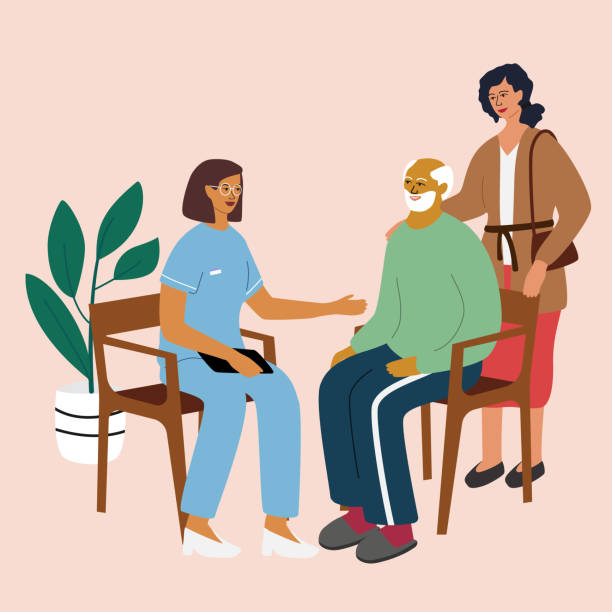


What does diversity mean in health and social care? Health and social care is a vital sector that supports people with a wide range of medical, emotional, and social needs throughout their lives. However, modern healthcare is not just about treating illness — it is about treating people with dignity, respect, and fairness, regardless of their background. This is where diversity becomes extremely important.
Quick Overview
This article explains what does diversity mean in health and social care, showing that it is about recognising, respecting, and valuing individual differences to ensure fair, inclusive, and person-centred care.
Whether you are studying health and social care or working in the sector, this guide helps you understand how diversity shapes modern healthcare and improves overall service quality.
✅ Understanding what diversity means in health and social care
✅ Importance of diversity in patient care and outcomes
✅ Role of communication, care values, and inclusion
✅ Common barriers and how they are reduced
✅ Strategies, legislation, and future trends in healthcare diversity
So, what does diversity mean in health and social care? In simple terms, diversity refers to recognising, respecting, and valuing differences among individuals. These differences can include culture, ethnicity, gender, age, religion, disability, socio-economic background, language, and personal beliefs.
Understanding diversity is essential when learning about health and social care, because care services must be inclusive, accessible, and fair for everyone. This article explores diversity in depth, including barriers, communication, and care values in health and social care settings.
Before understanding diversity, it is important to first answer what is health and social care.

Health and social care refers to services designed to help people maintain physical health, mental wellbeing, and social independence. This includes hospitals, community care services, nursing homes, mental health support services, and home care assistance.
Health care focuses more on medical treatment and the prevention of illness, while social care focuses more on supporting people with daily living activities, emotional wellbeing, and social inclusion.
Examples of health and social care services include:
Diversity plays a major role in these services because different people require different types of care depending on their cultural beliefs, language needs, and personal preferences.
So, what does diversity mean in health and social care? Diversity in health and social care means ensuring that services are designed to meet the needs of everyone fairly and respectfully.
Diversity is not just about recognising differences — it is about actively promoting equality and inclusion. It ensures that individuals do not face discrimination based on protected characteristics such as race, age, gender, disability, or religion.
In practice, diversity means:
Diversity improves patient trust, satisfaction, and overall care outcomes.
Diversity is important because health and social care services support people from all walks of life. Without diversity awareness, care providers may unintentionally create inequalities.
So, what does diversity mean in health and social care? It means recognising and respecting individual differences to ensure fair, inclusive, and person-centred care for everyone.
Some key reasons diversity matters include:
When care providers understand cultural and personal differences, they can provide more personalised treatment.
Everyone deserves access to healthcare services, regardless of their background.
Patients are more likely to share personal health concerns when they feel respected and understood.
Patients who feel comfortable communicating with healthcare providers are more likely to follow treatment plans.
Understanding what are care values in health and social care is essential when discussing diversity.

So, what does diversity mean in health and social care? It means recognising and respecting differences between individuals and ensuring that care is delivered fairly, equally, and with dignity for everyone.
Care values are principles that guide how care workers treat patients and service users. These values ensure ethical, respectful, and professional care delivery.
Key care values include:
Respect means treating people with dignity and recognising their personal choices.
Patient information must be kept secure and only shared when necessary.
Care providers should encourage individuals to maintain as much independence as possible.
Patients should always be treated in ways that protect their self-respect.
Care workers must treat everyone fairly without discrimination.
Providing safe environments for patients is a fundamental care value.
Care values are directly connected to diversity because respecting differences is an essential part of ethical healthcare practice.
Communication is one of the most important professional skills in healthcare environments. This helps answer the question why are communication skills important in health and social care.
So, what does diversity mean in health and social care? It means recognising and respecting differences between individuals, including language, culture, and communication needs, to ensure fair and effective care for everyone.
Good communication helps ensure that patients understand their treatment plans and feel comfortable expressing their needs.
Patients feel more comfortable sharing symptoms and concerns.
Clear communication helps avoid misunderstandings about medication or treatment.
Patients often feel anxious when ill. Good communication can provide reassurance.
Healthcare professionals must communicate effectively to provide safe care.
Communication is especially important when working with diverse populations because language and cultural differences can create misunderstandings.
Understanding what is barriers in health and social care is essential when discussing diversity.
So, what does diversity mean in health and social care? It means recognising and respecting differences between individuals and ensuring that care is accessible, fair, and inclusive for everyone, regardless of background or personal circumstances.
Barriers are obstacles that prevent people from accessing healthcare services or receiving quality care.
Patients who do not speak the dominant language may struggle to explain symptoms.
Different cultural beliefs may influence attitudes towards treatment.
Examples include a lack of wheelchair access or unsuitable transport.
Healthcare costs can prevent people from seeking treatment.
Social isolation or discrimination can discourage individuals from accessing care.
Poor listening skills or the use of medical jargon can create confusion.
Overcoming these barriers is crucial for delivering inclusive, high-quality care.
Diversity-focused healthcare systems can reduce barriers by:

So, what does diversity mean in health and social care? It means recognising, respecting, and valuing individual differences to ensure that care is fair, inclusive, and accessible to everyone.
Healthcare organisations often implement diversity training programmes to improve staff awareness and reduce inequalities in care delivery.
Equality and diversity are closely related but not the same.
Equality means giving everyone the same opportunities, while diversity means recognising and valuing differences between individuals.
In healthcare:
Both concepts work together to improve patient experiences and ensure high-quality, inclusive care for all service users.
Inclusion means ensuring that everyone feels welcome, valued, and supported in care environments.
So, what does diversity mean in health and social care? It means recognising, respecting, and valuing differences between individuals and ensuring that care services are fair, inclusive, and accessible for all.
Inclusive healthcare involves:
Inclusive services improve patient satisfaction, trust, and engagement with healthcare systems.
Diversity has a direct impact on health outcomes. When diversity is properly managed:
Poor diversity awareness can lead to discrimination and a reduced quality of care.
Governments often implement laws to protect diversity and promote equality in healthcare.
So, what does diversity mean in health and social care? It means recognising, respecting, and valuing individual differences while ensuring that everyone receives fair, equal, and non-discriminatory care.
These laws typically aim to:
Healthcare organisations must comply with equality legislation and professional standards to ensure safe, fair, and inclusive care for all service users.
Despite its benefits, promoting diversity in health and social care can be challenging.
So, what does diversity mean in health and social care? It means recognising, respecting, and valuing individual differences to ensure that care is fair, inclusive, and accessible to everyone.
Healthcare workers need continuous training in equality and diversity to provide appropriate and inclusive care.
Some organisations may lack funding for translation services or accessibility improvements.
Unconscious bias can affect decision-making and treatment outcomes.
Differences in beliefs and values can sometimes lead to miscommunication or conflict.
Addressing these challenges is essential to ensure high-quality, equitable care for all service users.
Healthcare organisations can promote diversity by:
So, what does diversity mean in health and social care? It means recognising, respecting, and valuing individual differences to ensure that care is fair, inclusive, and accessible to everyone.
These strategies improve service quality, reduce inequalities, and increase patient satisfaction.
Care workers play an important role in promoting diversity in health and social care.
They should:
Professional conduct is essential in maintaining high standards of care and ensuring inclusive practice for all service users.
The future of healthcare is likely to become more diverse and technology-driven.

So, what does diversity mean in health and social care? It means recognising, respecting, and valuing individual differences and ensuring that care is inclusive, fair, and accessible for everyone.
Future trends may include:
Diversity will continue to shape healthcare development and improve the quality of services provided to patients.
Diversity is a fundamental concept in modern healthcare. Understanding what does diversity mean in health and social care helps professionals provide better, more inclusive services.
By understanding what is health and social care, recognising what are care values in health and social care, identifying what is barriers in health and social care, and improving why are communication skills important in health and social care, healthcare providers can deliver high-quality, person-centred care.
Promoting diversity improves equality, reduces healthcare inequalities, and builds stronger communities. As society continues to change, diversity will remain one of the most important principles in health and social care practice.