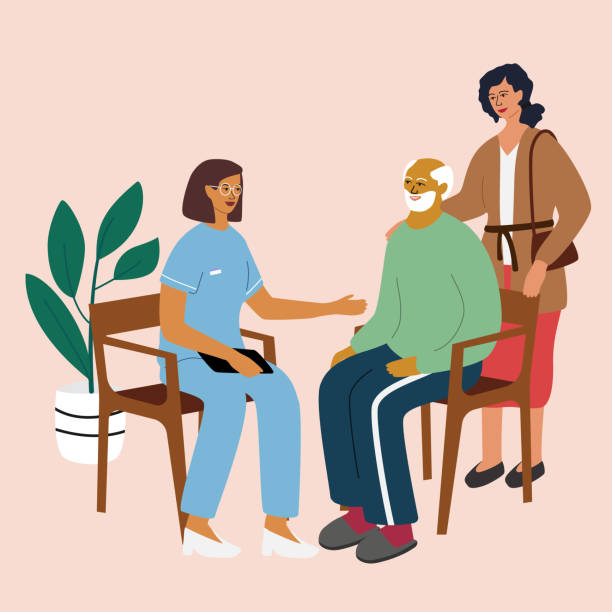


Good communication improves patient care and is one of the most important foundations of high-quality healthcare and social support services. In health and social care settings, communication is not just about talking — it is about listening, understanding, observing, and responding appropriately to patients’ physical, emotional, and cultural needs. Effective communication directly improves patient outcomes, increases safety, and supports dignity and trust between care providers and patients.
Quick Overview
This blog explains the importance of communication in health and social care and how it impacts patient safety, care quality, and overall wellbeing. It explores what health and social care is, key care values, and the importance of diversity in delivering fair and respectful services.
Whether you are studying health and social care or working in the sector, this guide covers:
✅ Understanding health and social care services and their purpose
✅ The role of communication in patient safety and care quality
✅ Key care values such as dignity, respect, and confidentiality
✅ The importance of diversity and inclusion in care settings
✅ Common barriers to communication and how to overcome them
✅ How effective communication improves patient care outcomes
In this article, we will explore what health and social care is, examine why communication skills are important in health and social care, discuss care values in health and social care, and explain what diversity means in this context. We will also examine barriers in health and social care and how to overcome them to improve patient care.
Health and social care refers to services designed to help people maintain their physical, mental, and social well-being. It includes hospitals, community care services, nursing homes, mental health services, and home care support.
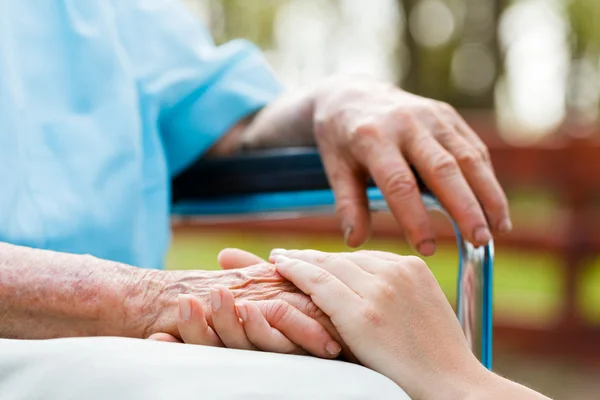
Health care primarily focuses on treating illness and maintaining physical health, while social care focuses on supporting people with daily living activities, emotional support, and social inclusion. Together, these services ensure that individuals can live safely and comfortably within their communities.
Health and social care professionals work with vulnerable populations such as elderly individuals, people with disabilities, and patients with chronic illnesses. Good communication improves patient care by ensuring that these services are delivered effectively, respectfully, and in a way that meets individual needs.
Communication skills are essential in healthcare because they directly influence patient safety, emotional comfort, and treatment effectiveness. Good communication improves patient care by ensuring that information is clearly understood and appropriately acted upon.
Poor communication can lead to medical errors, medication mistakes, and misunderstandings about treatment plans. Clear communication ensures that patients understand instructions regarding medication, recovery procedures, and lifestyle changes.
Healthcare professionals must communicate clearly when explaining diagnoses, treatment options, and risks. Patients who understand their care plans are more likely to follow medical advice correctly.
Trust is essential in healthcare relationships. Patients are more likely to share important health information when they feel respected and listened to. Active listening helps healthcare workers understand patients’ concerns more deeply.
When patients trust their healthcare providers, they are more likely to attend appointments, follow treatment plans, and seek help early when symptoms appear.
Many patients experience anxiety, fear, or stress when dealing with health conditions. Compassionate communication helps reduce emotional distress. Simple actions such as maintaining eye contact, speaking calmly, and showing empathy can make a significant difference.
Healthcare services often involve multidisciplinary teams, including doctors, nurses, therapists, and social workers. Clear professional communication ensures that all team members understand patient needs and treatment plans.
Effective team communication reduces duplication of work and improves efficiency in patient care delivery.
Care values are the principles that guide how healthcare professionals treat patients. These values ensure ethical, compassionate, and respectful care for all individuals receiving support. Good communication improves patient care by helping professionals apply these values consistently in practice.
Dignity means treating patients with respect, regardless of their condition, age, or background. Patients should always feel valued as individuals.
Respect involves listening to patients’ opinions, recognising cultural preferences, and supporting their choices wherever possible.
Patients have the right to keep their medical and personal information private. Healthcare workers must follow strict confidentiality guidelines when handling sensitive information.

Supporting independence helps patients maintain control over their own lives. Care workers should encourage patients to make their own decisions whenever possible.
Providing safe care means preventing accidents, infections, and unnecessary risks. Clear communication ensures that safety procedures are understood and followed correctly.
Diversity refers to recognising and respecting differences among people. These differences may include culture, religion, language, gender identity, age, and disability.
Understanding diversity is essential in healthcare because patients come from a wide range of backgrounds, with different beliefs about health and treatment. Good communication improves patient care by ensuring that these differences are understood and respected in practice.
Healthcare professionals must avoid discrimination and provide equal care opportunities for everyone. Cultural awareness training helps staff communicate appropriately with diverse patient groups.
For example, some patients may have dietary restrictions based on religious beliefs, while others may prefer same-gender healthcare providers for personal or cultural reasons. Effective communication ensures that these preferences are recognised and respected.
Barriers in health and social care are obstacles that prevent effective communication between patients and healthcare professionals. Good communication improves patient care by helping to identify and overcome these barriers in practice.
Language differences can make it difficult for patients to understand medical instructions. Using translation services, visual aids, or simple language can help overcome this problem.
Physical disabilities, such as hearing loss or speech difficulties, can affect communication. Healthcare workers can use sign language interpreters, written communication, or assistive technology to support patients.
Fear, anxiety, or stress can make it difficult for patients to express their needs. Healthcare workers should create a calm and supportive environment to encourage open communication.
Different cultures have different attitudes towards healthcare, illness, and treatment. Cultural sensitivity helps prevent misunderstandings and promotes respectful care.
Noisy or crowded healthcare environments can reduce communication effectiveness. Providing private consultation spaces can help improve patient interactions.
Communication directly impacts patient outcomes. Good communication improves patient care by helping healthcare professionals provide accurate diagnoses, safe treatment, and appropriate emotional support.
Doctors and nurses rely on patient information to diagnose health conditions. If patients cannot communicate their symptoms clearly, diagnosis may be delayed or incorrect.
Patients must understand dosage instructions, timing, and potential side effects. Clear communication reduces the risk of medication errors and improves treatment effectiveness.
Many healthcare errors occur due to miscommunication between staff members. Standardised communication tools, such as checklists and medical records, help improve accuracy and ensure continuity of care.
There are several types of communication used in health and social care settings. Good communication improves patient care by ensuring that information is shared clearly and effectively across all methods.
Verbal communication involves speaking directly to patients. Healthcare workers should use clear, simple language to ensure understanding.
Non-verbal communication includes body language, facial expressions, and gestures. Positive body language can help patients feel more comfortable and supported.
Written communication includes medical records, care plans, and prescriptions. Accuracy is essential to avoid errors and ensure continuity of care.
Modern healthcare systems use digital tools such as emails, patient portals, and electronic health records to share information efficiently.
Patient safety is a major priority in healthcare systems worldwide. Good communication improves patient care by reducing risks and ensuring that patients receive safe and effective treatment. Communication helps improve safety by:

Healthcare organisations often implement communication training programmes to improve patient safety outcomes.
Poor communication can have serious consequences in health and social care settings. Good communication improves patient care by preventing avoidable mistakes and ensuring safe, effective treatment.
Misunderstood instructions can lead to incorrect medication use or inappropriate treatment procedures.
Patients who feel ignored or misunderstood are less likely to follow medical advice or return for treatment.
Poor communication can result in longer hospital stays, repeated treatments, and unnecessary use of healthcare resources.
Healthcare organisations can improve communication by implementing the following strategies. Good communication improves patient care by ensuring that information is shared clearly and effectively across all levels of care.

Regular communication training helps staff develop empathy, active listening skills, and effective communication techniques.
Electronic health records improve information sharing between healthcare teams and support more coordinated care.
Educating patients about their conditions helps improve understanding and increases adherence to treatment plans.
Patient feedback helps healthcare organisations identify areas for improvement and enhance service quality.
Communication is at the heart of effective health and social care services. Understanding what health and social care is, recognising care values in health and social care, and respecting what diversity means in health and social care all contribute to better patient outcomes.
Overcoming barriers in health and social care helps improve accessibility, safety, and fairness in healthcare delivery. Strong communication skills are essential because they improve patient safety, build trust, and support emotional well-being. Good communication improves patient care by ensuring that services are delivered in a clear, respectful, and patient-centred way.
Healthcare systems must continue investing in communication training, technology, and inclusive care practices to ensure that every patient receives safe, respectful, and high-quality care.