
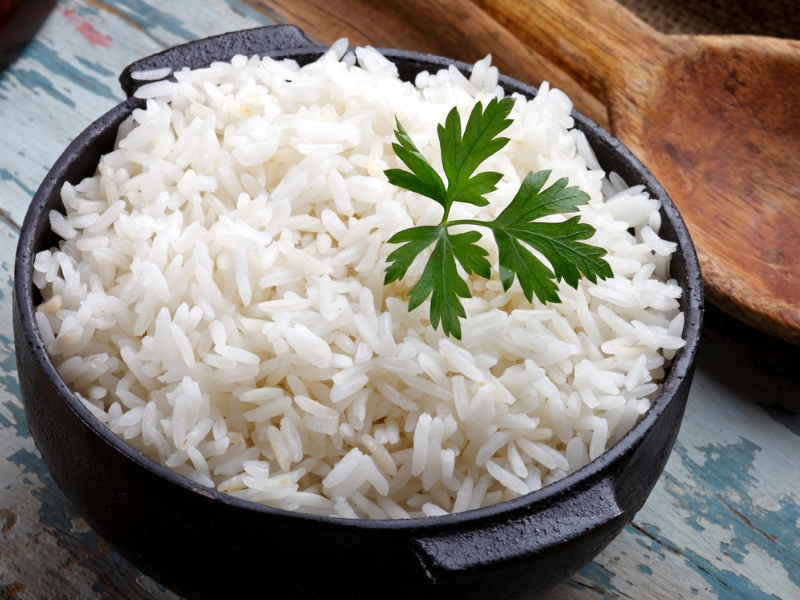
Can you reheat microwave rice nicely? Yes, you can reheat microwave rice — but only once, and only when it has been stored correctly.
Quick Overview
If you are wondering can you reheat microwave rice, the answer is yes — provided it has been cooled quickly, stored safely in the fridge, and reheated until steaming hot throughout. This guide explains how to reheat rice safely, why food hygiene matters, and how to avoid common food safety mistakes.
Whether you’re reheating plain rice, microwave rice pouches, or leftover takeaway rice, this guide covers:
✅ How to safely reheat microwave rice in the microwave while ensuring even heating
✅ How long cooked rice can be stored in the fridge before reheating
✅ Food safety rules for rice, including the risks of Bacillus cereus
✅ Common mistakes to avoid, including unsafe storage and repeated reheating
According to guidance from the UK Food Standards Agency (FSA), the key safety rules are simple: chill the rice as quickly as possible (ideally within one hour), store it in the fridge for no longer than one day, reheat it until it is steaming hot all the way through, and never reheat it more than once.
The good news is that reheating rice is safe for most healthy adults when these steps are followed correctly. The risk is not the reheating process itself, but incorrect storage before reheating, which can allow harmful bacteria such as Bacillus cereus to develop.
This is a common question in UK households, especially since microwave rice pouches (such as those from Tilda or Ben’s Original) are widely used as a convenient staple. It is important to distinguish between reheating an unopened, commercially prepared pouch and reheating leftover cooked rice that has been left in the fridge. Both can be safe, but they must be handled differently and always in line with food safety guidance.
This information is based on current UK Food Standards Agency (FSA) and NHS food hygiene recommendations, aiming to provide clear, practical, and trustworthy advice for everyday home cooking.
Rice can harbour a food safety risk because it may contain a bacterium called Bacillus cereus. Its spores can survive normal cooking temperatures. This is important to understand when people ask can you reheat microwave rice.
When cooked rice is left at room temperature, these spores can germinate, multiply, and produce toxins. Reheating the rice will not destroy these toxins — which is why correct cooling and storage are far more important than reheating method. This directly answers the common question: can you reheat microwave rice safely after it has been left out.
This is worth understanding clearly, because a lot of online advice gets it backwards by suggesting that reheating itself is the danger. It is not.
Uncooked rice can contain dormant spores of Bacillus cereus. Cooking kills the active bacteria, but the spores can survive.
When cooked rice is left standing at room temperature, those spores can “wake up”, multiply, and produce toxins in the food. This is where risk develops, not during reheating.
A key safety point is that these toxins are heat-stable. Even if you heat rice thoroughly in a microwave, the toxins that formed during improper storage will remain. So when asking can you reheat microwave rice, the real issue is not reheating itself, but how the rice was stored beforehand.
This is why food safety guidance focuses on cooling and storage practices rather than reheating techniques.
Bacteria multiply most rapidly between 8°C and 63°C. This range is known as the “danger zone” in food safety.
The longer cooked rice stays within the danger zone, the higher the risk of toxin formation. This is why proper storage is essential before considering whether can you reheat microwave rice safely.
Not all “microwave rice” is the same. Sealed microwave rice pouches (such as Tilda Steamed Basmati or Ben's Original Ready to Heat) are commercially sterilised at very high temperatures. This process makes them safe to store unopened at room temperature.
This distinction is important when answering common food safety questions such as can you reheat microwave rice and can you reheat microwave rice after cooking, because the safety rules change once the packaging is opened.
Once opened, however, they must be treated like any other cooked rice and handled carefully to minimise the risk of Bacillus cereus growth.
Unopened microwave rice pouches are safe at room temperature because industrial sterilisation processes used in commercial food production go far beyond standard home cooking.
Manufacturers such as Tilda heat rice to temperatures significantly higher than boiling water cooking. This effectively eliminates harmful bacteria and spores that could otherwise survive conventional preparation methods.
At this stage, the answer to can you reheat microwave rice is straightforward: yes — as long as the pouch is unopened and properly stored according to the manufacturer’s instructions.
Once a pouch is opened, or once rice has been cooked at home and left over, it becomes a perishable food item and must be handled using standard food safety principles.
This is where most confusion arises around can you reheat microwave rice after cooking, because people often assume the sealed packaging protection still applies. It does not.
From a food safety perspective:
These guidelines are based on the risk of Bacillus cereus, a bacterium that can survive cooking and multiply if rice is left at room temperature.
Sealed microwave rice is a shelf-stable, commercially sterilised product. However, once opened, it should be treated as cooked rice with a limited safe storage window.
So when considering can you reheat microwave rice after cooking, the critical factor is not the reheating method itself, but how quickly and safely the rice was cooled and stored after opening or cooking.
Safe reheating of rice comes down to four core principles: cool it quickly, store it correctly, heat it thoroughly, and never reheat it more than once. Following these steps keeps the risk of foodborne illness very low, particularly from Bacillus cereus, which is well documented in UK food safety guidance.
This is especially important when considering common safety questions such as can you reheat microwave rice, can you reheat microwave rice again, and can you reheat microwave rice more than once.
After cooking or opening a rice pouch, do not leave rice to cool slowly at room temperature. The Food Standards Agency (FSA) advises cooling cooked rice as quickly as possible — ideally within one hour — before refrigerating.

To speed up cooling:
Slow cooling increases the risk of bacterial growth, which is why proper handling matters more than reheating technique when asking can you reheat microwave rice again safely.
Once cooked or once a microwave rice pouch has been opened, rice should be eaten as soon as possible. If not consumed immediately, it should be refrigerated promptly and eaten within 24 hours.
The FSA guidance is clear that cooked rice should not be kept in the fridge for more than one day before reheating. This is particularly relevant when people ask can you reheat microwave rice more than once, as storage time directly affects safety.
The NHS advises that rice should be reheated to a core temperature of at least 70°C for two minutes, or until it is steaming hot throughout. This is not the same as “warm”.
The rice should be so hot that it cannot be eaten immediately and needs to cool briefly before consumption.
If you are unsure, a food thermometer can provide accurate reassurance and is commonly used in professional and food safety-conscious home kitchens.
This step is central to understanding can you reheat microwave rice, as proper reheating ensures safety when storage has been correct.
This is one of the most important rules in UK food safety guidance. Both the FSA and NHS state that rice should not be reheated more than once.
If you reheat rice and do not finish it, you should not reheat it again. It must be discarded.
This directly answers the question can you reheat microwave rice again or can you reheat microwave rice more than once — the safe answer is no.
The microwave is the most convenient and widely used method for reheating rice, but it must be done correctly to ensure even heating and food safety. Simply microwaving rice without preparation can lead to uneven temperatures, which increases the risk of foodborne illness.
This is particularly important when considering can you reheat microwave rice and related safety questions, as improper reheating is often linked to poor storage rather than the microwave process itself.
Break it up
Remove rice from the fridge and break up any clumps with a fork. Dense clumps can prevent even heating.
Add moisture
Add one to two tablespoons of water per portion. This creates steam, helping the rice heat evenly and preventing it from drying out.
Cover it
Use a microwave-safe lid or plate loosely covering the container. Do not seal it completely, as steam needs to escape.
Heat in intervals and stir
Microwave on full power in 30-second bursts, stirring between intervals. This helps prevent cold spots in the centre.
Check it is hot throughout
Ensure the rice is steaming hot all the way through before eating.
Eat immediately
Do not allow reheated rice to cool and attempt to reheat it again. This is an important safety rule when considering can you reheat microwave rice pouches more than once.
If you are heating an unopened microwave rice pouch for the first time, always follow the manufacturer’s instructions on the packet. These instructions are designed for safe and consistent results without needing additional water or preparation.
This is where many people ask can you reheat microwave rice pouches, and the key distinction is simple: unopened pouches are shelf-stable, but once opened, they must be treated as cooked rice.
If the pouch has already been opened, transfer the rice to a microwave-safe container and follow the standard reheating method above.
Understanding this distinction is essential when considering can you reheat microwave rice pouches, as safety rules change immediately after opening.
Rice can also be safely reheated using other methods, provided it is heated evenly and thoroughly:
On the hob:
Add rice to a saucepan with a splash of water, cover tightly, and heat on a low flame for around five minutes, stirring occasionally until piping hot.
In the oven:
Spread rice on a baking tray, add a little water, cover tightly with foil, and heat at 160°C for around 20 minutes.
In an air fryer:
Place rice in an air fryer-safe dish, cover with foil, and heat at 160°C for five to six minutes.
Yes — but only if it has been handled correctly.
UK food safety guidance from both the Food Standards Agency (FSA) and the NHS is clear: cooked rice should be cooled quickly, stored in the fridge, and consumed within 24 hours. This applies whether it is homemade rice or opened microwave rice.
So, when asking can you reheat microwave rice next day, the answer is yes — provided it is reheated within one day of cooking or opening.
Rice that has been stored for longer than 24 hours should be discarded, not reheated.
This is a key safety point because Bacillus cereus toxins, which can form if rice is left at room temperature too long, are not destroyed by reheating.
A common mistake is relying on smell or appearance. However, these toxins are odourless and tasteless, meaning rice can look perfectly fine while still being unsafe.
If you regularly have leftover rice, freezing it on the day of cooking is a safer alternative.
Reheating rice the next day — within 24 hours of cooking or opening — is safe if it has been:
“Next day” rice is considered safe under UK guidance. However, rice stored for two days or more should not be reheated or consumed.
No. You should never reheat rice — whether it is microwave pouch rice or home-cooked rice — more than once. Every additional heating and cooling cycle increases the risk of bacterial growth, particularly Bacillus cereus, which is known to survive cooking in spore form.
This is one of the most important safety rules when discussing can you reheat microwave rice, especially in relation to leftovers and stored rice dishes.
Once rice has been reheated, it should be eaten immediately. Any leftovers should be discarded.
The Food Standards Agency (FSA) is explicit on this point: “You should never reheat rice more than once.”
The reasoning is straightforward. Each time rice passes through the temperature “danger zone” (between 8°C and 63°C), surviving bacteria can multiply rapidly.
Reheating reduces bacterial numbers but does not eliminate all risks, especially if toxins have already formed during poor storage. A second reheating cycle introduces another period of risk without providing additional safety benefit.
This applies equally when considering can you reheat microwave rice after 2 days or freshly cooked rice that has already been reheated once.
The one-reheat rule applies universally, regardless of the rice source:
So when asking can you reheat microwave rice that's already been cooked, the safety principle remains the same: only one full reheating cycle is considered safe under UK guidance.
The FSA advises extra caution with takeaway rice. Some food outlets pre-cook rice and then reheat it before serving.
This means that if you take leftovers home, the rice may have already been reheated once before you even receive it. In that case, reheating it again would effectively be a second reheat.
This is particularly important when considering can you reheat microwave rice after 2 days, as stored takeaway rice increases risk further due to uncertain handling history.
When in doubt, it is safer to eat takeaway rice fresh and avoid reheating leftovers.
If rice has been stored incorrectly before reheating — for example, left at room temperature for more than one hour — it may contain heat-stable toxins produced by Bacillus cereus. These toxins are not destroyed by reheating.
This is a key reason why can you reheat microwave rice that's already been cooked depends more on storage conditions than reheating itself.
Consuming contaminated rice can lead to food poisoning. Symptoms are usually mild in healthy adults but can be unpleasant and disruptive.
Certain groups should take extra care with rice storage and reheating:
For these groups, strict adherence to FSA guidance — especially the 24-hour storage rule and the one-reheat rule — is particularly important.
Food poisoning caused by Bacillus cereus may include:
Symptoms are usually short-lived and resolve within 24–48 hours in otherwise healthy individuals.
However, if symptoms are severe, persistent, or include signs of dehydration, medical advice should be sought via a GP or NHS 111.
| Scenario | Safe? | Notes |
| Reheating an unopened microwave rice pouch (first time) | ✅ Yes | Follow packet instructions |
| Reheating leftover cooked rice within 24 hours | ✅ Yes | Must be cooled within 1 hour, stored in the fridge, reheated until piping hot |
| Reheating opened pouch rice within 24 hours | ✅ Yes | Treat the same as leftover cooked rice |
| Reheating rice that's been in the fridge for 2 days | ❌ No | Discard it — exceeds FSA guidance |
| Reheating rice a second time | ❌ No | Never reheat rice more than once |
| Reheating rice left at room temperature overnight | ❌ No | Discard immediately — do not risk it |
| Reheating rice straight from the freezer | ✅ Yes | Defrost in the fridge first, reheat once, serve immediately |
| Reheating takeaway rice at home | ⚠️ Caution | May already have been pre-cooked and reheated once by the takeaway |
Yes. You can safely reheat microwave rice once, provided it has been cooled quickly, stored in the fridge for no longer than 24 hours, and reheated until steaming hot all the way through. The FSA advises that rice should never be reheated more than once.
This is the foundation of understanding can you reheat microwave rice safely in everyday use.
No. UK food safety guidance is clear that rice should only ever be reheated once. Reheating rice a second time increases the risk of bacterial growth and potential toxin formation from Bacillus cereus.
This directly explains why can't you reheat microwave rice more than once — each cooling and reheating cycle increases food safety risk without eliminating heat-stable toxins.
Yes, provided it was cooled within one hour of cooking or opening, stored in a covered container in the fridge, and consumed within 24 hours. Always reheat until piping hot throughout.
This applies to both home-cooked rice and microwave rice pouches.
No. FSA guidance states cooked rice should not be kept in the fridge for more than one day before reheating. Rice stored for two days should be discarded, even if it looks and smells fine.
You should not reheat rice more than once because each reheating cycle allows bacteria that survived cooking to multiply again during cooling phases.
Rice can contain Bacillus cereus spores, which may produce heat-stable toxins if rice is left in the temperature danger zone. These toxins are not destroyed by reheating.
This is the scientific reason behind why can't you reheat microwave rice, and it is why UK guidance is strict on a single reheat only.
Yes — but only once. Once opened, microwave rice pouches must be treated like any other cooked rice: cooled quickly, refrigerated within one hour, and consumed within 24 hours.
Yes, and this is the most common and practical method.
To safely reheat rice in the microwave:
This ensures even heating and reduces cold spots, directly addressing can you reheat microwave rice in the microwave safely.
If rice has already been reheated once, it should not be reheated again. If it has only been cooked once and properly stored, it can be reheated once within 24 hours.
Yes, provided it was cooled and stored correctly within 24 hours. It can be eaten cold in dishes such as rice salads, but should not be consumed if stored for two days or more.
Yes. Freezing is a safe option for leftover rice.

So, can you reheat microwave rice? Yes — but only once, and only when it has been stored safely.
Understanding can you reheat microwave rice in the microwave and why can't you reheat microwave rice comes down to one key principle: safety is determined by storage time and temperature control, not just reheating method.
UK guidance from the Food Standards Agency (FSA) and NHS is clear: cool quickly, store correctly, heat thoroughly, and reheat only once.
For best safety, if you often have leftovers, cook smaller portions or freeze rice on the same day it is prepared.