

Understanding PIES in health and social care helps learners and care workers think about a person as more than a medical condition or list of practical needs. PIES stands for Physical, Intellectual, Emotional and Social development. Together, these four areas provide a simple framework for considering how people grow, change and experience wellbeing throughout life.
Quick Overview
PIES provides a straightforward way to understand how different aspects of a person’s development, wellbeing and everyday life are connected.
This guide covers:
✅ The meaning of PIES in health and social care
✅ What Physical, Intellectual, Emotional and Social development involve
✅ How the four areas can influence one another
✅ How PIES can be used in care planning and support
✅ Examples of PIES across different stages of life
People often search questions such as what is PIES in health and social care, what are PIES in health and social care, or what is PIES health and social care because the term appears frequently in health and social care education. The core idea is straightforward: a person's physical health, thinking and learning, emotions and relationships can all influence one another.
The PIES model can therefore help students understand human development, person-centred care and the wider effects of illness, disability, ageing or major life events. It is useful because it encourages holistic thinking rather than focusing only on physical symptoms.
However, the model has limits. It is a framework for understanding development and wellbeing, not a diagnostic tool or a replacement for professional assessment.
PIES is an acronym used to describe four areas of human development: Physical, Intellectual, Emotional and Social.
pies in health and social care, these areas can help people consider how an individual's abilities, experiences and circumstances affect their wellbeing.
For example, a person recovering from surgery may have an obvious physical need for rehabilitation. Yet the same person may also feel anxious, struggle to understand new instructions or become socially isolated because they cannot leave home easily.
Looking at all four PIES areas creates a more complete picture.
If you are asking what does PIES stand for, the simple breakdown is:
| Component | Meaning | Focus |
| Physical | Physical development | Health, mobility, physical abilities |
| Intellectual | Intellectual development | Learning, thinking, knowledge |
| Emotional | Emotional development | Feelings, confidence, wellbeing |
| Social | Social development | Relationships, communication, interaction |
The PIES meaning is therefore broader than four separate labels. The important point is that each area can affect the others.
The PIES model in health and social care is a framework used to understand different aspects of a person's development and wellbeing.
It encourages people to look beyond immediate medical needs and consider wider influences on quality of life.
A physical problem may affect emotional wellbeing. A change in memory may affect independence. Social isolation may influence confidence. A strong support network may help somebody cope more effectively with illness.
PIES provides a convenient structure for thinking through these connections.
It is particularly common in pies in health and social care education when studying human lifespan development and the effects of life events.
The four areas of PIES are easiest to understand separately at first. In real life, however, they constantly overlap.
Physical development relates to the body, physical health and a person's ability to carry out activities.
During childhood, physical development includes growth, movement, coordination and changes in strength. During adolescence, puberty creates significant physical change. In adulthood and later life, health conditions, injury, disability and ageing may influence physical abilities.
In health and pies in health and social care, physical development may involve factors such as:
A care worker supporting an older person with reduced mobility may need to think about more than whether the individual can walk safely.
Reduced mobility could affect whether the person can prepare meals, visit friends or continue hobbies.
Physical support should therefore aim, where possible, to maintain independence rather than simply doing everything for the individual.
Intellectual development concerns learning, thinking and the ability to understand and use information.
It includes areas such as memory, concentration, language, decision-making, problem-solving and reasoning.
Intellectual development continues throughout life.
Children gradually develop language and understanding. Adolescents often become capable of more complex reasoning and independent thought. Adults may continue developing professional skills, knowledge and judgement through education, employment and experience.
In later life, some people may experience changes in memory or cognition. Others remain intellectually active for many years.
Within care, intellectual needs can influence how information should be communicated.
Someone with a learning disability, cognitive impairment or communication difficulty may need information presented differently from another person.
Supporting intellectual development can also involve meaningful activities, opportunities to learn and involvement in decisions.
The aim should not be to make assumptions based on diagnosis or age. Support should respond to the individual's actual abilities and preferences.
Emotional development concerns feelings, self-esteem, confidence, identity and the ability to cope with challenges.
People experience emotional development throughout life.
A young child gradually learns to recognise and express emotions. Adolescence can involve significant changes in identity and confidence. Adults may face emotionally demanding events such as parenthood, unemployment, illness, separation or bereavement.
pies in health and social care settings can also create emotional challenges.
A person moving into residential care may feel frightened even when the move is physically necessary.
Someone who becomes dependent on others after an accident may experience frustration or loss of confidence.
Supporting emotional wellbeing can therefore involve listening, reassurance, respectful communication, maintaining control and helping the individual participate in decisions.
Where someone experiences significant psychological distress or a mental health condition, appropriate professional assessment may also be necessary.
Social development relates to relationships, communication and participation with other people.
This may include relationships with family, friends, colleagues, carers and the wider community.
Social development also involves learning how to communicate, cooperate and participate in different environments.
In care, social needs can easily be overlooked when physical needs are more obvious.
A person may receive excellent medication and personal care yet still feel isolated.
Another person may value regular contact with a particular family member more than organised group activities.
Social support should therefore reflect the individual's preferences.
Important considerations can include maintaining relationships, preventing unwanted isolation, enabling community involvement and helping people communicate in ways that work for them.
PIES is useful because health and wellbeing are interconnected.
A purely medical approach may explain what condition a person has. It may not explain how that condition affects confidence, learning, independence or relationships.
The PIES approach aligns closely with person-centred care because both encourage people to look at the individual rather than only the condition.
The Care Quality Commission's current framework for England emphasises independence, choice and control. It says people should be supported to make decisions about their care, maintain important relationships and live as independently as possible. CQC guidance on independence, choice and control
Skills for Care also promotes person-centred approaches in adult pies in health and social care, including care planning, co-production and understanding what matters to the person. Skills for Care guidance on person-centred approaches

PIES supports this way of thinking because it prompts questions about several parts of someone's life instead of assuming that one diagnosis explains all their needs.
Two people with the same condition can require completely different support.
Imagine two people living with the same form of arthritis.
One lives with a partner, remains socially active and feels confident using mobility equipment.
The other lives alone, worries about falling and has stopped visiting friends.
Their physical diagnosis may be similar, but their emotional and social circumstances are very different.
PIES helps reveal those differences.
Information about physical, intellectual, emotional and social needs can contribute to more individualised care planning.
A support plan may include physical goals such as improving mobility, but also goals around communication, confidence or relationships.
The plan should still follow the organisation's formal assessment and care-planning requirements.
PIES is best used as a prompt for wider thinking rather than as a complete care plan in itself.
Holistic care considers the whole person.
Instead of asking only, "What condition does this person have?", staff may also ask:
How is the condition affecting everyday independence?
Does the person understand their choices?
How are they coping emotionally?
Are they maintaining relationships that matter to them?
This broader approach can make support more relevant to real life.
The PIES model can be applied when gathering information, planning support and reviewing changes.
Information may come from observation, conversation, formal assessment, personal history and feedback from the individual or people appropriately involved in their care.
A care worker might observe changes in mobility.
A nurse may identify a physical health concern.
The individual may explain that they feel lonely.
A family member may provide relevant background information where appropriate.
The important point is to bring information together without making assumptions.
Consent, confidentiality and appropriate information-sharing rules still apply.
PIES can help identify different areas that may need support.
A care plan might include personal goals such as maintaining independence, learning to use mobility equipment or continuing a valued weekly activity.
The person's preferences should shape the plan wherever possible.
Support may need to be adapted if the individual communicates differently, has cognitive difficulties or feels anxious about a proposed change.
Person-centred planning therefore involves more than recording tasks. It should also reflect what the person wants to achieve.
A person's needs can change quickly.
Someone recovering from surgery may regain mobility, become more confident and resume social activities over several months.
Another person may develop new memory difficulties or become more isolated after bereavement.
Regular review helps identify these changes.
Support strategies can then be updated instead of assuming that needs remain the same indefinitely.
Health and pies in health and social care often involves several people working together.
Depending on the person's needs, this may include carers, nurses, social workers, occupational therapists, physiotherapists, doctors, family members and advocates.
Different professionals may notice different parts of the PIES picture.
A physiotherapist may focus strongly on mobility, while a support worker may notice emotional or pies in health and social care changes through daily interaction.
Coordinated care can bring those perspectives together while respecting confidentiality and the individual's wishes.
A detailed example shows how the four areas may overlap in practice.
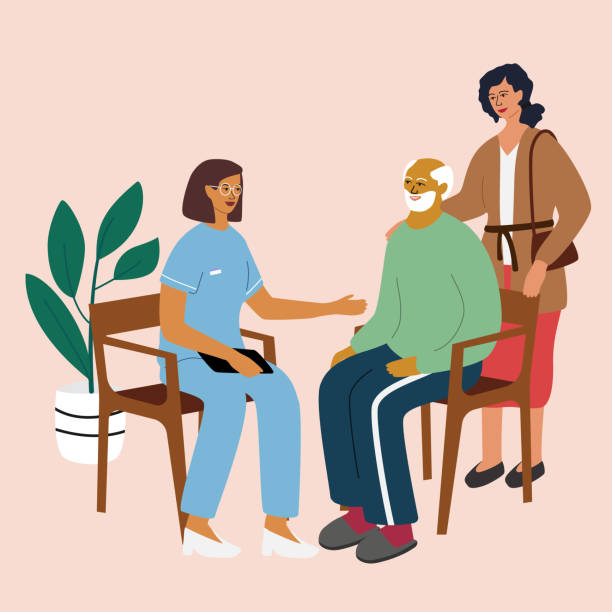
Imagine David, aged 79, is moving into residential care after several falls and increasing difficulty managing at home.
| PIES area | Example consideration |
| Physical | Mobility support, medication, nutrition and reducing the risk of further falls |
| Intellectual | Memory activities, clear information and opportunities for mental stimulation |
| Emotional | Managing anxiety about the move and rebuilding confidence |
| Social | Maintaining family relationships and taking part in activities he genuinely enjoys |
David's physical needs may initially attract the most attention because of the falls.
However, the move could also affect his confidence and sense of control.
If David enjoys chess, newspapers and regular conversations with his brother, these aspects of his life should not disappear simply because he now receives residential care.
Supporting him well therefore means understanding what helps him feel independent, connected and mentally engaged as well as physically safe.
This is a practical example of the PIES model in health and social care: the four areas help create a fuller picture rather than four completely separate problems.
PIES development can be discussed throughout the lifespan because physical, intellectual, emotional and pies in health and social care change does not stop at childhood.
Childhood involves rapid development across all four areas.
Children grow physically, develop language and reasoning, learn to manage emotions and form relationships with family members and peers.
PIES in adolescence becomes particularly important because several major changes can occur at the same time.
Physical development includes puberty and changing body shape.
Intellectual development may involve more pies in health and social care complex thinking, growing independence and greater ability to consider future consequences.
Emotional development can involve identity, self-esteem and coping with change.
Social development may include stronger peer influence, changing family relationships and increasing independence.
When students refer to PIES adolescence or PIES in adolescence, they are usually examining these interconnected changes.
pies in health and social care workers supporting adolescents should avoid assuming that every young person develops at the same pace or responds to change in the same way.
In adulthood, PIES may be influenced by work, relationships, parenthood, health conditions and major life events.
Intellectual development can continue through learning and experience. Social networks may change as relationships, work and family responsibilities develop.
Older age can bring physical change, but ageing should not be treated automatically as decline across every area.
Many older people remain socially active, emotionally resilient and intellectually engaged.
Others may require increasing support because of illness, bereavement, disability or isolation.
Person-centred care should respond to the individual rather than stereotypes about age.
PIES is useful partly because it is simple. That simplicity also means it cannot capture every aspect of pies in health and social care practice.
The PIES model can help identify questions worth exploring, but it cannot diagnose illness, dementia, mental health conditions, developmental disorders or social-care eligibility.
Those issues may require recognised clinical or professional assessments.
For example, noticing changes in memory under the intellectual part of PIES does not establish that a person has dementia.
Similarly, identifying low confidence under emotional development does not provide a mental health diagnosis.
The framework should therefore sit alongside appropriate professional judgement and formal assessment methods.
Development is influenced by many factors.
Health, disability, culture, education, environment, income, family circumstances, trauma and life experience can all shape how people develop.
Two people of the same age can therefore have very different needs.
PIES should encourage curiosity about the individual rather than encourage rigid assumptions about what somebody "should" be like at a particular life stage.
PIES is one of several frameworks that encourage broader thinking about development and wellbeing.
PIES and SPICE share the idea that wellbeing involves more than physical health.
PIES focuses on:
SPICE expands the framework to:
The additional cultural element highlights the influence of background, values, beliefs and traditions.
This does not mean cultural factors should be ignored when using PIES. Effective person-centred care should always consider relevant cultural preferences and identity.
Neither PIES nor SPICE replaces professional assessment. Both are useful for organising thinking about different aspects of a person's experience.
Maslow's hierarchy of needs focuses primarily on human motivation and categories of need.
These are commonly presented as physiological needs, safety, belonging, esteem and self-actualisation.
PIES is structured differently.
It focuses on physical, intellectual, emotional and pies in health and social care development.
The two frameworks can therefore complement different types of discussion, but they should not be treated as interchangeable.
Both encourage people to look beyond one immediate issue and consider wider influences on wellbeing.
PIES stands for Physical, Intellectual, Emotional and Social.
These four areas are used to consider different aspects of human growth, development and wellbeing.
The meaning of PIES is therefore a simple framework forpies in health and social care looking at the whole person rather than only physical health.
PIES encourages holistic and person-centred thinking.
It can help people recognise that a health condition may affect confidence, pies in health and social care communication, relationships or independence as well as the body.
It can therefore contribute to a broader understanding of care needs, although it does not replace formal assessment.
Physical examples include mobility, nutrition and health conditions.
Intellectual examples include memory, learning and decision-making.
Emotional examples include confidence, self-esteem and coping with change.
Social examples include relationships, communication and community participation.
In practice, these areas often influence one another.
PIES encourages staff to consider what matters to the individual across several areas of life.
A person's physical condition may be only one part of what affects their wellbeing.
Looking at intellectual, emotional and pies in health and social care circumstances can help staff understand preferences, strengths and pies in health and social care goals more fully.
The model supports person-centred thinking, but formal care planning must still follow relevant professional and regulatory requirements.
There is no universal PIES rule stating that intellectual development has exactly five characteristics.
However, five useful examples are learning, memory, reasoning, problem-solving and decision-making.
Communication, concentration, creativity and language development can also form part of intellectual development depending on the context.
The four PIES areas remain Physical, Intellectual, Emotional and pies in health and social care throughout life.
What changes is how they appear.
Childhood may involve rapid growth, learning and early relationship development.
PIES in adolescence can include puberty, increasingly complex thinking, identity and changing peer relationships.
Adulthood may involve employment, relationships and family responsibilities.
Older age may bring changes in health, independence and pies in health and social care circumstances, although individual experiences differ greatly.
Understanding what is PIES in health and social care gives learners a straightforward way to examine human development and wellbeing from more than one perspective.
PIES stands for Physical, Intellectual, Emotional and Social. These four areas help explain how changes in one part of life can affect several others.
A mobility problem, for example, may influence confidence an d pies in health and social careparticipation. A cognitive difficulty may affect independence and communication. Strong relationships may help somebody cope with illness or change.
That interconnected view is why PIES health and social care education frequently uses the model when discussing human lifespan development and person-centred support.
The framework is also useful when considering PIES development across childhood, PIES adolescence, adulthood and later life. However, it should never be used to make rigid assumptions about what people should be able to do at a certain age.
PIES remains a framework rather than a diagnostic or statutory assessment tool. Formal pies in health and social care decisions require appropriate professional judgement, recognised assessment processes and meaningful involvement of the individual.
Training Station currently offers online learning in pies in health and social care and related areas. Learners interested in developing wider care knowledge can review the relevant course content, but should check the precise syllabus, assessment and certificate status before enrolling where a regulated qualification is required.
Used appropriately, the PIES model provides a simple but valuable reminder that good care should consider the whole person: their body, mind, feelings, relationships, choices and everyday life.