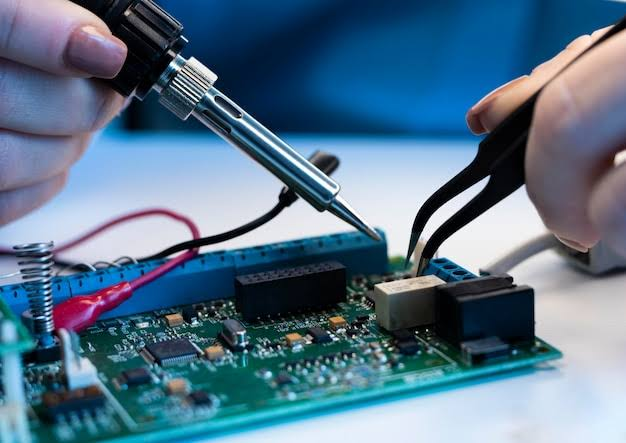

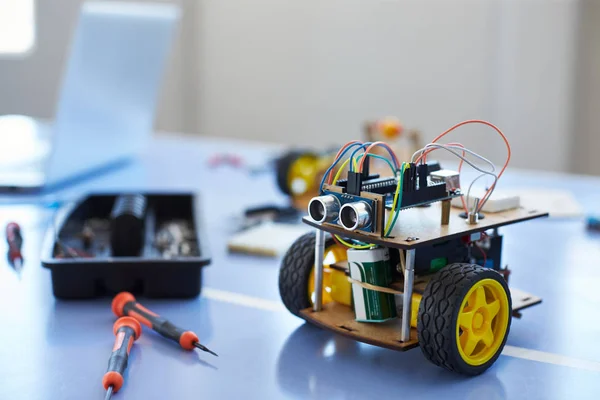
Engineering mechanics course is a discipline that builds the foundation for designing, analysing, and constructing everything from bridges to spacecraft. One of the core subjects for engineering students is mechanics—the branch of physics that deals with forces and motion.
Quick Overview
An engineering mechanics course introduces the fundamental principles of forces, motion, and equilibrium that form the basis of all engineering disciplines. It helps students understand how physical systems behave and how to apply engineering principles to real-world problems involving structures, machines, and materials.
Whether you are studying civil, mechanical, aerospace, or related engineering fields, this course builds essential analytical and technical skills.
✅ Understanding forces, motion, and equilibrium
✅ Learning core topics like statics, dynamics, and mechanics of materials
✅ Developing strong problem-solving and analytical skills
✅ Applying theory to real engineering systems and designs
Within this domain, an engineering mechanics course provides the essential knowledge and skills needed to analyse and predict how physical systems respond under different conditions. Whether you are an aspiring civil, mechanical, or aerospace engineer, this course lays the groundwork for future professional success.
In this blog post, we will explore in detail what to expect from an engineering mechanics course, including its key topics, learning outcomes, practical applications, challenges, and study strategies. By the end, you will have a clear understanding of how such a course is structured and how it can benefit your engineering career.
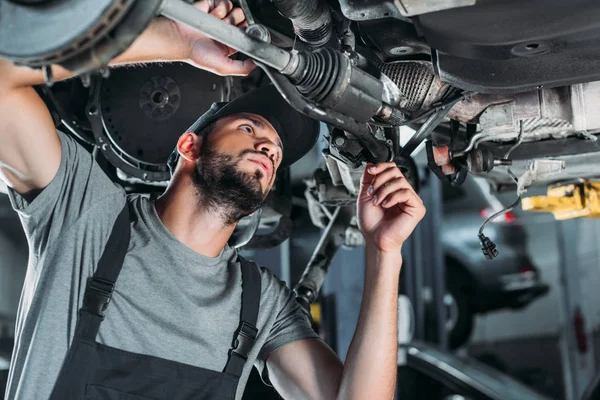
An engineering mechanics course is designed to introduce students to the principles governing the motion and equilibrium of physical systems. Unlike general physics courses, an engineering mechanics course focuses on applications relevant to engineering problems. The course typically combines theoretical concepts with practical problem-solving skills, preparing students to analyse real-world structures and mechanisms.
The primary goal of an engineering mechanics course is to equip students with the ability to:
In essence, an engineering mechanics course bridges the gap between fundamental physics and applied engineering design.
An engineering mechanics course is a foundational subject for various engineering disciplines. Students pursuing the following fields often take an engineering mechanic course:
Even if your major is not directly related to these fields, an engineering mechanics course can provide valuable analytical skills, improve problem-solving abilities, and enhance your understanding of physical systems in engineering contexts.
An engineering mechanics course typically includes a combination of theoretical concepts and practical problem-solving exercises. Below are the core topics you can expect:

Statics is the study of bodies at rest or in equilibrium. It focuses on forces and moments acting on stationary objects. Key concepts include:
Learning statics provides the foundation for understanding structural behaviour and is often the first major section of an engineering mechanic course.
Dynamics deals with bodies in motion and the forces causing that motion. In this section of an engineering mechanics course, students learn to predict the movement of objects based on applied forces. Topics include:
Dynamics is more mathematically intensive than statics and often requires calculus and differential equations.
While some engineering mechanics courses separate mechanics of materials into a distinct subject, many integrate it to provide a more complete understanding of material behaviour under loads. Topics include:
This part of an engineering mechanics course equips students with the ability to select suitable materials and design components that can safely withstand expected forces.
Some engineering mechanic courses introduce basic fluid mechanics, especially for mechanical, civil, and aerospace engineering students. It deals with the behaviour of liquids and gases in motion and at rest. Core topics include:
Although not every engineering mechanics course includes fluid mechanics, a basic understanding can be valuable for specific engineering disciplines.
Vector analysis is a central part of an engineering mechanics course. Students learn to:
Mastering vector mechanics ensures students can handle complex force systems accurately and efficiently in an engineering mechanics course.
A significant portion of an engineering mechanics course is devoted to solving practical engineering problems. This includes:
Problem-solving is often reinforced through homework assignments, laboratory exercises, and design projects in an engineering mechanics course.
Many engineering mechanics courses incorporate hands-on laboratory work to help students connect theory with practice. In an engineering mechanics course, labs may involve:
These practical exercises in an engineering mechanic course improve comprehension, reinforce theoretical knowledge, and develop analytical thinking.
Completing an engineering mechanics course equips students with a variety of valuable skills that extend beyond the classroom:
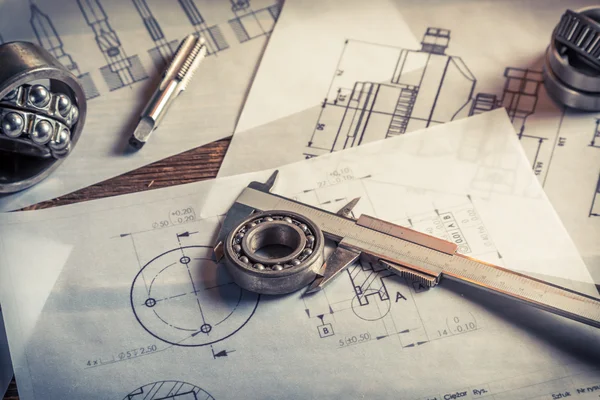
These skills form a strong foundation for future coursework and professional engineering practice after completing an engineering mechanics course.
While an engineering mechanics course is rewarding, it is also known for its challenges:
To overcome these challenges in an engineering mechanics course, students are encouraged to:
An engineering mechanics course is foundational for many advanced engineering subjects. For example:
Mastery of an engineering mechanics course also benefits research and design projects, internships, and professional engineering practice.
Here are practical tips to maximise your performance in an engineering mechanic course:
Consistent effort and active learning are key to excelling in an engineering mechanics course.
Completing an engineering mechanic course is more than an academic requirement—it opens doors to diverse engineering careers:

The analytical skills gained from an engineering mechanics course also enhance employability, even in fields that require strong quantitative reasoning.
An engineering mechanic course is a cornerstone of engineering education, offering the tools and knowledge needed to analyse forces, predict motion, and design safe and efficient systems. By combining theory, problem-solving, and practical applications, an engineering mechanics course prepares students for advanced studies, professional challenges, and innovative engineering projects.
While an engineering mechanics course can be mathematically rigorous and conceptually demanding, the rewards are substantial. The ability to understand and manipulate the forces and motions that govern our physical world is a skill that underpins nearly every engineering discipline. By dedicating time to practice, engaging with laboratory work, and actively studying, students can master the principles taught in an engineering mechanics course and build a strong foundation for their engineering careers.
Whether you aim to become a civil engineer designing skyscrapers, a mechanical engineer developing high-performance machinery, or an aerospace engineer building the next generation of spacecraft, an engineering mechanics course is an essential first step. Embrace the challenges, engage with the content, and you will emerge with skills that will support your academic and professional growth for years to come.