
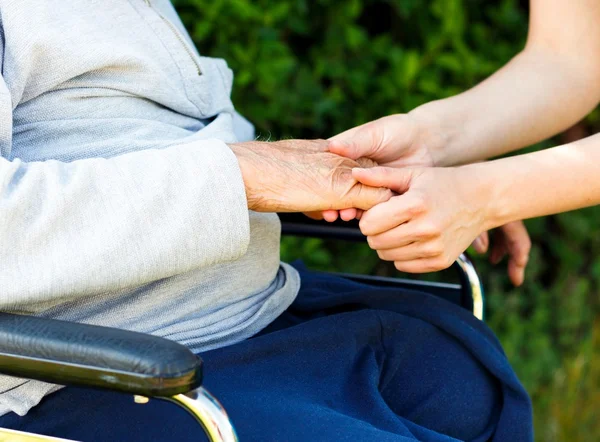
Why are communication skills important in health and social care is a fundamental question when exploring effective healthcare delivery and social support services. Communication is one of the most essential foundations of practice in these settings.
Quick Overview
In health and social care, communication is at the heart of providing safe, effective, and person-centred support. You’ll learn why communication skills are essential and how they impact patient safety, trust, emotional wellbeing, teamwork, and legal responsibilities.
This guide covers key areas such as:
✔️ Understand real-world examples of communication in care
✔️ Learn how professionals improve communication in practice
✔️ Explore how communication affects quality of care and outcomes
In health and social care environments, communication is not just about exchanging words — it is about building trust, understanding emotional needs, supporting vulnerable individuals, and ensuring safe and high-quality service delivery.
To fully understand this importance, it is necessary to explore broader concepts such as what is health and social care, what are care values in health and social care, what diversity means in health and social care, and what barriers exist within health and social care. These concepts are closely interconnected with effective communication.
This article explores communication in depth, covering practical examples, professional requirements, diversity awareness, ethical responsibilities, and career implications within health and social care professions.
Health and social care refers to services that help individuals maintain physical health, mental wellbeing, and social independence. It includes hospitals, community care, residential homes, home support services, and mental health services.
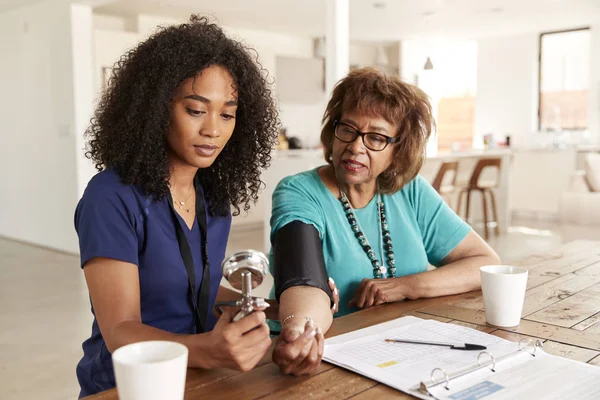
The goal of health and social care is not only to treat illness but also to support quality of life. Professionals in this field work with children, older people, individuals with disabilities, those with chronic illnesses, and people experiencing social challenges.
Understanding why are communication skills important in health and social care is essential, as communication plays a critical role in understanding patient needs, delivering appropriate treatment plans, and providing emotional reassurance. Without strong communication, health and social care systems would struggle to function efficiently.
Communication skills are essential in health and social care for several reasons. Understanding why are communication skills important in health and social care helps highlight their role in delivering safe, effective, and person-centred support.
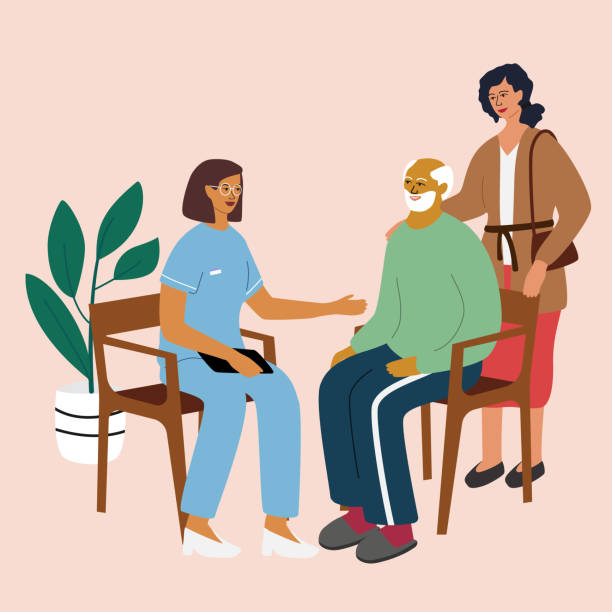
Patients and service users must feel comfortable sharing personal information. Many individuals feel vulnerable when receiving medical treatment or social support. Good communication helps reduce anxiety and creates a safe and supportive environment.
Health and social care workers use verbal communication, body language, and active listening skills to demonstrate empathy and professionalism.
Poor communication can lead to medical errors, incorrect medication administration, or misunderstandings about treatment plans. Clear communication ensures that instructions are understood by patients, carers, and healthcare teams.
For example, health professionals must clearly explain medication usage, possible side effects, and follow-up care instructions.
Many people receiving care experience stress, loneliness, or fear. Effective communication allows professionals to provide emotional support. Listening carefully to patients’ concerns is just as important as providing physical treatment.
Active listening helps professionals understand feelings and respond appropriately.
Health and social care involves collaboration between doctors, nurses, social workers, therapists, and support staff. Effective communication ensures that everyone involved in care planning is well-informed.
Strong team communication reduces duplication of work and improves service efficiency.
Good communication encourages patients to participate in decisions about their own care. This supports dignity, autonomy, and personal empowerment.
Care values are professional standards that guide behaviour in health and social care settings. They ensure that services are delivered respectfully, safely, and ethically. Understanding why are communication skills important in health and social care helps reinforce how these values are applied in everyday practice.

Key care values include:
Respect means treating individuals as unique people with their own preferences, beliefs, and lifestyles. Effective communication helps demonstrate respect through polite language, attentive listening, and acknowledging patients’ choices.
Dignity involves supporting a person’s self-worth and maintaining their privacy. Health and social care workers must communicate sensitively when discussing personal or medical information.
Personal medical and social information must be protected. Professionals should communicate sensitive information only with authorised individuals and in appropriate settings.
Safeguarding involves protecting vulnerable individuals from harm or abuse. Clear and accurate communication is essential for reporting concerns and ensuring that protection procedures are followed.
All individuals should receive equal treatment regardless of their background, beliefs, or abilities.
Diversity refers to the differences between individuals, including culture, religion, language, gender identity, age, disability, and lifestyle.
Understanding diversity is important because health and social care service users come from a wide range of backgrounds and may have different communication preferences. Recognising why are communication skills important in health and social care helps professionals adapt their approach to meet diverse needs effectively.
For example:
Culturally sensitive communication helps to improve patient satisfaction, build trust, and enhance treatment outcomes.
Barriers in health and social care are obstacles that prevent effective communication. Understanding what barriers are in health and social care is crucial for improving service quality and outcomes. Recognising why are communication skills important in health and social care helps professionals identify and overcome these challenges effectively.
Physical barriers include noise, poor room design, or distance between the communicator and the listener.
Examples include:
Language differences can cause misunderstandings between patients and healthcare providers. Using interpreters or translated materials can help to overcome this problem.
Fear, stress, or anger can affect communication clarity. Patients may struggle to express their symptoms clearly when experiencing emotional distress.
Different cultural beliefs may influence how individuals view healthcare and treatment. Professionals must communicate respectfully and avoid making assumptions.
In modern healthcare systems, technology is widely used for communication. However, older people or disadvantaged groups may find it difficult to use digital tools effectively.

Communication in health and social care can be divided into several types. Understanding why are communication skills important in health and social care helps professionals use each type effectively in different situations.
Verbal communication includes spoken and written language. Professionals must speak clearly and avoid using medical jargon when communicating with patients, ensuring that information is easy to understand.
Non-verbal communication includes facial expressions, posture, eye contact, and gestures. Positive body language can help patients feel more comfortable and supported.
Written communication includes medical records, care plans, emails, and reports. Accuracy is extremely important to prevent errors and ensure continuity of care.
Modern health services use electronic records, telehealth systems, and messaging platforms. Digital communication improves accessibility; however, it must be used securely to protect patient confidentiality.
Professionals in health and social care must develop a range of communication competencies. Understanding why are communication skills important in health and social care helps highlight the need for these essential skills in delivering effective and person-centred support.
Listening enables professionals to fully understand patients’ needs and concerns. Active listening involves:
Empathy is the ability to understand and share another person’s feelings. It plays a key role in building trust between the patient and the professional.
Medical information must be communicated clearly and in simple language to ensure patient understanding and reduce the risk of confusion.
Professional communication involves:
Patient-centred care focuses on individual patients’ preferences, needs, and values. Understanding why are communication skills important in health and social care is essential to delivering this approach effectively.
Communication supports patient-centred care by:
When patients feel involved in decision-making, adherence to treatment plans often improves.
Communication is especially important in mental health services. Professionals rely on effective communication to build trust and provide appropriate support.
Mental health professionals use communication to:
Listening without judgement is particularly important when supporting mental health service users.
Modern healthcare systems face several communication challenges. Understanding why are communication skills important in health and social care is essential when considering how to overcome these issues effectively.
Busy environments can reduce the time available for effective patient communication.
While technology improves efficiency, over-reliance on it can reduce personal interaction between professionals and service users.
Staff shortages can negatively affect the quality of communication due to time constraints and increased workload.

Healthcare workers must adapt their communication styles to meet the needs of diverse populations and ensure understanding across cultural differences.
Organisations can improve communication quality by implementing the following strategies. Understanding why are communication skills important in health and social care helps ensure these strategies are applied effectively in practice.
Regular communication training helps professionals improve their listening and interpersonal skills, leading to better patient interactions and care outcomes.
Electronic health records improve information sharing between professionals; however, they must be used securely to protect patient confidentiality.
Services should provide translation support and culturally sensitive materials to meet the needs of diverse service users.
Patient feedback is essential for identifying areas of improvement and enhancing the overall quality of care services.
Health and social care professionals must follow legal and ethical guidelines when communicating. Understanding why are communication skills important in health and social care is essential to ensure these responsibilities are met correctly.
These include:
Failing to communicate properly can result in legal consequences and harm to patients.
High-quality communication directly improves care outcomes. Effective communication leads to:
Poor communication can lead to misunderstandings, dissatisfaction, and increased risks to patient safety.
Future healthcare communication trends include:

Remote healthcare consultations are becoming more common, allowing patients to access care more conveniently.
Artificial intelligence (AI) tools help to analyse patient data and support clinical decision-making processes.
Patients can monitor their health conditions and manage treatments using mobile health applications.
Understanding why are communication skills important in health and social care remains essential, even as technology continues to develop. Human communication will always play a vital role in providing compassionate and person-centred care.
Communication skills are fundamental in health and social care environments. Understanding what is health and social care, what are care values in health and social care, what does diversity mean in health and social care, and what is barriers in health and social care helps professionals deliver high-quality services.
Ultimately, why are communication skills important in health and social care comes down to patient safety, emotional wellbeing, effective teamwork, and ethical service delivery.
As healthcare systems continue to evolve, communication will remain at the heart of effective care provision. Professionals must continue developing their communication skills to support diverse populations and meet future healthcare challenges.