Level 3 health and social care qualifications are among the most practical and rewarding pathways for anyone considering a career in the healthcare and social care sector. Whether you aim to work in hospitals, care homes, community care settings, or progress to higher education in nursing or social work, this qualification equips you with a broad range of essential skills and knowledge.
Quick Overview
A Level 3 Health and Social Care qualification equips learners with the practical and theoretical skills needed for a rewarding career in the care sector. You’ll learn why this qualification develops essential abilities, prepares you for real-world care, and supports career progression.
Key Areas Covered:
✅ Effective communication, person-centred care, and safeguarding.
✅ Health and well-being promotion, equality, diversity, and inclusion.
✅ Leadership, critical thinking, reflective practice, and supporting complex needs.
✅ Applying skills in hospitals, care homes, community care, and specialised roles.
✅ Career opportunities and pathways to higher education in nursing, social work, or allied health professions.
In this post, we’ll explore in depth the key skills you’ll develop during a level 3 health and social care course and how these skills apply to real-world care settings.
Before we dive into the skills, it is important to understand what a level 3 health and social care qualification involves. Level 3 is considered an advanced level, equivalent to A-levels in the UK educational system. A level 3 health and social care course is designed for learners who already have a foundational understanding of health and social care (often through Level 2 courses) and who want to build practical skills that prepare them for professional roles.

A typical level 3 health and social care course covers areas such as:
Completing a level 3 health and social care qualification demonstrates to employers that you have both the knowledge and practical capability to contribute effectively in a professional care environment.
A Level 3 Health and Social Care course is designed to provide learners with a wide range of both practical and theoretical skills. These skills are essential for delivering high-quality care in different settings, from hospitals and clinics to residential homes and community care programmes. Below are the key skills you can expect to develop while studying Level 3 Health and Social Care.
Communication is a cornerstone of all care professions. During a Level 3 Health and Social Care course, you will learn:
Good communication skills are essential not only for patient care but also for maintaining clear records and working efficiently within multidisciplinary teams.
Person-centred care is about tailoring support to an individual’s unique needs, preferences, and values. A Level 3 Health and Social Care course strongly emphasises this approach by teaching you to:
Learning person-centred care ensures you can provide compassionate, respectful, and personalised support.
One of the most important aspects of Level 3 Health and Social Care is safeguarding vulnerable individuals. During the course, you will learn how to:

These skills are essential for building trust with clients and ensuring their well-being remains the highest priority.
A Level 3 Health and Social Care course also focuses on promoting the overall health and well-being of service users. This includes learning to:
These skills allow care professionals to actively contribute to improving the quality of life of those they support.
An essential part of studying Level 3 Health and Social Care is understanding how people grow and develop throughout their lives. You will learn about:
This knowledge helps you deliver care that is age-appropriate and sensitive to developmental needs.
Working in care requires respecting and valuing diversity. A Level 3 Health and Social Care course emphasises:
Mastering these skills ensures that every individual receives fair and respectful treatment.
Safety is a critical concern in Level 3 Health and Social Care practice. During the course, you will develop skills to:
Being competent in these areas protects both service users and care professionals.
Accurate documentation is essential for safe and effective care. A Level 3 Health and Social Care course helps you develop administrative skills such as:
Strong administrative skills are vital for accountability and the smooth operation of any care setting.
Care often involves working as part of a multidisciplinary team. Through Level 3 Health and Social Care training, you will learn to:
Strong teamwork skills help improve service quality and workplace efficiency.
Beyond theory, Level 3 Health and Social Care courses place strong emphasis on hands-on care techniques, including:
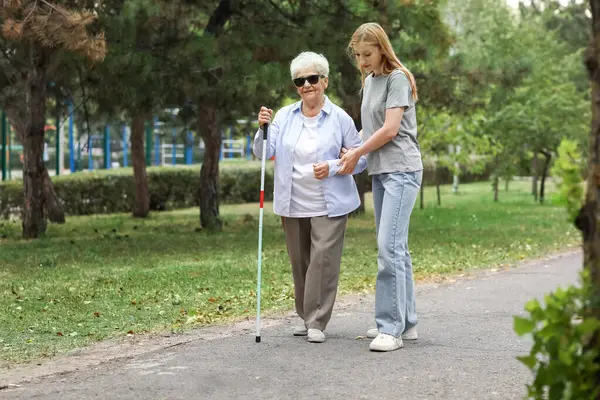
These practical skills ensure you can confidently deliver day-to-day care in a professional setting.
While the foundational skills are essential, a Level 3 Health and Social Care course also develops advanced capabilities that prepare learners for roles with greater responsibility. These skills help individuals progress within the care sector and take on more specialised or supervisory duties.
For those aiming to progress into supervisory roles, Level 3 Health and Social Care courses often cover important leadership skills, including:
Developing leadership skills through Level 3 Health and Social Care training can support career progression and improve team effectiveness in professional care environments.
In Level 3 Health and Social Care, critical thinking is essential for making informed and responsible decisions. Learners develop skills such as:
These abilities help ensure that care professionals provide safe, high-quality, and adaptable support in complex situations.
A Level 3 Health and Social Care course encourages learners to continually improve their professional practice. You will learn how to:
Reflective practice is an important element of Level 3 Health and Social Care, as it supports lifelong learning and helps professionals maintain high standards of care.
Within Level 3 Health and Social Care, learners gain the knowledge required to support individuals with more complex care needs. Some service users may require specialised support due to conditions such as dementia, learning disabilities, or chronic illnesses. Skills developed include:
These skills prepare learners for more demanding roles and demonstrate advanced competence within the care sector.
Professional practice in Level 3 Health and Social Care operates within a clear legal and ethical framework. Students learn about:
Understanding legislation is a vital component of Level 3 Health and Social Care, ensuring that care professionals work in a compliant, ethical, and responsible manner.
Completing a Level 3 Health and Social Care qualification is not just about gaining theoretical knowledge; it is also about applying those skills effectively in real-world care environments. The training provided through Level 3 Health and Social Care prepares learners to work confidently in a variety of professional settings. Here’s how these skills translate into practice.
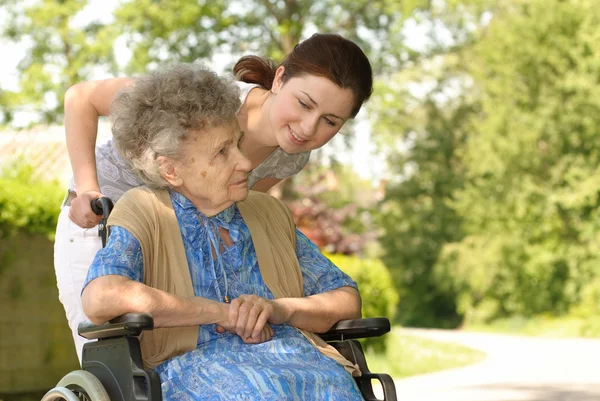
In hospitals and clinical environments, Level 3 Health and Social Care skills are used to support medical teams and improve patient outcomes. Responsibilities may include:
These responsibilities require strong communication, teamwork, and practical care skills developed through Level 3 Health and Social Care training.
In residential care settings, professionals who have completed Level 3 Health and Social Care play a key role in supporting residents’ daily lives. Their responsibilities may include:
These tasks ensure that residents receive consistent, compassionate, and person-centred support.
Many graduates of Level 3 Health and Social Care work in community or home care roles, helping individuals maintain independence while living in their own homes. This may involve:
Community care roles require strong organisational skills and the ability to build trusting relationships with service users.
The knowledge gained from Level 3 Health and Social Care can also lead to more specialised positions within the sector. These may include:
These opportunities demonstrate how Level 3 Health and Social Care can open the door to a wide range of career pathways in the health and social care sector.
Completing a Level 3 Health and Social Care course can open the door to a wide range of career opportunities within the care sector. The knowledge and practical skills gained through Level 3 Health and Social Care training prepare learners for roles that involve supporting individuals, promoting well-being, and delivering high-quality care in various professional settings.

Some common career options after completing Level 3 Health and Social Care include:
These roles allow individuals who have completed Level 3 Health and Social Care to work in hospitals, care homes, community services, and other health and social care environments.
For those who wish to continue their education, Level 3 Health and Social Care can also serve as an important stepping stone towards higher education. Many learners progress to university courses or professional training in areas such as nursing, social work, or other allied health professions.
A Level 3 Health and Social Care qualification is a powerful way to develop both the knowledge and practical skills needed for a rewarding career in the care sector. Through a Level 3 Health and Social Care course, learners gain essential abilities such as effective communication, person-centred care, safeguarding awareness, leadership, and specialised support skills. These competencies help prepare individuals to make a meaningful difference in the lives of those they support.
Whether you aim to work in hospitals, care homes, or community care services, or plan to progress to higher education, Level 3 Health and Social Care provides a strong foundation for professional growth. The qualification equips learners with the practical tools and theoretical understanding required to succeed in a wide range of care roles.
Investing in Level 3 Health and Social Care not only improves employability but also ensures that care professionals can deliver high-quality support, protect vulnerable individuals, and build a fulfilling and meaningful career within the health and social care sector.