How to clean outside windows is a question many homeowners ask, as keeping exterior glass clean can feel like a never-ending task. Rain streaks, dust, grime, bird droppings, and pollution residue can build up quickly — especially if you live near a busy road, industrial area, coastline, or construction site. Over time, this build-up doesn’t just make your home look dull from the outside; it can also block natural light, reduce visibility, and cause your windows to age faster.
Quick Overview
Learning how to clean outside windows properly helps keep your home looking bright while protecting the glass from long-term damage. This guide explains why exterior windows get dirty faster, how rain, dust, and pollution affect them, and the safest ways to clean them without streaks or scratches.
Whether you live in a city flat, suburban home, or coastal property, this guide walks you through:
✅ Understanding what causes outside windows to get dirty
✅ Using the right tools and cleaning methods
✅ Eco-friendly cleaning solutions
✅ How often to clean and common mistakes to avoid
If you’ve ever wondered how to clean outside windows properly — particularly after rain or heavy dust — you’re not alone. Cleaning exterior glass isn’t as simple as wiping it with a cloth. Outdoor windows are exposed to the elements all year round, which means they require the right tools, method, and timing to achieve streak-free, long-lasting results.
This detailed guide will walk you through:
Whether you live in a city apartment, a suburban home, or a rural area, this guide will help you understand how to clean outside windows in a way that is safe, thorough, and efficient.
Before learning how to clean outside windows, it helps to understand what causes them to get dirty in the first place.
Outdoor windows are constantly exposed to:
When these elements combine — particularly after rainfall — they cling to the glass and frames, forming cloudy patches and streaks that don’t wash away on their own.
Rain itself isn’t always the problem. What causes streaking is the residue left behind once the water evaporates. When rainwater mixes with dust already settled on the glass, it leaves visible marks and mineral deposits.
In areas with hard water or higher levels of pollution, this residue can become stubborn and increasingly difficult to remove over time — which is why knowing how to clean outside windows properly is essential.
Dust and pollution particles cling to moisture and bond firmly to the glass surface. When wind blows dry dirt or fine sand against windows, it can also cause micro-scratches — another reason why using the correct method when learning how to clean outside windows really matters.
If you live near:
You may need to clean your outside windows more frequently than average.
Learning how to clean outside windows starts with using the right tools. Using unsuitable materials — such as rough cloths or paper towels — can leave streaks and may even scratch the glass.
Here are the best tools to use:
Optional but useful extras:
For safety reasons — especially for teenagers — avoid climbing to high places or leaning out of windows. If a window is too high to reach safely, it’s best to leave it to an adult or a professional cleaner. Knowing how to clean outside windows safely is just as important as getting them streak-free.
One of the most overlooked aspects of learning how to clean outside windows is knowing when to clean them.
The best times of day are:
Avoid cleaning windows in direct sunlight because:
Cleaning in cooler conditions allows the water and solution to stay on the glass long enough to rinse and wipe properly, helping you achieve a clearer, longer-lasting finish.
Now let’s go through a detailed, practical process for how to clean outside windows thoroughly and safely. This method works well for most home windows, patio doors, and exterior glass panels.

Never start scrubbing dirty outside windows straight away. Rubbing dry dust or grit across the glass can cause scratches.
Instead, begin by:
This helps loosen:
Once the dirt is dampened or rinsed away, the glass is much safer to clean — a key first step in learning how to clean outside windows properly.
A simple solution works best for most exterior windows.
In a bucket or spray bottle, mix:
This combination effectively breaks down:
Avoid harsh chemicals or abrasive cleaners, especially on treated or coated glass. If you notice mineral deposits or limescale stains, you can add a small amount of vinegar — but only after checking the manufacturer’s guidelines.
Dip your mop head, sponge, or microfibre cloth into the solution and wring it out slightly.
Then:
Pay extra attention to stubborn areas such as:
If residue feels stuck, allow the area to soak for a few minutes before wiping again. Never scrape or scratch the glass — this is one of the most important rules when learning how to clean outside windows safely.
Once the glass has been washed, rinse it well with clean water to remove all soap residue.
You can:
Leftover soap can leave a cloudy film, so thorough rinsing is essential for clear results.
A squeegee is one of the most effective tools for achieving spotless windows.
To use it correctly:
This step:
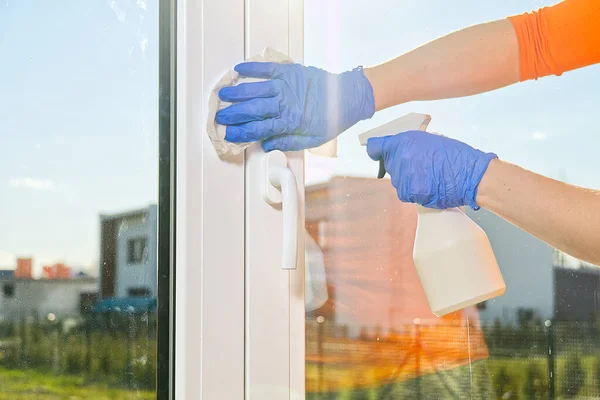
Finish by wiping any remaining moisture from the window edges with a microfibre cloth.
Learning how to clean outside windows isn’t just about the glass — frames and sills are just as important.
Dirty frames can:
To clean them:
This final step helps extend the lifespan of your windows and keeps them looking clean and well maintained.
Learning how to clean outside windows that are on upper floors or part of tall glass panels can be challenging — and potentially unsafe — without the right equipment.
Here are safer alternatives:
Safety should always come first. If a window cannot be reached comfortably from the ground or a secure standing position, avoid attempting risky cleaning methods. Knowing how to clean outside windows safely is just as important as achieving a streak-free finish.
If you live in an urban or industrial area, pollution residue can leave a greasy or grey film on outside windows. Understanding how to clean outside windows after heavy pollution helps prevent long-term staining and dullness.
To remove pollution build-up:
Avoid using solvents unless they are specifically recommended by the window manufacturer. If your windows become cloudy again quickly, it’s better to schedule more frequent light cleanings rather than waiting for heavy build-up to form.
If you prefer natural cleaning options, you can still learn how to clean outside windows effectively without using harsh chemicals.
Popular eco-friendly choices include:
However, keep the following in mind:
Eco-friendly cleaning methods work best when windows are maintained regularly rather than left to build up heavy dirt.
The ideal frequency for cleaning depends largely on your environment. Understanding how to clean outside windows properly also includes knowing when to clean them.
Typical recommendations include:
After storms or periods of heavy dust, a light rinse can help prevent stains from setting. Regular maintenance makes the cleaning process quicker and keeps glass clearer throughout the year.
When learning how to clean outside windows, many people unintentionally make mistakes that can cause streaks or even damage.
Avoid:
Gentle, careful cleaning always delivers the best and safest results.
Once you understand how to clean outside windows properly, you can reduce how often deep cleaning is needed by following a few simple maintenance habits.

Helpful tips include:
Small, regular cleaning routines help prevent stubborn build-up and make future cleaning much easier.
Learning how to clean outside windows isn’t just about making the glass shine — it’s about protecting your windows, improving visibility, and keeping your home looking bright and welcoming.
By:
…you can achieve streak-free, polished outside windows without damaging the glass or frames.
Whether your windows are affected by rain streaks, dust build-up, or pollution residue, the key is consistency and care. With a little regular maintenance, your windows will stay clearer, brighter, and in better condition for years to come.