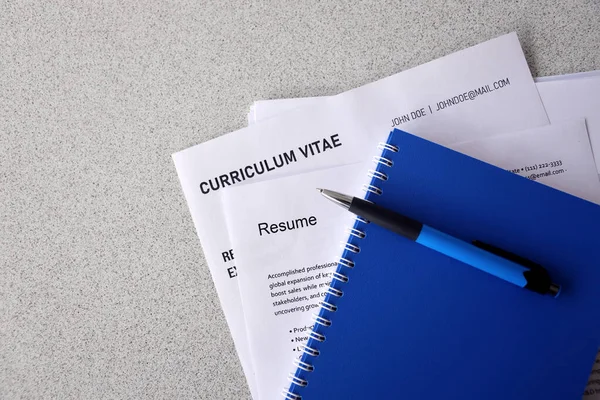
Communication skills CV are increasingly vital in today’s competitive job market, as technical ability alone is no longer enough. Employers across industries repeatedly emphasise one thing when hiring: strong communication. Whether you are applying for your first job, transitioning into a new career, or aiming for a senior role, the way you communicate can be just as important as what you know.
Quick Overview
In today’s competitive job market, a well-crafted communication skills CV is essential. Employers want candidates who can express ideas clearly, collaborate effectively, and adapt their communication style to different situations.
Key Focus Areas:
✅ Highlight verbal, written, interpersonal, listening, digital, customer-focused, and leadership communication skills.
✅ Use specific, role-relevant examples instead of generic phrases like “good communication skills.”
✅ Incorporate strong action verbs such as communicated, collaborated, presented, negotiated, and explained.
✅ Tailor your CV to the job description, mirroring keywords for both recruiter appeal and ATS optimisation.
✅ Integrate communication skills throughout your CV—in the professional summary, work experience, and skills section.
Recruiters often scan CVs in mere seconds. During that brief window, your ability to demonstrate excellent communication can be the difference between securing an interview or being overlooked. This makes optimising the communication section of your CV essential for modern job seekers.
This guide explores the most impactful communication skills to include on a modern CV, explains why employers value them, and shows you how to present them effectively so your CV stands out.
A strong communication skills CV is essential because communication is the backbone of nearly every job role. Even positions traditionally considered “technical” or “independent” rely heavily on clear communication.

A candidate may have excellent qualifications, but if they struggle to explain ideas, collaborate with colleagues, or communicate with clients, their effectiveness is limited. Employers understand this and actively look for evidence of communication ability when reviewing applications.
That is why many job descriptions include phrases such as:
Including the right communication skills on your CV signals that you are capable of working effectively in real-world environments.
Unlike job-specific technical skills, communication skills are transferable across industries and roles. This makes them especially valuable if you are:
A well-written communication skills CV demonstrates adaptability and long-term value to employers.
A strong communication skills CV goes beyond simply listing “good communication skills,” a phrase that is vague and overused. Employers want specific, demonstrable abilities, not generic claims.
Communication skills generally fall into several broad categories:
Understanding these categories helps you tailor your CV more effectively and show employers exactly what you can bring to the role.
A strong communication skills CV should highlight verbal communication—the ability to express ideas effectively through spoken words. This includes clarity, confidence, tone, and the capacity to adapt your message to different audiences.
Being able to communicate ideas clearly without unnecessary complexity is highly valued.
Why it matters:
Clear speakers reduce misunderstandings, save time, and improve teamwork.
How to show it on your CV:
Instead of simply listing “good communication skills,” try:
This makes your communication skills CV more concrete and results-driven.
Many roles require presenting ideas, updates, or proposals to others. Examples include:
Why employers value it:
Confident presenters represent organisations professionally and influence decision-making.
CV-friendly phrasing:
Persuasive communication is the ability to influence opinions or decisions ethically and effectively. It is common in roles such as:
How to include it on a CV:
Including these examples strengthens your communication skills CV by demonstrating tangible impact, not just ability.
Strong written communication is essential in almost every role. Emails, reports, documentation, and messaging platforms all require clear and effective writing. Highlighting these skills can make your communication skills CV stand out.
Email remains one of the most common workplace communication tools.
Key elements of good email communication:
CV examples:
Many roles require structured written materials such as reports, manuals, or documentation.
Why this matters:
Good documentation improves knowledge sharing, compliance, and efficiency.
How to present it on your CV:
Including this skill strengthens your communication skills CV, particularly for corporate and technical roles.
The ability to review and refine written content is often overlooked but highly valuable.
Why employers value this:
CV phrasing:

Showcasing these examples enhances your communication skills CV by demonstrating both precision and professionalism.
Interpersonal communication focuses on how you interact with others in a professional environment. Highlighting these skills effectively can strengthen your communication skills CV.
Almost every role involves teamwork.
Strong team communication includes:
How to include it on your CV:
This is a core element of any strong communication skills CV.
Conflict is unavoidable in workplaces. Employers value individuals who can handle disagreements professionally.
Why it matters:
Good conflict resolution prevents escalation and protects team morale.
CV examples:
Emotional intelligence involves understanding and managing emotions—both your own and others’.
It supports:
How to phrase it professionally on your CV:
Including these interpersonal examples strengthens your communication skills CV by showing employers your ability to collaborate, manage conflict, and connect effectively with others.
Listening is often underestimated, yet it is critical for effective communication. Highlighting listening skills strengthens your communication skills CV.
Active listening means fully concentrating, understanding, and responding appropriately.
Why employers care:
CV-friendly wording:
Including listening skills makes your communication skills CV more balanced and realistic.
Modern communication goes beyond face-to-face interactions. Highlighting digital communication skills can make your communication skills CV more relevant in today’s workplace.
Remote work has made digital communication essential. This includes:
CV examples:
Short-form writing on platforms like Slack or Microsoft Teams requires clarity and professionalism.
Why it matters:
Poor digital communication can lead to confusion or misinterpretation.
How to list it on your CV:
Including these digital communication examples further strengthens your communication skills CV by demonstrating adaptability to modern work environments.
For customer-facing roles, strong communication is especially important. Highlighting these abilities can make your communication skills CV stand out.
Good customer communication involves clarity, empathy, and professionalism.
Employers look for:
CV examples:
Not all communication is easy. Employers value individuals who can manage challenging discussions effectively.
Examples include:
How to include it on your CV:
Including these customer-focused examples enhances your communication skills CV by showing your ability to interact professionally, resolve conflicts, and maintain positive relationships with clients.
For senior or leadership roles, effective communication becomes even more critical. Highlighting these abilities can make your communication skills CV stand out.
Constructive feedback improves performance and morale.
CV examples:
Strategic communication aligns messaging with business goals.
Why it matters:
Leaders must communicate vision, priorities, and strategy clearly.
CV phrasing:
Including leadership and management examples strengthens your communication skills CV, showing that you can guide teams, influence decision-making, and align communication with organisational objectives.
Simply listing skills is not enough—presentation matters. A well-crafted communication skills CV demonstrates your abilities clearly and convincingly.
Instead of writing:
Use specific, role-relevant examples that show measurable or observable impact.
Strong verbs make your communication skills CV more compelling:
Communication skills should appear in multiple sections:
This approach reinforces credibility and shows that communication is a core strength rather than a generic claim.
Every job values communication differently. A tailored communication skills CV ensures your abilities match what employers are seeking.
Identify keywords such as:
Mirror this language naturally in your CV to show alignment with the role.
For example:
Tailoring your communication skills in this way improves both human readability and performance in applicant tracking systems (ATS).
Remember: your CV itself is a communication test. Poor formatting or unclear wording weakens your message.
Here is a strong example of how communication skills can be presented on a communication skills CV:
Communication Skills
This structure is clear, concise, and relevant, making your communication skills CV both compelling and recruiter-friendly.
In today’s competitive job market, communication skills are not optional—they are essential. Employers want candidates who can express ideas clearly, collaborate effectively, and adapt their communication style to different situations.
By moving beyond generic claims and presenting specific, relevant abilities, you create a communication skills CV that reflects real-world competence.
A well-optimised communication skills CV does more than list skills—it tells a story of how you interact, collaborate, and add value in professional environments.
Investing time in refining this section of your CV significantly improves your chances of standing out, securing interviews, and advancing your career.