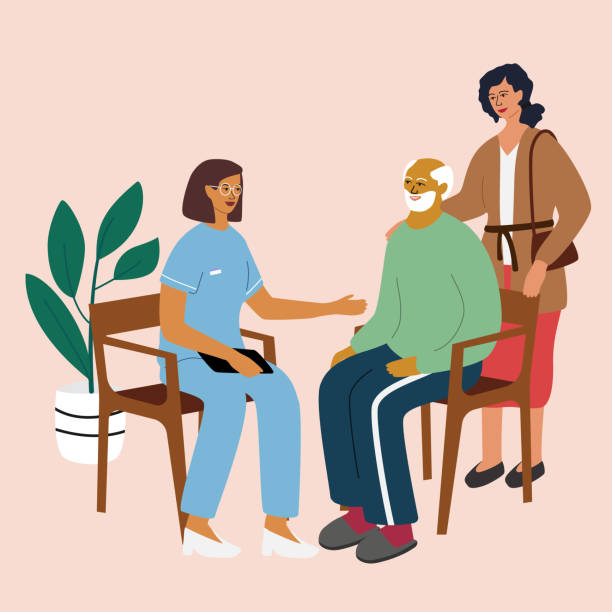


Barriers in health and social care can affect the delivery of services that help people maintain their physical, mental, and social well-being. Health and social care services are provided across hospitals, community centres, residential homes, and in-home care settings. Their primary goal is to support individuals who need assistance due to illness, age, disability, or social disadvantage. Health and social care professionals work collaboratively to improve quality of life, promote independence, and ensure dignity and safety for service users.
Quick Overview
Barriers in health and social care can prevent individuals from accessing services or receiving appropriate support. Understanding and addressing these barriers ensures safe, person-centred, and high-quality care.
Key Areas Covered:
✅ Identifying common barriers such as communication, cultural, physical, financial, emotional, and institutional.
✅ Implementing strategies to overcome barriers, including effective communication, care values, diversity awareness, accessibility, and emotional support.
✅ Using technology like telemedicine, digital records, and online tools to reduce barriers.
✅ Following ethical principles and promoting person-centred care to build trust and improve outcomes.
Modern health and social care systems are built on professionalism, compassion, and ethical responsibility. However, delivering high-quality care is not always straightforward, as various obstacles—known as barriers in health and social care—can interfere with effective service delivery.
Barriers in health and social care are factors that prevent individuals from accessing services, communicating effectively with professionals, or receiving appropriate treatment and support. These barriers can be physical, social, emotional, financial, or cultural.
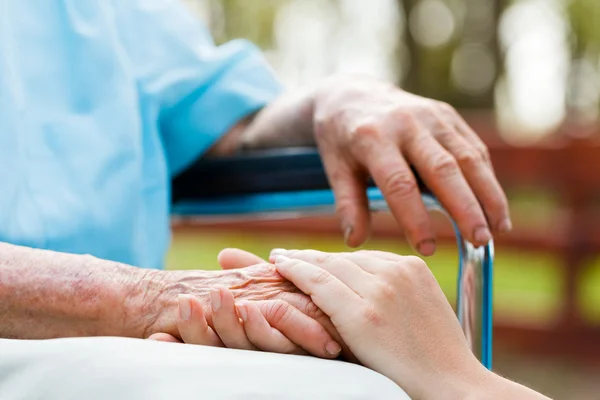
Understanding these barriers is crucial because poor management of obstacles can lead to inequalities in healthcare outcomes. When barriers exist, vulnerable populations may experience reduced access to treatment, lower satisfaction with services, and poorer long-term health outcomes.
Communication barriers arise when service users and healthcare professionals cannot exchange information clearly. This can occur due to:
Communication barriers are especially significant in multicultural environments where service users may not speak the dominant language.
Diversity in health and social care refers to respecting and recognising differences among individuals, including culture, religion, ethnicity, gender identity, age, and lifestyle.
Cultural barriers can occur when care providers lack understanding of:
Promoting diversity awareness helps reduce discrimination and improves patient trust.
Physical barriers relate to environmental and infrastructure challenges. Examples include:
These barriers disproportionately affect individuals with disabilities or mobility challenges.
Financial barriers occur when individuals cannot afford treatment, medication, or transport to healthcare facilities. Even in publicly funded systems, indirect costs, such as time off work, can discourage people from seeking care.
Emotional barriers may include:
Healthcare professionals must build trust and provide emotional reassurance to overcome these barriers.
Institutional barriers occur within organisations and include:
Barriers in health and social care can often arise from poor communication, which is why strong communication skills are essential for professionals. Effective communication allows care providers to deliver safe, person-centred, and high-quality care.
Good communication supports:

Active listening involves fully focusing on the speaker, understanding their message, and responding appropriately. This helps service users feel valued and respected.
Non-verbal communication includes:
These cues can sometimes communicate more than spoken words, especially when interacting with patients who have speech or hearing difficulties.
Healthcare professionals should avoid medical jargon when communicating with patients who may not have medical knowledge, ensuring understanding and reducing barriers in health and social care.
Empathy allows care providers to understand patients’ emotions and experiences. It builds trust, encourages honest communication, and helps overcome emotional and psychological barriers in health and social care.
Barriers in health and social care can sometimes prevent service users from receiving the quality of care they need, which is why understanding and applying core care values is essential. Care values are ethical principles that guide professional behaviour in health and social care settings, ensuring that service users receive respectful, safe, and high-quality care.
Each service user is unique. Care providers must respect personal preferences, beliefs, and lifestyle choices.
Personal information must be protected. Maintaining confidentiality helps build trust between service users and healthcare professionals and reduces barriers in health and social care related to fear of disclosure.
Maintaining dignity means treating individuals with kindness and protecting their self-respect, especially during personal care tasks.
Supporting independence encourages service users to maintain control over their own lives whenever possible.
Safety is a fundamental care value. Healthcare providers must follow procedures to prevent harm and reduce risk.
Providing equal treatment regardless of background helps reduce discrimination and cultural barriers in health and social care, promoting fair access to services for all.
Barriers in health and social care can sometimes arise from a lack of understanding of individual differences, which is why recognising and valuing diversity is essential. Diversity in health and social care involves acknowledging and respecting differences between individuals. This includes:
Promoting diversity improves healthcare quality because it allows care providers to tailor services to individual needs and helps reduce barriers in health and social care related to discrimination or miscommunication.
Healthcare organisations often implement diversity training programmes to help staff understand cultural differences and unconscious bias, further reducing barriers in health and social care.
Barriers in health and social care can affect access, communication, and the overall quality of services. Overcoming these barriers requires a coordinated effort from healthcare organisations, professionals, and policymakers.

Organisations can improve communication by:
Technology can also assist by enabling remote consultations and digital health records, helping to overcome communication barriers in health and social care.
Cultural competence involves understanding and respecting cultural differences. Healthcare professionals can enhance cultural competence by:
Promoting cultural competence helps reduce cultural barriers in health and social care and builds trust with service users.
Improving accessibility can involve:
Accessibility improvements help individuals with disabilities maintain independence and minimise physical barriers in health and social care.
Healthcare systems can reduce financial barriers by:
These measures help ensure that financial constraints do not prevent access to care.
Emotional support strategies include:
Healthcare professionals should approach patients with patience and understanding to overcome emotional and psychological barriers in health and social care.
Continuous professional development helps staff stay updated with:
Regular training improves service quality and helps reduce institutional barriers in health and social care.
Barriers in health and social care can sometimes limit access to services, but technology plays an increasingly important role in overcoming these obstacles. Examples include:
Technology improves access to care, particularly for people living in rural areas or with mobility challenges. However, digital solutions must be designed carefully to avoid creating new barriers for elderly or technologically inexperienced individuals.
Healthcare professionals must follow ethical principles to ensure care is fair, safe, and person-centred. These include:
Adhering to ethical principles helps reduce professional and systemic barriers in health and social care, ensuring that service users receive equitable and respectful treatment.
Barriers in health and social care can often be reduced through person-centred care, which focuses on the individual needs of service users rather than treating patients as statistics. This approach improves health outcomes because:
Person-centred care is closely linked to strong communication skills and adherence to care values, helping to overcome emotional, cultural, and communication barriers in health and social care.
Despite best efforts, challenges remain in overcoming barriers in health and social care:
Many healthcare systems face staffing shortages and budget constraints, which can limit the ability to provide comprehensive care.
Some organisations struggle to adopt new technologies or practices, creating institutional barriers in health and social care.
Unconscious bias or lack of cultural awareness can influence service delivery, leading to cultural barriers in health and social care.
High patient volumes can reduce the time available for effective communication, making it harder to address communication barriers in health and social care.
Barriers in health and social care are expected to evolve as the sector adopts new technologies and practices. The future of health and social care is likely to include:

These developments can help reduce barriers in health and social care but also require careful ethical oversight to ensure equitable access and patient safety.
Understanding how to overcome barriers in health and social care is essential for providing high-quality services. Barriers can exist in communication, culture, finance, emotions, and physical environments. By improving communication skills, promoting diversity awareness, and following strong care values, healthcare professionals can significantly improve patient outcomes.
Health and social care is a system designed to protect and improve the well-being of individuals and communities. Effective care depends on empathy, professionalism, and ethical responsibility.
Barriers in health and social care are obstacles that prevent individuals from accessing or receiving appropriate healthcare services.
Communication skills are important in health and social care because they ensure safety, build trust, and support accurate treatment.
Diversity in health and social care means recognising and respecting differences between individuals to provide fair and inclusive services.
By proactively addressing barriers in health and social care, systems can move toward a more inclusive, effective, and compassionate future.