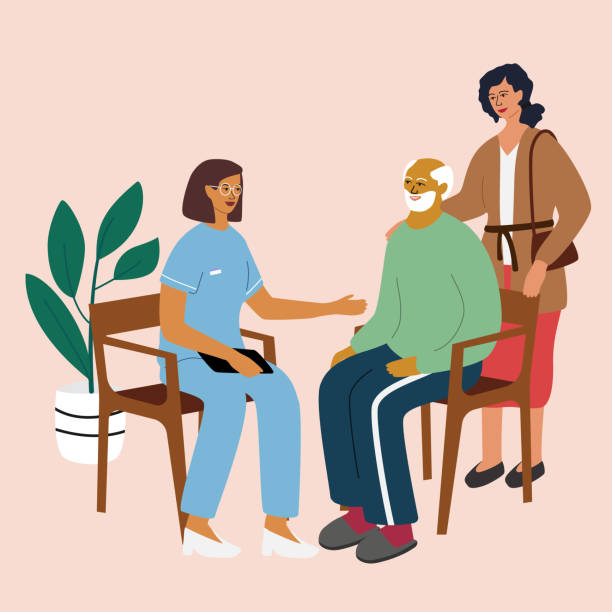


What are Barriers in Health and Social Care? Health and social care refers to services designed to support individuals with physical, mental, emotional, and social needs. It includes healthcare services, community care, residential support, mental health support, and assistance for vulnerable populations such as the elderly, disabled individuals, and people with long-term medical conditions.
Quick Overview
If you’re interested in health and social care, it’s important to understand the barriers, care values, and strategies to provide effective support. Health and social care involves supporting individuals with physical, mental, emotional, and social needs across healthcare, community care, and residential services.
Whether you’re a student, aspiring professional, or caregiver, this guide covers:
✅ What barriers in health and social care are and how they affect patients and service users.
✅ Key care values, including respect, compassion, independence, equality, and safeguarding.
✅ The importance of communication skills, diversity awareness, and culturally sensitive care.
✅ Strategies to overcome barriers through staff training, technology, patient education, policy development, and person-centred care.
The goal of health and social care systems is to promote wellbeing, maintain independence, improve quality of life, and ensure equal access to essential services. Professionals working in this field must uphold ethical standards, follow professional guidelines, and apply person-centered care approaches.
However, in real-world environments, there are many obstacles that prevent effective care delivery. These obstacles are called barriers in health and social care.
Barriers in health and social care are any factors that prevent individuals from accessing services, communicating effectively with healthcare providers, or receiving appropriate treatment and support. These barriers can affect patients, service users, caregivers, and healthcare professionals. They may be physical, social, psychological, economic, or cultural in nature.

Barriers are problematic because they can lead to:
Understanding what are barriers in health and social care is important for improving healthcare systems and ensuring that care values are upheld.
Before exploring barriers further, it is important to understand what are care values in health and social care settings. Care values are ethical principles that guide how professionals treat service users. These values ensure dignity, respect, and quality service delivery.
Respect means treating individuals as unique human beings rather than as medical cases. Dignity involves protecting a person’s self-worth and privacy.
Compassion means showing empathy and understanding towards people experiencing illness, disability, or emotional distress.
Supporting independence helps individuals maintain control over their lives and make their own decisions whenever possible.
Everyone should have equal access to healthcare regardless of age, gender, ethnicity, or disability.
Healthcare professionals must protect vulnerable individuals from abuse, neglect, and harm.
Care values are closely linked to overcoming barriers. Understanding what are barriers in health and social care helps professionals apply these values effectively, creating environments where service users feel safe, respected, and supported.
Understanding what are barriers in health and social care highlights why effective communication is essential for overcoming obstacles and ensuring quality care. Communication skills are vital because healthcare relies on understanding patient needs, providing emotional support, and delivering accurate medical information. Strong communication improves patient outcomes and builds trust between professionals and service users.
Healthcare professionals must gather accurate medical histories, symptoms, and lifestyle information. Poor communication can lead to misdiagnosis or incorrect treatment, which is one of the main barriers in health and social care.
Many patients experience anxiety, fear, or depression when dealing with health conditions. Good communication provides reassurance and emotional stability, helping to overcome psychological barriers in health and social care.
Patients who understand their treatment plans are more likely to follow medical advice, reducing one of the common barriers in health and social care related to engagement and compliance.
Clear communication reduces misunderstandings between staff, patients, and families, addressing social and relational barriers in health and social care.
Communication is also linked to diversity awareness, as different cultural groups may have distinct communication styles. Recognising and adapting to these differences helps remove barriers in health and social care and ensures that all patients receive safe and effective support.

What does diversity mean in health and social care? Diversity refers to recognising, respecting, and valuing differences between individuals. These differences may include:
Diversity is important because healthcare services must meet the needs of a wide range of populations. Promoting diversity helps reduce discrimination and improves patient satisfaction. Health and social care workers must provide culturally sensitive care and avoid biased treatment. Understanding what are barriers in health and social care is essential to ensure that diversity is respected and that all service users receive fair and appropriate care.
There are many different types of barriers that affect service delivery. The main categories include:
Each type is discussed below in detail to highlight what are barriers in health and social care and how they can impact patient care and service delivery.
Physical barriers refer to environmental obstacles that prevent access to healthcare services. Understanding what are barriers in health and social care helps identify these obstacles and find solutions to ensure inclusivity.
For example, a person with mobility difficulties may struggle to visit clinics if there are no ramps or lifts available.
Physical accessibility is a major part of creating inclusive healthcare systems.
Communication barriers occur when information cannot be shared effectively. Recognising what are barriers in health and social care includes understanding these communication challenges.
For example, using complex medical terminology with patients may cause confusion and prevent them from understanding their care.
Good communication directly supports patient safety and care quality and helps overcome significant barriers in health and social care.
Cultural and language barriers are closely linked to diversity. Understanding what are barriers in health and social care helps professionals recognise how cultural differences can affect access to and delivery of care. People from different cultures may have varying beliefs about healthcare, illness, and treatment methods.
Healthcare professionals must provide culturally competent care by respecting patient beliefs and preferences to overcome these barriers.
Psychological barriers relate to emotional and mental health factors and are another key aspect of what are barriers in health and social care.

Patients experiencing psychological barriers may avoid seeking treatment. Healthcare professionals can help by providing reassurance, counselling support, and patient education.
Socioeconomic factors can strongly influence healthcare access. Recognising what are barriers in health and social care includes understanding these social and economic challenges.
People living in poverty may delay treatment because of financial concerns. Governments and healthcare organisations often implement subsidised healthcare programs to reduce these inequalities.
Organisational barriers occur within healthcare systems themselves and are another important aspect of what are barriers in health and social care.
These barriers can reduce service efficiency and patient satisfaction. Improving healthcare administration and workforce planning can help reduce organisational problems and improve patient care.
Attitudinal barriers relate to personal beliefs and behaviours. Recognising what are barriers in health and social care includes understanding how staff attitudes can impact service delivery.
For example, healthcare staff must avoid making assumptions about patients based on appearance or background. Training programmes can help promote professional behaviour and ethical care.
Barriers in health and social care can have serious consequences for patients and service users.
Addressing what are barriers in health and social care is essential for improving public health outcomes and ensuring that all individuals receive safe, equitable, and effective care.
Understanding what are barriers in health and social care is the first step to implementing effective strategies to reduce them. Healthcare systems can adopt several approaches to improve access, communication, and patient outcomes.
Training programmes improve communication skills, cultural awareness, and understanding of patient needs, helping to overcome many common barriers.
Technology can help overcome barriers through:
Educating patients about their health conditions improves engagement, understanding, and adherence to treatment plans.
Governments can introduce policies that promote equality, accessibility, and the reduction of systemic barriers in healthcare.
Person-centred care focuses on the individual needs of each patient rather than applying generalized treatment methods, helping to remove barriers related to personal preferences and cultural differences.
Communication skills play a central role in reducing healthcare barriers. Understanding what are barriers in health and social care highlights why effective communication is essential for improving patient care.
Good communication allows healthcare workers to:
Active listening is one of the most important communication techniques in healthcare, as it helps identify and address barriers that may prevent patients from receiving appropriate care.
Diversity awareness improves service quality because it ensures that healthcare is inclusive. Recognising what are barriers in health and social care includes understanding how cultural differences can affect patient access and engagement.

Healthcare professionals should:
Inclusive healthcare improves patient satisfaction, outcomes, and helps to overcome barriers related to culture, communication, and social factors.
Health and social care professionals must follow laws and ethical guidelines. Understanding what are barriers in health and social care includes recognising how legal and ethical standards protect patients and reduce obstacles to care.
Important legal frameworks focus on:
Ethical practice ensures fairness, professional responsibility, and the delivery of safe, high-quality care.
Healthcare systems continue to face challenges such as:
Technology and innovation will play an important role in addressing these challenges and in overcoming barriers in health and social care.
Understanding what are barriers in health and social care is essential for improving healthcare quality and accessibility. Barriers can be physical, psychological, cultural, social, economic, or organisational.
Supporting care values in health and social care ensures dignity, respect, and ethical treatment. Developing strong communication skills helps healthcare workers build trust and deliver accurate care. Promoting diversity ensures equal treatment for all individuals, regardless of background.
By addressing barriers through staff training, policy development, technology, and person-centred care, healthcare systems can provide better services and improve the quality of life for service users.