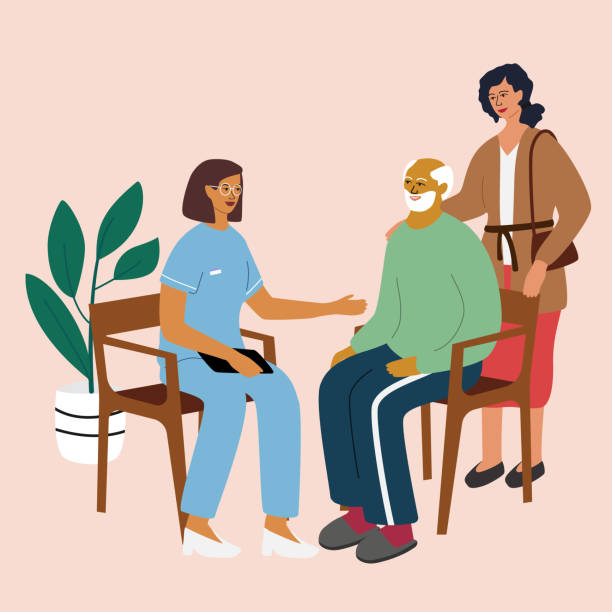


What is health and social care? Health and social care is a broad and essential field that affects almost everyone at some point in their life. Whether visiting a doctor, receiving support from a caregiver, or accessing community services, health and social care systems exist to help people maintain physical health, mental wellbeing, and social independence.
Quick Overview
Health and social care is a vital sector that helps people maintain physical health, mental wellbeing, and social independence. It combines medical treatment, community support, and social services to improve quality of life. This guide explains key concepts, roles, and skills in the sector.
Topics Covered:
✅ Understanding what is health and social care and its two main components: health care and social care.
✅ Exploring why health and social care is important for ageing populations, chronic conditions, mental health, and vulnerable communities.
✅ Key care values: respect, equality, inclusion, confidentiality, person-centred care, and safeguarding.
✅ Essential skills for professionals: communication, empathy, patience, problem-solving, and organisational skills.
✅ Roles and career paths: medical professionals, social workers, care assistants, therapists, and career opportunities.
In simple terms, health and social care is the combination of services, support systems, and professional practices designed to help individuals live healthy, safe, and independent lives. This can include hospitals, community services, home care support, mental health services, social work, and specialist support for vulnerable populations.
In this guide, we will explore key concepts including care values, communication skills, diversity, and barriers in health and social care. By the end of this article, you will have a solid beginner-level understanding of how this sector works and why it is so important in modern society.
The question what is health and social care can be answered by looking at its two main components:

Health care focuses on physical and mental medical treatment. This includes:
Health care professionals may include doctors, nurses, therapists, and specialists working in clinical or hospital environments.
Social care focuses on helping people live independently and safely in society. This can involve:
Social care is often provided through community services, residential homes, or home-based support workers.
Together, health and social care systems aim to improve quality of life, not just treat illness. Understanding what is health and social care helps us appreciate the range of services and support available to maintain wellbeing and independence throughout life.
Understanding what is health and social care is essential because it highlights why these services are so important in society. Health and social care plays a vital role for several reasons:
As populations live longer, there is greater demand for services that help elderly individuals maintain independence and dignity.
Many people live with long-term health conditions that require continuous monitoring rather than short-term treatment.
Mental health awareness has increased significantly, emphasising the need for accessible support services.
Health and social care systems help protect vulnerable individuals, including children, disabled people, and those experiencing poverty.
By understanding what is health and social care, we can see how these services contribute to wellbeing, safety, and a better quality of life for everyone.
Understanding what is health and social care and the care values within it is essential for anyone working in or studying this field.
Care values are professional principles that guide how workers provide support and treatment to individuals. These values ensure that care is ethical, respectful, and person-centred.
Respect means treating every individual with dignity, regardless of their background, age, gender, or beliefs. This includes:

Confidentiality is extremely important in health and social care. Personal information must be protected and only shared when legally or ethically necessary.
Person-centred care focuses on individual needs rather than a one-size-fits-all approach. This involves:
Safeguarding protects individuals from harm, abuse, or neglect. Care professionals have legal and ethical responsibilities to report any concerns.
By understanding what is health and social care and its key care values, professionals can provide safe, ethical, and effective support that improves the lives of those they serve.
Understanding what is health and social care also involves recognising why are communication skills important in health and social care, as they are central to professional care delivery. Communication is one of the most essential skills in this sector because care workers must interact effectively with patients, families, and other professionals.
Good communication helps build trust between patients and caregivers. When individuals feel heard, they are more likely to share important health information.
Clear communication ensures that medical instructions and care plans are understood correctly.
Poor communication can lead to medication errors, incorrect treatment, or misunderstandings about care procedures.
Many people receiving care feel vulnerable. Kind, clear, and supportive communication can reduce anxiety and promote comfort.
Health and social care professionals often work in teams. Effective communication ensures smooth coordination between doctors, nurses, and social workers.
By understanding what is health and social care and why communication skills are vital, professionals can provide safe, effective, and compassionate support to those in need.
Understanding what is health and social care also involves recognising what does diversity mean in health and social care, which refers to recognising and respecting differences between individuals.
Diversity is important because it helps create fair and effective care services. The benefits of diversity include:

Health and social care professionals must be culturally aware and avoid bias when delivering services, ensuring that everyone receives respectful and equitable care.
Understanding what is health and social care also involves recognising what are barriers in health and social care, as this is essential for improving service quality. Barriers are obstacles that prevent individuals from accessing care or communicating effectively with care providers.
These can occur when:
Physical barriers may include:
Cultural barriers can occur when:
Some people cannot access services because of:
Fear, anxiety, or previous negative experiences can prevent people from seeking help.
By understanding what is health and social care and the barriers that can arise, professionals can work to make services more accessible, inclusive, and effective for everyone.
Understanding what is health and social care includes recognising how professionals address and overcome barriers to ensure everyone receives appropriate support. Health and social care professionals use several strategies:
Avoiding complicated medical jargon improves understanding and helps patients follow instructions correctly.
Language support enables non-native speakers to access services effectively and communicate their needs.
Buildings and services should be designed to support people with disabilities, including wheelchair access, ramps, and clear signage.
Workers can receive training to better understand different cultures and beliefs, helping them provide respectful and inclusive care.
By applying these strategies, professionals can reduce obstacles, improve patient experiences, and ensure equitable care for all.
Understanding what is health and social care also involves recognising the various roles within this sector. Many different job roles exist, each contributing to the wellbeing of individuals in unique ways.
These include doctors, nurses, and specialists who provide clinical treatment and support for physical and mental health needs.
Social workers help protect vulnerable individuals and connect them with the appropriate support services.

Care assistants provide daily support, such as helping with personal care, meals, and mobility.
Therapists support rehabilitation, recovery, and mental health wellbeing through tailored interventions.
By understanding what is health and social care and the roles involved, we can appreciate the teamwork required to deliver comprehensive and effective support to those who need it.
Understanding what is health and social care also helps highlight the wide range of career opportunities available in this sector.
This field offers many career paths, and the benefits of working in health and social care include:
To succeed in this field, professionals need several key skills:
Understanding how others feel is essential for providing emotional support.
Some patients require repeated explanations or longer support times.
Care professionals often need to deal with unexpected situations efficiently and safely.
Managing records, appointments, and care plans requires good organisational abilities.
By understanding what is health and social care and the skills required, individuals can better prepare for a rewarding career in this essential sector.
Understanding what is health and social care also involves recognising the ethical issues that guide professional practice. Ethics play a major role in this field, helping ensure care is safe, fair, and respectful.
Care professionals must balance ethical concerns with legal requirements to provide safe and effective support.
Technology is transforming healthcare delivery, and understanding what is health and social care includes recognising the role of these innovations. Examples of technology in practice include:
While technology improves efficiency and accessibility, it also raises privacy and security concerns that professionals must manage carefully.
Understanding what is health and social care also involves recognising the challenges that this essential sector faces. Despite its importance, health and social care systems encounter several obstacles:

Many countries face shortages of trained care workers, affecting the quality and availability of services.
Public health systems often experience financial pressures, which can limit resources and access to care.
Longer life expectancy increases demand for services, particularly for elderly care and long-term support.
Mental health services are experiencing rising demand, highlighting the need for more specialised professionals and resources.
By understanding what is health and social care and the challenges it faces, policymakers and professionals can work towards solutions that improve access, quality, and sustainability of care services.
The future of what is health and social care is likely to focus on:
There will also be a greater emphasis on equality, diversity, and inclusion, ensuring services meet the needs of all individuals.
In summary, what is health and social care can be described as a system of services that supports people’s physical, mental, and social wellbeing. Understanding what are care values in health and social care, why communication skills are important in health and social care, what does diversity mean in health and social care, and what are barriers in health and social care helps create better-quality services for everyone.
Health and social care is a rewarding and essential sector that continues to evolve as society changes. Professionals working in this field make a significant difference in people’s lives every day