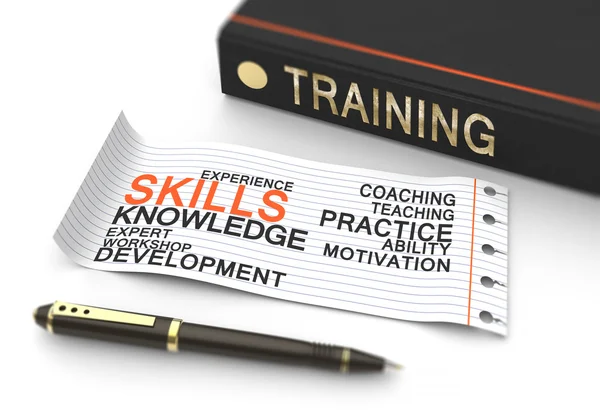
In today’s dynamic work environment, understanding the types of skills and attributes required to succeed is crucial for both job seekers and professionals looking to advance in their careers. Skills and attributes are the backbone of workplace performance—they define how effectively you can perform tasks, interact with colleagues, and adapt to change. This comprehensive guide explores the various types of skills and attributes, how they impact your career, and practical strategies to develop them.
Quick Overview
In today’s workplace, understanding the types of skills and attributes you need is key to career success. This guide explains how skills and attributes impact performance, collaboration, and professional growth, and provides practical strategies to assess, develop, and showcase them.
Whether you’re entering the workforce, changing careers, or aiming for promotion, this guide covers:
✅ Identifying and evaluating your hard skills, soft skills, and workplace attributes.
✅ Strategies to develop skills and attributes through training, practice, and reflection.
✅ Communicating your strengths effectively in CVs, interviews, and professional portfolios.
Before diving into the different categories, it’s essential to distinguish between skills and attributes and understand the types of skills and attributes that contribute to workplace success.
Skills are specific, learned abilities that enable a person to perform tasks efficiently. They can often be measured and developed through training, practice, or experience. Examples include coding, data analysis, project management, and communication skills.
Attributes, on the other hand, are inherent qualities, traits, or behaviours that shape how an individual approaches work. They are often linked to personality and mindset, such as adaptability, leadership, integrity, and resilience.
Understanding both is vital because while skills allow you to perform tasks, attributes determine how you approach work, interact with others, and grow professionally. Together, these types of skills and attributes form the foundation of long-term career success.
In a competitive job market, employers look beyond qualifications and experience. They seek candidates who bring both the right skills and the right attributes to the table. Understanding the types of skills and attributes helps you to:
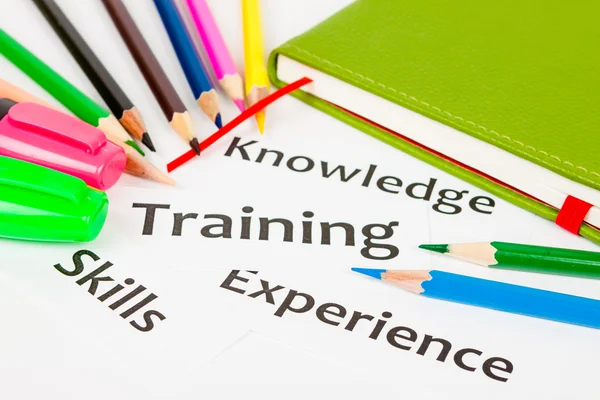
Skills are often classified into two broad categories. Understanding these types of skills and attributes helps individuals and employers recognise what contributes to effective performance in the workplace:
Hard Skills: Technical, teachable abilities that can be measured or tested.
Soft Skills: Interpersonal or emotional abilities that influence how individuals interact, communicate, and collaborate with others.
Hard skills are often the first thing employers look for when hiring. These are job-specific capabilities acquired through education, training, or hands-on experience and represent essential types of skills and attributes required for many roles.
Key takeaway: Hard skills are quantifiable and often serve as the baseline requirement for a role. They are generally easier to teach than personal attributes but require continuous updating to remain relevant.
Soft skills are personal attributes that enhance interactions with others and shape workplace culture. Although they are harder to measure, these types of skills and attributes are equally important as hard skills in professional success.
Key takeaway: Soft skills influence how effectively hard skills are applied and how individuals interact within a professional environment. They are often what distinguishes a good employee from a great one.
While skills can be learned, attributes are more innate qualities or behaviours. However, some attributes can be developed and strengthened over time. Understanding these types of skills and attributes helps explain why individuals with similar abilities may perform differently in the workplace.
Key takeaway: Attributes influence how skills are applied in real-world situations. For example, two employees with identical technical skills may perform very differently depending on attributes such as resilience, initiative, or adaptability. Recognising these types of skills and attributes is essential for long-term workplace success.
Different roles require different combinations of abilities. Understanding the types of skills and attributes associated with each workplace function helps organisations recruit effectively and enables individuals to develop the right capabilities for their careers. Below is a breakdown of types of skills and attributes across key professional areas.
Skills: Strategic planning, budgeting, negotiation, conflict resolution.
Attributes: Visionary thinking, decisiveness, integrity, empathy.
Skills: Programming languages, system administration, cyber security, data analytics.
Attributes: Analytical mindset, problem-solving ability, attention to detail.
Skills: Social media marketing, SEO, CRM tools, market research.
Attributes: Persuasiveness, adaptability, creativity, resilience.
Skills: Medical procedures, patient care, record management.
Attributes: Compassion, patience, attention to detail, emotional intelligence.
Skills: Financial analysis, budgeting, tax regulations, advanced Excel skills.
Attributes: Integrity, analytical thinking, precision, risk awareness.
Skills: Curriculum development, lesson planning, assessment design.
Attributes: Patience, adaptability, communication skills, leadership.
To advance your career effectively, it is important to first evaluate your current capabilities. Understanding your types of skills and attributes allows you to identify strengths and areas for development.
Improving your workplace capabilities requires intentional and consistent effort. Understanding the types of skills and attributes you need to develop allows you to focus on the most effective growth strategies.

Knowing your strengths is not enough—you must be able to communicate them effectively. Clearly presenting your types of skills and attributes helps employers recognise your value.
The workplace is evolving rapidly due to technological advances, globalisation, and cultural shifts. As a result, employers increasingly value specific types of skills and attributes that support adaptability and long-term success, including:

Recognising the types of skills and attributes required for future roles helps individuals build career resilience and achieve sustained professional success.
Understanding the types of skills and attributes in the workplace is no longer optional—it is essential for career success. By identifying personal strengths and areas for development, improving both hard and soft skills, and nurturing key workplace attributes, individuals can enhance their employability, performance, and job satisfaction.
Whether you are entering the workforce, changing careers, or aiming for promotion, focusing on the right types of skills and attributes provides a clear strategic advantage.
Remember: Skills show employers what you can do; attributes reveal who you are. A well-rounded professional combines both to thrive in any workplace.