

How to get your house rewired for free is a question many homeowners ask, and if you have been searching for answers, you are probably already feeling the same frustration many people experience. One website makes it sound easy. Another talks vaguely about grants. Then you find a few pages mentioning councils, energy schemes, or support for vulnerable households, and suddenly nothing feels clear anymore.
Quick Overview
When people search how to get your house rewired for free, they are usually trying to understand whether any real help exists to cover the high cost of electrical rewiring. While there is no single nationwide scheme that guarantees a free full rewire for everyone, support may still be available depending on your situation.
Whether you are a homeowner, tenant, elderly resident, or on a low income, this guide explains:
✅ When local council housing assistance may help with unsafe electrics
✅ How disability or health needs can strengthen your case for support
✅ Why landlords may already be legally responsible for rewiring in rented homes
✅ How broader home repair schemes sometimes cover electrical safety work
✅ Why evidence (like electrician reports) can make a major difference
✅ Common mistakes like trusting vague “free grant” websites or applying too narrowly
The truth is simpler than the internet often makes it seem.
There is no single, standard UK-wide scheme that gives every homeowner a completely free full rewire just because the wiring is old. That is the first thing to understand. But that does not mean help is impossible. In real life, support often comes through specific routes such as local council housing assistance, help for elderly or vulnerable people, disability-related adaptations, landlord repair obligations, or wider home improvement support.
So if your goal is to find out whether you can get your house rewired for free in the UK, the answer is this: sometimes yes, but only in the right circumstances and usually not through one simple national grant with a clear label.
That is why this topic confuses so many people.
A full house rewire is expensive. Even a partial rewire or major electrical upgrade can cost more than many households can comfortably afford. If you are already dealing with rising bills, other repairs, or limited income, the idea of paying thousands of pounds for wiring work can feel impossible.
That is why so many people search for phrases like house rewire grants UK, government grants for rewiring a house, rewiring grants for elderly, or even how to get your house rewired for free. They are not just casually browsing. They are usually dealing with a real problem. Maybe the electrics are unsafe. Maybe the house is old. Maybe the lights trip constantly. Maybe an electrician has already warned that the system is outdated and needs replacing.
In that situation, most people are not looking for a luxury upgrade. They are looking for a way to make their home safe without being pushed into serious financial stress.
The biggest misunderstanding is thinking there must be one obvious programme called something like a house rewiring grant that anyone can apply for online.
That is usually not how it works.
Support for rewiring is often hidden inside broader categories such as essential repairs, home safety improvements, vulnerable household support, adaptations for disability, or local discretionary housing help. In other words, the funding route may exist, but it may not be advertised using the exact words you typed into Google, such as how to get your house rewired for free or government grants for rewiring a house.
This is where many people give up too early.
They search for house rewire grants UK or rewiring grants for elderly, cannot find a neat page that matches the phrase exactly, and assume there is no help at all. But the better question is not “Where is the free rewire grant?” The better question is “What kind of support does someone in my situation qualify for if the wiring in my home is unsafe?”
That shift in thinking makes a huge difference.
Help is usually most realistic for people whose housing problem overlaps with financial need, vulnerability, age, disability, or legal repair rights.
If you are an older homeowner living in an ageing property, your chances may be stronger than you think. The same is true if you have a disability, live on a low income, receive certain benefits, or have health or mobility issues that make unsafe electrics especially serious.
Private tenants are in a different position, but often a stronger one in legal terms. If you rent your home, you may not need to look for a grant at all. In many cases, the landlord may already be responsible for dealing with unsafe electrics.
This is why general phrases like rewiring grants for elderly, house rewire grants UK, or government grants for rewiring a house can be misleading. Whether support exists depends less on the phrase and more on your actual circumstances.
In some situations, yes, you can get help with costs, which is why so many people search for how to get your house rewired for free.
But “free” usually happens in one of a few ways.
Sometimes a local authority or support body helps cover essential repairs because the home is unsafe and the occupier cannot afford the work. Sometimes a vulnerable homeowner gets help through a local housing assistance scheme. Sometimes disability-related support covers electrical changes needed to make a home safe or suitable. And if you are renting, the landlord may be responsible for the cost.

So yes, it is possible for some people to get help through government grants for rewiring a house, but it does not work the same way for everyone.
That is why it is important to understand real support routes rather than searching only for house rewire grants UK and expecting a single official programme.
If you own your home and cannot afford major electrical work, your local council is usually the first place to check when looking into government grants for rewiring a house.
Many people searching how to get your house rewired for free from council do not realise that help is not standard across the UK. Each local authority sets its own rules and funding schemes.
Some councils may offer repair grants for unsafe electrics. Others may provide discretionary loans. Some may only support elderly or disabled residents, which is why rewiring grants for elderly is such a common search term.
Even if direct funding is not available, councils may still refer you to support services or housing assistance programmes that can help with essential repairs.
Because of this, there is no single answer to house rewire grants UK — it depends entirely on your local authority and your circumstances.
Rewiring grants for elderly homeowners are often discussed because older residents are more likely to live in properties with outdated electrics.
Many older people have owned their home for decades. While the property may be mortgage-free, they may not have savings for major repairs like a full rewire.
This is why people often search how to get your house rewired for free when they are older or supporting an elderly relative.
Support may come from local councils, housing assistance programmes, or organisations that help vulnerable residents stay safe at home. In some cases, this support links back to government grants for rewiring a house, especially where electrics pose a safety risk.
Age, health, disability, and income can all influence eligibility. That is why rewiring grants for elderly is one of the most common entry points into this topic.
Searches like house rewire grants UK, government grants for rewiring a house, and how to get your house rewired for free all come from the same problem: the high cost of essential electrical safety work.
A full rewire is expensive, and many households simply cannot afford it. That is why people start looking for support schemes, grants, or council help.
However, the reality is that there is no single nationwide “house rewire grant”. Instead, support is spread across different local and needs-based schemes, which is why understanding how to get your house rewired for free requires looking beyond just one keyword or programme.
If someone in the household has a disability, long-term illness, mobility issue, or other condition that makes the current electrics unsafe or unsuitable, that can significantly strengthen the case for support.
This is important because some people separate the two issues in their mind. They think, “This is a rewiring problem, not a disability problem.” But in reality, the two often overlap.
If poor wiring affects lighting safety, access to switches, safe use of equipment, or the general suitability of the home, then the electrical issue becomes part of a wider housing need. In that kind of case, the route to help may be much stronger than if you frame it as a simple home improvement request.
This is also why searches such as how to get your house rewired for free, government grants for rewiring a house UK, how to get your house rewired for free gov uk, and rewiring a house grant do not always lead people to the best answer. The best support may not be a rewiring-specific scheme at all. It may be a disability-linked housing support route instead.
If you are a tenant, this changes everything.
In many cases, your first question should not be whether there are government grants for rewiring a house. Your first question should be whether the landlord is responsible for fixing the problem.
If the electrics are unsafe, outdated, or failing required safety standards, the landlord may already have a legal duty to deal with it. That means the real solution may be to report the issue formally, request the electrical inspection records, and push for repairs through the proper channel.
This is a major point because many tenants waste time searching how to get your house rewired for free from council or how to get your house rewired for free, when in fact they should be pushing the property owner to act.
So if you are renting and searching how to get your house rewired for free, the honest answer may be that you should not be paying for it in the first place.
There is also another layer to this.
Sometimes people come across broader home improvement or energy-efficiency schemes while searching for rewiring help. That is where terms like roof replacement grants or general home improvement support often start appearing alongside electrical topics.
These schemes do not usually exist to fund a full rewire on their own. However, in some cases, wider improvement projects can open the door to related work, especially where the home is in poor condition or where multiple safety issues overlap.
This does not mean every energy or housing scheme will pay for a rewire. Far from it. But it does mean you should not think too narrowly when searching for how to get your house rewired for free, house rewiring grant, house rewire grants, rewiring grants, or grants for rewiring house. If the property has wider repair or safety issues, that bigger picture can matter.
At this stage, the smartest way to think about free rewiring is this:
You are not searching for one magical nationwide rewire grant. You are trying to find the funding route, repair duty, or housing support path that fits your situation.
That path might come through your council.
It might come through support for an elderly homeowner.
It might come through disability-related housing assistance.
It might come through landlord obligations.
Or it might come through a broader repair route where the wiring issue is treated as part of making the home safe.
Once you understand that, the whole subject stops feeling so confusing or mysterious.
One of the main reasons people fail to get help is that they approach the issue too vaguely. They say the house is old, the wiring seems bad, or they think it probably needs updating. That may all be true, but it is usually not enough on its own.
If you want support with rewiring, you need to present the problem as a real housing safety issue, not just a home improvement wish.
That is why searches like how to get your house rewired for free, house rewiring grant, house rewire grants, rewiring grants, and grants for rewiring house are only the starting point. The next step is evidence and context.
Whether you are speaking to the council, a support service, a landlord, or any organisation that may be able to help, the first thing they need to understand is that the electrical problem is real, significant, and worth acting on.
This is where many people get stuck.
They know something is wrong, but they do not have anything concrete to show it. In your mind, the warning signs may already be obvious. Maybe sockets spark. Maybe the fuse board is outdated. Maybe the lights flicker or circuits trip. Maybe an electrician has already said the wiring is not safe. But unless this is documented properly, your case can still look weak from the outside.
That is why it helps to get written evidence from a qualified electrician where possible. You do not always need a full technical report at the very start, but you do need something more than a general feeling that the house is old.
If a professional has inspected the electrics and confirmed that the system is outdated, unsafe, or likely to require a full or partial rewire, that immediately strengthens your case when applying for how to get your house rewired for free, grants for rewiring a house, or a rewiring grant.
Not every old house automatically needs a full rewire. That is worth stating clearly, because some people hear that their electrics are dated and assume the only solution is a complete replacement.
In practice, the strongest cases for help are usually those where the electrical condition creates a clear safety risk or makes the home unsuitable for the people living there.
For example, your case becomes much stronger if there are repeated electrical faults, damaged fittings, obvious age-related deterioration, unsafe consumer units, exposed wiring, or formal inspection results showing that the electrical installation is unsatisfactory.
It also becomes stronger where the wiring issue overlaps with vulnerability. If an elderly resident is living alone in a house with unsafe electrics, that matters. If a disabled person relies on safe lighting, accessible switches, or reliable power for daily living, that matters too. If children are living in a home with dangerous sockets or unstable wiring, that also carries weight.
The more clearly you can connect the condition of the electrics to safety and everyday practicality, the more seriously your case is likely to be taken when applying for grants to rewire a home, a grant to rewire house, grants for rewiring a house, or a rewiring grant.
Another common mistake is focusing only on the technical side and ignoring the human impact.
You should not just say that the house needs rewiring. You should explain why that matters right now.
Maybe you cannot safely keep delaying the work. Maybe the problem is getting worse. Maybe you have already been told the system is a fire risk. Maybe you are on a low income and simply cannot fund the repair yourself. Maybe an elderly family member is living in conditions that are no longer safe. Maybe the property is rented and the landlord has failed to act despite repeated complaints.
All of that matters.
The goal is to show that this is not just about wanting modern electrics. It is about making the home safe and liveable.
That distinction is extremely important when looking into how to get your house rewired for free, how to get your house rewired for free near me, or even wider options such as a government grant to rewire house.
When you contact the council, the way you frame your request makes a big difference.
A lot of people make the conversation too narrow from the beginning. They ask, “Do you offer free rewiring?” and then stop there. If the answer is no, the conversation often ends immediately.
A much better approach is to explain that you are dealing with unsafe electrics in your home, that you cannot reasonably afford the required work, and that you want to know whether there is any housing repair support, discretionary assistance, safety-based help, or homeowner support route available.
This approach gives them more flexibility to assess your situation properly and connect you with the right scheme.
It also helps them place your case within the types of support they actually manage. Remember, they may not describe help using the same terms you searched online, such as roof replacement grants, british gas rewire cost, or government grant to rewire house. Instead, the support may sit under home repair assistance, private sector housing support, adaptations, or vulnerable homeowner programmes.
So the real skill here is not just asking for a how to get your house rewired for free scheme. It is describing your situation in a way that matches how these systems actually work.
If your age, health, or financial position is part of the problem, you should say so early.
Do not hide it or assume it is obvious.
Support often depends on clearly demonstrating need. If you are retired, on pension income, receiving benefits, dealing with illness, or struggling to manage major repair costs, that can be highly relevant. If you live alone and the condition of the house is becoming difficult to manage, that also matters.
Many people feel embarrassed sharing this sort of information. But when you are asking for housing support, it is not a weakness. It is part of showing why help is justified when looking into how to get your house rewired for free.
A council or support service cannot assess your situation properly if you present it as though it affects everyone equally. You need to show why this particular house, in your particular circumstances, has become a serious issue.
If someone in the household has a disability, make the connection clearly.
Do not assume the person reviewing your case will automatically understand how the electrical condition affects daily life.
Explain it plainly. Maybe the lighting is poor and unsafe. Maybe the switches are badly positioned. Maybe the system is unreliable and that creates extra anxiety or difficulty. Maybe safe access to certain parts of the house depends on proper lighting and working circuits. Maybe medical needs make electrical reliability more important than usual.
This is not about dramatising the situation. It is about explaining the real impact.
Once the electrical issue is shown as part of a wider safety and suitability problem, the case often becomes much stronger than if it is presented as a routine repair request, especially when exploring how to get your house rewired for free.
Tenants need to be strategic too.
If you believe the wiring is unsafe, start keeping everything in writing. Ask for inspection records. Report the issue clearly. Keep copies of emails or messages. If an electrician has already looked at the property, keep that evidence as well.
This matters because if the landlord delays, denies the problem, or tries to shift responsibility, you need a clear paper trail.
A lot of tenants are too informal about this. They mention problems by phone, have casual conversations, or rely on verbal promises. Later, when nothing happens, they have little to prove that the issue was reported properly.
So if you rent, begin treating it seriously from the start. The more organised you are, the stronger your position becomes when dealing with unsafe electrics or exploring how to get your house rewired for free.
Another thing worth mentioning is the number of websites that make this whole subject more confusing than it needs to be.
Once you start searching phrases like government grants for rewiring a house UK or how to get your house rewired for free near me, you will often land on pages that sound official but are actually there to collect your details. Some are simply lead-generation sites. Some push general home improvement services. Others blur together unrelated schemes in a way that makes everything sound easier than it really is.
That does not mean every non-council website is dishonest, but it does mean you need to be careful.
If a page is vague about who actually provides the funding, what the eligibility rules are, or what kind of work is genuinely covered, treat it cautiously. The safest route is always to go back to the council, recognised support services, or trusted advice bodies rather than relying on glossy promises when researching how to get your house rewired for free.
This depends on the route you are taking, but in many cases it helps to have at least some idea of the likely cost.
A written estimate from a qualified electrician can sometimes strengthen your position, especially if it shows the scale of the problem and confirms that the work is not minor.
At the same time, you should be careful not to rush too far ahead. Some support routes may want to inspect the property first or may have rules about approved contractors. You do not want to spend money unnecessarily or start work before you fully understand the process.
The safest approach is usually to ask first what they need. If they say they want quotes, get them. If they want to assess the property before any costing, follow that route instead.
The important thing is not to assume when exploring how to get your house rewired for free.
A strong application usually has a few qualities in common.
It is clear. It explains the electrical problem properly. It shows why the work matters. It provides evidence of need, and it reflects the real circumstances of the household.
What weakens an application is vagueness. If it sounds like a general desire to modernise the home, it is much easier to reject. If it sounds like a serious safety issue affecting someone who cannot reasonably solve the problem alone, it becomes much harder to dismiss.
That is the real difference.
You are not trying to sound dramatic. You are trying to sound grounded, specific, and truthful when looking into how to get your house rewired for free.
This is also worth being honest about.
Even if help is available, it may not happen instantly. There may be forms, waiting periods, inspections, follow-up requests, or referrals to other teams. Some people give up at that stage because they assume delay means rejection.
But delay and rejection are not the same thing.
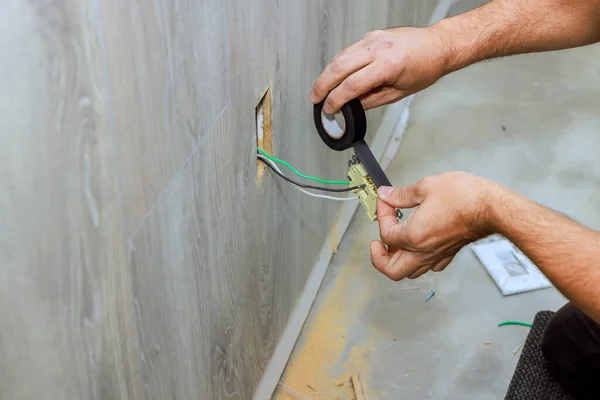
Housing support processes can be frustrating, especially when you are already stressed. Still, if your case is genuine, it is usually worth pushing through that stage properly rather than abandoning it too early.
Older homeowners are often in one of the strongest positions to seek support, especially if they are living in a house that has not had major electrical work done for many years.
This is exactly why so many people search for rewiring grants for elderly. In practice, age alone does not guarantee help, but age combined with vulnerability, low income, poor housing condition, or difficulty managing repairs can make a real difference.
A lot of older homeowners are living in properties that have slowly become harder to maintain. The roof may need work, the heating may be old, the electrics may be outdated, and yet the person living there may have very limited financial flexibility. On paper, they own the property. In reality, they may be struggling to keep it safe.
This is the sort of situation where how to get your house rewired for free becomes a very real concern, and where local housing assistance can become highly relevant.
Some councils have support aimed at helping older residents remain safely in their homes. In some areas, local home improvement services or similar organisations can also help arrange inspections, guide applications, or point people towards practical help. Sometimes the support comes as a grant, sometimes as a loan, and sometimes through a mix of advice, coordination, and financial assistance.
So if you are older and wondering whether house rewiring grant options exist for you, the key point is this: do not focus only on the word “rewiring.” Focus on the fact that you are an older homeowner living with an essential safety issue that you cannot easily fund yourself.
That is the argument that usually carries more weight.
Disability changes the conversation in an important way.
If unsafe or outdated electrics are affecting a disabled person’s ability to live safely and independently in the home, the issue becomes more than a simple repair matter. It becomes a suitability issue.
That is a much stronger position.
For example, poor wiring may affect lighting reliability, the safe use of essential equipment, or easy access to and control of important electrical points in the home. In some cases, the general condition of the electrics may make the property less safe for someone with mobility issues, sensory difficulties, or health-related needs.
When that happens, it is a mistake to describe the situation as merely wanting a modern electrical system. The stronger and more accurate way to frame it is that the current condition of the property is no longer suitable for the person living there.
This is where some people miss opportunities. They search for grants for rewiring a house or how to get your house rewired for free and never realise that the best route might actually be through disability-related housing support rather than a standard repair grant.
So if disability is relevant, make that central to the explanation. Do not leave it as an afterthought.
This is one of the more difficult situations, but it still does not mean there is no hope.
If you are on a low income and dealing with unsafe electrics, you still have a case worth exploring. It may just require more persistence and a broader approach.
In these situations, local authority support is still one of the main places to look. Some people assume that because they are not elderly, not disabled, and not tenants, they are automatically excluded. That is not always true. Councils sometimes take account of financial hardship, serious repair needs, and general housing safety even where the household does not fall neatly into a specific category.
The key is to present the situation in a grounded way. You are not asking for cosmetic work. You are explaining that the electrical condition of the home has become unsafe or unmanageable, and that you do not have the financial means to deal with it privately.
That is often the starting point when people search how to get your house rewired for free, even if the eventual support comes through broader housing assistance rather than a direct rewiring grant.
That may not guarantee funding, but it still gives you a real basis for asking.
For tenants, the whole issue often needs to be approached from a different direction.
If you rent, your first instinct should not be to chase rewiring grants. It should be to work out whether the landlord is already responsible.
This is one of the clearest distinctions in the whole topic.
A lot of private tenants feel they need to solve the problem themselves because they are worried the landlord will ignore them, delay things, or react badly. That anxiety is understandable. But it does not change the basic point that electrical safety in a rented property is not usually something the tenant should be funding out of pocket.
So if you rent and the wiring is unsafe, the first step is to report it clearly and formally. Ask for the relevant inspection information. Describe the issues in writing. Give the landlord a proper opportunity to respond. If nothing meaningful happens, the next step is usually to involve the council rather than start applying for homeowner-style assistance.
In other words, if you are a tenant searching how to get your house rewired for free from council, the council may still be relevant, but often not because it will directly fund the rewire for you. Instead, it may help by ensuring the landlord meets their legal duties.
That distinction is important when understanding how to get your house rewired for free in real-world situations.
Sometimes the wiring is not the only issue.
This is where broader searches like roof replacement grants often start appearing alongside rewiring queries. People dealing with unsafe electrics are often also dealing with damp, roofing issues, old heating systems, or general deterioration.
If that sounds like your situation, it is often a mistake to isolate the wiring problem too narrowly.
The bigger picture matters.
A house with one minor electrical issue is one thing. A house with multiple serious defects affecting safety and habitability is another. When you present the wider condition of the property, it can strengthen the case that support is needed because the home as a whole is becoming unsafe or unsuitable.
That does not mean every repair will be funded together. Sometimes only one part of the problem will be addressed. But the overall condition of the property can still matter when the council or another support body assesses how serious the case is.
So if you are dealing with several urgent repairs, mention them. Do not pretend the wiring exists in isolation if that is not the reality.
This is another area where people often get confused.
Searches like british gas rewire cost usually come from people wondering whether energy companies, trusts, or supplier-backed schemes can help with major home repair costs.
In most cases, you should be careful not to assume too much here.
Some energy-related organisations or charitable support bodies may help with energy debt, hardship, or broader welfare issues. But that is not the same thing as having a dedicated scheme to pay for a full house rewire. People often hear about one type of energy-related support and assume it extends much further than it actually does.
That is why this route is usually secondary rather than primary. It may be worth checking if you are already in financial difficulty or if your home has wider issues connected to energy efficiency and affordability, especially when researching how to get your house rewired for free. But it is usually not the strongest first option for rewiring support.
Your core routes remain the same: local authority support, vulnerability-based housing help, disability-related pathways, or landlord responsibility if you rent.
One of the hardest parts of this whole process is knowing what to ignore.
Once you start searching online, you will find all kinds of pages talking about grants, support, free surveys, home upgrades, and improvement programmes. Some may be useful. Others may have very little to do with what you actually need.
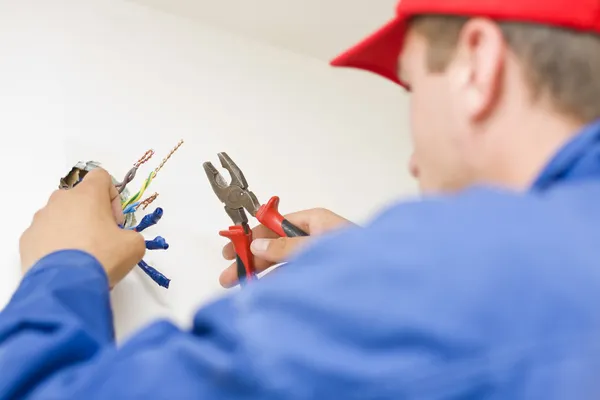
The easiest way to judge relevance is to ask one simple question: does this route deal with essential housing safety, vulnerable households, or the actual condition of the property?
If the answer is yes, it may be relevant.
If the page is really about insulation, general energy switching, solar upgrades, or unrelated consumer offers, it may not be the right path, even if the language sounds promising.
This matters because many people waste time applying for things that were never intended to address a rewiring problem in the first place when researching how to get your house rewired for free.
At this stage, it is worth saying something important.
You may not always get a completely free full rewire. Sometimes the best outcome is partial funding, a low-cost loan, support with essential remedial work, or action that requires the landlord to pay. But that still matters enormously.
People sometimes think in extremes: either the whole job is free, or there is no help at all. In reality, the middle ground can still be very valuable.
If support reduces the cost to something manageable, that may be enough to get the work done. If a landlord is required to act, that solves the issue without you personally funding it. If a council or support service helps with the most dangerous aspects first, that can still make the home safer while you work out the rest.
So while it is right to ask how to get your house rewired for free, it is also worth staying open to any route that gets you meaningfully closer to a safe home.
By this point, the pattern should be clear.
The people most likely to get meaningful help are usually those who can show both need and a strong reason why the issue matters. Unsafe electrics on their own can matter. Unsafe electrics combined with age, disability, low income, tenant rights, or wider housing problems matter even more.
That is why the answer is never just about the wiring itself.
It is about the wiring in context.
The first step is to work out whether the rewiring problem is really yours to fund. If you rent, do not skip this. The landlord may already be responsible, which means your focus should be on formal reporting and enforcement rather than searching for homeowner support or how to get your house rewired for free schemes.
If you own the property, the next step is to gather evidence. This is one of the most important stages in the whole process. If you can show that the electrics are unsafe, unsatisfactory, or genuinely in need of significant work, your position becomes far stronger. Without that, your situation can too easily be treated as a general upgrade request rather than an essential repair matter.
After that, look at your circumstances honestly. Are you elderly? Disabled? On a low income? Caring for someone vulnerable? Living in a property with several serious defects rather than just one? These details are not side notes. They are often the very factors that make support more likely when exploring how to get your house rewired for free.
Then contact the right place. For homeowners, that is usually the local council or a relevant local support service. For tenants, it begins with the landlord and may then move to the council if the landlord fails to act. If disability or health needs are involved, make that part of the explanation from the beginning rather than mentioning it later as an afterthought.
In simple terms, you are building a case, not just asking a question.
One of the biggest mistakes is asking too narrowly. If you only ask whether there is a free rewiring grant, the answer may sound like no, even where meaningful help does exist. That is because support is often described in broader terms such as housing repair assistance, essential safety work, vulnerable household support, or property adaptation.
Another mistake is making the issue sound cosmetic. If your wording makes it sound as though you simply want modern electrics, your chances usually weaken. The stronger and more accurate approach is to explain why the current state of the electrics is unsafe, unsuitable, or no longer manageable.
A third mistake is ignoring the wider picture. If the wiring problem sits inside a home that also has other serious defects, mention that. If the people living there are vulnerable, mention that too. The context matters.
A fourth mistake is trusting every website that uses attractive words like “grant”, “free”, or “support”. Some sites are useful, but others simply create confusion. If a page seems vague about who actually provides the funding, what is covered, or who qualifies, be cautious.
And finally, one major mistake is giving up too early. These processes are not always quick. There may be forms, delays, follow-up questions, or referrals. That does not automatically mean the route is pointless.
It is also worth being honest about what success may actually look like.
In some cases, a genuinely free full rewire may happen because the work is covered by a support route that fits the household’s situation. That can happen, especially where vulnerability, serious need, or legal responsibility is clear.
In other cases, the outcome may be different but still very useful. You may get partial help. You may get a lower-cost route. You may get support for the most urgent electrical work first. Or, if you rent, you may get the landlord pushed into action so that the cost no longer falls on you.
That still counts as progress.
So while people naturally search how to get your house rewired for free, it is wise to stay open to any route that gets the home made safe without leaving you to carry the full burden alone.
If someone asked for the clearest possible answer to this whole topic, it would be this:
There is no simple nationwide scheme that gives every UK homeowner a free full rewire just because they ask for one. But some people can still get major help, and occasionally full help, through local council support, housing assistance for vulnerable households, disability-related routes, or landlord repair duties in rented properties when exploring how to get your house rewired for free.
That is the real answer.
So yes, it may be possible. But no, it usually does not happen through one neat programme with the exact wording you searched for.
Unsafe wiring is not a small issue. It is not something most people can afford to ignore forever. Yet it is also exactly the kind of problem that gets postponed because the cost feels overwhelming.

That is why it matters to understand the system properly.
If you assume there is no help, you may keep living with unsafe electrics longer than you should. If you assume the answer must be a single grant, you may waste time looking in the wrong places. But if you understand that support is often indirect, local, or tied to the wider circumstances of the household, you immediately have a better chance of finding a path that actually works.
In other words, the right knowledge can save you months of confusion when searching how to get your house rewired for free.
If you came into this hoping for a simple yes or no, the honest answer is somewhere in the middle.
No, there is not a universal free rewiring offer for everyone in the UK.
But yes, there are real situations where people can get help, sometimes significant help, and sometimes even get the work done without paying the full cost themselves.
The key is not chasing a perfect phrase like house rewiring grant and hoping the answer appears. The key is understanding your position, gathering proper evidence, and using the route that actually matches your circumstances.
That is what gives you the best chance of turning an expensive and stressful problem into something manageable.
And if that helps you finally move from confusion to action, then you are already in a far better position than when you started.