
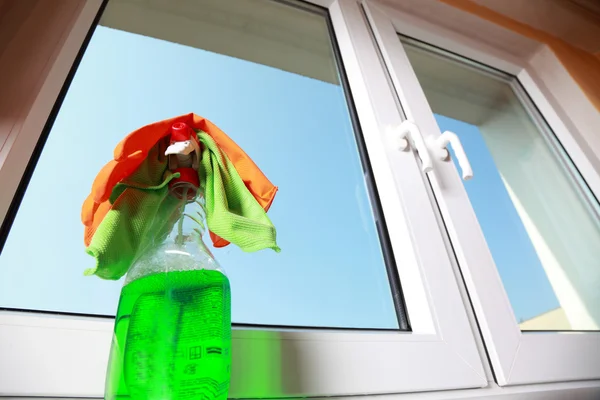
How to clean outside windows effectively is a skill every homeowner should master. If your exterior windows are covered in dust, streaks, rain marks, bird droppings, or grime, you’re not alone. Outside glass is constantly exposed to weather, pollution, and debris — especially if you live in a busy city, a coastal area, or near trees and traffic. Learning how to clean outside windows safely and efficiently not only makes your home look brighter and more welcoming, but it can also improve natural light, visibility, and curb appeal.
Quick Overview
Learning how to clean outside windows safely and effectively is essential for every homeowner. Clean exterior glass improves natural light, enhances your home’s appearance, protects windows, and keeps your home lo
Whether you’re cleaning ground-floor windows or upper-floor exterior glass, this guide walks you through:
✅ Step-by-step techniques for streak-free, safe cleaning
✅ Handling stubborn stains like hard-water marks, bird droppings, and sap
✅ Safety tips for ladders, balconies, and hard-to-reach windows
✅ Common mistakes to avoid for long-lasting results
Cleaning outdoor windows differs from wiping the inside ones. Exterior windows are often harder to reach, dirtier, and more prone to stubborn buildup. Safety is also crucial — particularly when ladders, balconies, or upper-floor windows are involved.
This guide walks you through everything you need to know about cleaning outside windows the right way — safely, efficiently, and with results that actually last. We’ll cover tools, cleaning methods, streak-free techniques, safety tips, eco-friendly options, and common mistakes to avoid.
Whether you’re cleaning ground-floor patio doors or high exterior windows, this guide will help you do it confidently and correctly.
Why Learning How to Clean Outside Windows Matters
Before jumping into the step-by-step process, it’s worth understanding why knowing how to clean outside windows properly makes such a big difference.
Cleaner Windows Improve Natural Light
Dust and grime block sunlight. Even a thin film of dirt can reduce indoor brightness, making rooms feel dull and dim. Learning how to clean outside windows effectively lets more natural light in, which can:
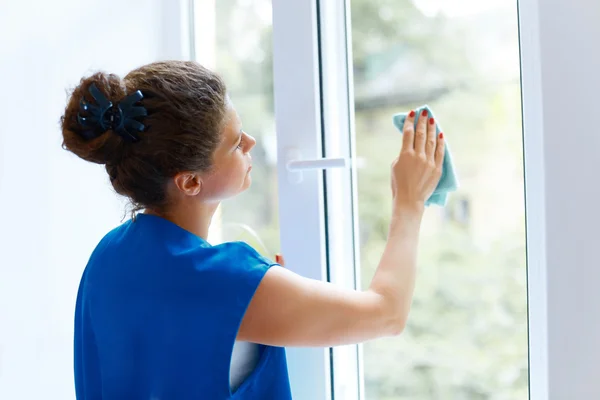
- Make your home look bigger and fresher
- Improve mood and productivity
- Reduce the need for artificial lighting during the day
If you’ve ever cleaned outside windows and noticed your room suddenly feels brighter, that’s exactly why.
It Improves Visibility and Appearance
Knowing how to clean outside windows helps remove:
- Water stains
- Bug splatters
- Bird droppings
- Pollen and dust
- Fingerprints and smudges
- Streaks left from rain or sprinklers
Clean exterior windows make both the inside and outside of your home look well cared for and professional.
It can Extend the Life of your Windows
Dirt doesn’t just sit on glass — it can slowly damage it over time. Wind-blown dust, salt air, pollution, and mineral deposits may:
- Scratch the glass surface
- Stain or etch windows permanently
- Damage window seals
- Lead to mould or corrosion
By learning how to clean outside windows safely, you help protect your windows and frames, saving money on repairs and replacements in the long run.
Safety First: Important Considerations Before Cleaning Outside Windows
Safety is the most important part of learning how to clean outside windows, especially when working at heights or handling tools and cleaning products.
Here are essential precautions to keep in mind.
Avoid risky or hard-to-reach areas
If a window is too high or dangerous to access, don’t risk it. It’s better to leave difficult or upper-floor exterior windows to a trusted adult or professional window cleaner.
Avoid:
- sitting or leaning out of windows
- climbing onto ledges or roofs
- stretching from balconies or ladders
- placing ladders on unstable ground
If you’re unsure whether something is safe — assume it isn’t.
Ask for help for upper-floor windows
If outside windows are above ground level, it’s safer to:
- use a long-reach cleaning tool, or
- ask an adult or a professional to help
Safety should always come before convenience.
Wear appropriate safety gear
When learning how to clean outside windows safely, basic protective gear is helpful, such as:
- non-slip shoes
- protective gloves
- eye protection (if using sprays or chemicals)
Avoid loose clothing that could snag on frames or ladders.
Never mix cleaning chemicals
Mixing cleaners — especially vinegar, ammonia, or bleach — can create harmful fumes. Use one cleaner at a time, and rinse tools before switching products.
Clean when the weather is right
Avoid cleaning outside windows when:
- it’s raining
- glass is extremely hot from direct sunlight
- it’s windy
- temperatures are very hot or very cold
Overheated glass dries too fast and causes streaks, while cold weather can make water freeze or increase slipping risk. Cloudy, mild weather is best when learning how to clean outside windows properly.
Tools and Supplies You’ll Need to Clean Outside Windows
Good tools make a huge difference when learning how to clean outside windows effectively. You don’t need expensive equipment — just a few reliable essentials.
Here’s a useful checklist:
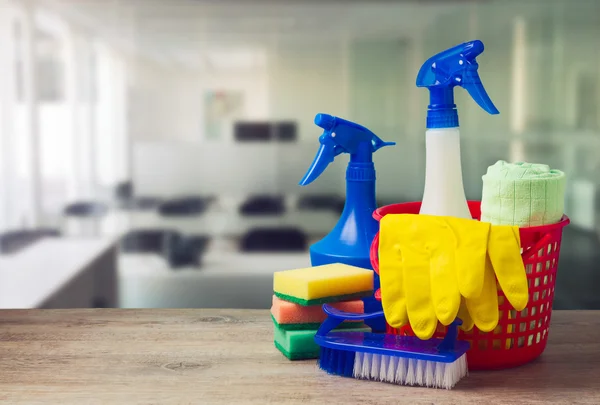
Basic window-cleaning tools
- A bucket
- Microfiber cloths or soft lint-free cloths
- A squeegee
- A soft sponge
- A long-handle brush or extendable pole (optional but helpful)
- A garden hose (for very dirty windows)
Cleaning solution options
You can choose from:
- Store-bought glass cleaner
- Mild dish soap and water
- Vinegar-based cleaning solution
- Eco-friendly plant-based cleaning fluids
We’ll go through mixture options later in this guide.
For stubborn grime or buildup
- A soft-bristle brush
- A plastic scraper (never metal)
- Mineral deposit remover (for hard-water stains — use with caution)
Avoid rough or abrasive materials like steel wool unless specifically designed for glass.
Using the right tools and solutions makes learning how to clean outside windows safer, easier, and more effective.
How to Prepare Your Windows Before Cleaning
Preparing the area is an important step when learning how to clean outside windows safely and effectively. It helps prevent streaks, protects nearby areas, and makes cleaning faster.
Step 1: Remove dust, cobwebs, and loose dirt
Before applying water or cleaner, gently brush away:
- Cobwebs
- Leaves
- Loose dust
- Sand or grit around frames
This prevents scratching the glass when scrubbing.
Use:
- A soft broom
- A hand brush
- An extendable duster for high spots
Step 2: Protect nearby surfaces
If water may drip onto:
- Plants
- Wood decking
- Delicate surfaces
Either move items away or cover them temporarily.
Step 3: Check windows for damage
Before continuing, look for:
- Cracked glass
- Broken seals
- Loose frames
- Damaged screens
If anything seems unsafe or unstable, do not continue cleaning — ask a responsible adult or professional to inspect it first.
Following these steps will make learning how to clean outside windows safer, quicker, and more effective.
The Best Cleaning Solutions for Outside Windows
Learning how to clean outside windows effectively means understanding which cleaning solution works best for different situations.
Here are some safe and effective options:
Option 1: Mild dish soap and water (best all-purpose method)
This is gentle, effective, and safe for most windows.
Mix:
- A few drops of mild dish soap
- In a bucket of lukewarm water

This solution works well for:
- Dirt
- Dust
- Greasy residue
- Everyday grime
It’s ideal if you’re cleaning outside windows for regular maintenance.
Option 2: Vinegar and water solution (great for streak-free cleaning)
Vinegar is excellent for removing mineral films and producing a clear finish.
Mix:
- 1 part white vinegar
- 2 parts water
This solution is useful when learning how to clean outside windows naturally and can help reduce streaks.
Avoid using vinegar on stone surfaces or unpainted wood near windows, as it can cause discoloration.
Option 3: Store-bought glass cleaner
Commercial cleaners work best when:
- Windows are lightly dirty
- You’re finishing with a final polish
- You want a streak-free shine
Follow label instructions and avoid over-spraying.
Option 4: Specialised hard-water stain remover (use sparingly)
Hard-water stains look like cloudy white spots or mineral rings.
Only use a product designed specifically for glass and follow safety directions carefully. If stains are severe, it may be better to consult a professional rather than experimenting with harsh chemicals.
Step-by-Step Guide: How to Clean Outside Windows Safely and Effectively
Now that you’ve gathered tools and cleaning solutions, let’s walk through the full process of how to clean outside windows the right way.
This approach works for most exterior home windows, patio doors, and balcony glass.
Step 1: Rinse the window (if very dirty)
If your windows are heavily covered in dirt, mud, or dust, rinse them gently before scrubbing.
You can use:
- A garden hose
- A bucket of clean water
- A damp sponge
This removes loose debris and prevents scratching when you begin washing.
Avoid spraying with high-pressure water, as it may damage seals or push moisture inside the frame.
Step 2: Wash the glass with your cleaning solution
Dip your sponge or soft cloth into your chosen cleaning solution.
Starting from the top of the window:
- Gently wipe the glass
- Move in circular or up-and-down motions
- Loosen dirt, pollen, and residue
Pay extra attention to:
- Corners
- Edges
- Window sills
Do not rush this step — slow, even cleaning produces a much better finish.
If you’re learning how to clean outside windows on upper floors, use a long-handle tool instead of leaning out or reaching dangerously.
Step 3: Use a squeegee for a streak-free finish
The squeegee is the secret to professional-looking results.
To use it correctly:
- Start at the top corner of the window
- Pull the squeegee across the glass in a straight line
- Wipe the blade with a cloth between each pass
- Continue downward in overlapping rows
This prevents streaks and water marks.
If water drips onto the frame, gently wipe it away with a cloth or microfiber towel.
Step 4: Dry and polish the glass
After squeegeeing, lightly buff any remaining moisture with a dry microfiber cloth.
This helps:
- Remove tiny streaks
- Reduce foggy patches
- Create a clear shine
Avoid using paper towels, as they can leave lint and smudges.
Step 5: Clean the window frame and sill
When learning how to clean outside windows properly, don’t forget the surrounding parts — they collect dirt too.
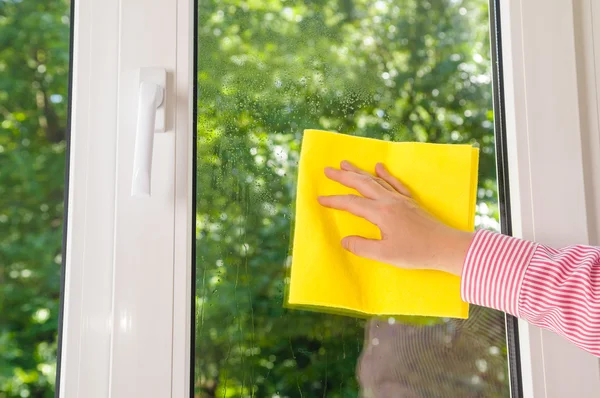
Wipe:
- Frames
- Sills
- Tracks
Use mild soap and water, then dry thoroughly to prevent moisture buildup.
How to Clean Outside Windows You Can’t Easily Reach
Some windows are difficult to access, especially on upper floors or overhangs. Safety must always come first.
Here are safer alternatives when learning how to clean outside windows above ground level.
Use an extendable window-cleaning pole
These tools allow you to:
- Stay on the ground
- Reach tall windows
- Scrub and squeegee safely
Choose one with:
- A soft cleaning head
- A built-in squeegee
- Adjustable length
This is one of the safest methods for high exterior glass.
Consider magnetic window cleaners
Magnetic cleaners attach to both sides of the glass. You move the inside magnet, and the outside one follows.
They can be useful for:
- Balcony windows
- Apartment buildings
- Glass that is difficult to access
However, they require careful handling and work best on thinner glass.
Hire a professional for very high or risky windows
If a window requires:
- Roof access
- Ladder extension
- Climbing or leaning
It is safest to leave the job to trained professionals who have:
- Safety harnesses
- Specialized tools
- Training and experience
Knowing when not to attempt how to clean outside windows yourself is an important part of safety.
How Often Should You Clean Outside Windows?
How frequently you need to clean outside windows depends on your environment.
Here are general recommendations:
Clean windows more often if you live:
- Near a busy road
- In a coastal or salty-air area
- Near trees or heavy pollen
- In a dusty or windy region
In these cases, exterior windows may need cleaning every 1–2 months.
For average environments
Cleaning outside windows:
- 2–4 times per year
is usually enough to keep them clear and well-maintained.
After storms or construction work
Heavy weather or nearby building activity can leave grit and residue behind. It’s helpful to inspect your windows afterward and clean them if needed.
Eco-Friendly Tips for Cleaning Outside Windows
If you prefer learning how to clean outside windows in an environmentally friendly way, here are some helpful practices:
Use reusable microfiber cloths
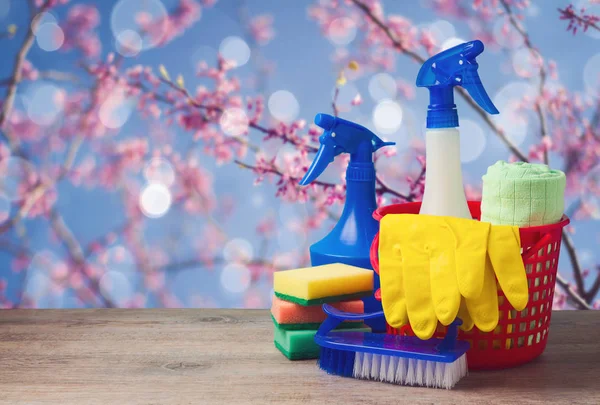
They:
- Reduce waste
- Clean effectively without harsh chemicals
- Trap dust and dirt
Wash and reuse them instead of disposable wipes or towels.
Choose mild, biodegradable cleaners
Simple solutions like:
- Vinegar and water
- Mild dish soap
are gentle on the environment and safe for most window surfaces.
Avoid excessive water use
Rinsing lightly and working efficiently helps conserve water while still producing great cleaning results.
Common Mistakes to Avoid When Cleaning Outside Windows
Even when you know how to clean outside windows, a few small mistakes can lead to streaks, scratches, or safety issues.
Here are things to avoid:
Cleaning in direct sunlight
Sun-heated glass dries too fast and leaves streaks. Choose a cloudy day, or clean early in the morning or late afternoon.
Using abrasive tools
Avoid:
- Rough brushes
- Scouring pads
- Metal scrapers
These can scratch the glass and permanently damage it.
Spraying water near electrical features
Be cautious around:
- Outdoor lights
- Security cameras
- Electrical outlets
Keep them dry and avoid spraying water directly at them.
Ignoring window seals and edges
Excess water left sitting in seals or frames may cause:
- Mold
- Rust
- Wood swelling
Always dry frames after cleaning.
Mixing multiple cleaning chemicals
This can create harmful fumes or reactions. Stick to one cleaner at a time.
Following these tips will help ensure that your efforts at how to clean outside windows are safe, effective, and long-lasting.
How to Deal With Stubborn Stains on Outside Windows
Some outdoor marks don’t wipe away easily. Here’s how to handle common tough stains safely when learning how to clean outside windows:
Hard-water stains
These appear as cloudy white spots or streaks. Use:
- Vinegar solution first
- If needed, a glass-safe mineral remover (very carefully)
Avoid scrubbing aggressively, as this can scratch the glass.
Bird droppings or sap
Soften the area by:
- Soaking a cloth with warm water
- Holding it over the stain for a few minutes
- Wiping gently afterward
Never scrape with sharp objects.
Construction dust or paint specks
Use:
- A soft cloth
- A plastic scraper (very lightly)
If paint or residue is thick, professional help is safer than forcing it.
Following these tips ensures that even tough marks are handled safely while learning how to clean outside windows effectively.
Maintaining Clean Outside Windows for Longer
Once you’ve learned how to clean outside windows effectively, you can keep them looking clear for longer with a few simple maintenance habits.

Trim nearby plants or branches
Leaves, sap, and pollen increase buildup on glass. Keeping bushes trimmed reduces dirt and stains.
Check sprinkler direction
If sprinklers spray onto windows, they can leave mineral deposits. Adjust nozzles to reduce overspray.
Do quick light cleanings between full washes
Occasional quick wipe-downs prevent heavier buildup and make future deep cleaning easier.
Following these tips helps maintain the results of your efforts when learning how to clean outside windows and keeps them looking their best for longer.
Final Thoughts: Mastering How to Clean Outside Windows Safely and Effectively
Learning how to clean outside windows safely and effectively is a valuable skill that helps:
- Improve natural light indoors
- Enhance your home’s appearance
- Protect window glass and frames
- Maintain cleanliness and hygiene
With the right tools, proper safety precautions, and a step-by-step approach, cleaning outdoor windows can be straightforward, satisfying, and highly rewarding.
Remember:
- Never risk your safety for hard-to-reach windows
- Use gentle tools and solutions
- Work slowly and carefully
- Ask for help if something seems unsafe
Clean windows don’t just look great — they help your home feel brighter, fresher, and more welcoming. Learning how to clean outside windows properly ensures long-lasting results and a safer, more efficient cleaning process.