
Certificate in Transport Engineering

- Access
- Lifetime
- Assistance
- Expert Tutor Support
- Flexibility
- Learn Anytime, Anywhere
Overview
Overview
Build a strong foundation in modern transport engineering with this comprehensive Certificate in Transport Engineering. This online course introduces the principles behind the planning, design, operation, and maintenance of transport systems that keep people and goods moving efficiently. From transportation planning and traffic management to transport modes and infrastructure, you’ll gain practical knowledge that applies to both urban and regional transportation networks.
Whether you’re starting a career in civil or transport engineering, working in infrastructure, or simply interested in how transportation systems are developed, this course provides an accessible introduction to the field while helping you understand the engineering concepts that support safe, sustainable, and efficient mobility.
Description
Transportation plays a vital role in economic growth, public safety, and sustainable development. The Certificate in Transport Engineering is designed to help learners understand the core principles used to plan, design, and manage modern transportation systems.
The course begins with an Introduction to Transport Engineering, where you’ll explore the scope of the profession, key engineering concepts, transportation networks, and the role transport engineers play in society.
Next, you’ll study Transportation Planning, learning how travel demand is analysed, transport policies are developed, land use influences mobility, and long-term transport plans are created to improve accessibility and efficiency.
The course then moves into Traffic Engineering, covering traffic flow theory, road safety, traffic control devices, signal systems, intersections, and methods used to reduce congestion while improving road performance.
You’ll also examine Transportation Modes and Systems, comparing road, rail, air, maritime, and public transport systems while understanding how multimodal transportation improves connectivity and logistics.
Finally, you’ll explore Transportation Infrastructure, focusing on the planning, design, construction, maintenance, and management of roads, bridges, pavements, and supporting transport facilities that ensure reliable and safe transportation networks.
By the end of the course, you’ll have a well-rounded understanding of transport engineering fundamentals and the knowledge needed to support further study or entry-level opportunities within the transportation and infrastructure sectors.
Who Is This Course For?
This course is suitable for:
- Beginners interested in transport engineering and infrastructure.
- Aspiring civil and transport engineering professionals.
- Students looking to strengthen their understanding of transportation systems.
- Urban planning and infrastructure enthusiasts.
- Construction and public works professionals seeking transport knowledge.
- Government and municipal employees involved in transportation projects.
- Logistics and transport management professionals wanting engineering insight.
- Anyone interested in sustainable transportation and traffic management.
Requirements
There are no formal entry requirements for this course.
Learners simply need:
- A device with internet access.
- A willingness to learn.
- Basic English reading and comprehension skills.
No previous engineering experience is required, making this course suitable for both beginners and professionals looking to broaden their knowledge.
Career Path
Completing this course can support progression into roles such as:
- Transport Engineering Assistant
- Traffic Engineering Assistant
- Transportation Planner
- Infrastructure Project Coordinator
- Civil Engineering Support Officer
- Highway Maintenance Coordinator
- Road Safety Officer
- Public Transport Planning Assistant
- Logistics Infrastructure Coordinator
- Urban Transport Support Officer
This course provides foundational knowledge and supports professional development. Additional education, practical training, or licensing may be required for certain engineering roles.
Frequently Asked Questions (FAQ)
1. What is transport engineering?
Transport engineering focuses on planning, designing, operating, and maintaining transportation systems that allow people and goods to move safely and efficiently.
2. Do I need engineering experience to enrol?
No. This course is designed for beginners as well as professionals who want to build or refresh their transport engineering knowledge.
3. What topics are covered?
The course covers transport engineering fundamentals, transportation planning, traffic engineering, transport modes and systems, and transportation infrastructure.
4. Is this course completed online?
Yes. The course is fully online, allowing you to study at your own pace from anywhere with an internet connection.
5. Will I learn about traffic management?
Yes. You’ll explore traffic flow, road safety, traffic control devices, intersections, and methods used to improve traffic efficiency.
6. Does the course explain different transport systems?
Yes. It examines road, rail, air, maritime, public transport, and multimodal transportation systems and their applications.
7. Will I study transportation infrastructure?
Yes. The course covers the planning, construction, maintenance, and management of roads, bridges, pavements, and transport facilities.
8. Is this course suitable for civil engineering students?
Yes. It provides valuable foundational knowledge that complements civil engineering, urban planning, and infrastructure studies.
9. Will I receive a certificate after completion?
Yes. You’ll receive a certificate after successfully completing the course according to the provider’s requirements.
10. Can this course help my career?
Yes. It develops practical knowledge of transport engineering that can support careers in infrastructure, transportation, logistics, planning, and related sectors.
Curriculum
- Introduction to Transport Engineering.
- Transportation Planning.
- Traffic Engineering.
- Transportation Modes and Systems.
- Transportation Infrastructure.
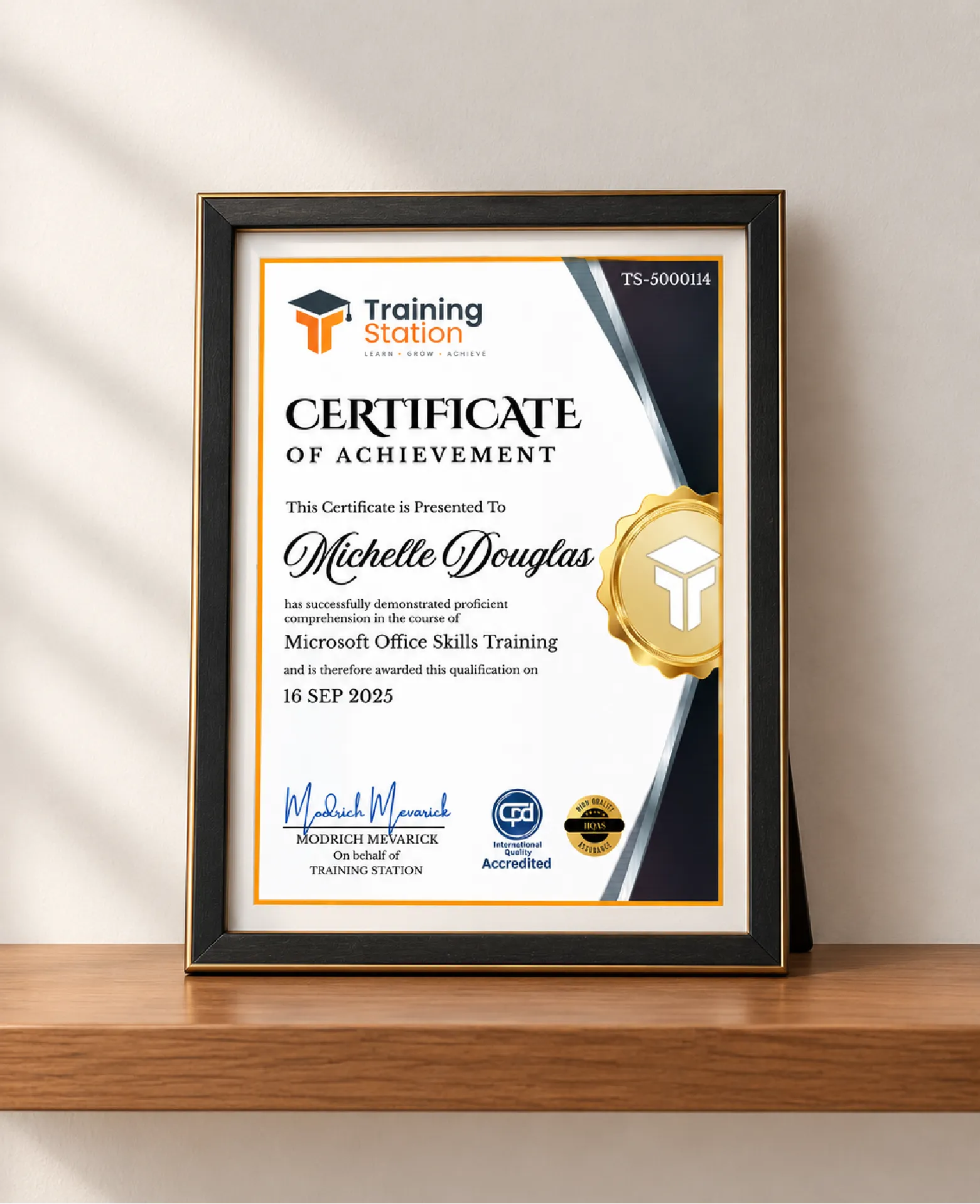
Celebrate your achievement with a CPD-IQ accredited certificate from Training Station! Perfect for showcasing your skills, boosting your career, and enhancing your professional profile.
Get this CourseOur Courses Accreditation



Frequently Asked Questions
Fully online through PDF materials and video lessons. Learn anytime, anywhere.
Self-paced: complete it in a week or spread it over months.
No. The course is beginner-friendly.
Yes. Instructor support is available Monday to Friday.
Yes. We offer a 14-day money-back guarantee.
 Access all courses for Only £99