
AI for Software Engineering Training Course – UK

- Access
- Lifetime
- Assistance
- Expert Tutor Support
- Flexibility
- Learn Anytime, Anywhere
Overview
🤖 Ready to Build a Career in AI & Software Engineering in the UK but Don’t Know Where to Start?
No AI experience? New to software engineering and machine learning technologies? Discover how to develop essential AI and software engineering knowledge, understand how artificial intelligence supports modern software development, and build a strong foundation for exciting career opportunities in the UK’s technology industry!
✅ Master AI & Software Engineering Fundamentals — Learn essential artificial intelligence principles, AI programming foundations, and how AI technologies support different stages of the software engineering lifecycle.
✅ Develop Machine Learning & Neural Network Knowledge — Explore machine learning, deep learning, neural networks, and natural language processing concepts used in AI-powered software applications.
✅ Build AI Software Testing & Development Knowledge — Understand AI applications in software testing, technical design, software architecture, quality assurance, responsible AI, and AI DevOps practices.
✅ Explore Career Opportunities — Build industry-relevant knowledge to support your journey toward AI-assisted software development, software testing, quality assurance, and AI-related technology support roles across software companies, IT organisations, and technology businesses.
Course Overview
Explore the relationship between artificial intelligence and software engineering with this AI for Software Engineering Training Course – UK. The programme introduces the technical foundations of AI development and examines how AI technologies relate to software testing, system design and deployment.
Throughout the course, you will study programming foundations for AI development, machine learning, deep learning and neural networks. The curriculum also explores natural language processing and how AI concepts connect with different areas of software engineering.
Further topics include AI applications in software testing and quality assurance, AI-based software architecture and design, and AI DevOps and production deployment. The programme also examines responsible AI principles, UK legal considerations and advanced industry practices associated with AI systems.
Designed for learners interested in artificial intelligence and software development, this course provides an overview of the concepts, processes and considerations involved in developing and applying AI technologies within the software lifecycle.
Key Curriculum Topics
-
Programming Foundations for AI Development: Explore programming concepts relevant to AI applications.
-
Machine Learning, Deep Learning and Neural Networks: Understand key AI approaches and their underlying principles.
-
AI for Software Testing and Quality Assurance: Examine how AI technologies can relate to software testing and quality processes.
-
Natural Language Processing: Explore how AI systems process and work with human language.
-
AI-Based Software Architecture and Design: Understand considerations involved in designing software systems that incorporate AI.
-
Responsible AI and UK Legal Considerations: Examine responsible AI principles and relevant legal considerations.
-
AI DevOps and Production Deployment: Explore processes and considerations associated with deploying AI applications.
-
Advanced Industry Practice: Examine broader professional considerations involved in applying AI within software engineering.
Course Curriculum
Module 1: Introduction to Artificial Intelligence in UK Software Engineering
This module introduces artificial intelligence within the context of UK software engineering, establishing the foundation for understanding how AI relates to software development and engineering practices.
Main learning topics:
- Artificial intelligence
- UK software engineering
- AI in software engineering
- Software engineering applications of AI
Module 2: Programming Foundations for AI Development
This module focuses on the programming foundations required for AI development, providing an introduction to programming concepts in the context of artificial intelligence.
Main learning topics:
- Programming foundations
- AI development
- Programming for artificial intelligence
- AI programming concepts
Module 3: Machine Learning for Software Engineers
This module explores machine learning from a software engineering perspective, introducing learners to a key area of AI development and its relevance to software engineers.
Main learning topics:
- Machine learning
- Machine learning for software engineers
- AI development
- Software engineering applications
Module 4: Deep Learning and Neural Networks
This module introduces deep learning and neural networks as important areas within artificial intelligence, extending the course from machine learning into more advanced AI concepts.
Main learning topics:
- Deep learning
- Neural networks
- Artificial intelligence
- AI development concepts
Module 5: AI for Software Testing and Quality Assurance
This module examines the use of AI in software testing and quality assurance, connecting artificial intelligence with software quality processes.
Main learning topics:
- AI for software testing
- Software testing
- Quality assurance
- AI applications in testing
Module 6: Natural Language Processing in Software Engineering
This module explores natural language processing within software engineering, introducing learners to an important AI area and its relationship with software development.
Main learning topics:
- Natural language processing
- NLP in software engineering
- Artificial intelligence
- Software engineering applications
Module 7: AI-Based Software Architecture and Design
This module focuses on AI-based approaches to software architecture and design, helping learners understand how artificial intelligence connects with the planning and design of software systems.
Main learning topics:
- AI-based software architecture
- Software architecture
- Software design
- AI in software engineering
Module 8: Responsible AI and UK Legal Standards
This module examines responsible AI alongside UK legal standards, introducing the importance of responsible approaches and legal considerations when working with artificial intelligence.
Main learning topics:
- Responsible AI
- UK legal standards
- AI responsibilities
- Legal considerations for AI
Module 9: AI DevOps and Production Deployment
This module explores AI DevOps and production deployment, connecting artificial intelligence development with the deployment stage of software engineering.
Main learning topics:
- AI DevOps
- Production deployment
- AI software deployment
- Software engineering operations
Module 10: Advanced Topics and Industry Practice
The final module addresses advanced topics and industry practice, bringing together the course’s focus on AI and software engineering within a broader professional context.
Main learning topics:
- Advanced AI topics
- Industry practice
- AI software engineering
- Software engineering practice
Who Is This Course For?
This AI software engineering course is suitable for learners interested in the relationship between artificial intelligence and software development. It may be useful for aspiring software developers who want to understand AI applications across programming, testing, architecture and deployment. Learners interested in AI engineer or machine learning engineer career areas may also find the curriculum relevant because it covers machine learning, deep learning, neural networks and AI development. Software engineering professionals can use the course to broaden their understanding of AI-related concepts, while learners exploring AI programming training can gain structured exposure to programming foundations, NLP, responsible AI and production deployment. It may also suit career changers and technology learners seeking foundational knowledge before pursuing further study, practical experience or role-specific professional development.
Requirements
No formal entry requirements are provided in the supplied course information. Therefore, the course page does not specify GCSEs, A levels, previous qualifications, professional experience, programming experience, professional registration or other technical requirements as mandatory conditions.
Skills You Can Develop
AI Programming Knowledge — Develop foundational knowledge of programming concepts specifically connected with AI development.
Machine Learning Knowledge — Build understanding of machine learning in a software engineering context.
Deep Learning Awareness — Develop knowledge of deep learning and neural networks as areas of artificial intelligence.
AI Software Testing Knowledge — Understand how AI relates to software testing and quality assurance.
Natural Language Processing Knowledge — Develop subject knowledge relating to natural language processing in software engineering.
AI-Based Architecture and Design Knowledge — Build understanding of AI-based software architecture and design concepts.
Responsible AI Awareness — Develop awareness of responsible AI and its relationship with UK legal standards.
AI DevOps Knowledge — Understand the connection between AI development, DevOps and production deployment.
Software Engineering AI Knowledge — Develop a broader understanding of how AI concepts connect across software engineering activities.
Industry Practice Awareness — Build awareness of advanced topics and industry practice within AI-focused software engineering.
Learning Outcomes
By the end of the course, learners should be able to:
- Explain the role of artificial intelligence within software engineering.
- Describe programming foundations relevant to AI development.
- Explain key concepts associated with machine learning for software engineers.
- Identify the role of deep learning and neural networks in artificial intelligence.
- Describe applications of AI in software testing and quality assurance.
- Explain the relevance of natural language processing to software engineering.
- Describe AI-based approaches to software architecture and design.
- Recognise the importance of responsible AI and UK legal standards.
- Explain the relationship between AI DevOps and production deployment.
- Identify advanced AI software engineering topics and their connection to industry practice.
Career Paths
Artificial Intelligence (AI) Engineer
Typical UK Salary: £35,000 to £75,000 per year, according to the National Careers Service.
How This Course May Be Relevant: The curriculum covers AI development, machine learning, deep learning, neural networks, responsible AI, AI DevOps and production deployment. These areas are relevant to the knowledge base of AI engineering. The National Careers Service notes that AI engineers develop programmes and algorithms that enable machines or computers to perform tasks and learn from them. Specific roles may require additional qualifications, practical experience or employer-specific skills.
Software Developer
Typical UK Salary: £30,000 to £75,000 per year, according to the National Careers Service.
How This Course May Be Relevant: Software developers create and test programmes, while this course explores programming foundations, AI-based software architecture, software testing, quality assurance and deployment. These topics can help learners broaden their understanding of AI applications within software development. The course itself does not guarantee employment as a software developer.
Data Scientist / Machine Learning Engineer
Typical UK Salary: £32,000 to £83,000 per year for data scientists, according to the National Careers Service. Its profile also lists machine learning engineer and AI data scientist as alternative titles.
How This Course May Be Relevant: Machine learning, deep learning and neural networks are central components of the curriculum. This knowledge can be relevant to learners exploring data science and machine learning-related career areas, although employers may expect additional education, technical skills and practical experience.
Solutions Architect
Typical UK Salary: £36,000 to £85,000 per year, according to the National Careers Service.
How This Course May Be Relevant: The course includes AI-based software architecture and design, alongside AI DevOps and production deployment. These subjects can provide useful foundational knowledge for learners interested in technical architecture and AI-enabled software systems. Solutions architect roles commonly require broader computing knowledge and professional experience, so this course should be considered part of a wider development pathway.
Salary figures are indicative rather than guaranteed and can vary according to experience, location, employer, responsibilities and current UK job-market conditions.
FAQs
What is an AI for Software Engineering course?
An AI for Software Engineering course explores how artificial intelligence connects with software engineering. This course covers AI programming foundations, machine learning, deep learning, software testing, natural language processing, software architecture, responsible AI, DevOps and production deployment.
What will I learn on the AI Software Engineering Training Course?
You will study ten modules covering artificial intelligence in UK software engineering, programming foundations, machine learning, deep learning and neural networks, AI testing, natural language processing, AI-based architecture and design, responsible AI, AI DevOps, production deployment and advanced industry practice.
Is this AI coding course suitable for beginners?
No formal entry requirements are specified in the supplied course information. The curriculum begins with an introduction to artificial intelligence and programming foundations for AI development, making it suitable for learners seeking foundational knowledge. However, the course does not state that previous programming knowledge is either required or recommended.
What AI tools for software developers does the course cover?
The supplied curriculum focuses on AI for software engineering rather than naming specific commercial AI tools. It covers broader areas including AI development, machine learning, AI testing and quality assurance, NLP, AI-based software architecture, responsible AI, AI DevOps and production deployment.
Can this course help me pursue an AI developer or software engineering career?
The course can provide foundational knowledge relevant to AI development and software engineering, particularly through its coverage of programming, machine learning, deep learning, testing, architecture and deployment. Career roles may require additional qualifications, technical skills, practical experience or employer-specific requirements.
Curriculum
- Introduction to Artificial Intelligence in UK Software Engineering.
- Programming Foundations for AI Development.
- Machine Learning for Software Engineers.
- Deep Learning and Neural Networks.
- AI for Software Testing and Quality Assurance.
- Natural Language Processing in Software Engineering.
- AI-Based Software Architecture and Design.
- Responsible AI and UK Legal Standards.
- AI DevOps and Production Deployment.
- Advanced Topics and Industry Practice.
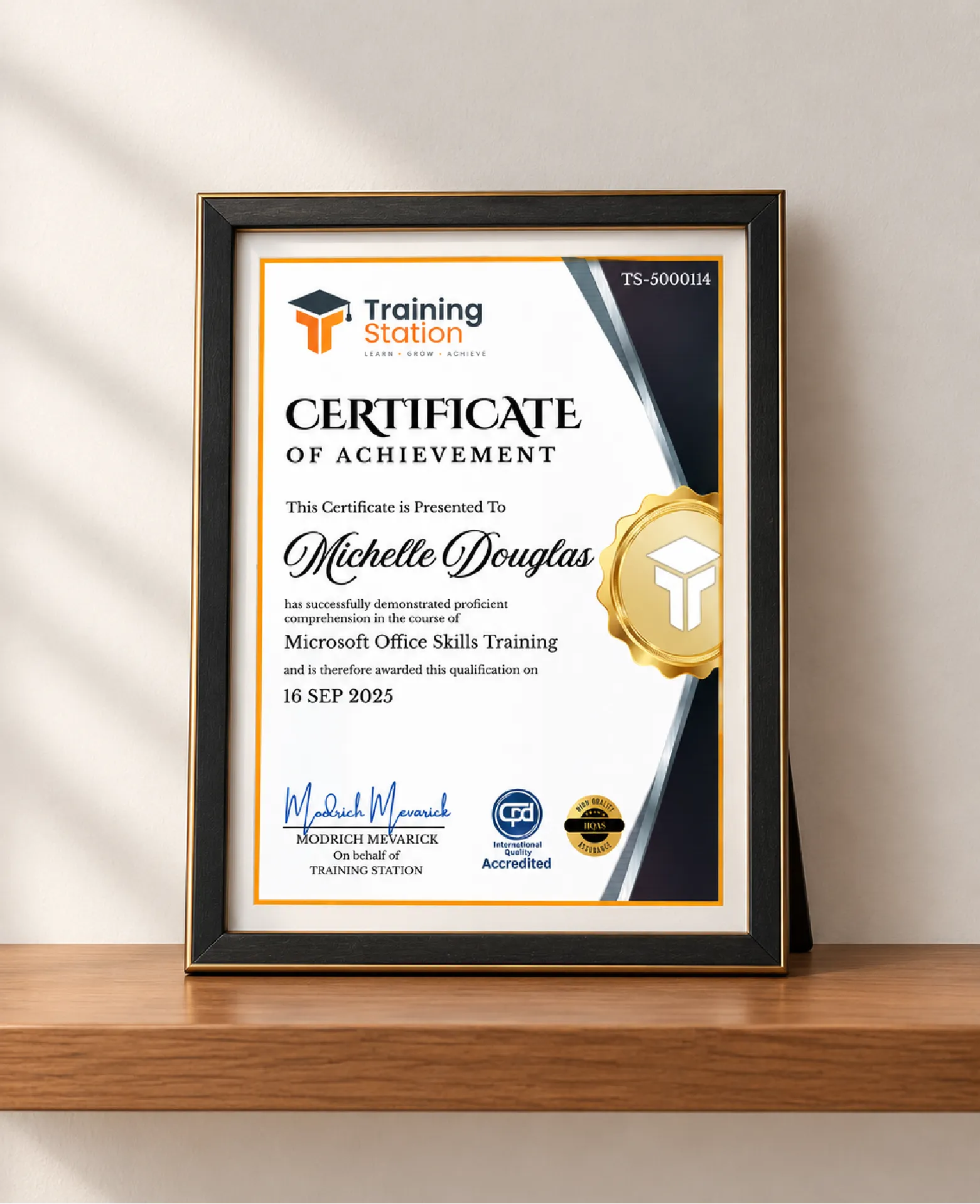
Celebrate your achievement with a CPD-IQ accredited certificate from Training Station! Perfect for showcasing your skills, boosting your career, and enhancing your professional profile.
Get this CourseOur Courses Accreditation





Frequently Asked Questions
Fully online through PDF materials and video lessons. Learn anytime, anywhere.
Self-paced: complete it in a week or spread it over months.
No. The course is beginner-friendly.
Yes. Instructor support is available Monday to Friday.
Yes. We offer a 14-day money-back guarantee.
 Access all courses for Only £99