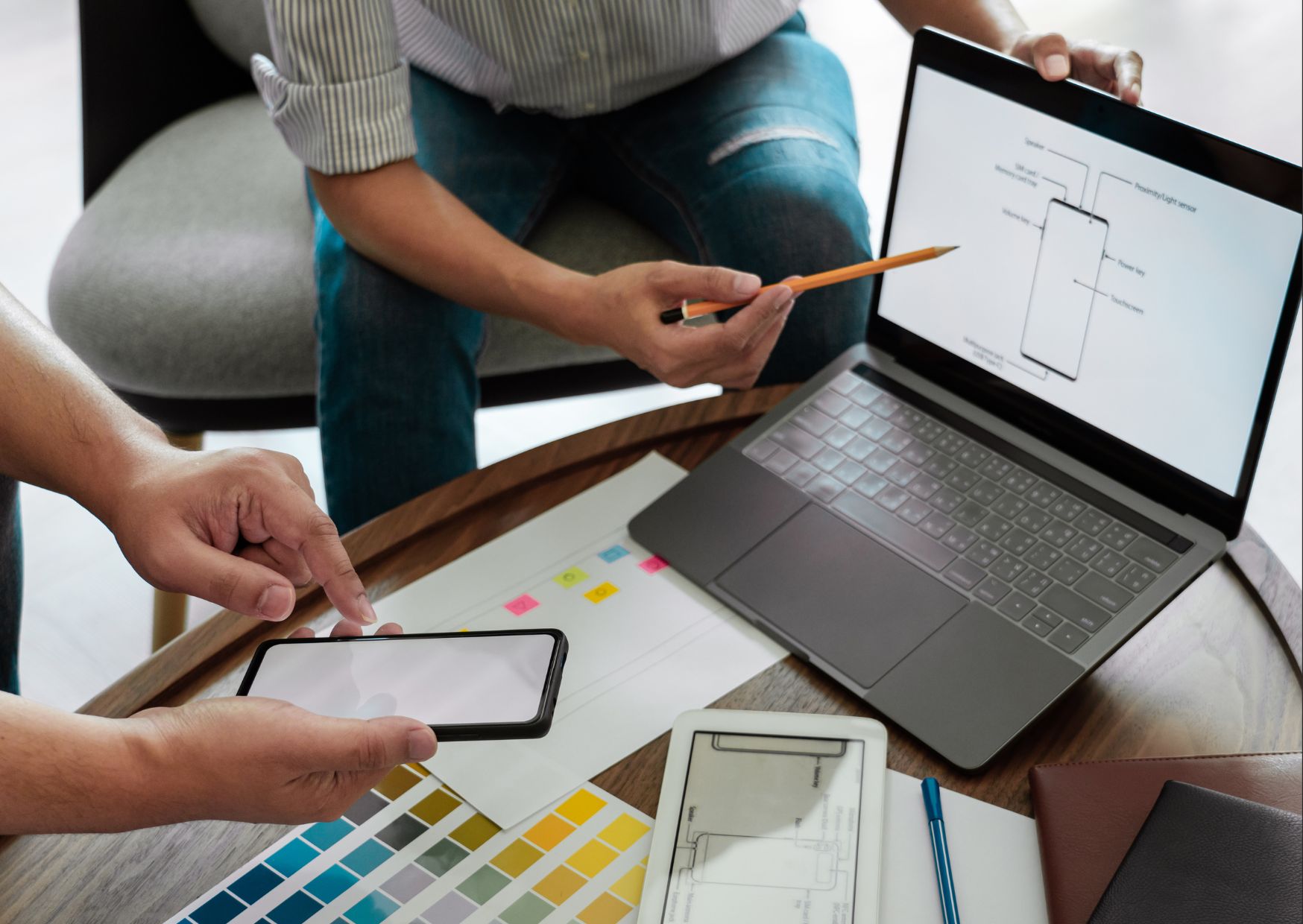
Comprehensive Product Design Course
Overview
The Comprehensive Product Design Course is a professionally developed training program designed to equip aspiring designers, innovators, entrepreneurs, engineers, and creative professionals with the practical knowledge and industry-relevant skills needed to transform ideas into successful products. In today's competitive marketplace, exceptional product design is no longer just about aesthetics—it is about creating functional, user-centered, manufacturable, and commercially viable solutions that solve real-world problems.
This comprehensive course takes learners through the complete product development journey, from initial concept generation and creative ideation to advanced prototyping, material selection, manufacturing considerations, and human-centered design principles. Whether you are looking to launch your own product, enhance your design capabilities, or pursue a career in industrial and product design, the Comprehensive Product Design Course provides a structured roadmap to success.
Through carefully designed modules, learners will develop a strong understanding of design thinking methodologies, sketching techniques, digital modeling, prototyping strategies, manufacturing processes, and user experience considerations. By the end of this course, you will possess the confidence and expertise to bring innovative product concepts to life while balancing creativity, functionality, usability, and production feasibility.
Course Description
The Comprehensive Product Design Course delivers a complete foundation in modern product design principles and practices. Product design is a multidisciplinary field that combines creativity, engineering, psychology, ergonomics, and business strategy to develop products that meet user needs and market demands.
Throughout this course, learners will explore every critical stage of the design process. Beginning with an introduction to product design fundamentals, students will learn how successful products are conceptualized, developed, and refined. The course then progresses into creative ideation and sketching techniques, allowing learners to effectively communicate design concepts and explore multiple solutions.
Participants will gain valuable experience in 3D modeling and prototyping, enabling them to visualize, test, and improve product concepts before production. The course also covers material selection and manufacturing processes, helping learners understand how design decisions impact production costs, performance, sustainability, and product quality.
A major focus of the Comprehensive Product Design Course is user-centered design. Students will learn how human factors, ergonomics, accessibility, and usability influence successful product development. By understanding user needs and behaviors, learners can create products that provide meaningful and enjoyable experiences.
Upon completion, learners will possess a strong foundation in product design methodology and be prepared to contribute effectively to product development projects across various industries.
What You Will Learn in Comprehensive Product Design Course
Module 1: Introduction to Product Design
This foundational module introduces learners to the exciting world of product design and provides a clear understanding of the product development lifecycle. Students will explore how successful products are created, from identifying market opportunities to delivering finished solutions.
Topics covered include:
Fundamentals of product design
The role of product designers in modern industries
Product development stages and workflows
Design thinking methodologies
Understanding market needs and customer expectations
Product innovation strategies
Problem-solving frameworks for designers
Product design trends and emerging technologies
By the end of this module, learners will understand the strategic importance of product design and how design influences business success, customer satisfaction, and innovation.
Module 2: Sketching and Ideation
Creativity is the foundation of great product design. This module focuses on developing ideation and visualization skills that allow designers to rapidly explore concepts and communicate ideas effectively.
Learners will discover techniques used by professional product designers to generate innovative solutions and transform abstract ideas into tangible concepts.
Topics covered include:
Brainstorming methods and creative thinking techniques
Concept generation strategies
Design exploration and iteration
Visual communication principles
Perspective sketching techniques
Product rendering fundamentals
Storyboarding and concept presentation
Design refinement processes
Throughout this module, learners will build confidence in expressing ideas visually and developing multiple design directions before selecting the most promising solutions.
Module 3: 3D Modeling and Prototyping
Modern product development relies heavily on digital design tools and prototyping methods. This module introduces learners to the principles of creating digital product models and developing functional prototypes.
Participants will learn how to convert sketches and concepts into realistic digital representations that can be evaluated, tested, and improved.
Topics covered include:
Introduction to 3D modeling workflows
Digital product visualization
CAD fundamentals and modeling principles
Creating virtual product prototypes
Design validation techniques
Rapid prototyping concepts
Prototype testing and evaluation
Iterative product improvement processes
By mastering 3D modeling and prototyping fundamentals, learners will gain the ability to reduce development risks, identify design issues early, and improve overall product quality.
Module 4: Material Selection and Manufacturing Processes
Selecting appropriate materials and understanding manufacturing methods are essential for creating products that are functional, durable, cost-effective, and scalable.
This module explores the relationship between design decisions and production realities. Learners will gain valuable insight into how products are manufactured and how materials influence performance and sustainability.
Topics covered include:
Material properties and characteristics
Metals, plastics, composites, and sustainable materials
Manufacturing process fundamentals
Injection molding principles
Casting and forming techniques
CNC machining concepts
Additive manufacturing and 3D printing
Cost considerations in manufacturing
Sustainability and environmentally responsible design
By the end of this module, learners will understand how to make informed design decisions that align with manufacturing capabilities and business objectives.
Module 5: User-Centered Design and Human Factors
Successful products are designed for people. This critical module focuses on understanding users and creating products that provide exceptional experiences while meeting functional requirements.
Learners will explore human behavior, ergonomics, usability, and accessibility to ensure their products are intuitive, comfortable, and effective.
Topics covered include:
Principles of user-centered design
Human factors and ergonomics
User research methodologies
User personas and customer journeys
Usability testing techniques
Accessibility considerations
Behavioral design principles
Product interaction and user experience
Design evaluation and improvement
Upon completing this module, learners will be able to create products that align with user expectations, improve satisfaction, and enhance overall product success.
Who Is This Course For?
The Comprehensive Product Design Course is ideal for:
Aspiring product designers
Industrial design students
Engineers seeking design knowledge
Entrepreneurs developing new products
Innovation and R&D professionals
Creative professionals expanding their skill set
Manufacturing and production specialists
UX and UI designers interested in physical products
Product managers involved in development projects
Anyone interested in learning modern product design principles
No prior product design experience is required, making this course suitable for both beginners and professionals seeking to strengthen their expertise.
Requirements
There are no strict prerequisites for enrolling in the Comprehensive Product Design Course.
Learners will benefit from:
Basic computer literacy
Interest in product development and innovation
Creative thinking and problem-solving mindset
Willingness to learn design principles
Access to a computer and internet connection
All concepts are introduced progressively, allowing beginners to build confidence while advancing toward more complex product design topics.
Completing the Comprehensive Product Design Course can support career development in various industries where product innovation and design play a crucial role.
Potential career opportunities include:
Product Designer
Industrial Designer
Design Consultant
Product Development Specialist
Prototype Development Technician
Innovation Manager
Manufacturing Design Coordinator
Consumer Product Developer
Design Researcher
User Experience Specialist
Product Manager
Entrepreneur and Product Founder
The skills gained from this course can also enhance career progression in engineering, manufacturing, technology, consumer goods, healthcare products, and startup environments.
FAQ
1. What is the Comprehensive Product Design Course?
The Comprehensive Product Design Course is a complete training program that teaches learners how to develop products from concept creation through design, prototyping, manufacturing, and user-centered evaluation.
2. Do I need prior design experience?
No. The course is designed for beginners while also providing valuable insights for experienced professionals.
3. Will I learn product development from start to finish?
Yes. The course covers the full product design lifecycle, including ideation, modeling, prototyping, manufacturing, and user-centered design.
4. Is this course suitable for entrepreneurs?
Absolutely. Entrepreneurs can use the knowledge gained to develop, evaluate, and launch innovative products more effectively.
5. Does the course cover prototyping techniques?
Yes. Learners will gain a strong understanding of prototyping concepts, digital modeling, and design validation processes.
6. Will I learn about manufacturing processes?
Yes. The course includes extensive coverage of manufacturing methods, material selection, production considerations, and sustainability.
7. What industries can benefit from product design skills?
Product design skills are valuable in consumer goods, technology, healthcare, manufacturing, automotive, industrial equipment, and many other sectors.
8. Why is user-centered design important?
User-centered design ensures products meet real customer needs, improve usability, enhance satisfaction, and increase market success.
9. Can this course help me build a design portfolio?
Yes. The knowledge and practical design processes taught throughout the course can contribute to creating stronger product design projects and portfolios.
10. What will I achieve after completing the Comprehensive Product Design Course?
Upon completion, you will possess a comprehensive understanding of modern product design principles, enabling you to confidently develop innovative, user-focused, and manufacturable products from concept to realization.