

Indian Cookery Essentials
Overview
Indian Cookery Essentials
1. Overview
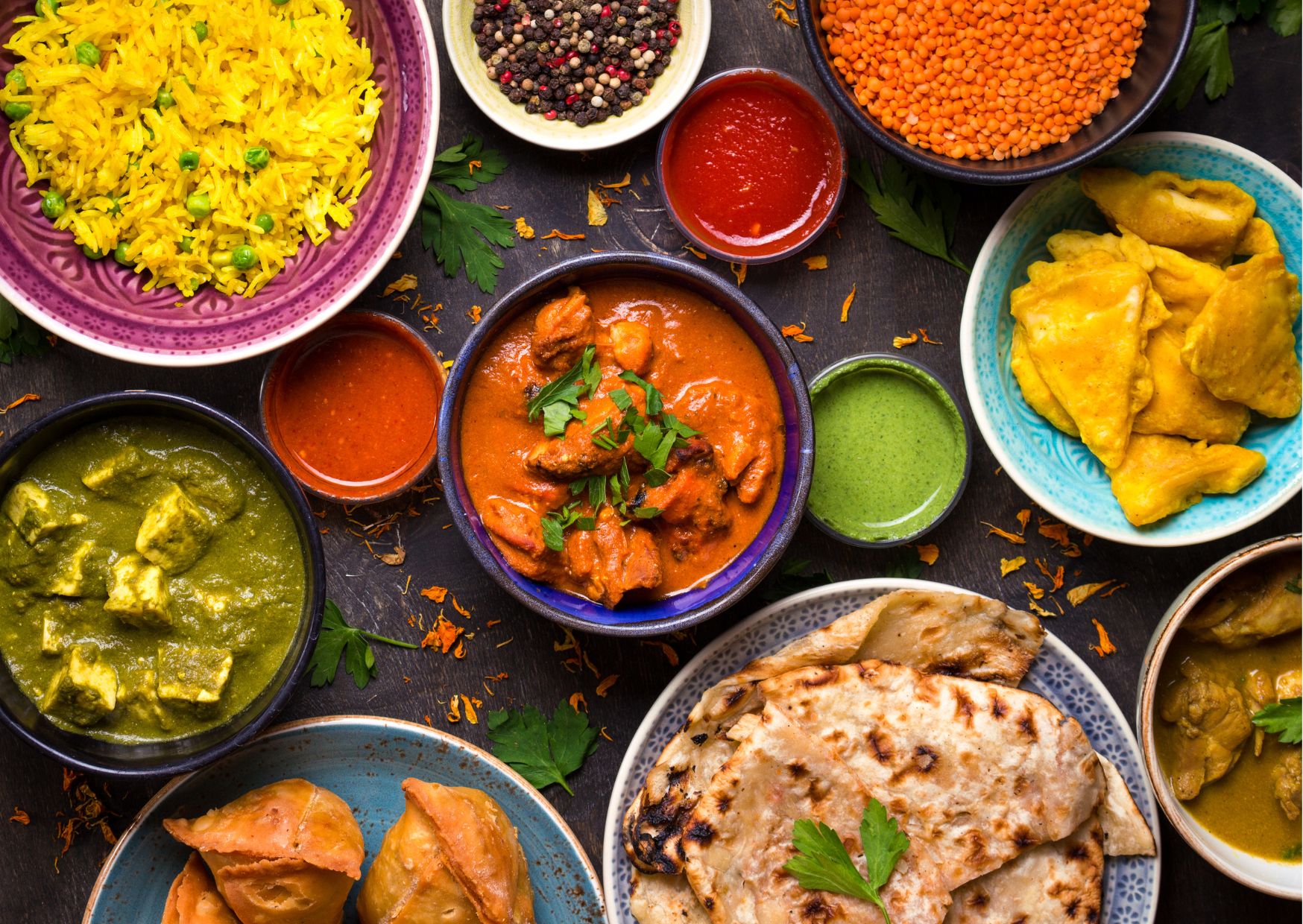
Indian Cookery Essentials is a comprehensive online cooking course designed to introduce learners to the rich, diverse, and flavourful world of Indian cuisine. This course provides a complete foundation in traditional Indian cooking techniques, regional food cultures, ingredient knowledge, and culinary practices that have shaped one of the world’s most celebrated food traditions.
Through Indian Cookery Essentials, learners will explore the fundamentals of cooking while developing a deeper understanding of Indian spices, preparation methods, regional variations, and cultural influences. The course takes students on a culinary journey across different states of India, showcasing how geography, history, traditions, and local ingredients create unique food identities.
Whether you are a beginner learning to cook for the first time, a food enthusiast wanting to expand your culinary knowledge, or someone looking to develop professional cooking skills, Indian Cookery Essentials provides the practical knowledge and cultural insight needed to confidently prepare authentic Indian dishes.
2. Course Description
The Indian Cookery Essentials course is created for learners who want to master the core principles of Indian cooking and understand the diversity behind traditional regional cuisines. Indian food is more than recipes; it is a combination of techniques, flavours, heritage, and community traditions passed through generations.
This course begins with essential cooking concepts, helping learners understand kitchen practices, ingredient preparation, cooking methods, and the importance of balancing flavours. Students will then progress into Indian cooking fundamentals, exploring spices, herbs, regional ingredients, and traditional techniques used in everyday and festive meals.
A major focus of Indian Cookery Essentials is the exploration of Indian food culture through different states. Learners will discover the distinctive cuisines of Andhra Pradesh, Arunachal Pradesh, Assam, Bihar, Chhattisgarh, Goa, and Gujarat. Each module highlights regional food habits, traditional dishes, cooking styles, and cultural influences.
By completing this course, learners will gain confidence in preparing Indian meals while appreciating the historical and cultural significance behind each cuisine. Indian Cookery Essentials combines practical cooking knowledge with cultural learning, making it an ideal choice for anyone passionate about food.
3. What You Will Learn in Indian Cookery Essentials
Module 1 – Cooking
This introductory module builds a strong foundation in general cooking principles. Learners will understand essential kitchen skills required to prepare food safely, efficiently, and creatively.
The module introduces basic cooking methods, preparation techniques, and the importance of ingredient selection. Students will learn how different cooking approaches affect flavour, texture, and nutrition.
Key learning areas include:
- Understanding basic cooking terminology and techniques
- Preparing ingredients effectively
- Exploring different cooking methods
- Developing kitchen confidence
- Understanding food safety and hygiene practices
- Improving organisation and cooking efficiency
This module provides the essential foundation needed before exploring the specialised world of Indian cuisine.
Module 2 – Indian Cooking
The Indian Cooking module introduces learners to the heart of Indian culinary traditions. Students will explore the essential components that make Indian cuisine unique, including spices, herbs, cooking styles, and traditional preparation methods.
Learners will discover how Indian recipes combine flavours through careful seasoning and cooking techniques. The module helps students understand the balance between sweet, sour, salty, spicy, and aromatic elements.
Topics covered include:
- Introduction to Indian ingredients and spices
- Traditional Indian cooking methods
- Spice combinations and flavour building
- Preparation of authentic Indian dishes
- Regional differences in Indian cuisine
- Everyday meals and traditional recipes
This module allows learners to develop practical skills while understanding the foundations of Indian food preparation.
Module 3 – Culture of Indian Cooking
Indian cooking is deeply connected to culture, traditions, festivals, and communities. This module explores the relationship between food and Indian heritage.
Students will learn how Indian cuisine reflects different lifestyles, climates, religions, celebrations, and historical influences. The module provides a broader understanding of why Indian food varies so widely across different regions.
Learners will explore:
- The history and evolution of Indian cuisine
- The role of food in Indian traditions
- Festival foods and celebrations
- Regional cooking identities
- Cultural significance of ingredients
- Traditional cooking practices
This module helps learners appreciate Indian cuisine beyond recipes by understanding the stories and traditions behind the food.
Module 4 – Andhra Pradesh (Amaravati) Food Culture
This module introduces learners to the vibrant food culture of Andhra Pradesh, focusing on the flavours, ingredients, and traditions of the region.
Andhra cuisine is known for bold flavours, spice combinations, and diverse vegetarian and non-vegetarian dishes. Learners will explore how local ingredients and regional preferences shape Andhra cooking.
Topics include:
- Traditional Andhra food characteristics
- Use of spices and regional ingredients
- Popular dishes and preparation styles
- Everyday meals and special occasions
- Culinary traditions of Amaravati
Students will gain knowledge of one of India’s most flavourful regional cuisines.
Module 5 – Arunachal Pradesh (Itanagar)
This module explores the unique food traditions of Arunachal Pradesh and the culinary practices influenced by the region’s geography and communities.
Learners will discover how local ingredients, natural resources, and traditional techniques create distinctive dishes.
Key topics include:
- Food culture of Arunachal Pradesh
- Traditional cooking approaches
- Regional ingredients
- Community-based food traditions
- Cuisine of Itanagar
This module provides insight into the diverse food heritage of Northeast India.
Module 6 – Foods of Assam (Dispur)
The Assam cuisine module introduces learners to the traditional foods of Assam, known for simple preparation methods, fresh ingredients, and balanced flavours.
Students will explore the relationship between Assam’s environment and its food culture.
Learners will study:
- Assamese cooking traditions
- Common ingredients and flavours
- Traditional meals
- Regional dishes
- Food practices of Dispur and Assam
This module helps learners understand the unique identity of Assamese cuisine.
Module 7 – Food of Bihar (Patna)
This module focuses on the traditional cuisine of Bihar, highlighting its simplicity, nutritional value, and cultural importance.
Learners will explore famous dishes, preparation techniques, and the role of food in Bihar’s traditions.
Topics covered include:
- Bihar’s traditional food culture
- Regional ingredients
- Popular dishes and cooking methods
- Seasonal food practices
- Patna’s culinary influence
Students will gain appreciation for Bihar’s authentic and heritage-based cuisine.
Module 8 – Food of Chhattisgarh (Raipur)
This module explores the food culture of Chhattisgarh, focusing on traditional recipes and local cooking practices.
Learners will understand how regional agriculture, traditions, and available ingredients influence Chhattisgarh cuisine.
The module includes:
- Traditional Chhattisgarh dishes
- Local ingredients and preparation styles
- Regional cooking traditions
- Food habits and cultural influences
- Cuisine of Raipur
This module expands learners’ knowledge of central Indian culinary traditions.
Module 9 – Food of Goa (Panaji)
The Goa cuisine module introduces learners to the unique flavours created by coastal influences, local ingredients, and cultural history.
Students will discover how Portuguese influence and coastal traditions have shaped Goan food.
Learners will explore:
- Goan food culture
- Coastal cooking techniques
- Traditional ingredients
- Famous Goan dishes
- Food traditions of Panaji
This module highlights the diversity and creativity of Indian coastal cuisine.
Module 10 – Food of Gujarat (Gandhinagar)
The final module explores Gujarat’s rich vegetarian food traditions and distinctive flavour profiles.
Learners will understand the importance of balance, texture, and preparation techniques in Gujarati cuisine.
Topics include:
- Gujarati cooking traditions
- Regional ingredients
- Traditional vegetarian dishes
- Sweet and savoury flavour combinations
- Cuisine of Gandhinagar
This module completes the learner’s journey through some of India’s most diverse culinary regions.
4. Who Is This Course For?
The Indian Cookery Essentials course is suitable for:
- Beginners who want to learn Indian cooking from the basics
- Home cooks looking to improve their culinary skills
- Food enthusiasts interested in Indian cuisine
- Aspiring chefs wanting cultural cooking knowledge
- Hospitality and catering professionals
- Anyone interested in regional Indian food traditions
- Learners who want practical cooking confidence
No previous cooking experience is required. The course is designed to support complete beginners while providing valuable insights for experienced learners.
5. Requirements
To complete the Indian Cookery Essentials course, learners only need:
- A passion for cooking and learning
- Basic kitchen access
- Interest in Indian cuisine and food culture
- A willingness to practise cooking techniques
No professional culinary background or previous experience is required.
6. Career Path
Completing Indian Cookery Essentials can support learners interested in various food-related opportunities.
Potential career directions include:
- Home Cook
- Catering Assistant
- Food Preparation Specialist
- Kitchen Assistant
- Indian Cuisine Specialist
- Restaurant Support Staff
- Food Content Creator
- Culinary Entrepreneur
The knowledge gained from this course can also help learners develop confidence for personal cooking projects, food businesses, and further culinary training.
7. FAQ
1. What is Indian Cookery Essentials?
Indian Cookery Essentials is an online course that teaches learners the fundamentals of cooking, Indian culinary techniques, and regional food cultures across different states of India.
2. Is Indian Cookery Essentials suitable for beginners?
Yes. The course starts with basic cooking concepts and gradually introduces Indian cooking methods, making it suitable for beginners.
3. Do I need previous cooking experience?
No previous experience is required. The course is designed for anyone interested in learning Indian cooking.
4. What will I learn from Indian Cookery Essentials?
You will learn cooking fundamentals, Indian food preparation techniques, spice usage, regional cuisines, and cultural influences behind Indian dishes.
5. Does this course cover different Indian states?
Yes. The course explores cuisines from Andhra Pradesh, Arunachal Pradesh, Assam, Bihar, Chhattisgarh, Goa, and Gujarat.
6. Can this course help me become a professional chef?
The course provides valuable culinary knowledge and a foundation for further professional cooking education or food-related careers.
7. Will I learn about Indian spices?
Yes. The course covers the role of spices, flavour combinations, and traditional ingredients used in Indian cooking.
8. Is this course only about recipes?
No. Indian Cookery Essentials focuses on cooking skills, techniques, traditions, cultural background, and regional food understanding.
9. Can experienced cooks benefit from this course?
Yes. Experienced cooks can expand their knowledge of Indian regional cuisines and improve their understanding of traditional techniques.
10. Why should I choose Indian Cookery Essentials?
Indian Cookery Essentials provides a complete learning experience that combines cooking skills, cultural knowledge, and regional cuisine exploration to help learners become more confident in the kitchen.
Curriculum
Course Content
Module 1 – Cooking
-
Cooking
00:00
