

Diploma in Lone Worker Safety
Overview
Diploma in Lone Worker Safety
Overview
Working alone comes with unique responsibilities and risks that require proper knowledge, planning, and safe working practices. The Diploma in Lone Worker Safety is designed to help learners understand the key health and safety principles needed when carrying out tasks without direct supervision.
Throughout this course, you will explore workplace hazards, legal responsibilities, risk assessments, equipment safety, fire prevention, electrical safety, working at height, confined spaces, and vehicle movement. Whether you work in construction, maintenance, utilities, facilities management, healthcare, or any role involving lone working, this course provides practical guidance to help you work more safely and confidently.
By the end of the course, you will have a strong understanding of how to identify workplace risks, implement effective control measures, and contribute to a safer working environment.
Description
Lone workers often face situations where immediate assistance may not be available, making safety awareness more important than ever. This Diploma in Lone Worker Safety provides comprehensive training on recognising hazards, complying with workplace regulations, and following safe procedures across a variety of working environments.
The course begins by introducing the importance of complying with work equipment regulations, helping learners understand legal obligations and employer responsibilities regarding workplace equipment. You will then learn how to properly utilise work equipment by following safe operating procedures, conducting inspections, and reducing the risk of accidents caused by incorrect use.
Risk management is a central theme throughout the course. You will develop practical knowledge of workplace risk assessments, hazard identification, and suitable control measures that minimise injuries and improve safety standards.
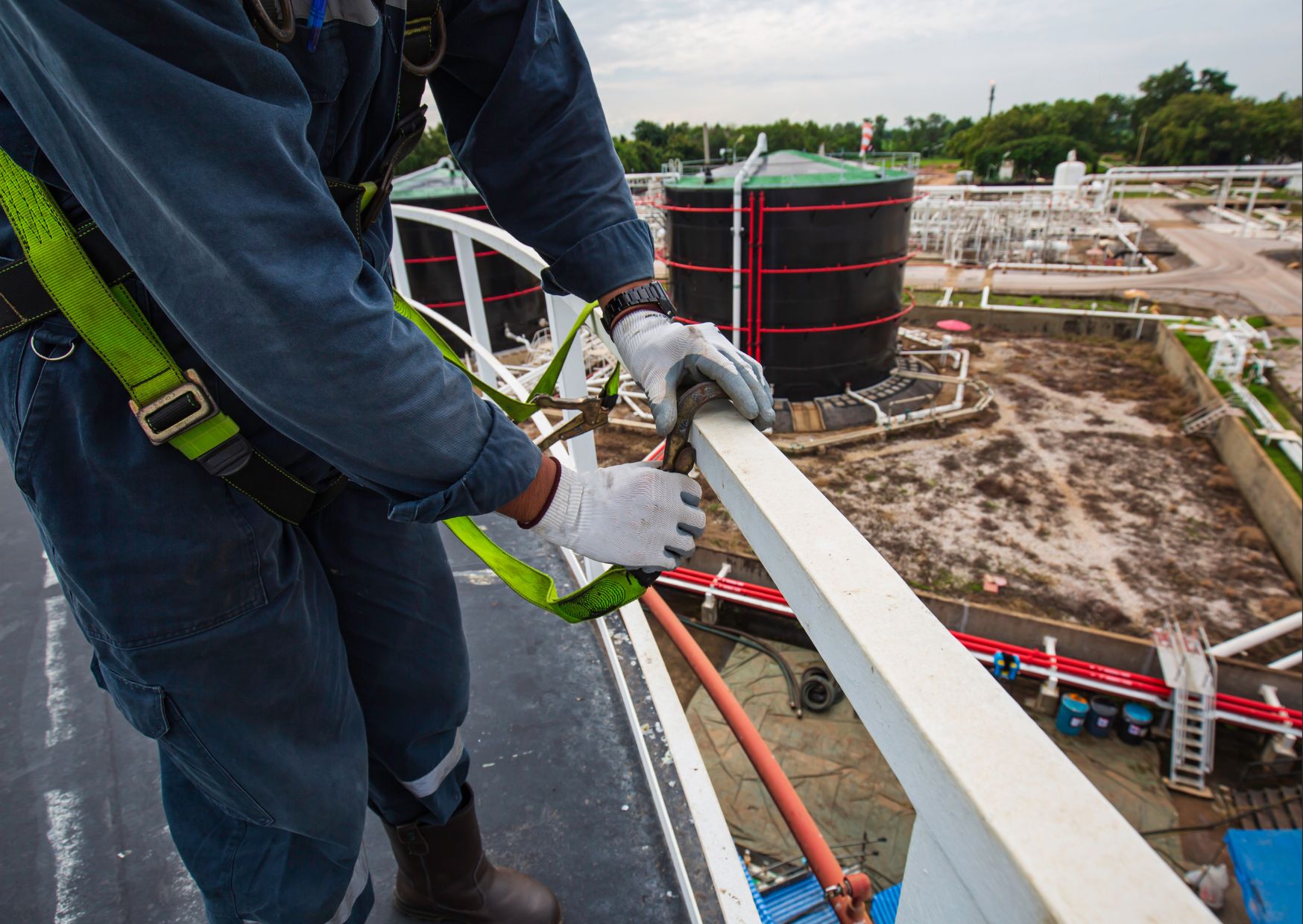
Many lone workers perform duties at elevated locations, making working at height another essential topic. You'll discover safe access methods, fall prevention techniques, and best practices for carrying out tasks safely above ground level.
The programme also explores excavation work and confined spaces, highlighting the dangers associated with trenches, underground work, enclosed environments, and emergency planning. In addition, learners will understand the risks involved with vehicle and plant movement, including traffic management, pedestrian safety, and reducing collisions within workplaces.
Fire safety remains a vital element of every workplace. You'll study common fire hazards, prevention strategies, emergency procedures, and fire control measures that help protect both people and property.
Finally, the course covers electrical safety, explaining how electrical hazards occur, how to avoid electric shock, and how to safely work around electrical equipment while maintaining compliance with workplace safety standards.
Upon completion, learners will possess practical safety knowledge that can improve workplace confidence while supporting compliance with modern health and safety expectations.
Who is this course for?
This course is ideal for:
- Lone workers across any industry
- Construction workers and site operatives
- Maintenance and facilities management professionals
- Engineers and technicians
- Utility and field service workers
- Warehouse and logistics employees
- Security personnel
- Health and social care workers
- Supervisors and team leaders
- Health and safety representatives
- Small business owners
- Anyone looking to improve workplace safety knowledge
Short Brief About the Modules
Module 1 – Compliance with Work Equipment
Understand the legal requirements surrounding workplace equipment, employer responsibilities, inspection procedures, maintenance obligations, and safe compliance practices that help reduce workplace accidents.
Module 2 – Proper Utilization of Work Equipment
Learn how to correctly select, inspect, operate, and maintain workplace equipment while following safe working procedures that minimise risks and improve operational safety.
Module 3 – Risk Assessment and Controls
Discover how to identify workplace hazards, perform effective risk assessments, evaluate potential dangers, and implement practical control measures to reduce accidents and injuries.
Module 4 – Working at Height
Explore the risks associated with elevated work, including fall prevention, ladder safety, scaffolding awareness, safe access methods, and emergency planning for working at height.
Module 5 – Excavation Work and Confined Spaces
Gain an understanding of excavation hazards, trench safety, confined space risks, atmospheric dangers, permit systems, emergency procedures, and safe entry requirements.
Module 6 – Vehicle and Plant Movement
Learn best practices for managing workplace traffic, operating around moving vehicles and machinery, reducing collision risks, and maintaining pedestrian safety in busy work environments.
Module 7 – Fire Hazards and Control
Study the causes of workplace fires, fire prevention techniques, evacuation procedures, fire extinguisher awareness, and emergency response planning to improve overall workplace safety.
Module 8 – Electrical Safety
Develop knowledge of electrical hazards, safe isolation procedures, common causes of electric shock, equipment inspections, and practical methods for preventing electrical accidents.
Requirements
There are no formal entry requirements for this course. It is suitable for learners of all experience levels who wish to improve their understanding of lone worker safety and workplace health and safety practices.
Learners only need:
- A computer, tablet, or smartphone
- A stable internet connection
- A willingness to learn
- Basic English reading and comprehension skills
Career Path
Completing the Diploma in Lone Worker Safety can support career development across many industries where workplace safety is essential, including:
- Lone Worker
- Construction Operative
- Site Worker
- Maintenance Technician
- Facilities Assistant
- Field Service Engineer
- Utilities Worker
- Warehouse Operative
- Security Officer
- Health and Safety Assistant
- Health and Safety Coordinator
- Building Maintenance Operative
- Plant Operator
- Logistics Operative
- Property Maintenance Technician
- Site Supervisor
- Facilities Supervisor
Frequently Asked Questions (FAQ)
1. What is the Diploma in Lone Worker Safety?
This course teaches essential health and safety principles for people who work alone, covering risk assessments, work equipment, fire safety, electrical safety, working at height, confined spaces, and workplace hazard management.
2. Who should take this course?
The course is suitable for lone workers, construction staff, engineers, maintenance workers, healthcare professionals, security personnel, supervisors, and anyone wanting to improve workplace safety knowledge.
3. Are there any entry requirements?
No. There are no formal qualifications needed. Anyone with basic English skills and internet access can enrol and begin learning immediately.
4. Does the course cover risk assessments?
Yes. You'll learn how to identify workplace hazards, assess risks, implement control measures, and reduce the likelihood of accidents while working independently.
5. Will I learn about working at height?
Yes. The course explains common risks, fall prevention methods, safe equipment use, and good practices for completing tasks safely at height.
6. Is fire safety included?
Yes. You'll learn about fire hazards, prevention methods, emergency procedures, evacuation planning, and fire control measures used in workplaces.
7. Does the course include electrical safety?
Yes. The electrical safety module covers electrical hazards, safe working procedures, equipment awareness, and methods for preventing electrical accidents.
8. Is this course useful for construction workers?
Absolutely. It includes topics such as excavations, confined spaces, work equipment, vehicle movement, working at height, and risk management relevant to construction environments.
9. Can this course help improve workplace safety awareness?
Yes. It provides practical knowledge that helps learners recognise hazards, follow safe procedures, and contribute to a safer workplace.
10. What skills will I gain?
You'll develop skills in hazard identification, risk assessment, safe equipment use, fire prevention, electrical safety, working at height, confined space awareness, and overall workplace safety management.
Curriculum
Course Content
Module 1 – Compliance with Work Equipment
-
Compliance with Work Equipment
00:00
