

Cyber Monday Floating Bar
Cyber Monday Offer Amount

Limited Seats Offer

Get Access Now!

Use Coupon

Tasty Meal Ideas for a Keto Lifestyle
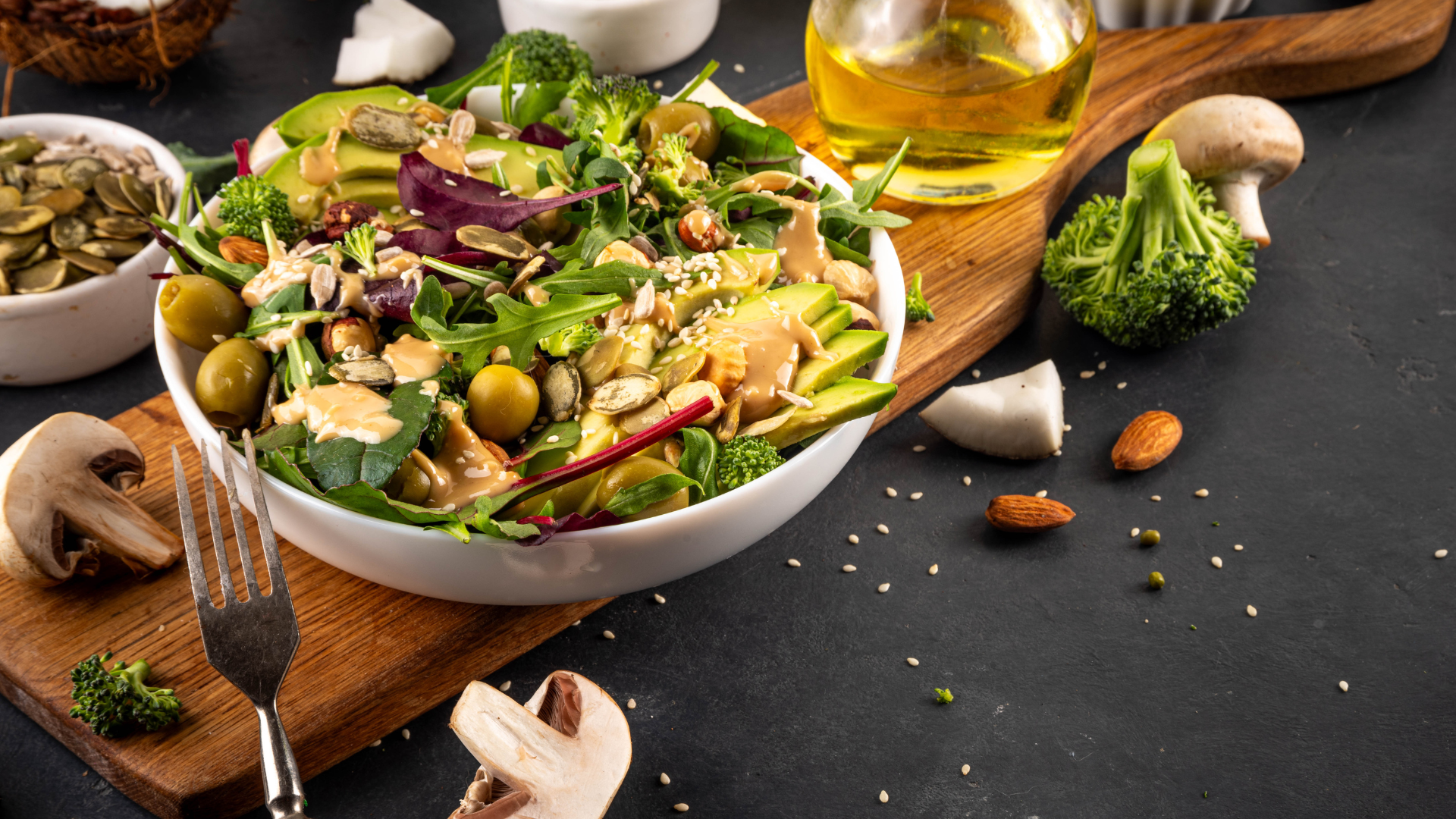
hero imgs
£119.00 £19.00
Save Over 90% - Offer Ends soon
  • LifeTime Access 🕖
  • Tutor Support 🕖
  • Study Anywhere and Anytime 🕖
GET ACCESS TO ALL 1500+ COURSES FOR ONLY £99 . Get Now

Overview

Enrollment Guide & Course Foundation

1. Overview

Tasty Meal Ideas for a Keto Lifestyle is a practical, beginner-friendly course designed to make low-carbohydrate eating simpler, more enjoyable and easier to maintain. Rather than treating keto eating as a collection of restrictive rules, this course focuses on turning everyday ingredients into satisfying meals that fit comfortably within a keto-inspired lifestyle. It provides a useful foundation for understanding low-carb choices while introducing practical meal ideas suitable for home cooking, busy schedules and meal preparation.

For anyone new to keto-style eating, deciding what to cook can often be one of the biggest challenges. Familiar meals may contain large amounts of bread, pasta, rice, flour or other carbohydrate-rich ingredients, making it difficult to create alternatives that still feel satisfying. This course helps learners approach that challenge creatively by exploring nutritious ingredients, protein-rich meals, vegetable-based options and convenient recipes that can support a lower-carbohydrate eating pattern.

The course also emphasises practicality. Learners explore approachable dishes such as hearty soups, cauliflower-based pizza and beef and broccoli meal preparation, demonstrating how familiar comfort foods can be adapted for a lower-carb lifestyle. The focus is on developing useful kitchen habits, understanding ingredient combinations and becoming more confident when planning meals.

By completing Tasty Meal Ideas for a Keto Lifestyle, learners will have a stronger understanding of low-carb meal planning and a collection of practical ideas they can adapt to their own preferences. They will feel more confident choosing suitable ingredients, preparing satisfying keto-style dishes and building a varied meal routine without relying on complicated cooking techniques.

2. Description

Choosing meals for a keto lifestyle does not have to mean eating the same foods repeatedly or giving up enjoyable dishes. Tasty Meal Ideas for a Keto Lifestyle introduces a practical approach to creating appealing, filling and convenient meals while reducing reliance on carbohydrate-heavy ingredients. The course is designed to help learners develop confidence in the kitchen and discover how simple ingredient substitutions and thoughtful meal combinations can make lower-carb eating more enjoyable.

For many people, the hardest part of changing their eating habits is not understanding the basic concept but knowing what to prepare every day. Breakfasts, lunches, dinners and meal-prep sessions can quickly become repetitive when there is no clear collection of ideas to draw from. This course addresses that practical challenge by exploring a variety of meal concepts, from protein-focused recipes to vegetable-based alternatives and convenient dishes that can be prepared ahead of time.

The course begins with an introduction to low-carb fundamentals, helping learners understand the role of carbohydrate-conscious ingredient choices when planning meals. This foundation provides useful context before moving into practical recipe ideas. Learners can then build their confidence through dishes that demonstrate how protein, vegetables, herbs, seasonings and suitable alternatives can be combined into satisfying meals.

Protein plays an important role in many lower-carbohydrate meal plans, and the course explores high-protein recipe ideas that can be incorporated into everyday cooking. Rather than focusing solely on one type of food, learners are encouraged to think about balance, texture, flavour and convenience when creating meals. This makes the approach useful for people who want variety while maintaining a carbohydrate-conscious eating routine.

Vegetables can also provide excellent opportunities for creative keto-style cooking. Recipes such as kale and white bean soup demonstrate how vegetables and other ingredients can contribute to hearty, comforting meals. At the same time, dishes such as cauliflower pizza show how familiar favourites can be reimagined using alternative ingredients. These examples encourage learners to look beyond traditional high-carbohydrate recipes and consider new ways to create meals they genuinely enjoy.

Meal preparation is another important practical element. Modern lifestyles often make it difficult to cook from scratch several times a day. Planning meals in advance can reduce decision-making, save time and make it easier to stay consistent. Beef and broccoli meal preparation provides an example of how a simple combination can be organised into convenient meals for busy days. The broader lesson is that successful meal planning often depends as much on preparation and organisation as it does on individual recipes.

The course is relevant to the growing interest in mindful eating, home cooking, meal preparation and personalised dietary approaches. People increasingly want greater control over the ingredients they use and are looking for practical ways to prepare meals that align with their personal preferences. Keto and low-carb approaches continue to attract attention, but sustainable eating habits generally require variety, realistic planning and an understanding of individual nutritional needs.

A key strength of this course is its practical learning approach. Instead of presenting low-carb eating as a purely theoretical subject, learners can use the concepts to think about real meals and everyday cooking situations. The recipes provide examples of how ingredients can work together, while the broader principles encourage learners to make informed adaptations based on their own tastes and circumstances.

You'll discover how to use Tasty Meal Ideas for a Keto Lifestyle for:

  1. Planning simple lower-carbohydrate meals for everyday eating
  2. Choosing suitable ingredients for keto-style recipes
  3. Creating satisfying high-protein meal combinations
  4. Preparing vegetable-based alternatives to traditional dishes
  5. Making a cauliflower-based pizza alternative
  6. Preparing hearty soup-inspired meals
  7. Using kale creatively in lower-carb cooking
  8. Organising beef and broccoli meals for meal preparation
  9. Preparing meals in advance for busy weekdays
  10. Reducing dependence on heavily processed convenience foods
  11. Creating variety within a carbohydrate-conscious meal routine
  12. Adapting familiar dishes using alternative ingredients
  13. Combining protein and vegetables into practical meals
  14. Developing more efficient kitchen preparation habits
  15. Building a collection of repeatable meal ideas
  16. Making lower-carb cooking more enjoyable and sustainable

An important part of successful keto-style cooking is understanding that recipes are starting points rather than rigid instructions. Learners can develop the confidence to adjust suitable ingredients, portion sizes, herbs and seasonings according to personal preferences. This flexibility can make meal planning considerably easier because it allows people to work with ingredients they already enjoy and have available.

Best practice also involves paying attention to overall nutritional balance. A lower-carbohydrate meal should still be satisfying and thoughtfully prepared. Protein sources, vegetables, fats, fibre and other nutrients can all play a role in an individual's overall eating pattern. People with specific medical conditions, dietary requirements or nutritional concerns should seek appropriate advice from a qualified healthcare or nutrition professional rather than relying on a general cooking course for personalised dietary guidance.

Professional-style kitchen workflows can make meal preparation more efficient. Organising ingredients before cooking, preparing multiple portions, storing food appropriately and planning meals around the week ahead can reduce unnecessary effort. These habits are particularly useful for learners who have limited time but still want to prepare their own food.

Common mistakes can include relying on too few recipes, overlooking hidden carbohydrate sources, failing to plan meals in advance or assuming that every food labelled "low-carb" automatically suits an individual's nutritional needs. Another common problem is making meals unnecessarily complicated. A successful meal routine often comes from having several dependable recipes that can be prepared consistently rather than attempting elaborate dishes every day.

Hands-on learning is therefore central to the value of Tasty Meal Ideas for a Keto Lifestyle. Learners can take the concepts into their own kitchens, experiment with appropriate ingredient combinations and discover which meals best suit their routines. Cooking the recipes repeatedly can also help develop useful skills such as preparation, portioning, timing, storage and ingredient substitution.

The course's recipe concepts reflect real-world situations. A cauliflower pizza can provide an alternative when someone wants a familiar pizza-style meal without relying on a traditional flour-based crust. A hearty kale and white bean soup can offer inspiration for a comforting meal, while beef and broccoli meal preparation demonstrates how a straightforward dish can be organised for convenience. High-protein recipes provide further options for learners seeking filling meals within a lower-carb framework.

Responsible use is equally important. Keto-style eating is not necessarily appropriate for everyone, and individual nutritional needs vary. Learners should avoid treating recipes as medical advice or assuming that one eating pattern is universally suitable. Instead, the course can be viewed as a practical cooking resource that supports informed meal preparation. Anyone managing a health condition, taking medication, pregnant or following a medically prescribed diet should consult an appropriately qualified professional before making significant dietary changes.

Continuous improvement comes from observing what works. Learners can keep track of favourite recipes, identify ingredients they regularly use, improve their preparation workflow and gradually expand their collection of suitable meals. Over time, this approach can make lower-carb cooking feel less restrictive and more like a normal part of everyday food preparation.

Ultimately, Tasty Meal Ideas for a Keto Lifestyle is about making practical food choices easier. It brings together low-carb fundamentals, protein-rich ideas, comforting vegetable-based dishes, creative alternatives and meal-preparation concepts to help learners become more confident in their kitchens. By combining knowledge with hands-on cooking, learners can develop a more varied approach to keto-style meal planning and discover enjoyable ways to make everyday meals work for their lifestyle.

3. Course Modules

Module 1: Low-Carb Basics

  • Understanding the foundations of low-carbohydrate eating
  • Identifying common carbohydrate-rich ingredients
  • Exploring suitable lower-carb food choices
  • Understanding protein in everyday meal planning
  • Choosing vegetables for keto-style meals
  • Considering fats and flavour in meal preparation
  • Reading ingredient labels more effectively
  • Planning balanced and satisfying meals
  • Building practical low-carb kitchen habits

Module 2: High-Protein Low-Carb Recipes

  • Understanding the role of protein in meal planning
  • Selecting practical protein sources
  • Combining protein with suitable vegetables
  • Creating filling low-carb meal combinations
  • Balancing flavour, texture and nutrition
  • Preparing ingredients efficiently
  • Adjusting recipes for personal preferences
  • Managing portions and meal storage
  • Creating repeatable high-protein meal routines

Module 3: Easy Kale and White Bean Soup

  • Introducing hearty vegetable-based soups
  • Preparing kale for cooking
  • Understanding the role of beans in meal planning
  • Combining vegetables and protein-rich ingredients
  • Building layers of flavour
  • Managing texture during cooking
  • Preparing soup efficiently for everyday meals
  • Storing and reheating prepared soup
  • Adapting soup ingredients responsibly

Module 4: Cauliflower Pizza

  • Understanding cauliflower as a versatile ingredient
  • Preparing cauliflower for alternative recipes
  • Creating a pizza-style base
  • Improving texture and consistency
  • Choosing suitable toppings
  • Combining flavours effectively
  • Avoiding common preparation mistakes
  • Cooking and serving cauliflower pizza
  • Adapting pizza ideas to personal preferences

Module 5: Beef and Broccoli Meal Prep

  • Selecting suitable beef for meal preparation
  • Preparing broccoli efficiently
  • Combining protein and vegetables
  • Developing a simple meal-prep workflow
  • Managing cooking order and timing
  • Creating convenient portions
  • Storing prepared meals appropriately
  • Reheating meals while maintaining quality
  • Building a practical weekly meal-prep routine

    Requirements, Career Path & Final Thoughts

    4. Who Is This Course For

    Tasty Meal Ideas for a Keto Lifestyle is designed for beginners and home cooks who want practical inspiration for preparing lower-carbohydrate meals. No advanced culinary background is necessary. The course is suitable for learners who want to improve their meal-planning confidence, explore alternative ingredients and develop a more organised approach to everyday cooking.

    It can be particularly useful for:

    • Beginners exploring keto-style or low-carb eating
    • Home cooks looking for fresh meal inspiration
    • Busy professionals who want convenient meal-prep ideas
    • People interested in reducing carbohydrate-heavy foods
    • Learners wanting simple protein-rich recipes
    • Cooking enthusiasts interested in vegetable-based alternatives
    • Individuals looking for creative alternatives to traditional pizza
    • People interested in practical weekly meal preparation
    • Beginners wanting to improve their kitchen organisation
    • Learners who enjoy experimenting with new ingredients
    • Anyone seeking more variety in their lower-carb meal routine
    • Home chefs interested in adapting familiar recipes
    • People preparing meals for busy weekdays
    • Cooking beginners who prefer straightforward recipes
    • Learners interested in developing sustainable food-preparation habits

    The course is particularly valuable for those who want practical ideas rather than complicated culinary techniques. It can help learners become more comfortable planning and preparing meals while encouraging them to experiment responsibly with flavours and ingredients.

    5. Requirements

    To take this course, learners should have:

    • A basic interest in cooking and meal preparation
    • A kitchen with standard cooking equipment
    • Access to everyday food ingredients
    • Basic food-preparation and kitchen-safety awareness
    • A willingness to experiment with different ingredients and flavours
    • An interest in lower-carbohydrate meal ideas
    • Basic ability to follow recipes and cooking instructions
    • A willingness to practise the techniques introduced throughout the course

    No professional cooking experience is required. Beginners can approach the course at their own pace and gradually build confidence through practical preparation. Learners should also understand that general keto-style cooking information is not a substitute for personalised medical or nutritional advice.

    6. Career Path

    Learning practical meal preparation can be useful beyond personal cooking. While Tasty Meal Ideas for a Keto Lifestyle is primarily designed as a practical food and lifestyle course rather than professional chef training, the knowledge and kitchen confidence developed through it can provide a useful foundation for further culinary learning.

    Potential career directions and related roles include:

    1. Home Cook
    2. Personal Chef
    3. Private Cook
    4. Meal Preparation Assistant
    5. Catering Assistant
    6. Kitchen Assistant
    7. Food Preparation Worker
    8. Recipe Developer
    9. Food Blogger
    10. Food Content Creator
    11. Culinary Entrepreneur
    12. Meal-Prep Service Assistant
    13. Cooking Class Assistant
    14. Food Photography and Content Support
    15. Recipe Content Writer

    Learners interested in professional culinary careers can use the practical experience gained from preparing different dishes as a foundation for further training in cooking, nutrition, hospitality, catering or food entrepreneurship. Those interested in creating content may also find opportunities to develop recipe blogs, social media channels, cooking videos or meal-preparation resources.

    Across hospitality, catering, food media, private cooking and entrepreneurial ventures, practical cooking knowledge can be valuable. However, professional roles may require additional culinary qualifications, food-safety training, industry experience or other requirements depending on the position and location.

    7. Final Thoughts

    Tasty Meal Ideas for a Keto Lifestyle provides a practical introduction to making lower-carbohydrate meal preparation more varied, approachable and enjoyable. Instead of depending on complicated cooking methods, learners explore straightforward ways to work with proteins, vegetables and alternative ingredients to create satisfying meals for everyday life.

    The course can help learners develop practical confidence in choosing ingredients, preparing meals, adapting familiar dishes and organising food ahead of time. From high-protein low-carb recipes to kale and white bean soup, cauliflower pizza and beef and broccoli meal preparation, the examples encourage learners to think creatively about their food choices while developing useful kitchen habits.

    Perhaps most importantly, the course promotes a practical mindset. Successful meal planning is not simply about following recipes; it is about understanding ingredients, developing efficient preparation routines, experimenting with suitable flavours and finding meals that fit realistically into everyday life. With continued practice, learners can build a personal collection of dependable meal ideas and become increasingly confident in the kitchen.

    Whether the goal is to improve home cooking, simplify weekly meal preparation or explore keto-style recipes, this course offers an accessible starting point. Take the ideas into the kitchen, practise the techniques, discover your preferred flavours and turn simple ingredients into enjoyable meals that support your personal approach to a lower-carbohydrate lifestyle.

Curriculum

Course Content

Module 1: Low-Carb Basics

  • Low-Carb Basics
    00:00

Module 2: High-Protein Low-Carb Recipe

Module 3: Easy Kale and White Bean Soup

Module 4: Cauliflower Pizza

Module 5: Beef and Broccoli Meal Prep

Team success

Celebrate your achievement with a CPD-IQ accredited certificate from Training Station! Perfect for showcasing your skills, boosting your career, and enhancing your professional profile.

Frequently Asked Questions

Fully online through PDF materials and video lessons. Learn anytime, anywhere.

Self-paced — complete it in a week or spread it over months.

No. The course is beginner-friendly.

Yes — instructor support is available Monday to Friday.

Yes — 14-day money-back guarantee.

Want to receive push notifications for all major on-site activities?