
Level 3 Food Hygiene and Safety Course – UK

- Access
- Lifetime
- Assistance
- Expert Tutor Support
- Flexibility
- Learn Anytime, Anywhere
Overview
Level 3 Food Hygiene and Safety Course – UK
Get Ready to Build a Career in Food Hygiene & Safety in the UK
Develop essential Level 3 food hygiene and safety knowledge, understand how to identify and control food hazards, and build a strong foundation for rewarding career opportunities in the UK’s food, catering, hospitality, and food manufacturing sectors!
✅ Master Level 3 Food Hygiene & Safety Fundamentals — Learn essential food hygiene principles, food safety responsibilities, common food hazards, and the foundations of maintaining safe food environments.
✅ Develop HACCP & Food Safety Management Knowledge — Explore Hazard Analysis and Critical Control Points (HACCP), Food Safety Management Systems, risk assessment principles, and effective approaches to controlling food safety hazards.
✅ Build Food Contamination & Safe Handling Knowledge — Understand food contamination risks, chemical contaminants, food preservation methods, safe product and process design, personal hygiene, and foodservice safety procedures.
✅ Explore Career Opportunities — Build industry-relevant knowledge to support your journey toward food safety assistant, catering supervisor, food production supervisor, and hospitality team leader roles across restaurants, catering businesses, food manufacturing facilities, and foodservice organisations, alongside any required practical training or qualifications.
Course Overview
Explore the principles of food hygiene, hazard control and food safety management with this Level 3 Food Hygiene and Safety Course – UK. The programme examines how food safety risks arise and how organisations approach the prevention and management of contamination across food production and foodservice environments.
Throughout the course, you will study food safety hazards, including chemical contaminants, alongside the principles of Food Safety Management Systems and Hazard Analysis and Critical Control Points (HACCP). The curriculum also explores how food processing, preservation and technology can influence food safety.
Further topics include safe food product and process design, personal hygiene and foodservice operations. You will also examine wider considerations such as sustainability and global supply chains in relation to food safety.
Designed for learners interested in catering, hospitality, food production and quality-related work, the course provides an overview of the principles and systems involved in managing food safety risks.
Key Curriculum Topics
-
Food Risks, Hazards and Safety Principles: Explore the main considerations involved in identifying and managing food safety risks.
-
Food Safety Management Systems and HACCP: Understand the principles used to organise food safety controls.
-
Chemical Contaminants and Food Safety: Examine chemical contamination as a potential food safety hazard.
-
Safe Food Product and Process Design: Explore how product and process considerations relate to food safety.
-
Foodservice Operations and Personal Hygiene: Understand the importance of hygiene within food handling and service environments.
Course Curriculum
Module 1: Introduction to Food Hygiene
This module introduces the fundamental principles of food hygiene and establishes the foundation for understanding food safety throughout the course.
Main learning topics:
- Introduction to food hygiene
- Food hygiene principles
- Food handling and safety
- Foundations of safe food practices
Module 2: Origin and Nature of Food Risk
Learners examine where food risks originate and develop an understanding of the nature of risks associated with food.
Main learning topics:
- Origin of food risk
- Nature of food risk
- Food-related risks
- Risk awareness
Module 3: Technologies and Food Safety
This module explores the relationship between food technologies and food safety, helping learners understand how technology can influence safe food production.
Main learning topics:
- Food technologies
- Food safety
- Technology and food production
- Safety considerations
Module 4: Preservation of Fruits and Vegetables
Learners study food preservation in relation to fruits and vegetables and consider its importance within food safety.
Main learning topics:
- Food preservation
- Fruits and vegetables
- Preservation methods
- Food safety considerations
Module 5: Establishing Food Safety Management System (FSMS) in a Company
This module focuses on establishing a Food Safety Management System within a company and understanding its role in organised food safety management.
Main learning topics:
- Food Safety Management Systems
- FSMS implementation
- Company food safety systems
- Food safety management
Module 6: Hazard Analysis and Critical Control Point System (HACCP)
Learners explore the Hazard Analysis and Critical Control Point system and its importance within structured food safety management.
Main learning topics:
- Hazard Analysis
- Critical Control Point
- HACCP system
- Food safety controls
Module 7: Management of Chemical Contaminants for Food Safety
This module examines chemical contaminants and their management as part of maintaining food safety.
Main learning topics:
- Chemical contaminants
- Contamination management
- Food safety risks
- Chemical food safety controls
Module 8: Sustainability and Food Safety
Learners consider the connection between sustainability and food safety, broadening their understanding of modern food safety considerations.
Main learning topics:
- Sustainability
- Food safety
- Sustainable food practices
- Safety considerations
Module 9: Food Safety — An Introduction
This module provides an additional introduction to food safety, reinforcing the core subject and its importance across food-related environments.
Main learning topics:
- Food safety
- Food safety principles
- Safe food
- Food safety awareness
Module 10: Food Safety Challenges in the Global Supply Chain
Learners examine food safety challenges associated with global supply chains and the wider context of food movement and safety.
Main learning topics:
- Global supply chains
- Food safety challenges
- Supply-chain risks
- International food safety
Module 11: Recognising Food Safety Hazards
This module develops learners’ understanding of recognising hazards that may affect food safety.
Main learning topics:
- Food safety hazards
- Hazard recognition
- Food safety risks
- Hazard awareness
Module 12: Designing Safety into a Food Product
Learners explore how safety can be considered during food product design.
Main learning topics:
- Food product design
- Designing for safety
- Food safety considerations
- Product safety
Module 13: Designing a Safe Food Process
This module focuses on incorporating safety considerations into the design of food processes.
Main learning topics:
- Food process design
- Safe food processes
- Process safety
- Food safety considerations
Module 14: Maintaining and Improving a Food Safety Programme
Learners study the importance of maintaining and improving food safety programmes to support ongoing food safety management.
Main learning topics:
- Food safety programmes
- Programme maintenance
- Programme improvement
- Continuous food safety management
Module 15: Food Safety in Foodservice Operations
This module applies food safety concepts to foodservice operations and considers how safe practices relate to foodservice environments.
Main learning topics:
- Foodservice operations
- Food safety
- Foodservice practices
- Operational safety
Module 16: Personal Hygiene
The final module focuses on personal hygiene and its importance within food safety and safe food handling environments.
Main learning topics:
- Personal hygiene
- Food hygiene
- Safe food handling
- Hygiene practices
Who Is This Course For?
This course is suitable for learners interested in food hygiene, food safety, catering, hospitality, food manufacturing, foodservice and quality-focused environments. It may be useful for people considering roles such as food manufacturing inspector, food safety officer, quality control professional, food scientist, food technologist or catering manager, subject to the additional qualifications, experience or training required for individual roles. It can also support existing workers who want to strengthen their understanding of food risks, HACCP, Food Safety Management Systems, contamination, food safety programmes and personal hygiene. Career changers and beginners seeking structured food hygiene Level 3 knowledge may also find the curriculum relevant. The course is particularly useful for learners who want broader knowledge of food safety across production, processing, supply-chain and foodservice settings.
Requirements
No formal entry requirements have been supplied for this course. Learners should review the course provider’s current requirements before enrolment if specific entry conditions apply. The curriculum itself provides structured coverage of food hygiene, food safety, risk, HACCP, contamination, food safety management, foodservice operations and personal hygiene, so no additional prior qualification, GCSE, A-level, professional registration or work experience is being claimed as a requirement here.
Skills You Can Develop
Food Hygiene Knowledge — Develop understanding of food hygiene principles and personal hygiene within food-related environments.
Food Safety Awareness — Build knowledge of food safety principles, risks and hazards across the supplied curriculum.
Food Risk Recognition — Develop the ability to recognise and understand food safety hazards and risks.
HACCP Knowledge — Develop an understanding of Hazard Analysis and Critical Control Point systems and their role in food safety.
Food Safety Management — Build knowledge of establishing, maintaining and improving Food Safety Management Systems and programmes.
Contamination Management — Develop knowledge of chemical contaminants and their management for food safety.
Safe Product Design Awareness — Understand how safety considerations can be incorporated into food product design.
Safe Process Design Awareness — Develop knowledge of designing food processes with safety considerations in mind.
Foodservice Safety Knowledge — Understand food safety considerations within foodservice operations.
Supply-Chain Risk Awareness — Develop awareness of food safety challenges associated with global supply chains.
Learning Outcomes
By completing the course, learners should be able to:
- Understand fundamental principles of food hygiene and food safety.
- Explain the origin and nature of food risks.
- Describe the relationship between food technologies and food safety.
- Explain food preservation considerations for fruits and vegetables.
- Understand the purpose of Food Safety Management Systems.
- Explain the principles of Hazard Analysis and Critical Control Point systems.
- Recognise food safety hazards and understand chemical contamination management.
- Describe food safety considerations within global supply chains.
- Explain how safety can be incorporated into food product and process design.
- Understand approaches to maintaining and improving food safety programmes and personal hygiene.
Career Paths
Food Manufacturing Inspector / Food Safety Officer
Typical UK Salary: £27,000–£45,000 per year, based on National Careers Service figures for food manufacturing inspectors.
How the course is relevant: The curriculum covers food hygiene, food safety hazards, HACCP, food safety management systems, contamination, food safety programmes and food production-related safety knowledge. These areas are relevant to inspection and food safety environments. The role normally requires additional training and experience, so the course should not be viewed as an automatic route into the profession.
Food Scientist / Food Technologist
Typical UK Salary: £24,000–£45,000 per year.
How the course is relevant: Modules covering food technologies, preservation, food product safety, process design, contamination and food safety provide relevant subject knowledge for learners interested in food science and technology. Professional roles may require further scientific qualifications and technical experience.
Quality Control Officer
Typical UK Salary: £25,000–£40,000 per year.
How the course is relevant: Food risk, hazard recognition, HACCP, food safety programmes and safe processes can provide useful knowledge for quality-focused environments, particularly within food-related manufacturing. Specific employers may require additional qualifications or experience.
Catering Manager / Food Service Manager
Typical UK Salary: £24,000–£34,000 per year.
How the course is relevant: The foodservice operations and personal hygiene modules are directly relevant to learners interested in managing or supporting foodservice environments. Employers may have additional requirements depending on the position and level of responsibility.
Environmental Health Practitioner
Typical UK Salary: £27,000–£50,000 per year.
How the course is relevant: Food safety, food hygiene and public safety are relevant subject areas within environmental health. However, becoming an environmental health practitioner requires an appropriate professional education and training pathway, so this course alone does not qualify someone for the profession.
Salary figures are indicative rather than guaranteed. Actual earnings vary according to experience, location, employer, responsibilities and career progression.
FAQs
What is a Level 3 food hygiene course?
A Level 3 food hygiene course provides broader and more advanced subject coverage than basic food hygiene learning. This course covers food risks, food safety management systems, HACCP, contamination, safe food processes, foodservice operations and personal hygiene.
What does the Level 3 Food Hygiene and Safety Course cover?
The curriculum covers 16 modules, including food hygiene, food risk, food safety technologies, preservation, FSMS, HACCP, chemical contaminants, sustainability, global supply chains, food hazards, product and process safety, food safety programmes, foodservice operations and personal hygiene.
Is this food hygiene online course suitable for beginners?
No formal entry requirements have been supplied for the course. The curriculum begins with introductions to food hygiene and food safety before progressing into areas such as HACCP, food safety management, contamination and safe process design.
What is HACCP and why is it included in the course?
HACCP stands for Hazard Analysis and Critical Control Point. The course includes a dedicated HACCP module covering the system as part of structured food safety management.
What careers can this food safety Level 3 course support?
The knowledge may be relevant to food manufacturing inspection, food safety, food science, quality control and catering or foodservice environments. Individual careers may require additional qualifications, professional training or work experience.
Does this course automatically qualify me as a food safety officer?
No. The course can develop relevant food safety knowledge, but completing it does not automatically qualify a learner for a particular regulated or specialist profession. Entry requirements vary between employers and career pathways.
What skills can I develop through Level 3 food hygiene training?
Learners can develop knowledge relating to food hygiene, food risks, hazard recognition, HACCP, Food Safety Management Systems, chemical contamination, safe product and process design, food safety programmes, foodservice operations and personal hygiene.
Curriculum
- Introduction to Food Hygiene
- Origin and Nature of Food Risk
- Technologies and Food Safety
- Preservation of Fruits and Vegetables
- Establishing Food Safety Management _System(FSMS) in a company
- Hazard Analysis and Critical Control_Point System (HACCP)
- Management of Chemical _Contaminants for food safety
- Sustainability and food safety
- Food Safety —An Introduction
- Food Safety Challenges in the Global Supply Chain
- Recognising Food Safety Hazards
- Designing Safety into a Food Product
- Designing a Safe Food Process
- Maintaining and Improving a Food Safety Programme
- Food Safety in Foodservice Operations
- Personal Hygiene
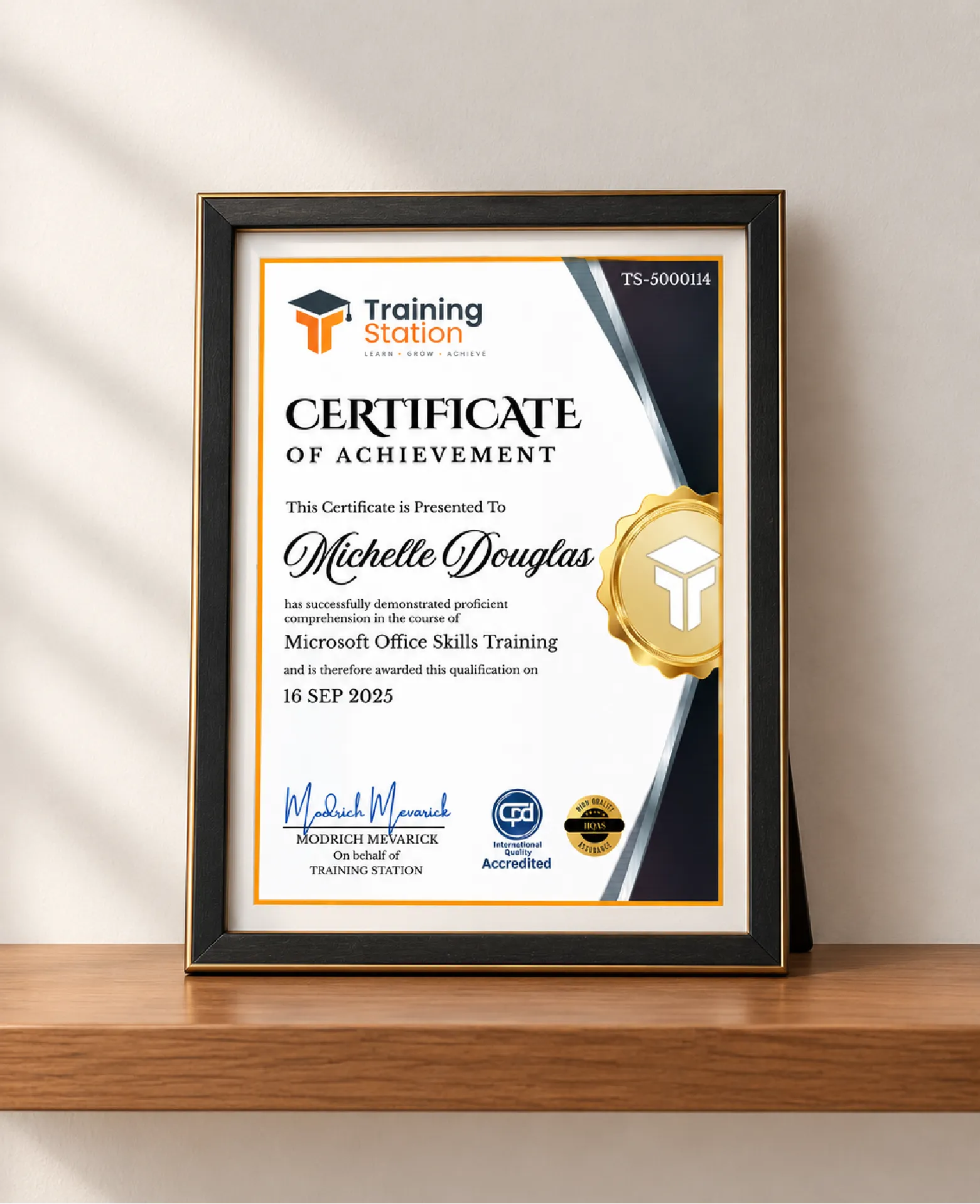
Celebrate your achievement with a CPD-IQ accredited certificate from Training Station! Perfect for showcasing your skills, boosting your career, and enhancing your professional profile.
Get this CourseOur Courses Accreditation




Frequently Asked Questions
Fully online through PDF materials and video lessons. Learn anytime, anywhere.
Self-paced: complete it in a week or spread it over months.
No. The course is beginner-friendly.
Yes. Instructor support is available Monday to Friday.
Yes. We offer a 14-day money-back guarantee.
 Access all courses for Only £99