

Diploma in Fire Safety Regulations
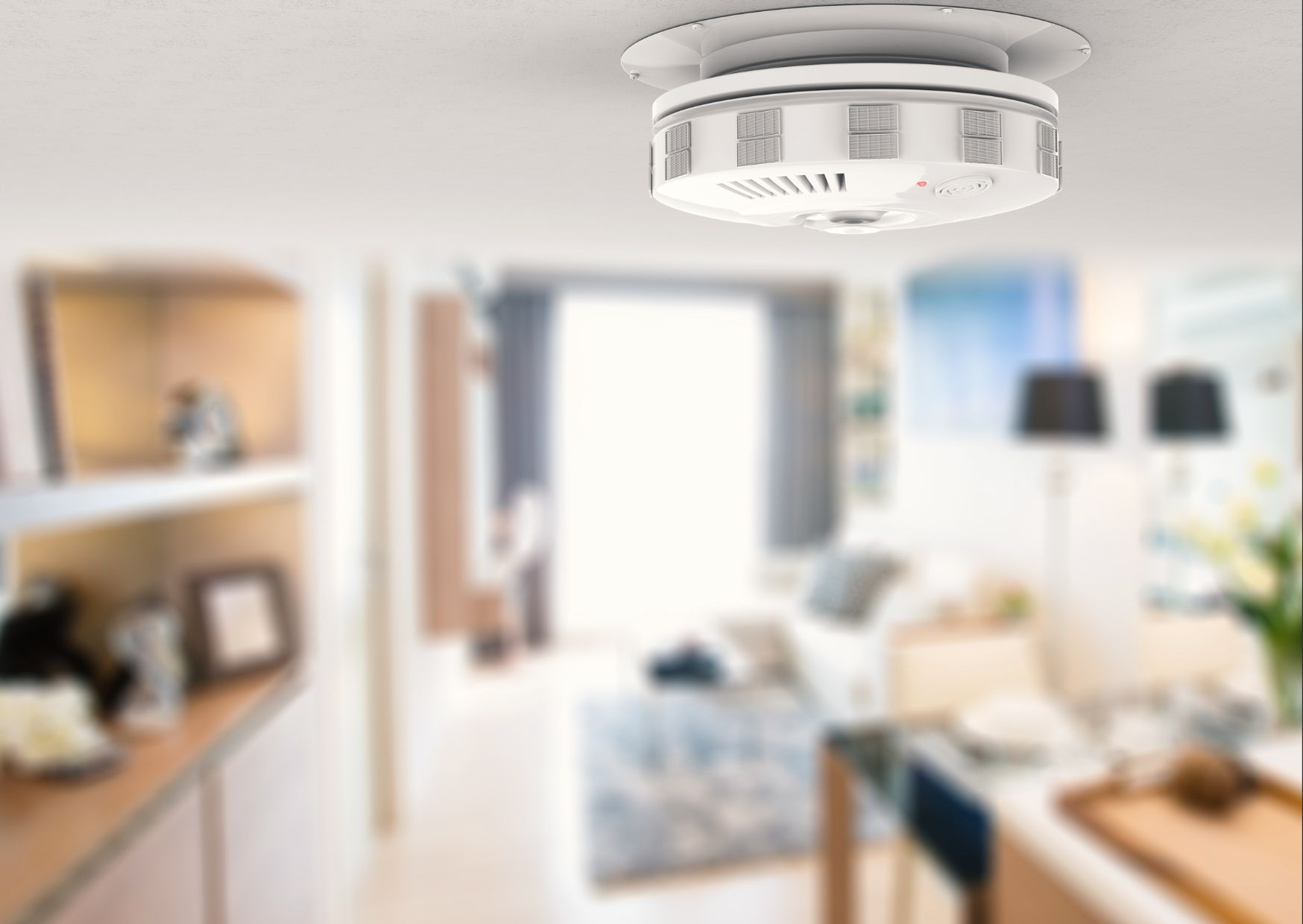
Overview
Diploma in Fire Safety Regulations
Overview
Fire safety is one of the most critical aspects of workplace management, building operations, and public safety. Every year, fire-related incidents cause significant damage to property, disrupt businesses, and place lives at risk. Understanding fire safety regulations, prevention strategies, emergency response procedures, and risk management techniques has become essential for employers, employees, facility managers, safety officers, and anyone responsible for maintaining a safe environment.
The Diploma in Fire Safety Regulations is a comprehensive training programme designed to provide learners with the practical knowledge and professional understanding required to identify fire hazards, implement preventive measures, comply with fire safety regulations, and respond effectively during emergencies. This course explores the science behind fire behaviour, fire prevention methods, risk assessment procedures, fire detection systems, firefighting equipment, and emergency evacuation planning.
Whether you are beginning your career in health and safety, managing workplace compliance, overseeing facilities, or seeking to improve your professional qualifications, the Diploma in Fire Safety Regulations provides the skills and confidence necessary to create safer environments and contribute to effective fire safety management.
Course Description
The Diploma in Fire Safety Regulations has been developed to provide a complete understanding of fire safety principles and regulatory requirements. The course begins by introducing the foundations of fire safety and progresses through increasingly advanced topics, including the chemistry and physics of fire, fire risk assessment, prevention techniques, detection systems, firefighting equipment, and emergency response procedures.
Throughout this diploma programme, learners will gain valuable insights into how fires start, spread, and can be controlled. The course also examines practical fire prevention strategies applicable to residential, commercial, industrial, and public buildings. By understanding both the theoretical and practical aspects of fire safety, learners can help reduce risks, improve compliance, and enhance overall workplace safety.
By the end of the Diploma in Fire Safety Regulations, learners will possess the knowledge required to identify potential fire hazards, conduct risk assessments, implement safety measures, understand fire protection systems, and support emergency preparedness initiatives within a variety of settings.
What You Will Learn in Diploma in Fire Safety Regulations
Module 1 – Introduction to Fire Safety
This foundational module introduces learners to the importance of fire safety and its role in protecting people, property, and business operations.
Topics Covered:
Fundamentals of fire safety
Importance of fire prevention
Legal responsibilities and compliance
Common fire hazards
Fire safety culture in organizations
Roles and responsibilities during fire emergencies
Learning Outcomes:
Understand the significance of fire safety management
Identify common workplace fire risks
Recognize the importance of fire safety regulations
Develop awareness of personal and organizational responsibilities
Module 2 – Chemistry and Physics of Fire
Understanding how fire behaves is essential for effective prevention and response. This module explores the scientific principles behind combustion and fire development.
Topics Covered:
Fire triangle and fire tetrahedron
Combustion processes
Heat transfer mechanisms
Stages of fire development
Fire spread dynamics
Different classes of fire
Learning Outcomes:
Understand how fires ignite and spread
Identify factors that contribute to combustion
Distinguish between various fire classifications
Apply fire science principles to risk reduction
Module 3 – Fire Risk Assessment Overview
Fire risk assessments form the foundation of effective fire safety management. This module introduces the systematic process of evaluating and managing fire hazards.
Topics Covered:
Purpose of fire risk assessments
Hazard identification techniques
Risk evaluation procedures
Assessing vulnerable individuals
Documentation and reporting
Implementing corrective actions
Learning Outcomes:
Conduct basic fire risk assessments
Identify potential sources of ignition
Evaluate fire-related risks within buildings
Recommend practical safety improvements
Module 4 – Fire Prevention
Prevention remains the most effective approach to fire safety. This module focuses on reducing the likelihood of fire incidents through proactive measures.
Topics Covered:
Fire prevention principles
Housekeeping and workplace safety
Electrical safety practices
Safe storage of combustible materials
Hot work controls
Employee awareness and training
Learning Outcomes:
Develop effective fire prevention strategies
Reduce ignition risks in various environments
Implement safer workplace practices
Promote fire safety awareness among occupants
Module 5 – Fire Prevention in Your Building
Every building presents unique fire safety challenges. This module focuses on building-specific prevention measures and fire protection planning.
Topics Covered:
Building fire safety management
Structural fire protection
Fire compartmentation
Safe building design considerations
Inspection and maintenance procedures
Occupancy-specific fire risks
Learning Outcomes:
Assess fire safety requirements within buildings
Understand passive fire protection measures
Improve building fire prevention systems
Support ongoing compliance and maintenance activities
Module 6 – Fire Detection and Warning Systems
Early detection plays a critical role in protecting lives and minimizing damage. This module examines fire detection technologies and warning systems.
Topics Covered:
Types of fire detection systems
Smoke detectors and heat detectors
Fire alarm systems
Emergency communication systems
System maintenance requirements
Regulatory standards and best practices
Learning Outcomes:
Understand fire detection technologies
Recognize the importance of early warning systems
Evaluate alarm system effectiveness
Support proper inspection and maintenance procedures
Module 7 – Firefighting Equipment and Facilities
Firefighting equipment provides the first line of defense during fire emergencies. This module explores the equipment used to suppress and control fires.
Topics Covered:
Portable fire extinguishers
Extinguisher classifications and uses
Fire hose reels
Sprinkler systems
Fire suppression systems
Equipment inspection and maintenance
Learning Outcomes:
Select appropriate firefighting equipment
Understand extinguisher types and applications
Support fire equipment maintenance programs
Improve emergency preparedness within facilities
Module 8 – Emergency Escape and Fire Fighting
A well-planned emergency response can save lives. This final module focuses on evacuation procedures and emergency fire response strategies.
Topics Covered:
Emergency evacuation planning
Escape routes and assembly points
Fire drills and training exercises
Emergency response coordination
Roles of fire wardens
Firefighting during emergencies
Learning Outcomes:
Develop effective evacuation procedures
Support emergency preparedness initiatives
Coordinate fire safety responses
Enhance occupant safety during emergencies
Who Is This Course For?
The Diploma in Fire Safety Regulations is suitable for:
Health and Safety Officers
Fire Safety Officers
Facility Managers
Building Managers
Property Managers
Construction Professionals
Site Supervisors
Risk Assessment Personnel
Compliance Officers
Business Owners
HR and Operations Managers
Security Personnel
Emergency Response Team Members
Workplace Safety Representatives
Anyone seeking fire safety knowledge and certification
No previous experience is required, making this course suitable for both beginners and experienced professionals.
Requirements
There are no formal prerequisites for enrolling in the Diploma in Fire Safety Regulations.
Learners should have:
Basic English reading and comprehension skills
Access to a computer, tablet, or smartphone
Internet connection for online learning
Interest in workplace safety and fire prevention
A willingness to learn and apply fire safety principles is all that is needed to successfully complete the course.
Career Path
Completing the Diploma in Fire Safety Regulations can support career development across multiple industries where safety and compliance are essential.
Potential career opportunities include:
Fire Safety Officer
Health and Safety Officer
Fire Risk Assessor
Facilities Manager
Building Safety Coordinator
Property Manager
Compliance Officer
Construction Safety Supervisor
Emergency Planning Officer
Workplace Safety Consultant
Fire Protection Technician
Safety Compliance Manager
The knowledge gained can also enhance existing professional qualifications and support advancement into leadership and compliance-focused roles.
FAQ
1. What is the Diploma in Fire Safety Regulations?
The Diploma in Fire Safety Regulations is a comprehensive training programme that teaches fire prevention, fire risk assessment, emergency response, fire detection systems, and fire safety compliance requirements.
2. Do I need previous fire safety experience?
No. The course is designed for complete beginners as well as professionals seeking to strengthen their fire safety knowledge.
3. How long does it take to complete the course?
The completion time varies depending on individual learning pace. Most learners can complete the course over several weeks of flexible study.
4. Is the course suitable for workplace safety professionals?
Yes. The course provides valuable knowledge for health and safety officers, compliance professionals, managers, and supervisors.
5. Will I learn how to conduct fire risk assessments?
Yes. The course includes a dedicated module covering fire risk assessment principles, hazard identification, evaluation methods, and reporting procedures.
6. Does the course cover fire alarm and detection systems?
Absolutely. Learners will study fire detection technologies, alarm systems, warning systems, and maintenance requirements.
7. Will I learn about fire extinguishers and firefighting equipment?
Yes. The course explains different types of firefighting equipment, their applications, inspection procedures, and maintenance requirements.
8. Can this course help with workplace compliance?
Yes. The Diploma in Fire Safety Regulations helps learners understand fire safety regulations, compliance obligations, and best practices for maintaining safe environments.
9. Is the course relevant to building and facilities management?
Yes. Facility managers, building managers, and property professionals can benefit greatly from the practical fire safety knowledge provided throughout the course.
10. What skills will I gain after completing the course?
Upon completion, learners will understand fire safety principles, fire prevention strategies, risk assessment techniques, emergency evacuation planning, fire detection systems, and firefighting equipment management, enabling them to contribute effectively to fire safety and compliance initiatives.
Curriculum
Course Content
Module 1 – Introduction to Fire Safety
-
Introduction to Fire Safety
00:00
