

Emergency Response: BLS and CPR Training
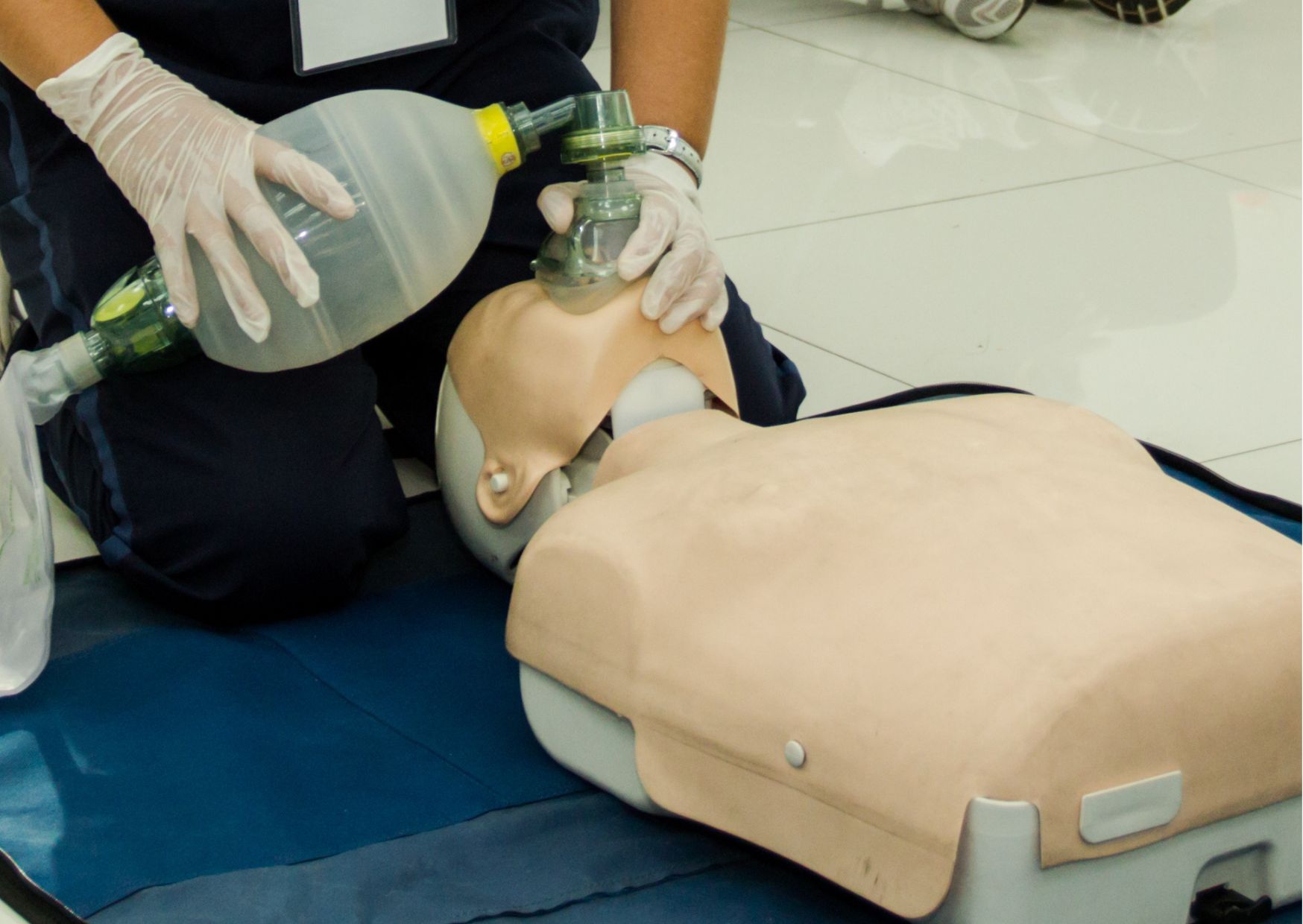
Overview
Emergency Response: BLS and CPR Training
Overview
Medical emergencies can occur without warning, and the ability to respond quickly and effectively can make a critical difference in saving lives. Emergency Response: BLS and CPR Training is a comprehensive professional development course designed to equip learners with the essential knowledge and practical understanding required to respond confidently during life-threatening situations. Whether you are a healthcare professional, workplace responder, caregiver, educator, or simply someone who wants to be prepared for emergencies, this course provides the fundamental skills needed to recognize, assess, and respond to cardiac and respiratory emergencies.
Through structured learning modules, Emergency Response: BLS and CPR Training introduces learners to the principles of Basic Life Support (BLS), cardiopulmonary resuscitation (CPR), airway management, breathing support, and cardiac arrest response protocols. The course combines evidence-based concepts with practical emergency response strategies, enabling participants to understand the critical actions necessary during the first few minutes of an emergency.
By the end of this training, learners will have developed the confidence and competence needed to act decisively in emergency situations while understanding the key procedures that support patient survival and recovery.
Course Description
Emergency Response: BLS and CPR Training is designed to provide a thorough understanding of life-saving emergency response techniques. The course focuses on the critical interventions that can significantly improve outcomes during cardiac arrest, respiratory distress, airway obstruction, and other medical emergencies.
In emergency situations, every second counts. The ability to perform Basic Life Support and CPR effectively can sustain vital organ function until advanced medical assistance becomes available. This course offers learners a step-by-step framework for identifying emergencies, evaluating patient conditions, managing airways, supporting breathing, and applying cardiac arrest response algorithms.
The curriculum has been carefully structured to guide learners from foundational concepts through advanced emergency response procedures. Each module builds upon previous knowledge, creating a comprehensive learning experience that emphasizes both understanding and practical application.
Whether you are seeking professional development, workplace safety training, healthcare preparation, or personal emergency preparedness, Emergency Response: BLS and CPR Training delivers valuable skills that can be applied in real-world scenarios where prompt intervention can save lives.
What You Will Learn in Emergency Response: BLS and CPR Training
Module 1: Introduction to Basic Life Support
This foundational module introduces learners to the principles and objectives of Basic Life Support (BLS). Participants will explore the importance of early intervention during emergencies and understand how immediate actions contribute to improved survival rates.
Topics covered include:
Understanding the purpose and scope of Basic Life Support
The chain of survival and its significance
Recognizing life-threatening emergencies
Scene safety assessment procedures
Initial patient evaluation techniques
Activating emergency medical services
Roles and responsibilities of emergency responders
Ethical considerations in emergency care
By completing this module, learners will gain a strong understanding of the critical role Basic Life Support plays in emergency medical response.
Module 2: Cardiopulmonary Resuscitation (CPR)
CPR remains one of the most important life-saving interventions in emergency medicine. This module provides an in-depth examination of cardiopulmonary resuscitation techniques and procedures.
Topics covered include:
Principles of effective CPR
Identifying cardiac arrest situations
Adult CPR procedures
Compression techniques and quality standards
Rescue breathing fundamentals
Compression-to-ventilation ratios
Common CPR errors and how to avoid them
Understanding the importance of uninterrupted chest compressions
CPR considerations for various emergency scenarios
Upon completion, learners will understand how CPR supports circulation and oxygen delivery during cardiac emergencies.
Module 3: Airway Management
Maintaining an open airway is essential for effective emergency care. This module focuses on airway assessment and management strategies used to ensure adequate oxygen delivery.
Topics covered include:
Airway anatomy and physiology
Identifying airway obstructions
Causes of airway compromise
Airway assessment procedures
Airway opening techniques
Head tilt-chin lift method
Jaw thrust maneuver
Recognizing signs of airway distress
Managing unconscious patients
Preventing airway complications
Learners will develop a comprehensive understanding of airway management principles and their role in successful emergency response.
Module 4: Breathing Management
Breathing management is a critical component of emergency medical intervention. This module explores how responders assess and support respiratory function during emergencies.
Topics covered include:
Respiratory system fundamentals
Assessing breathing effectiveness
Recognizing respiratory distress
Oxygenation and ventilation concepts
Rescue breathing techniques
Monitoring respiratory status
Identifying breathing abnormalities
Supporting patients with compromised respiration
Emergency breathing interventions
Best practices for respiratory support
By mastering these concepts, learners will be better prepared to respond to respiratory emergencies and support patient survival.
Module 5: Cardiac Arrest Algorithms
The final module focuses on systematic approaches to managing cardiac arrest emergencies. Learners will explore structured response algorithms designed to improve decision-making and patient outcomes.
Topics covered include:
Understanding cardiac arrest response systems
Emergency assessment protocols
Decision-making during cardiac emergencies
Recognition of shockable and non-shockable rhythms
Advanced cardiac arrest response principles
Team-based emergency response coordination
Continuous patient monitoring
Post-resuscitation considerations
Emergency communication strategies
Improving response efficiency under pressure
This module helps learners develop a systematic framework for managing complex emergency situations while maintaining confidence and accuracy.
Who Is This Course For?
Emergency Response: BLS and CPR Training is suitable for a wide range of learners, including:
Healthcare professionals seeking foundational emergency response knowledge
Medical and nursing students
Workplace first aid personnel
Teachers and educational staff
Childcare providers and caregivers
Fitness trainers and sports coaches
Security personnel
Community volunteers
Emergency preparedness enthusiasts
Anyone interested in learning life-saving skills
No prior medical experience is required, making the course accessible to both beginners and professionals.
Requirements
There are no formal prerequisites for enrolling in Emergency Response: BLS and CPR Training.
Learners should have:
A willingness to learn emergency response procedures
Basic literacy and communication skills
Access to a computer, tablet, or smartphone
An internet connection for online learning
The course is designed to accommodate learners from all educational and professional backgrounds.
Career Path
Completing Emergency Response: BLS and CPR Training can support career development across numerous sectors where emergency preparedness and safety awareness are valued.
Potential career pathways include:
Healthcare Assistant
Nursing Support Worker
Caregiver
Residential Care Worker
Community Support Worker
School Support Staff
Workplace Safety Officer
Occupational Health Assistant
Fitness Instructor
Sports Coach
Emergency Response Volunteer
Security Officer
First Aid Team Member
Public Health Support Roles
The skills acquired through this course can also strengthen professional profiles and enhance workplace safety competencies across many industries.
Frequently Asked Questions (FAQ)
1. What is Emergency Response: BLS and CPR Training?
Emergency Response: BLS and CPR Training is a professional course that teaches the essential principles of Basic Life Support, CPR, airway management, breathing support, and cardiac arrest response procedures.
2. Do I need any previous medical experience?
No. The course is designed for beginners as well as professionals seeking to strengthen their emergency response knowledge.
3. What is Basic Life Support (BLS)?
Basic Life Support refers to a set of emergency procedures used to maintain circulation, breathing, and airway function until advanced medical assistance arrives.
4. Why is CPR important?
CPR helps maintain blood circulation and oxygen delivery to vital organs during cardiac arrest, increasing the chances of survival.
5. Will I learn airway management techniques?
Yes. The course includes comprehensive training on airway assessment, airway opening procedures, and managing airway-related emergencies.
6. Is this course suitable for workplace safety training?
Absolutely. Emergency Response: BLS and CPR Training provides valuable emergency preparedness knowledge applicable across many workplace environments.
7. Can caregivers benefit from this course?
Yes. Caregivers often encounter situations where emergency response skills can be highly beneficial, making this course particularly relevant.
8. How long does it take to complete the course?
Completion time varies depending on individual study pace, allowing learners to progress through the material flexibly.
9. What skills will I gain from this course?
You will gain knowledge of Basic Life Support, CPR procedures, airway management, breathing support techniques, and cardiac arrest response protocols.
10. How can this course help my career?
The course enhances emergency preparedness skills, demonstrates commitment to safety, and supports career development in healthcare, education, fitness, caregiving, and workplace safety sectors.
Curriculum
Course Content
Module 1_ Introduction to Basic Life Support.
-
Introduction to Basic Life Support.
00:00
