
CCTV Operator Training Course: Surveillance, Monitoring and UK Security Procedures
- Access
- Lifetime
- Assistance
- Expert Tutor Support
- Flexibility
- Learn Anytime, Anywhere
Overview
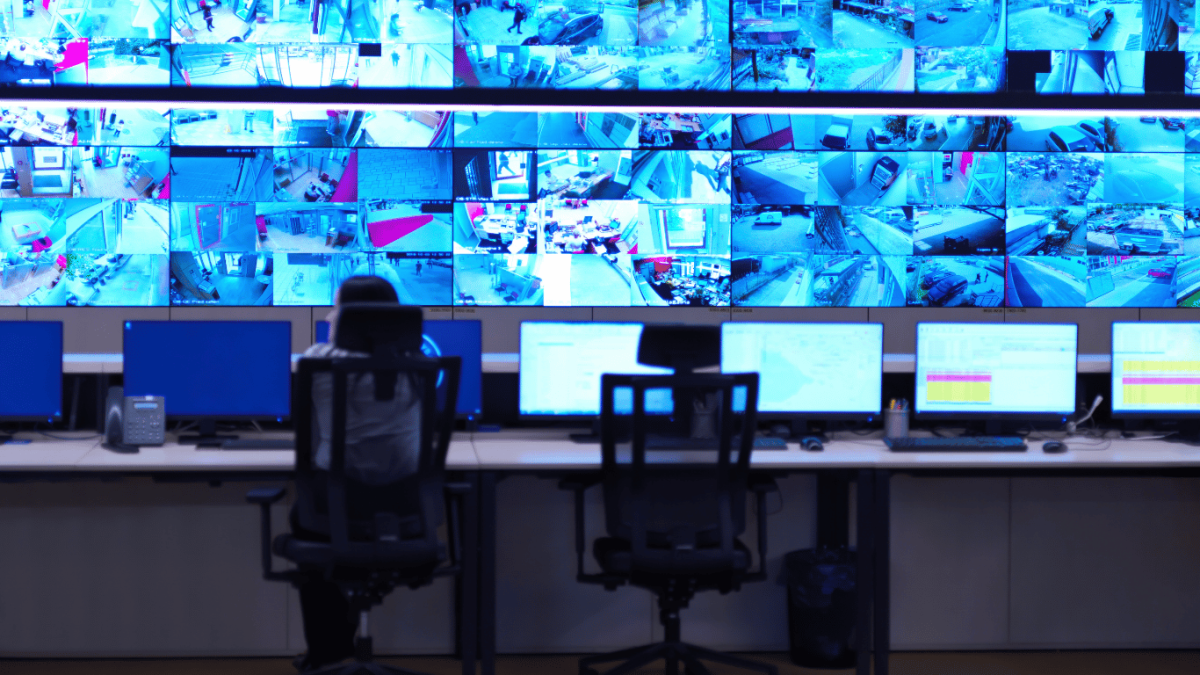
Closed-circuit television (CCTV) systems are widely used to support security, protect property, monitor public and private spaces and assist organisations in responding to incidents. CCTV operators play an important role in observing camera feeds, identifying unusual activity, recording relevant information and communicating concerns through appropriate procedures.
The CCTV Operator Training Course introduces the principles of CCTV monitoring and the responsibilities associated with operating surveillance systems. You will explore the purpose of CCTV, different camera types, monitoring equipment, control room procedures and the importance of accurate incident reporting.
The course also examines observation skills, communication, confidentiality, privacy, data protection and professional conduct. You will develop an understanding of why CCTV operators must remain attentive, follow organisational instructions and handle recorded information responsibly.
Whether you are interested in security, facilities management, retail protection or surveillance operations, this course can help you understand the knowledge and responsibilities associated with CCTV work.
In the UK, certain CCTV roles fall within the scope of Security Industry Authority (SIA) licensing requirements. Completing an awareness course does not automatically provide an SIA licence or qualify you to work in a licensable security role. Learners should check current SIA requirements and any required recognised training and assessments.
What You Will Learn
-
The purpose and applications of CCTV systems.
-
Different CCTV camera types and equipment.
-
Basic monitoring system components.
-
Control room responsibilities.
-
Observation and attention to detail.
-
Recognising suspicious or unusual activity.
-
Incident recording and reporting.
-
Communication and escalation procedures.
-
CCTV privacy and data protection awareness.
-
Confidentiality and professional conduct.
-
Health and safety in monitoring environments.
-
The role of CCTV within wider security operations.
-
UK security industry awareness and SIA licensing considerations.
Course Modules
Module 1: Introduction to CCTV and Security Monitoring
Understand the purpose of CCTV and how surveillance systems support security operations. Explore applications in retail, commercial premises, public environments and residential settings.
Module 2: CCTV Systems and Equipment
Discover the main components of CCTV systems, including cameras, monitors, recording devices, storage equipment and control interfaces. Understand how these components contribute to monitoring and recording.
Module 3: Types of CCTV Cameras
Explore common camera types and their general applications. Understand the differences between fixed cameras, dome cameras, bullet cameras, PTZ cameras and other surveillance equipment.
Module 4: CCTV Monitoring and Control Room Operations
Learn about the responsibilities associated with monitoring camera feeds. Explore attention management, shift procedures, communication and the importance of following control room instructions.
Module 5: Observation and Situational Awareness
Develop awareness of how operators observe activity and identify unusual behaviour or incidents. Understand why accurate observation requires concentration, context and objective judgement.
Module 6: Recognising and Responding to Incidents
Explore how operators may identify security concerns, accidents, unauthorised access and suspicious activity. Understand the importance of following established escalation procedures rather than acting outside your authority.
Module 7: Incident Reporting and Record Keeping
Learn why accurate and timely incident records are important. Explore objective descriptions, timestamps, relevant details and the importance of avoiding assumptions.
Module 8: Communication and Team Coordination
Understand how CCTV operators communicate with security colleagues, supervisors and relevant emergency services. Explore clear radio communication, concise reporting and appropriate escalation.
Module 9: CCTV Footage and Evidence Awareness
Develop an understanding of how recorded footage may be relevant to investigations. Explore the importance of preserving information, following authorised procedures and maintaining appropriate records.
Module 10: Data Protection and Privacy
Explore the privacy responsibilities associated with surveillance. Understand the importance of lawful and proportionate monitoring, appropriate access controls, retention arrangements and confidentiality.
Module 11: Professional Ethics and Conduct
Understand the importance of impartiality, integrity and professional behaviour. Explore why surveillance information must never be accessed, shared or used for unauthorised purposes.
Module 12: Health and Safety in CCTV Environments
Learn about common risks in control room and security environments. Explore workstation awareness, shift arrangements, emergency procedures and the importance of following workplace safety policies.
Module 13: CCTV and Wider Security Operations
Understand how CCTV monitoring can work alongside access control, patrols, alarms and other security measures. Explore the importance of coordinated security arrangements.
Module 14: UK Security Industry and Career Development
Explore the responsibilities of CCTV operators and the wider security sector. Understand the distinction between general awareness training and the recognised training, assessment and licensing requirements that may apply to professional CCTV work in the UK.
Who Is This Course For?
This course may be useful for:
-
Beginners interested in CCTV operations.
-
Aspiring security professionals.
-
Security guards seeking wider surveillance awareness.
-
Retail security staff.
-
Facilities management employees.
-
Building and site support staff.
-
Individuals interested in control room environments.
-
Business owners responsible for premises security.
-
People exploring the UK security industry.
It is suitable for learners who want to understand CCTV monitoring before pursuing further recognised training.
Requirements / Prerequisites
No formal academic qualifications or previous CCTV experience are required for this introductory course.
Basic computer literacy, attention to detail and clear communication skills will be beneficial. Access to an internet-connected device is recommended for online study.
If you intend to work in a role that requires an SIA CCTV Public Space Surveillance (PSS) licence, you must meet the current SIA eligibility and training requirements. This course does not automatically provide that licence or replace recognised qualifications, examinations or other required checks.
Skills You Can Develop
Observation: Develop awareness of how CCTV operators monitor activity and identify relevant events.
Attention to detail: Understand the importance of accurate observation and objective reporting.
Communication: Explore clear incident reporting and appropriate escalation.
Technical awareness: Become familiar with common CCTV equipment and monitoring arrangements.
Confidentiality: Understand why surveillance information must be handled responsibly.
Professional judgement: Recognise the importance of following procedures and avoiding assumptions.
Security awareness: Understand how CCTV contributes to wider security operations.
Career Path
CCTV awareness may support exploration of roles such as:
-
CCTV Control Room Assistant
-
Security Operations Assistant
-
Surveillance Support Assistant
-
Security Guard
-
Retail Security Assistant
-
Facilities Security Assistant
-
Site Security Support Worker
-
Control Room Support Assistant
Some CCTV and security positions are subject to SIA licensing. Professional progression may require an approved qualification, relevant assessment, licence application and eligibility checks. Requirements should be confirmed directly with the SIA before pursuing employment.
Learning Outcomes
After completing this course, you should be able to explain the purpose of CCTV, identify common system components, understand monitoring responsibilities, recognise the importance of observation, describe incident reporting procedures and explain basic privacy and data protection considerations.
You should also understand why CCTV operators must follow authorised procedures, maintain confidentiality and communicate concerns appropriately.
Professional Development and Future Opportunities
Further learning may include recognised SIA CCTV training, security operations, access control, conflict management, emergency procedures and data protection. Practical experience and an understanding of current security industry requirements can help you prepare for relevant employment opportunities.
Take the Next Step
Develop your understanding of CCTV monitoring and security operations with this training course. Explore surveillance equipment, observation, incident reporting, communication and privacy responsibilities while building awareness of the skills and requirements associated with CCTV work in the UK.
Curriculum
- Cctv Operational Requirements And Best Practices Code
- Module 1 Study Guide
- Cctv Operator Skills And Ability
- Module 2 Study Guide
- Foundations Of Cctv Installation And Component Integration
- Module 3 Study guide
- Technical Standards For Cctv System Guidance
- Module 4 Study guide
- The Cctv Operator’S Guide To Vigilant Monitoring
- Module 5 Study Guide
- Watch Surveillance And Cctv Operating Procedures
- Module 6 Study Guide
- Gdpr Compliance And Data Protection For Cctv Operations
- Module 7 Study Guide
- Professional Standards And Job Requirements For Cctv Operators
- Module 8 Study Guide
- Cctv Control Room Operational Procedures
- Module 9 Study Guide
- Crime, Incidents And Cctv Operator Response
- Module 10 Study Guide

Celebrate your achievement with a CPD-IQ accredited certificate from Training Station! Perfect for showcasing your skills, boosting your career, and enhancing your professional profile.
Get this CourseOur Courses Accreditation






Frequently Asked Questions
Fully online through PDF materials and video lessons. Learn anytime, anywhere.
Self-paced: complete it in a week or spread it over months.
No. The course is beginner-friendly.
Yes. Instructor support is available Monday to Friday.
Yes. We offer a 14-day money-back guarantee.
 Access all courses for Only £99