

AI in Logistics: Streamlining Supply Chains
Overview
“AI in Logistics: Streamlining Supply Chains” is a cutting-edge, industry-focused course designed to empower learners, professionals, and business leaders with the essential skills to implement artificial intelligence across logistics, transportation, warehousing, and supply chain operations. As the global logistics sector shifts toward smarter, data-driven systems, the ability to understand, deploy, and manage AI in logistics has become one of the most valuable and future-proof skill sets.
This course delivers a complete, practical, and highly structured learning experience that walks you through the foundations of AI, predictive analytics, automation, warehouse robotics, route optimization, supply chain transparency, inventory control, green logistics, last-mile efficiency, cybersecurity, and the future of AI adoption in the UK logistics market.
Whether you work in supply chain management, transportation planning, freight operations, warehouse supervision, procurement, or logistics technology, “AI in Logistics: Streamlining Supply Chains” gives you the tools to unlock higher productivity, lower operational costs, and smarter decision-making—far beyond traditional supply chain practices.
Description
“AI in Logistics: Streamlining Supply Chains” is a fully comprehensive training programme crafted to teach learners how artificial intelligence is transforming the movement, storage, traceability, and delivery of goods worldwide. With the rise of automation, robotics, real-time analytics, and predictive modelling, logistics professionals must understand how AI works, where it fits, and how to apply it effectively.
This course demystifies AI while offering practical, real-world applications that can be deployed across diverse logistics functions. You will explore everything from automated warehouses to digital twins, sensor-driven supply chain visibility, route-optimizing algorithms, and AI-powered customer experience systems. In addition, you will gain insight into cybersecurity, risk mitigation, and the growing sustainability initiatives reshaping global logistics.
Each module of “AI in Logistics: Streamlining Supply Chains” is meticulously designed:
Module 1: Introduction to AI in Logistics
You begin with a foundational understanding of what AI is, how it works, and why it has become indispensable in modern logistics. You will learn how machine learning, neural networks, natural language processing, and AI-driven automation provide solutions to long-standing logistical challenges such as inefficiency, delays, miscommunication, and unpredictable demand shifts.
You will also explore the global impact and economic value of AI-driven logistics transformation.
Module 2: Data and Predictive Analytics in Supply Chains
Data is the backbone of supply chain intelligence. This module teaches you how data flows through the logistics ecosystem and how AI models interpret this data to forecast demand, identify bottlenecks, predict disruptions, and strengthen strategic planning.
You will learn about demand forecasting, trend analysis, inventory modelling, predictive maintenance, and real-time analytical dashboards.
Module 3: Warehouse Automation and Robotics
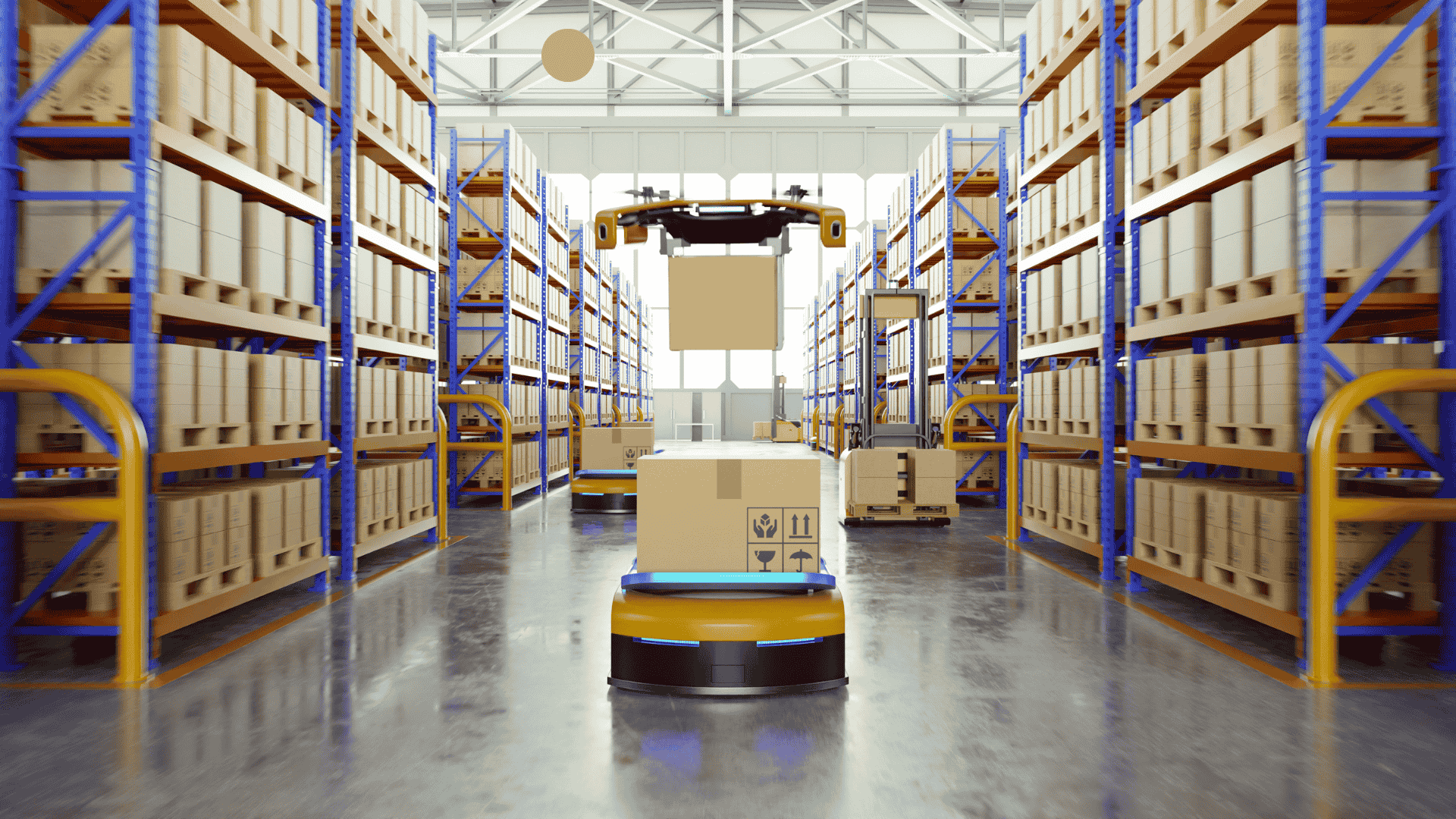
Warehousing is undergoing a revolution. In this module, you dive into robotic picking systems, automated guided vehicles (AGVs), autonomous mobile robots (AMRs), smart shelving, drone-based stock monitoring, and AI-driven warehouse management systems (WMS). You will understand how robotics increase speed, accuracy, and labour productivity.
The module explains how AI optimizes layout, enhances workflow efficiency, and reduces operational costs.
Module 4: Transportation and Route Optimization
Transportation is one of the most cost-intensive aspects of logistics. Here, you explore route optimization algorithms, dynamic fleet management, telematics, intelligent scheduling tools, and AI-powered traffic prediction. You will learn how AI reduces fuel consumption, enhances driver safety, shortens delivery times, and improves asset utilisation.
This module includes real-world case studies from global transportation providers.
Module 5: Supply Chain Visibility and Transparency
Supply chain visibility is no longer optional. AI provides full transparency across the supply chain, enabling real-time monitoring, tracking, and information sharing. In this module, you explore IoT sensors, RFID systems, blockchain integration, digital twins, and AI-powered traceability tools.
You will learn how visibility prevents delays, improves compliance, and enhances customer satisfaction.
Module 6: Inventory and Demand Management
Inventory mismanagement is one of the largest drivers of financial waste in logistics. AI helps maintain the perfect balance between stock availability and cost efficiency. This module covers AI-driven demand planning, adaptive replenishment models, stockout prevention, safety-stock optimization, and automated ordering.
You will understand how predictive algorithms reduce waste and increase profitability.
Module 7: Sustainability and Green Logistics
With rising environmental regulations and stakeholder expectations, green logistics is essential. This module explores how AI supports eco-friendly logistics through carbon-tracking tools, fuel-efficient routing, emission-reduction modelling, energy-efficient warehouse automation, and sustainable procurement.
You will learn how companies can meet sustainability targets while reducing expenses.
Module 8: Customer Experience and Last-Mile Delivery
Last-mile delivery is the most expensive and customer-visible part of the logistics chain. AI improves customer experience through intelligent dispatching, drone delivery systems, autonomous delivery robots, real-time tracking, smart notifications, and automated customer communication.
You will explore how AI transforms last-mile performance while enhancing brand loyalty.
Module 9: Risk Management and Cybersecurity in Logistics AI
As logistics systems become more digital and connected, cybersecurity becomes a major concern. This module teaches you about risk modelling, threat detection, cyber-attack prevention, fraud mitigation, and secure system integration.
You will explore how to protect AI systems, data flows, sensors, and operational networks in logistics.
Module 10: The Future of AI in UK Logistics
The course concludes with a forward-looking analysis of how the UK logistics sector is evolving through AI adoption. You will discover upcoming trends, career opportunities, government initiatives, regulatory frameworks, and emerging technologies shaping the next generation of logistics.
This module empowers you to stay ahead of industry change and maximize future opportunities.
Throughout the entire programme, “AI in Logistics: Streamlining Supply Chains” emphasizes practical training, real-world insights, and hands-on understanding—making it accessible even to beginners while highly valuable for professionals.
By the end of this course, you will have a deep understanding of how AI can revolutionize logistics processes, enhance efficiency, reduce costs, and create a competitive advantage across all supply chain operations.
Who Is This Course For
“AI in Logistics: Streamlining Supply Chains” is designed for a wide audience, including:
-
Logistics professionals seeking to adopt AI tools
-
Supply chain managers and planners
-
Warehouse supervisors and operations managers
-
Transportation coordinators and fleet managers
-
Procurement and inventory specialists
-
Freight forwarders and distribution centre leaders
-
Business owners or executives wanting to modernize operations
-
Students or job-seekers aiming to enter the logistics industry
-
Tech enthusiasts interested in AI applications
-
Anyone wanting to upgrade their career with future-ready skills
You do not need prior AI knowledge to take this course. The course starts from the basics and builds up to advanced applications. Whether you want professional advancement, industry knowledge, or business transformation, this course gives you the tools to succeed.
FAQ
How long is the “AI in Logistics: Streamlining Supply Chains” course?
The course is self-paced, allowing you to study at your convenience. Most learners complete it within 2–4 weeks, depending on their schedule.
Do I need technical experience to understand the lessons?
No. “AI in Logistics: Streamlining Supply Chains” is designed for all levels of learners. Even if you have never worked with AI or data tools before, the course explains everything clearly and gradually.
Will I receive a certificate after completing the course?
Yes. You will receive a digital certificate upon completion, which you can add to your CV, LinkedIn profile, or job applications.
How practical is the course content?
The course focuses heavily on real-world applications, examples, and case studies. Every module shows how AI is used in logistics operations today and how you can apply the concepts immediately.
Is this course relevant outside the UK?
Absolutely. Although one module focuses on the future of AI in UK logistics, the concepts, tools, and techniques apply globally.
Does the course cover job opportunities in logistics and AI?
Yes. The course provides insights into emerging roles, future skills, and industry demands—helping you position yourself for high-growth career paths.
Can business owners benefit from this course?
Definitely. “AI in Logistics: Streamlining Supply Chains” is ideal for business leaders who want to automate operations, reduce costs, improve efficiency, and modernize their logistics systems.
What makes this course different?
This course bridges the gap between logistics operations and artificial intelligence. It is comprehensive, easy to follow, industry-relevant, and designed to prepare learners for the rapidly evolving logistics landscape.
Does the course include future trends in logistics technology?
Yes. The final module focuses on upcoming innovations, emerging AI tools, and major developments expected in the next decade.
Curriculum
Course Content
AI in Logistics: Streamlining Supply Chains
-
Module 1_ Introduction to AI in Logistics
00:00 -
Module 2_ Data and Predictive Analytics in Supply Chains
00:00 -
Module 3_ Warehouse Automation and Robotics
00:00 -
Module 4_ Transportation and Route Optimization
00:00 -
Module 5_ Supply Chain Visibility and Transparency
00:00 -
Module 6_ Inventory and Demand Management
00:00 -
Module 7_ Sustainability and Green Logistics
00:00 -
Module 8_ Customer Experience and Last-Mile Delivery
00:00 -
Module 9_ Risk Management and Cybersecurity in Logistics AI
00:00 -
Module 10_ The Future of AI in UK Logistics
00:00
