
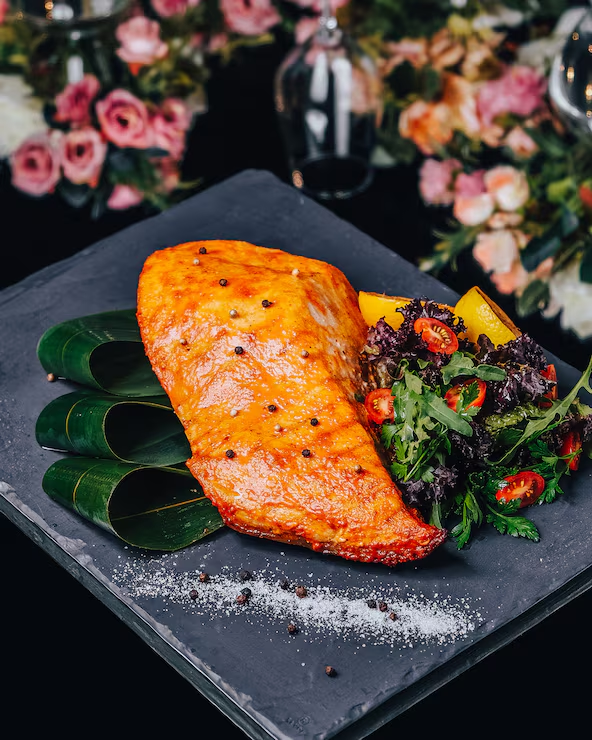
Can you reheat salmon nicely? Yes — and when done correctly, it can taste just as satisfying as it did the night before.
Quick Overview
This guide explains can you reheat salmon safely, including when it is safe, when it is not, and the key food safety rules to follow when storing and reheating leftovers.
You will learn:
✅ The safest way to cool and store cooked salmon so you can can you reheat salmon safely later
✅ How to reheat salmon using the oven, air fryer, hob, microwave, and other methods while still asking can you reheat salmon nicely
✅ Why salmon should only be reheated once and what happens when people try to can you reheat salmon more than once
✅ Common mistakes that increase food poisoning risk when people try to can you reheat salmon incorrectly
✅ FAQs like can you reheat salmon the next day, can you reheat salmon twice, and more to help you understand can you reheat salmon nicely in different situations
Whether you’ve got leftover salmon fillet from last night’s dinner, salmon pasta from yesterday’s lunch, or a slice of salmon en croûte from a weekend meal, reheating it safely is absolutely possible when proper food hygiene practices are followed.
That said, fish is one of those foods where getting it wrong really matters. Reheating salmon incorrectly can dry it out, intensify an unpleasant fishy smell, or — more seriously — fail to adequately reduce harmful bacteria that may have developed during storage. According to the UK Food Standards Agency (FSA), there are an estimated 2.4 million cases of food poisoning each year in the UK, with improper handling and reheating of leftovers being a contributing factor.
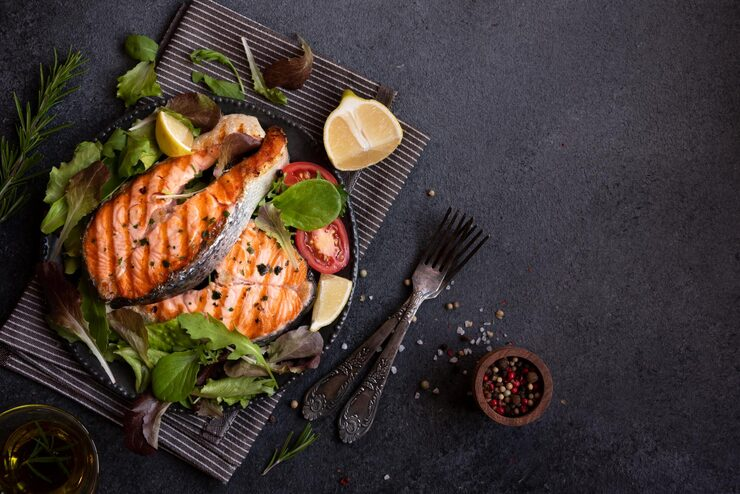
This guide is based on established food safety principles and best practice guidance used in professional kitchens and public health recommendations. It covers everything you need to know: the best reheating methods, UK-recommended food safety temperatures, proper storage techniques, and the most common mistakes to avoid. Whether you’re reheating a plain salmon fillet, salmon fishcakes, salmon Wellington, or salmon pasta, you’ll find clear, practical, and safety-focused advice here.
Can you reheat salmon? Yes, it is safe to reheat salmon, provided it has been stored correctly and is heated all the way through until piping hot.
According to UK food safety guidance, you should only reheat salmon once. The Food Standards Agency (FSA) recommends reheating food to a minimum core temperature of 70°C for at least 2 minutes to ensure harmful bacteria are destroyed.
Salmon, like all fish, can harbour bacteria such as Listeria monocytogenes if it is improperly handled or stored. The good news is that following established food safety guidance significantly reduces any risk.
Here is what the UK’s authoritative bodies state:
The key food safety principles to remember are:
A particular note on smoked salmon: ready-to-eat cold-smoked salmon (often sold in thin slices and labelled simply as “smoked salmon”) has not been fully cooked during production. The FSA and Food Standards Scotland advise that pregnant women, older adults, and individuals with weakened immune systems should avoid eating it without thorough cooking due to the risk of Listeria. If you are adding smoked salmon to hot dishes such as pasta or eggs, ensure it is fully cooked rather than merely warmed through.
Before you can reheat salmon safely — or decide can you reheat salmon and rice, or even can you reheat salmon pasta nicely — correct storage is essential.
Cooked salmon should be cooled within one hour, placed in an airtight container, and refrigerated promptly. It should be consumed within 2–3 days. Never leave cooked salmon at room temperature for more than two hours.
Proper storage is the foundation of food safety. Bacteria multiply rapidly between 8°C and 60°C — a range the FSA defines as the “food hygiene danger zone.” Minimising time spent in this range is critical.
Storage checklist:
Can you freeze salmon to reheat later? Yes. Cooked salmon can be frozen for up to 2–3 months. Defrost it in the fridge overnight — never at room temperature — before reheating.
The oven is widely considered the best method for reheating salmon if you have time. It is particularly effective for maintaining moisture and texture, especially when dealing with dishes like plain fillets or leftovers used in meals such as can you reheat salmon pasta nicely scenarios.
Reheat at a low temperature (around 130–150°C / fan 110–130°C) with the fish covered in foil to retain moisture. Allow approximately 10–15 minutes for a standard fillet.
This method works well because gentle, even heat helps preserve the delicate protein structure of salmon. High heat causes the fish to dry out quickly as moisture escapes and proteins tighten. A low and slow approach is recommended in both home cooking and professional kitchen guidance.
Step-by-step oven method:
Tips for best results:
This method also works well when considering can you reheat salmon and rice, provided both components have been stored safely and reheated until piping hot throughout.
Can you reheat salmon? Yes — and the air fryer is one of the quickest and most effective methods for doing so while maintaining a good texture.
The air fryer is an excellent way to reheat salmon quickly while keeping the outside slightly crisp. Preheat to 160–170°C and heat the salmon for 4–6 minutes. It is faster than the oven and generally produces better texture than the microwave. If you are wondering can you reheat salmon in the microwave, the air fryer is usually a superior alternative in terms of both taste and consistency.
Air fryers have become a kitchen staple in UK homes, and they are widely used for reheating fish safely when handled correctly. The circulating hot air ensures more even heating compared with a microwave.
Step-by-step air fryer method:
Tips for best results:
Can you reheat salmon? Yes — and the skillet method is ideal if you want crisp edges and a more freshly cooked texture.

Reheating salmon in a skillet or frying pan gives you caramelised edges while maintaining moisture. Use a non-stick pan with a small amount of butter or oil over a medium-low heat for 3–4 minutes per side. This method is especially useful when considering can you reheat salmon wellington nicely, as it helps maintain structure without drying the filling.
If you enjoy lightly crisped salmon, the skillet method is one of the best options for can you reheat salmon en croute, as long as you heat it gently and evenly.
Step-by-step skillet method:
Tips for best results:
Can you reheat salmon? Yes — and can you reheat salmon in the microwave is a common question, especially when time is limited. However, this method should be used carefully.
You can reheat salmon in the microwave, but it requires caution due to uneven heating risks. Use 50% power in short bursts of 60–90 seconds, covering the fish with a damp paper towel or microwave-safe lid. Always ensure the salmon is piping hot throughout before eating.
If you are specifically asking can you reheat salmon in the microwave, the key is low power and short intervals to avoid drying and cold spots.
Step-by-step microwave method:
Important food safety note: The Food Standards Agency (FSA) highlights that microwaves can heat unevenly, meaning cold spots may remain. When considering can you reheat salmon in the microwave, always check the centre temperature, not just the surface.
Can you reheat salmon? Yes — but when deciding can you reheat salmon in the microwave, it should generally be a last resort.
The microwave is not the preferred method for reheating salmon due to uneven heating and reduced texture quality. It can also intensify fish odours and dry out the fish quickly compared to other methods. This becomes especially noticeable when asking can you reheat salmon en croute, where pastry texture can become soggy or uneven.
There are two main concerns:
If you must use a microwave, follow the low-power, covered method described above. However, where possible, the oven or air fryer will consistently deliver better results when answering can you reheat salmon in both safety and quality terms.
Can you reheat salmon? Yes — but different salmon-based dishes require different handling techniques to ensure both safety and quality are maintained.
Different salmon dishes have different reheating requirements depending on their ingredients, moisture content, and risk level.
Can you reheat salmon? Yes — and this also applies to mixed dishes like salmon and rice, but extra care is required.
Reheating salmon and rice together requires particular attention to food safety. Rice can contain Bacillus cereus spores, which may survive cooking and produce toxins if rice is left at room temperature for too long. According to UK food safety guidance, rice should be cooled within one hour, refrigerated promptly, consumed within 24 hours, and reheated only once until piping hot throughout.
When considering can you reheat salmon and rice, the safest approach is to reheat thoroughly using either the hob or oven. Stir frequently and ensure all parts reach at least 70°C. The microwave can be used, but it requires careful stirring between intervals to avoid cold spots.
Can you reheat salmon? Yes — and this includes pasta dishes, provided they are stored and reheated correctly.
You can safely reheat salmon pasta by transferring it to a saucepan with a splash of water, milk, or extra sauce to prevent drying out. Heat over a medium temperature, stirring frequently. Alternatively, it can be reheated in the oven. Consume within 1–2 days of cooking.
When asking can you reheat salmon pasta, it is important to note that creamy or butter-based sauces may split or become grainy if overheated. Gentle, controlled heat is recommended.
Can you reheat salmon? Yes — and people often ask can you reheat salmon pasta in the microwave, especially for convenience.
You can reheat salmon pasta in the microwave, but it should be done with caution. Cover the dish, use 50% power, and stir every minute to distribute heat evenly. Adding a small splash of water or extra sauce helps maintain moisture and prevents the salmon from drying out.
When considering can you reheat salmon pasta in the microwave, always ensure the food is steaming hot throughout before consumption, as microwaves can heat unevenly. This aligns with UK Food Standards Agency (FSA) guidance on avoiding cold spots in reheated foods.
Can you reheat salmon? Yes — including baked dishes like salmon en croûte and salmon Wellington, although they require careful reheating.
Salmon en croûte and salmon Wellington can be reheated, but pastry-based dishes are more delicate. The oven is the most suitable method, and an air fryer may also be used at moderate temperatures. The microwave is not recommended, as it will make the pastry soggy.
When asking can you reheat salmon en croûte, reheat at 160–170°C for 15–20 minutes until the centre is piping hot and the pastry is crisp.
To balance safety and texture, you can loosely cover the pastry with foil for the first 10 minutes, then remove it for the final stage to restore crispness.
This same approach applies when considering can you reheat salmon wellington nicely, as both dishes require even heating without overcooking the pastry or drying the filling.
Can you reheat salmon? Yes — and salmon patties and fishcakes reheat particularly well when handled correctly.

Salmon patties and fishcakes are among the easiest salmon dishes to reheat safely. The best methods are the oven (180°C for 10–12 minutes) or a frying pan over medium heat for 3–4 minutes per side. Both methods help maintain a crisp exterior and warm centre.
When asking can you reheat salmon patties nicely, the key is preserving texture while ensuring even internal heating.
Avoid the microwave where possible, as it can make fishcakes soggy and unevenly heated. If reheating from frozen, ensure they are fully thawed first, or increase cooking time and verify that the centre is piping hot throughout in line with UK food safety recommendations.
Can you reheat salmon? Yes — but avoiding common mistakes is essential for both food safety and maintaining good texture.
Even experienced cooks make errors when reheating salmon. Avoiding these ensures safer food and better-tasting leftovers, especially when considering can you reheat salmon the next day and still maintain quality.
Mistake 1: Reheating at too high a temperature
High heat causes the proteins in salmon to contract quickly, forcing out moisture. This results in dry, rubbery fish. Always use low to medium heat regardless of the method. This is particularly important when asking can you reheat salmon without losing quality.
Mistake 2: Skipping the cover
Reheating uncovered — whether in the oven or microwave — allows moisture to escape rapidly. Always cover loosely with foil in the oven or a damp paper towel in the microwave to retain moisture and improve results when considering can you reheat salmon the next day.
Mistake 3: Reheating salmon more than once
This is one of the most important food safety rules. Each time salmon is cooled and reheated, the risk of bacterial growth increases. The NHS is clear: food should not be reheated more than once. This applies directly to anyone asking can you reheat salmon safely at home.
Mistake 4: Not storing it quickly enough after cooking
Cooked salmon left at room temperature for more than one to two hours can enter the bacterial “danger zone.” Always cool and refrigerate promptly within one hour, especially if planning to later ask can you reheat salmon the next day.
Mistake 5: Eating it too many days later
Even properly stored salmon should be eaten within 2–3 days. If it smells off or has an unusual texture, discard it. When in doubt, throw it out — particularly when considering can you reheat salmon the next day safely.
Mistake 6: Microwaving at full power
Full-power microwaving dries out salmon quickly and creates uneven heating. Always use 50% power. This is especially important when thinking about can you reheat salmon in the microwave without ruining texture.
Mistake 7: Reheating straight from the fridge
Reheating directly from cold can result in uneven cooking, where the outside becomes hot while the centre remains underheated. Let salmon rest for about 10 minutes before reheating to ensure more even results.
Can you reheat salmon? Yes — but in some cases, you may not need to. Cold salmon is a safe and high-quality alternative when properly stored, especially when considering can you reheat salmon the next day and whether reheating is necessary at all. (food.gov.uk)
Leftover salmon is often delicious served cold. It eliminates reheating risks, avoids drying out, and retains a naturally firm, flaky texture when stored correctly. Many food professionals and chefs often prefer this method for convenience and consistency.
Cold salmon works well in a variety of dishes:
Cold salmon is safe to eat within 2–3 days of cooking, provided it has been refrigerated correctly. Always check smell, texture, and appearance before consumption, in line with UK food safety guidance.
| Method | Temperature | Time | Best For | Quality | Food Safety Notes |
| Oven | 130–150°C | 10–15 mins | Fillets, en croûte, wellington | ⭐⭐⭐⭐⭐ | Low, even heat retains moisture well |
| Air Fryer | 160–170°C | 4–6 mins | Fillets, patties, fishcakes | ⭐⭐⭐⭐ | Fast, good texture; check centre temp |
| Skillet/Hob | Medium-low | 3–4 mins per side | Fillets, patties, fishcakes | ⭐⭐⭐⭐ | Great for crispy exterior; use a lid |
| Microwave | 50% power | 60–90 sec bursts | Emergency use only | ⭐⭐ | Risk of uneven heating; always cover; stir regularly |
| Cold (no reheating) | N/A | N/A | Salads, wraps, rice bowls | ⭐⭐⭐⭐⭐ | Safe within 2–3 days; no heating needed |
All methods: reheat once only, ensure the centre is piping hot (70°C), and consume immediately after reheating.
Yes, you can reheat salmon the next day, provided it was cooled within one hour of cooking and stored correctly in an airtight container in the fridge. When asking can you reheat salmon nicely, the oven or air fryer will generally give the best texture the following day. Ensure it is piping hot all the way through before eating, and do not reheat it more than once. If stored properly, leftover salmon is safe to consume within 2–3 days of cooking.
No. You should only reheat salmon — or any cooked fish — once. Reheating food multiple times increases the risk of bacterial growth and foodborne illness. This is a key safety principle when considering can you reheat salmon nicely at home. Only reheat the portion you plan to eat immediately, and discard any leftovers that have already been reheated once.
Yes, but it is not the preferred method. If you are wondering can you reheat salmon nicely in the microwave, use 50% power, cover the salmon with a damp paper towel or microwave-safe lid, and heat in 60–90 second bursts, checking between intervals. The main risks are uneven heating and a stronger fishy smell compared to other methods. The oven or air fryer will consistently produce better results.
Yes, but extra care is required. When asking can you reheat salmon nicely with rice, food safety becomes especially important. Rice can contain Bacillus cereus spores that survive cooking and may multiply if left at room temperature. Rice should be refrigerated within one hour, consumed within 24 hours, and reheated only once until steaming hot throughout. Ensure every part of the dish reaches at least 70°C.
Yes. If you are asking can you reheat salmon nicely in pasta dishes, the best method is a saucepan over medium heat with a splash of water, milk, or sauce to prevent drying out. You can also use the microwave at 50% power, stirring regularly. Consume within 1–2 days and reheat only once.
Yes, but the oven is essential. When considering can you reheat salmon nicely in en croûte or Wellington, preheat to 160–170°C, cover loosely with foil for the first 10 minutes, then remove the foil for the final 5–10 minutes to crisp the pastry. Avoid the microwave, as it will make the pastry soggy and unevenly heated.
Yes. If you are asking can you reheat salmon nicely in fishcakes, they reheat very well in the oven at 180°C for 10–12 minutes or in a frying pan with a small amount of butter or oil for 3–4 minutes per side. Both methods preserve a crisp exterior. Avoid the microwave, which can make them soft and unappealing.
Trust your senses and proper storage timelines. Fresh cooked salmon should have a mild smell and firm texture. If it smells unpleasant, feels slimy, or shows significant colour changes, discard it. When considering can you reheat salmon nicely, food safety always comes first. Cooked salmon should be eaten within 2–3 days if stored correctly.
Yes, but with caution. If you are asking can you reheat salmon nicely in the microwave with pasta, cover the dish, use 50% power, and stir every 60–90 seconds to distribute heat evenly. Add a splash of water or sauce to retain moisture. Ensure the dish is piping hot throughout and consume within 1–2 days.
Absolutely. Cold salmon is safe within 2–3 days if stored properly in the fridge. Many people find it more enjoyable than reheated salmon, which ties into the idea of can you reheat salmon nicely versus simply enjoying it cold. It works well in salads, wraps, sandwiches, and rice bowls. Always check smell and appearance before eating.

So, can you reheat salmon nicely? Yes — absolutely, provided you follow a few simple but important food safety rules.
The key is to store salmon correctly, reheat it only once, ensure the centre reaches at least 70°C (piping hot and steaming throughout), and choose the right method for the dish. These principles are based on established guidance from the UK Food Standards Agency (FSA), Food Standards Scotland (FSS), and NHS food safety recommendations.
The oven delivers the most reliable results for fillets and baked dishes like en croûte or Wellington. The air fryer is the quickest high-quality option for everyday reheating. The skillet is ideal for crisp textures, while the microwave should only be used when necessary and at low power.
For rice, pasta, and fishcakes, the same safety principles apply, although each requires slightly different handling to maintain both safety and texture.
If you are unsure whether you can achieve good results, sometimes the best answer to can you reheat salmon nicely is simply to enjoy it cold. Properly stored salmon retains excellent flavour and texture without reheating.