
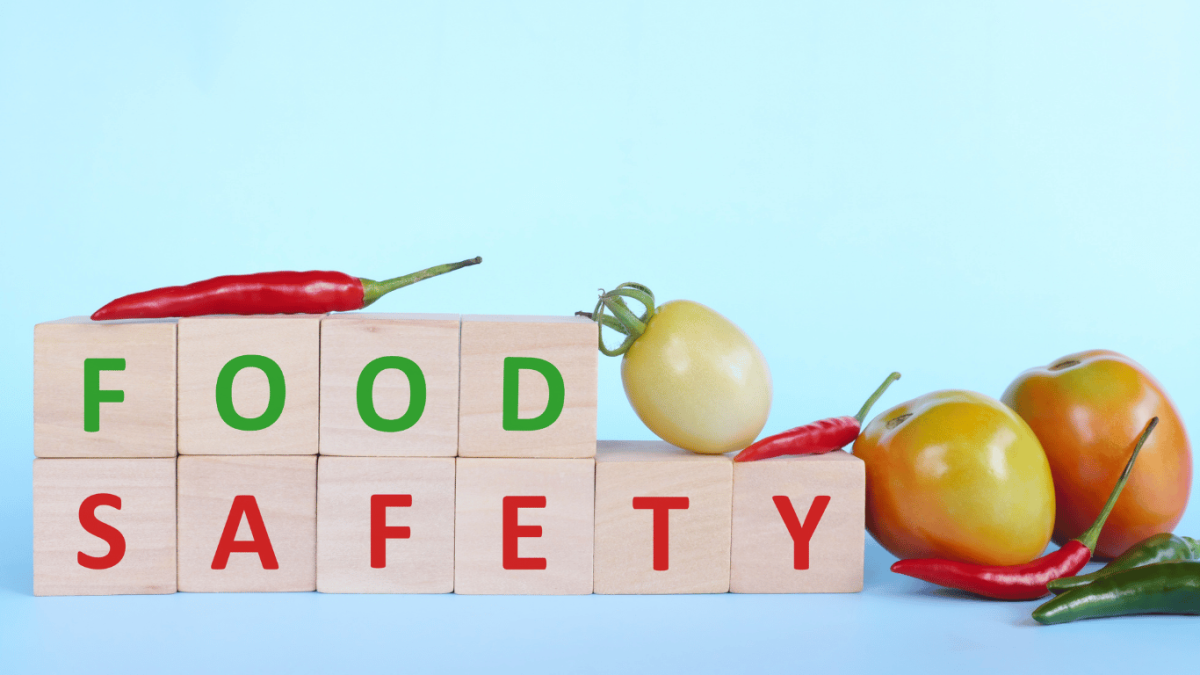
Level 3 Food Safety
- Access
- Lifetime
- Assistance
- Expert Tutor Support
- Flexibility
- Learn Anytime, Anywhere
Overview
Food safety is a fundamental responsibility in catering, hospitality, food production and other businesses that prepare, handle, store or serve food. Maintaining high standards helps protect customers, prevent foodborne illness and support compliance with UK food safety requirements. The Food Safety Level 3 course is designed to develop your understanding of food hygiene, contamination prevention, safe food handling and food safety management.
Whether you already work in a food-related environment or want to develop your knowledge for a new career direction, this course introduces important principles that influence everyday food operations. You will explore how food hazards arise, how contamination can be controlled and why consistent hygiene standards matter throughout the food-handling process.
By studying the course, you can develop a stronger understanding of the responsibilities involved in maintaining safe food environments. You will also learn about relevant UK legislation, foodborne illnesses, allergen awareness, cleaning procedures and HACCP principles.
The course focuses on knowledge that can support better decision-making in food-related settings. It also introduces the importance of monitoring procedures, recognising potential risks and following appropriate food safety controls.
What You Will Learn
-
Understand essential food hygiene principles.
-
Explore UK food safety legislation.
-
Recognise microbiological hazards and foodborne illness.
-
Identify contamination risks and prevention methods.
-
Understand personal hygiene responsibilities.
-
Examine cleaning and disinfection procedures.
-
Explore safe food storage requirements.
-
Understand food preparation and cooking controls.
-
Recognise allergens and food intolerances.
-
Explore HACCP and management systems.
2. Course Description
Introduction to Food Hygiene and Safety
The course begins by introducing the foundations of food hygiene and safety. You will explore why hygiene standards are important and how food-handling practices can influence customer wellbeing. Understanding these principles can help you recognise the responsibilities associated with preparing, storing and serving food safely.
You will also examine the importance of maintaining suitable conditions throughout food operations. From receiving ingredients to serving finished meals, each stage requires appropriate attention to cleanliness, temperature control and handling procedures. This knowledge can help you understand how food safety standards contribute to safer working environments.
Food Safety Legislation in the UK
Understanding the legal responsibilities associated with food handling is essential for businesses operating in the UK. This module introduces the role of food safety legislation and explains why food businesses must follow established requirements. You will develop awareness of the importance of hygiene procedures, staff responsibilities and food safety controls.
Learning about the regulatory environment can help you understand how food businesses are expected to manage risks and maintain appropriate standards. It also introduces the importance of accurate procedures, staff awareness and consistent compliance within food-related workplaces.
Microbiological Hazards and Foodborne Illness
Microorganisms can create serious risks when food is handled, prepared or stored incorrectly. This module introduces microbiological hazards and explores how bacteria and other harmful microorganisms can contribute to foodborne illness. You will learn why certain food conditions encourage microbial growth and why appropriate controls are necessary.
The knowledge gained can help you recognise situations where food may become unsafe. Understanding the causes of foodborne illness also highlights the importance of hygiene, temperature control and contamination prevention in protecting customers and maintaining food quality.
Food Contamination and Prevention
Food contamination can occur at different stages of the food-handling process. This module explores common contamination risks, including biological, chemical and physical hazards. You will learn how contamination may happen and why prevention procedures are important in food preparation and storage environments.
You will also develop an understanding of cross-contamination and the importance of separating food items, maintaining clean equipment and following suitable handling procedures. These principles can help you recognise potential problems and understand how food businesses reduce unnecessary risks.
Personal Hygiene for Food Handlers
Personal hygiene plays a major role in maintaining safe food environments. This module examines the responsibilities of food handlers and explains how individual habits can affect food safety. You will explore topics such as handwashing, suitable clothing, personal cleanliness and the importance of reporting illnesses that could affect food handling.
By understanding these responsibilities, you can recognise how everyday hygiene practices contribute to customer protection. You will also gain awareness of why food handlers must follow workplace hygiene procedures consistently.
Cleaning and Disinfection
Clean working environments are essential for preventing contamination. This module introduces the difference between cleaning and disinfection and explains why both processes are important. You will explore how food preparation areas, utensils, equipment and frequently touched surfaces should be maintained to support appropriate hygiene standards.
The module also introduces the importance of suitable cleaning products, procedures and schedules. Understanding these topics can help you recognise how organised cleaning arrangements contribute to safer food operations and reduce the likelihood of contamination.
Safe Food Storage
Food storage requires careful attention to temperature, packaging, separation and stock management. This module explores the principles of safe storage and explains how incorrect storage conditions can affect food quality and safety. You will learn about the importance of refrigeration, freezing, dry storage and suitable stock rotation.
You will also examine why food should be stored in appropriate conditions and why businesses need to monitor storage arrangements. This knowledge can support a better understanding of how food safety risks are managed before ingredients are prepared or served.
Food Preparation and Cooking
Food preparation and cooking involve several important safety considerations. This module explores the principles of safe food preparation, suitable cooking temperatures and the importance of preventing contamination during handling. You will develop an understanding of how food should be managed before, during and after cooking.
The module also highlights the importance of appropriate equipment, preparation areas and temperature monitoring. These topics can help you understand why consistent procedures are necessary when preparing food for customers.
Food Allergens and Intolerances
Food allergens require careful management because some customers may experience serious reactions when exposed to certain ingredients. This module introduces common food allergens and explains the importance of identifying, communicating and managing allergen information.
You will explore the distinction between food allergies and intolerances, alongside the importance of preventing cross-contact. This knowledge can help you understand why accurate ingredient information, clear communication and appropriate food-handling procedures are essential in catering and hospitality settings.
HACCP and Food Safety Management Systems
The final module introduces Hazard Analysis and Critical Control Points (HACCP) and its role in food safety management. You will explore how businesses identify potential hazards, assess risks and establish controls at important stages of food operations.
You will also develop an understanding of food safety management systems and why monitoring, record keeping and corrective actions matter. These principles can help you recognise how structured procedures support consistent food safety standards and provide a framework for managing risks.
3. Who Is This For?
The Food Safety Level 3 course is suitable for individuals who want to develop their understanding of food hygiene, food handling and food safety management.
It may be particularly relevant to:
-
Food Business Owners: Individuals responsible for maintaining hygiene standards and understanding food safety responsibilities within their businesses.
-
Catering Professionals: People working in catering environments who want to strengthen their knowledge of food preparation, storage and contamination prevention.
-
Restaurant and Café Staff: Employees interested in understanding food hygiene procedures and safe food-handling responsibilities.
-
Hospitality Professionals: Individuals working in hotels, restaurants, cafés and other hospitality settings who want to expand their food safety knowledge.
-
Food Production Workers: People involved in preparing, processing, packaging or handling food who want to understand common hazards and controls.
-
Kitchen Supervisors: Individuals who coordinate food preparation activities and want to develop their awareness of hygiene procedures and food safety management.
-
Aspiring Food Safety Supervisors: Learners interested in developing knowledge that may support future responsibilities in food hygiene and safety.
-
New Food Industry Entrants: Beginners who want to understand the principles of safe food handling before pursuing opportunities in catering or food-related environments.
-
Food Service Assistants: Individuals who work with food and want to improve their understanding of hygiene, allergens and contamination prevention.
-
Career Changers: People considering a move into catering, hospitality, food preparation or food production.
The course is also suitable for learners who want to refresh their existing knowledge or explore food safety as part of their wider professional development.
4. Requirements / Prerequisites
There are no formal academic qualifications required to begin studying this course. It is suitable for beginners as well as individuals who already have experience in food-related environments.
To get started, you should have:
-
An interest in food hygiene, catering, hospitality or food safety.
-
A basic understanding of written English.
-
Access to a computer, laptop, tablet or suitable mobile device.
-
A reliable internet connection to access the online learning materials.
-
The motivation to study the modules and understand the responsibilities associated with safe food handling.
Previous experience in a kitchen, restaurant, catering business or food production environment may be helpful, but it is not essential.
The course provides an introduction to important food safety topics. However, learners should check whether a particular employer, position or regulatory requirement requires a specific recognised qualification or additional training. Completing an online course does not automatically provide professional registration or authorisation to perform regulated duties.
5. Career Path
Food safety knowledge is relevant across several industries, including catering, hospitality, food manufacturing, retail and food production. Understanding hygiene procedures, contamination prevention and food safety management can help you develop knowledge relevant to different workplace responsibilities.
After completing the course, you may wish to explore opportunities such as:
Food Safety Supervisor
Approximate UK salary: £25,000–£38,000 per year
Food Safety Supervisors help monitor hygiene standards and food-handling procedures within food businesses. Their responsibilities may include checking food storage arrangements, supporting staff awareness and monitoring compliance with workplace food safety procedures.
Food Hygiene Officer
Approximate UK salary: £24,000–£35,000 per year
Food Hygiene Officers may support hygiene monitoring and food safety procedures within catering, hospitality or food production environments. Depending on the employer, responsibilities can include reviewing cleanliness, identifying potential contamination risks and maintaining appropriate records.
Catering Supervisor
Approximate UK salary: £24,000–£34,000 per year
Catering Supervisors coordinate food service activities and help maintain standards across kitchen and catering operations. Knowledge of hygiene, allergen awareness and safe food handling can be valuable when overseeing food preparation and service teams.
Kitchen Supervisor
Approximate UK salary: £24,000–£32,000 per year
Kitchen Supervisors help organise kitchen activities, monitor food preparation procedures and support hygiene standards. They may also assist with stock management, cleaning schedules and staff coordination.
Food Production Team Leader
Approximate UK salary: £27,000–£38,000 per year
Food Production Team Leaders coordinate activities in food manufacturing and processing environments. Their responsibilities may include overseeing production processes, supporting quality standards and ensuring that employees follow relevant hygiene procedures.
Quality Assurance Assistant
Approximate UK salary: £23,000–£32,000 per year
Quality Assurance Assistants support the monitoring of product quality and operational standards. In food-related organisations, their work may involve reviewing records, checking procedures and helping identify issues that could affect product safety or consistency.
Food Safety Coordinator
Approximate UK salary: £26,000–£40,000 per year
Food Safety Coordinators may help maintain food safety documentation, monitor procedures and support the implementation of management systems. The role can involve coordinating checks, reviewing records and helping teams understand relevant food safety responsibilities.
Salary figures are approximate and vary according to location, employer, experience and qualifications. Some supervisory, inspection and specialist positions require additional recognised qualifications, relevant workplace experience or professional training. This course provides knowledge for professional development but does not guarantee employment or eligibility for a particular role.
6. Why Study Food Safety Level 3?
Food safety is not limited to the kitchen. It affects purchasing, storage, preparation, customer communication, cleaning and the overall management of food-related businesses. Understanding how these areas connect can help you recognise the responsibilities involved in maintaining safe food operations.
The Food Safety Level 3 course brings together key topics that are relevant to modern catering and hospitality environments. Rather than focusing on one isolated aspect of food hygiene, it introduces a broader understanding of how food safety procedures work throughout the food-handling process.
By studying the modules, you can develop awareness of:
-
The importance of food hygiene standards.
-
UK food safety legislation and responsibilities.
-
Biological, chemical and physical contamination risks.
-
Foodborne illness and microbiological hazards.
-
Personal hygiene and safe food handling.
-
Cleaning, disinfection and workplace cleanliness.
-
Food storage and temperature control.
-
Safe preparation and cooking procedures.
-
Food allergens and cross-contact prevention.
-
HACCP principles and food safety management systems.
These subjects can help you understand why food safety procedures must be followed consistently. They also provide useful background knowledge for people who want to explore food-related career opportunities or take on greater responsibilities within an existing workplace.
7. Enrol Today
Develop your understanding of food hygiene, contamination prevention and food safety management with the Food Safety Level 3 course.
Whether you are interested in catering, hospitality, food production or business management, this course offers an opportunity to explore essential food safety principles through flexible online learning.
Study at your own pace, build your knowledge across ten subject areas and gain a clearer understanding of the responsibilities involved in maintaining safe food environments.
Enrol today and take the next step towards developing your food safety knowledge.
Curriculum
- Introduction To Food Hygiene And Safety
- Food Safety Legislation In The Uk
- Microbiological Hazards And Foodborne Illness
- Food Contamination And Prevention
- Personal Hygiene For Food Handlers
- Cleaning And Disinfection
- Safe Food Storage
- Food Preparation And Cooking
- Food Allergens And Intolerances
- Haccp And Food Safety Management Systems
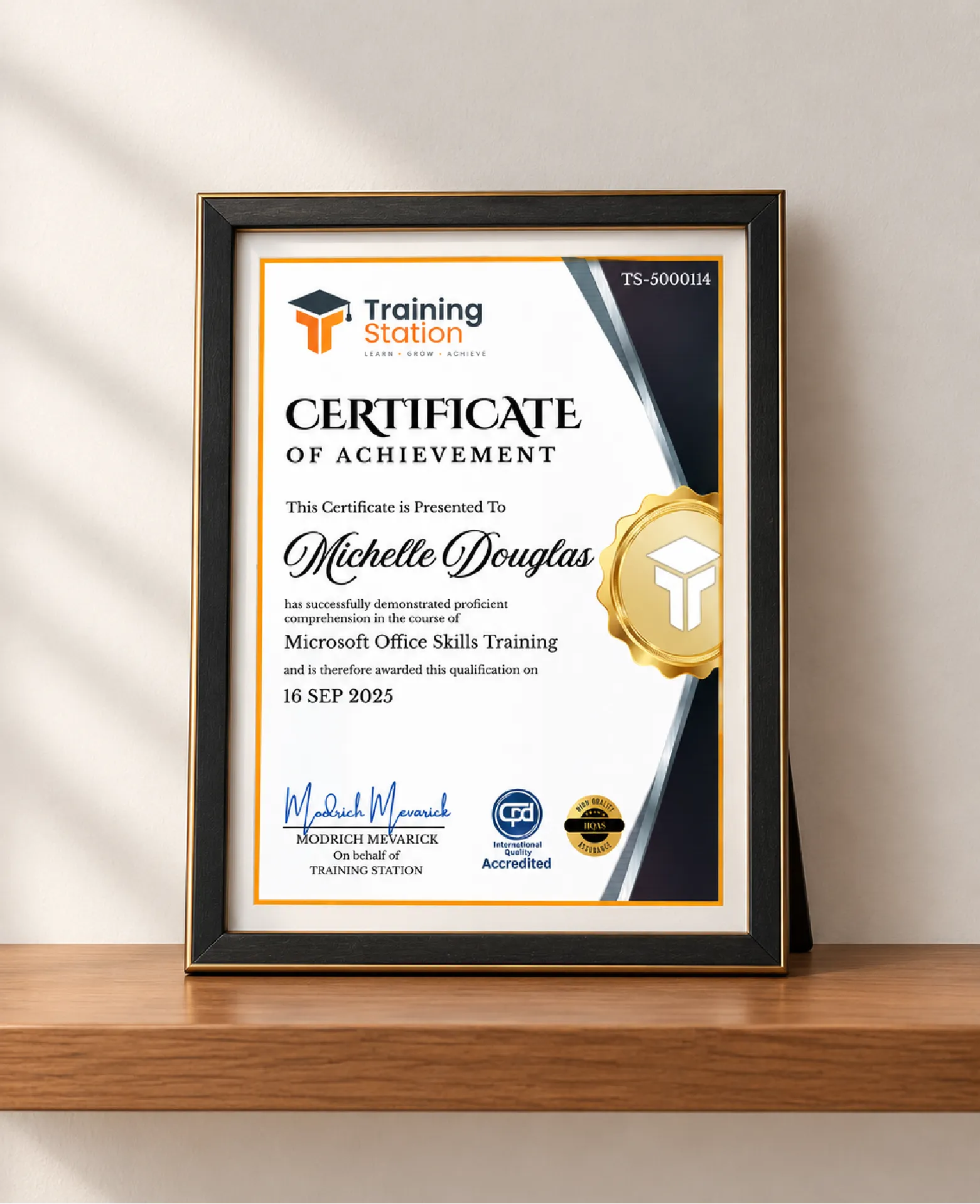
Celebrate your achievement with a CPD-IQ accredited certificate from Training Station! Perfect for showcasing your skills, boosting your career, and enhancing your professional profile.
Get this CourseOur Courses Accreditation



Frequently Asked Questions
Fully online through PDF materials and video lessons. Learn anytime, anywhere.
Self-paced: complete it in a week or spread it over months.
No. The course is beginner-friendly.
Yes. Instructor support is available Monday to Friday.
Yes. We offer a 14-day money-back guarantee.
 Access all courses for Only £99