
Move, Heal & Recover: Yoga for Pain Relief
- Access
- Lifetime
- Assistance
- Expert Tutor Support
- Flexibility
- Learn Anytime, Anywhere
Overview
Enrollment Guide & Course Foundation
1. Overview
Move, Heal & Recover: Yoga for Pain Relief is a beginner-friendly course designed to introduce gentle yoga practices, movement principles and relaxation techniques that may support mobility, body awareness and everyday wellbeing. It explores how carefully selected yoga movements can be incorporated into a broader approach to managing physical tension, stress and discomfort, while encouraging learners to listen to their bodies and practise within their own abilities.
The course covers a range of yoga-focused practices associated with the spine and back, relaxation, sleep and general wellbeing. It also introduces yoga practices discussed in relation to conditions such as slipped discs, PCOS, diabetes and thyroid disorders. Rather than presenting yoga as a replacement for medical care, the course encourages a mindful and responsible approach to movement, particularly for learners who may have existing health concerns.
A major emphasis is placed on gentle movement, controlled breathing, relaxation and body awareness. Learners can explore how yoga may fit into daily routines, whether the goal is to encourage relaxation after a demanding day, prepare the body for rest or develop a consistent movement habit. The practices can also help learners become more attentive to posture, breathing and physical sensations.
By completing Move, Heal & Recover: Yoga for Pain Relief, learners will have a stronger understanding of how to approach yoga practice thoughtfully and safely. They will gain practical ideas for incorporating gentle yoga and relaxation into their routines while developing greater awareness of personal limitations, appropriate modifications and the importance of professional guidance where required.
2. Description
Yoga is widely used as a form of movement, relaxation and mind-body practice. Its combination of physical postures, controlled breathing and mindful attention can make it an appealing addition to a balanced wellbeing routine. Move, Heal & Recover: Yoga for Pain Relief provides an accessible introduction to these principles for learners who want to explore gentle yoga practices with a particular interest in comfort, mobility, relaxation and recovery.
Physical discomfort can affect concentration, sleep, movement and everyday activities. People may therefore look for practical approaches that can complement appropriate professional care. Gentle yoga can provide a structured way to explore controlled movement and relaxation, but it is important to recognise that individual responses vary. Yoga should not be treated as a guaranteed treatment or cure for pain or a medical condition.
The course introduces practices focused on the spine and back, including yoga exercises commonly associated with slipped-disc-related discomfort. These sections encourage learners to approach movement carefully and to understand that exercises appropriate for one person may not be appropriate for another. Anyone with a diagnosed spinal condition or significant symptoms should obtain appropriate medical or physiotherapy advice before beginning exercises that could affect the spine.
The course also explores yoga practices associated with PCOS, diabetes and thyroid conditions. These topics reflect an interest in using yoga as part of broader lifestyle and wellbeing routines. However, yoga cannot replace prescribed medication, medical monitoring or professional treatment. Learners should consider these practices as complementary wellbeing activities rather than medical interventions.
Stress management is another important element. Modern routines can involve prolonged sitting, demanding work, screen use and limited opportunities for relaxation. Yoga combined with controlled breathing and mindful attention can offer a practical way to create a pause during the day. A consistent relaxation routine may also help learners develop greater awareness of physical tension and emotional stress.
Sleep is closely connected with daily wellbeing, and the course includes bedtime yoga practices intended to encourage relaxation before rest. Gentle evening movement can become part of a calming bedtime routine for some people. The emphasis is on creating a peaceful transition towards sleep rather than using yoga as a guaranteed solution for sleep disorders.
You’ll discover how to use Move, Heal & Recover: Yoga for Pain Relief for:
- Exploring gentle yoga for everyday movement
- Developing greater awareness of the spine and back
- Practising cautious movement when dealing with back concerns
- Incorporating yoga into a general wellbeing routine
- Exploring relaxation-focused yoga practices
- Using breathing as part of mindful movement
- Creating a calming evening routine
- Exploring bedtime yoga practices
- Supporting flexibility and controlled mobility
- Developing body-awareness habits
- Exploring yoga practices associated with PCOS wellbeing
- Exploring yoga practices associated with diabetes wellbeing
- Exploring yoga practices associated with thyroid-related wellbeing
- Reducing everyday physical tension through gentle movement
- Creating a consistent home yoga routine
- Modifying movements according to personal ability
- Combining movement and relaxation techniques
- Developing safer and more mindful exercise habits
A central principle throughout the course is responsible practice. Yoga should never be approached as a competition or performed through significant pain. Learners should focus on controlled movements, comfortable breathing and appropriate positioning rather than attempting to achieve advanced poses immediately.
For learners with existing medical conditions, professional guidance is particularly important. Conditions involving the spine, endocrine system or other aspects of health may require individual assessment. A general yoga course cannot determine whether a particular pose is appropriate for an individual. Medical professionals or qualified physiotherapists can provide personalised advice where necessary.
The course encourages learners to develop a mindful relationship with movement. Instead of forcing the body into a position, learners can pay attention to how a movement feels and make appropriate adjustments. This can help create a more sustainable practice and reduce the temptation to push beyond personal limitations.
Breathing is another useful component of yoga practice. Slow, controlled breathing can help learners remain attentive during movement and can form part of relaxation exercises. Combining breathing awareness with gentle movement may make a session feel calmer and more deliberate.
For back-focused practices, technique and caution are especially important. Learners should avoid assuming that a particular exercise is suitable simply because it is described as a yoga pose. Spinal symptoms can have different causes and presentations, and movements that feel comfortable for one individual may aggravate another person’s symptoms. Sudden, severe or worsening symptoms should be assessed by an appropriate healthcare professional.
The course’s condition-related sections should similarly be approached as general wellbeing information. Yoga may form one part of a broader lifestyle approach, but it does not replace blood-glucose management, prescribed treatment, hormone-related care, medication or medical monitoring. Learners should continue following guidance from their healthcare team.
Common mistakes in yoga include holding the breath, moving too quickly, forcing flexibility, ignoring discomfort and attempting advanced variations without sufficient preparation. Another mistake is comparing one’s flexibility or range of movement with another person’s. Yoga practice is individual, and progress can be measured through consistency, awareness and comfort rather than appearance.
Hands-on practice is therefore essential. Learners can establish a quiet practice area, begin gently and observe how their body responds. Regular, appropriately paced practice can help them become more familiar with movement patterns and identify which activities feel comfortable and manageable.
The course can also support the development of practical routines. A short relaxation session may be useful after a demanding day, while gentle bedtime movement can become part of an evening wind-down routine. Back-focused movement may be incorporated into a broader mobility programme where it has been approved as appropriate by a healthcare professional.
Best practice involves starting conservatively and progressing gradually. Learners should respect rest periods, maintain comfortable breathing and avoid treating discomfort as a sign that an exercise is necessarily working. Appropriate modifications, props or alternative movements may be preferable to forcing a particular posture.
Continuous improvement comes from consistency and self-awareness. Learners can observe how they feel before and after sessions, identify movements they can perform comfortably and gradually establish routines that fit their lifestyle. Progress does not necessarily mean performing increasingly difficult poses; it can simply mean developing a safer, more consistent and more mindful practice.
Ultimately, Move, Heal & Recover: Yoga for Pain Relief provides an accessible introduction to using yoga as part of a broader movement and relaxation routine. It brings together gentle spine and back practices, condition-aware wellbeing topics, stress-relief techniques and bedtime yoga to help learners explore mindful movement responsibly. With appropriate caution and professional guidance where needed, learners can use the course as a foundation for developing greater body awareness, relaxation and confidence in everyday yoga practice.
3. Course Modules
Module 1: Yoga for Slipped Disc – Exercises for Spine and Back – Part 1
- Understanding gentle movement principles
- Developing awareness of the spine and back
- Preparing safely for a yoga session
- Exploring controlled mobility
- Understanding comfortable movement ranges
- Using breathing during gentle practice
- Recognising movements that may cause discomfort
- Applying appropriate modifications
- Understanding when professional guidance is necessary
Module 2: Yoga for Slipped Disc – Exercises for Spine and Back – Part 2
- Continuing cautious spine-focused movement
- Exploring gentle stretching principles
- Maintaining controlled posture
- Coordinating movement with breathing
- Avoiding excessive spinal strain
- Adjusting positions for individual ability
- Building confidence through gradual practice
- Recognising warning signs during exercise
- Developing responsible home-practice habits
Module 3: Treat PCOS With Yoga Poses
- Understanding yoga as a complementary wellbeing practice
- Exploring gentle movement and body awareness
- Developing a consistent yoga routine
- Combining movement with breathing
- Supporting relaxation through mindful practice
- Exploring comfortable yoga positions
- Understanding individual limitations
- Avoiding claims that yoga replaces medical treatment
- Practising responsibly alongside appropriate healthcare
Module 4: Yoga Poses for Diabetes
- Understanding yoga and general wellbeing
- Preparing for a mindful movement session
- Exploring gentle yoga positions
- Coordinating breathing and movement
- Developing body awareness
- Understanding the importance of individual health considerations
- Practising safely with appropriate modifications
- Recognising when professional advice is required
- Incorporating movement into a balanced lifestyle
Module 5: Yoga Poses for Diabetes – Part 1
- Preparing the body for gentle movement
- Exploring foundational yoga positions
- Developing controlled breathing
- Maintaining comfortable alignment
- Practising mindful transitions
- Understanding personal movement limits
- Supporting relaxation through yoga
- Establishing safe practice habits
- Considering individual healthcare guidance
Module 6: Yoga Poses for Diabetes – Part 2
- Building on foundational yoga movements
- Exploring controlled stretching
- Maintaining awareness during practice
- Combining posture and breathing
- Using suitable modifications
- Avoiding unnecessary strain
- Developing consistency
- Monitoring personal comfort
- Supporting a broader wellbeing routine
Module 7: Yoga Poses for Diabetes – Part 3
- Reviewing mindful yoga principles
- Developing a balanced movement routine
- Exploring gentle pose combinations
- Practising controlled breathing
- Improving body awareness
- Maintaining safe movement habits
- Understanding the importance of personal adaptation
- Recognising when to stop or modify a movement
- Creating sustainable practice habits
Module 8: Yoga Poses for Thyroidism – Part 1
- Understanding yoga as a complementary practice
- Exploring gentle movement principles
- Preparing safely for yoga
- Developing breathing awareness
- Practising comfortable yoga positions
- Understanding personal limitations
- Using modifications appropriately
- Supporting relaxation and mindfulness
- Following appropriate professional guidance
Module 9: Yoga Poses for Thyroidism – Part 2
- Building confidence with gentle yoga
- Exploring controlled movement
- Coordinating breathing and posture
- Developing body awareness
- Maintaining comfortable positioning
- Avoiding excessive effort
- Adapting movements to individual ability
- Creating a consistent practice routine
- Understanding yoga’s complementary role
Module 10: Yoga Poses for Thyroidism
- Reviewing foundational yoga principles
- Exploring mindful movement
- Developing controlled breathing habits
- Practising suitable gentle poses
- Understanding movement limitations
- Supporting relaxation through yoga
- Creating a sustainable home routine
- Avoiding unsafe or excessive practice
- Combining yoga with appropriate healthcare
Module 11: Yoga for Stress Relief
- Understanding the relationship between movement and relaxation
- Preparing a calming practice environment
- Using breathing to encourage relaxation
- Exploring gentle yoga sequences
- Releasing everyday physical tension
- Developing mindful attention
- Creating short relaxation routines
- Building consistency with practice
- Applying yoga principles to everyday stress management
Module 12: Bedtime Yoga for Deep Sleep
- Understanding the purpose of bedtime yoga
- Creating a calming evening environment
- Choosing gentle pre-sleep movements
- Coordinating slow movement with breathing
- Reducing physical tension before bed
- Developing mindful relaxation
- Creating a consistent bedtime routine
- Avoiding stimulating or overly strenuous practice
- Understanding when persistent sleep difficulties require professional support
Requirements, Career Path & Final Thoughts
4. Who Is This Course For
Move, Heal & Recover: Yoga for Pain Relief is suitable for beginners and general wellness learners who want to explore gentle yoga, mindful movement, relaxation and body-awareness practices. It is particularly useful for people interested in incorporating yoga into a balanced lifestyle and developing a consistent home practice.
This course is suitable for:
- Beginners discovering yoga for the first time
- Home yoga practitioners
- People interested in gentle movement
- Learners seeking relaxation-focused yoga practices
- People looking to develop better body awareness
- Individuals interested in stress-management techniques
- Learners exploring bedtime yoga
- People interested in gentle spine and back movement
- Wellness enthusiasts exploring complementary practices
- People wanting to establish a regular yoga routine
- Learners interested in breathing and mindfulness
- Individuals seeking practical relaxation techniques
- Yoga enthusiasts wanting additional practice ideas
- Aspiring yoga instructors seeking general practice inspiration
- Anyone interested in developing healthier movement habits
The course is especially appropriate for learners who want a gentle and mindful approach rather than an intensive fitness-focused yoga routine.
For anyone with a diagnosed condition, significant pain or ongoing symptoms, professional medical or physiotherapy guidance should be obtained before attempting exercises related to that condition.
5. Requirements
To take this course, learners should have:
- A basic interest in yoga and mindful movement
- A comfortable and safe space for practice
- A yoga mat or suitable non-slip surface
- Comfortable clothing that allows free movement
- Basic awareness of personal physical limitations
- A willingness to practise slowly and consistently
- An ability to follow simple movement instructions
- An understanding that yoga is complementary to, not a replacement for, professional healthcare
No previous yoga experience is required. Beginners can approach the practices gradually and work within their own comfortable range.
Learners should never force a pose or continue an exercise that causes significant pain, dizziness, unusual symptoms or discomfort. Those with medical conditions should seek appropriate professional advice before beginning a new exercise programme.
6. Career Path
Developing yoga knowledge and practical movement skills can provide a foundation for further education in yoga, wellness, fitness and related fields. While Move, Heal & Recover: Yoga for Pain Relief is not a substitute for professional clinical or instructor training, it can support learners who wish to continue developing their knowledge.
Potential career directions include:
- Yoga Instructor
- Yoga Teacher Assistant
- Wellness Coach
- Mindfulness Instructor
- Fitness Instructor
- Group Exercise Instructor
- Holistic Wellness Practitioner
- Yoga Content Creator
- Wellness Blogger
- Health and Wellness Writer
- Online Yoga Content Creator
- Yoga Studio Assistant
- Retreat Programme Assistant
- Wellness Programme Coordinator
- Lifestyle Content Creator
Learners pursuing professional yoga teaching should undertake recognised instructor training and any relevant first-aid, safeguarding or professional development requirements applicable to their location and intended role. Those interested in therapeutic or condition-specific exercise should obtain appropriate clinical or specialist qualifications rather than relying solely on general yoga training.
Career opportunities can span yoga studios, fitness centres, wellness businesses, retreats, community programmes, online platforms and independent businesses. With additional training and experience, learners can build on their foundational knowledge and pursue roles that combine movement, wellbeing, education and content creation.
7. Final Thoughts
Move, Heal & Recover: Yoga for Pain Relief provides an accessible foundation for exploring gentle yoga, mindful movement, breathing and relaxation. The course brings together practices focused on back and spine awareness, stress relief, bedtime relaxation and complementary wellbeing approaches, giving learners a broad introduction to incorporating yoga into everyday routines.
One of the most valuable aspects of the course is its emphasis on mindful and responsible practice. Learners are encouraged to work within their own abilities, pay attention to physical sensations and understand that yoga should not be forced. This approach can help beginners develop a more sustainable relationship with movement while recognising when professional guidance is appropriate.
The course can also help learners establish practical routines. Gentle movement may become part of a daily wellbeing practice, relaxation exercises can provide a useful opportunity to unwind, and bedtime yoga can form part of a calming evening routine. Consistency, patience and awareness are more important than attempting difficult poses or progressing too quickly.
Whether the goal is to explore yoga for general wellbeing, develop a home practice, improve relaxation habits or continue towards further yoga education, this course provides a useful starting point. With regular practice and appropriate professional guidance where needed, learners can build greater confidence in mindful movement and make yoga a positive part of their ongoing wellbeing journey.
Curriculum
- Yoga for Slipped Disc – Exercises for Spine and Back – Part 1
- Yoga for Slipped Disc – Exercises for Spine and Back – Part 2
- Treat PCOS With Yoga Poses
- Yoga Poses for diabetes
- Yoga Poses for diabetes – Part 1
- Yoga Poses for diabetes – Part 2
- Yoga Poses for diabetes – Part 3
- Yoga poses for Thyroidism – Part 1
- Yoga poses for Thyroidism – Part 2
- Yoga Poses For Thyroidism
- Yoga For Stress Relief
- Bedtime Yoga for Deep Sleep
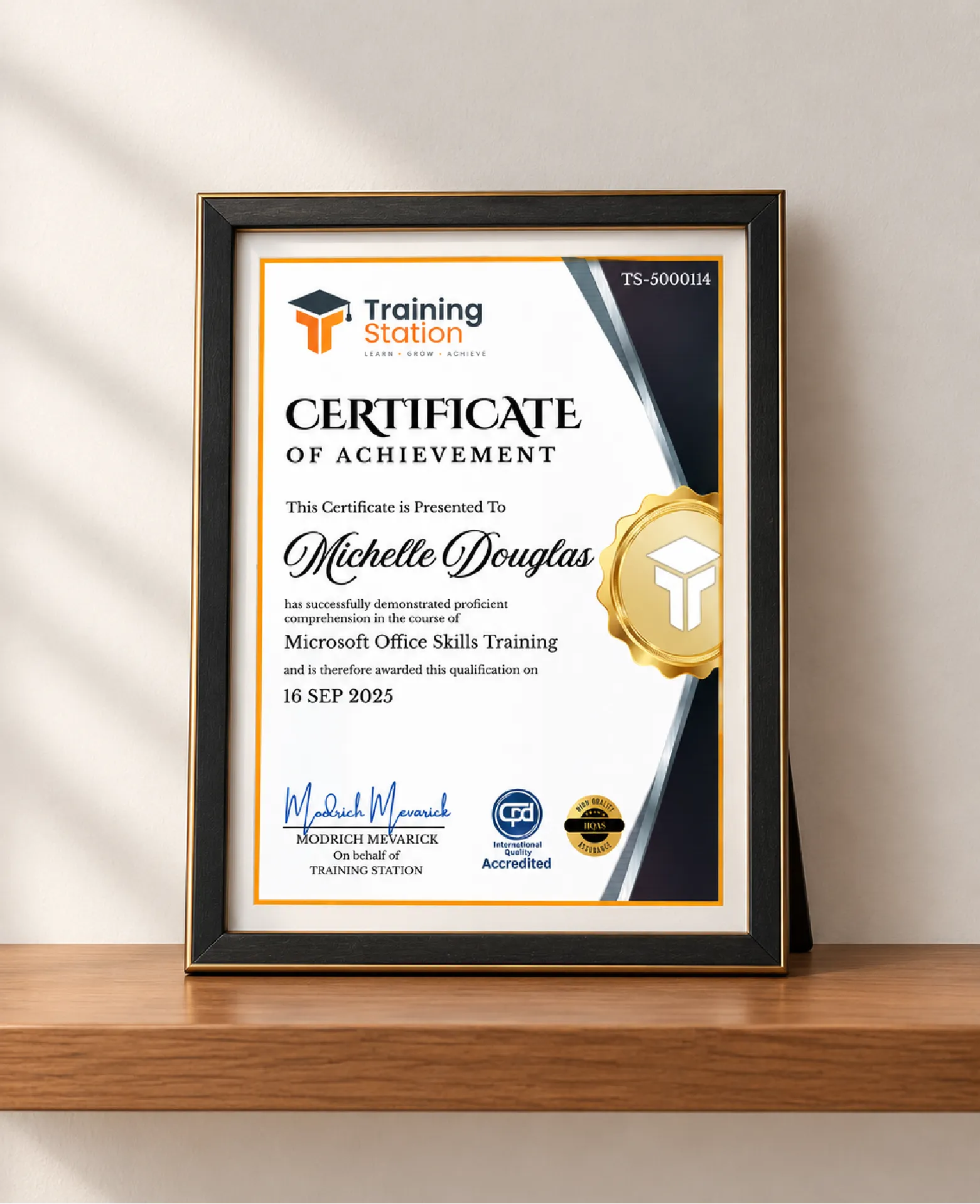
Celebrate your achievement with a CPD-IQ accredited certificate from Training Station! Perfect for showcasing your skills, boosting your career, and enhancing your professional profile.
Get this CourseOur Courses Accreditation




Frequently Asked Questions
Fully online through PDF materials and video lessons. Learn anytime, anywhere.
Self-paced: complete it in a week or spread it over months.
No. The course is beginner-friendly.
Yes. Instructor support is available Monday to Friday.
Yes. We offer a 14-day money-back guarantee.
 Access all courses for Only £99