

The importance of food hygiene becomes clear whenever food is received, stored, prepared, transported or served to customers. In a restaurant, a failure may begin with something as simple as an unwashed hand, a leaking packet of raw meat or a refrigerator operating at an unsafe temperature. In catering, the risks can increase when food is prepared in advance, transported to another location and served from temporary facilities.
Quick Overview
Food hygiene is the set of practices, procedures and controls used to keep food safe from contamination throughout delivery, storage, preparation, cooking, transport and service. The importance of food hygiene lies in protecting customers, preventing foodborne illness, meeting UK legal responsibilities and maintaining trust in food businesses.
This guide covers:
✅ What food hygiene is and why it is important for restaurants and catering businesses
✅ The difference between food hygiene, food safety and wider food safety management systems
✅ Why good hygiene practices help prevent contamination, protect customers and support legal compliance
✅ Key UK food hygiene responsibilities, including HACCP, inspections and hygiene ratings
✅ Essential food hygiene practices, including cleaning, cooking, chilling, cross-contamination control and allergen management
✅ How daily checks, staff training and effective management systems help businesses maintain safe food operations
Customers cannot usually see what happens behind the scenes in a kitchen. They rely on businesses to control contamination risks, cooking temperatures, allergens, cleaning standards, staff illness and storage conditions without needing to ask. The importance of food hygiene goes beyond maintaining a clean-looking premises; it supports public health, legal compliance, customer confidence and reliable day-to-day operations.
This guide explains the importance of food hygiene for restaurants and caterers, including UK responsibilities, the 4 Cs, HACCP-based management, inspection ratings, daily checks and common weaknesses. It also explains why a training certificate can support staff development but cannot replace competent supervision, practical experience or an effective food safety management system.
What Is Food Hygiene and Why Is It Important?
Learn what food hygiene is, why it is important, and how effective hygiene practices help restaurants and catering businesses keep food safe, comply with UK regulations and protect customers.
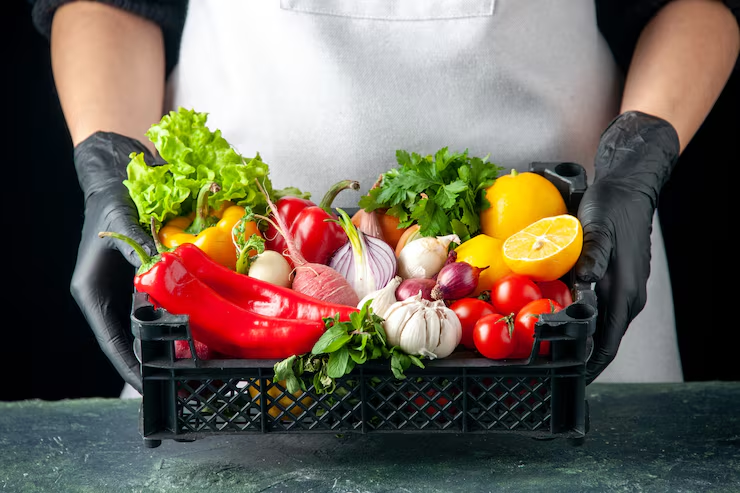
What Is Food Hygiene?
A practical food hygiene definition is the collection of conditions, behaviours and management controls used to prevent food from becoming unsafe throughout its journey from delivery to service. Understanding what is food hygiene is essential because the importance of food hygiene lies in controlling risks before they affect customers.
Food hygiene involves much more than visible cleanliness. It covers:
- personal hygiene and staff fitness to work;
- cleaning and disinfection of premises and equipment;
- safe storage, cooking, cooling and reheating;
- prevention of cross-contamination;
- allergen controls;
- pest and waste management;
- supplier and delivery checks;
- staff instruction, training and supervision.
When someone asks what is food hygiene, the simplest explanation is that it is the way a food business controls contamination, harmful microorganisms and other risks at every relevant stage of food handling.
For example, washing a chopping board is a hygiene task. Deciding that raw poultry and ready-to-eat salad require separate preparation equipment is a hygiene control. Training employees to follow that separation, checking that procedures are followed and taking action when standards are not met are all parts of effective hygiene management.
The importance of food hygiene is therefore both practical and organisational. It depends on employees carrying out individual tasks correctly and managers creating systems and working conditions that allow safe practices to be followed consistently.
Food Hygiene vs Food Safety
Food hygiene and food safety are sometimes used as though they mean exactly the same thing. They are closely connected, but food safety has a broader scope.
Food hygiene focuses mainly on practices that keep food clean and prevent contamination or harmful bacterial growth. Food safety includes these practices but also covers the wider range of hazards that could make food unsafe or unsuitable.
These hazards may include:
- microbiological hazards, such as harmful bacteria and viruses;
- chemical hazards, including cleaning chemicals or incorrect additives;
- physical hazards, such as glass, metal or pieces of packaging;
- allergenic hazards caused by ingredients or unintended cross-contact.
Food safety also includes traceability, labelling, supplier controls, product withdrawal and recall arrangements. The importance of food hygiene is reflected in the fact that hygiene is a fundamental part of food safety management rather than a separate alternative.
Why Food Hygiene Matters in Restaurants and Catering
People searching why is food hygiene important are usually looking for a clear explanation of how hygiene protects customers and businesses. The importance of food hygiene goes beyond preventing illness; it also supports legal compliance, customer trust and reliable operations.
Prevents Foodborne Illness
Food can become contaminated at many points. Raw ingredients may contain harmful microorganisms. Staff may transfer contamination through their hands, clothing or equipment. Cooked food may be placed into containers previously used for raw ingredients. Food that is cooled too slowly or kept outside safe temperature controls may allow bacteria to multiply.
Strong hygiene controls interrupt these risks. They do not depend on one final check before service. Instead, they manage food safety throughout receiving, storage, preparation, cooking, cooling, transport and service.
This is particularly important for food hygiene in restaurants and catering operations because one contaminated batch may be served to many customers. A problem involving soup, rice, cooked meat, buffet food or a shared sauce could affect multiple tables or event guests.
Protects Vulnerable Customers
Foodborne illness can affect anyone, but the consequences may be more serious for young children, older people, pregnant people and individuals with weakened immune systems.
Caterers serving schools, care homes, hospitals or community settings may therefore require especially reliable procedures. A shortcut that appears minor to staff could create significant risks for vulnerable customers.
Customers with food allergies also depend on effective hygiene and allergen controls. They need accurate ingredient information and honest communication about possible cross-contact. Staff should never guess whether a dish contains an allergen or make an “allergen-free” claim that the business cannot safely guarantee.
Ensures Legal Compliance
UK food businesses must provide safe food and maintain appropriate hygiene procedures. Their food safety management arrangements generally need to be based on HACCP principles and adapted to the activities carried out by the business.
The relevant food hygiene regulations for restaurants do not simply require a clean-looking kitchen. Businesses need suitable premises, maintained equipment, hygienic handling procedures, temperature controls, allergen management, competent staff and systems that identify and correct failures.
Most new food businesses must also register with their local authority at least 28 days before starting relevant operations. Registration is separate from receiving an inspection rating and should not be considered official approval of the menu, staff or business model.
Builds Customer Trust
The importance of food hygiene is also reflected in customer confidence. Customers increasingly have access to public inspection information, and a good hygiene rating can reassure them that a business demonstrated strong standards during an inspection.
Trust is also built through daily behaviour. Customers may notice dirty tables, overflowing waste, unclean toilets, poor buffet handling or staff who cannot answer allergen questions. These visible signs can influence how they judge standards in areas they cannot see.
A high rating is valuable, but it should not be treated as permanent proof that every future meal will be safe. Hygiene standards must continue to be maintained through daily supervision, training and effective controls.
Reduces Food Waste and Costs
The importance of food hygiene includes the role of good management in reducing avoidable waste and operational costs. Correct stock rotation helps prevent ingredients expiring unnoticed. Reliable refrigeration reduces spoilage. Clear labelling prevents unnecessary disposal of food with unknown preparation dates. Effective cleaning and pest prevention reduce the risk of contamination.
Poor hygiene can create direct and indirect costs through wasted ingredients, emergency cleaning, repairs, cancelled bookings, staff absence, complaints and enforcement action. Preventive controls are usually more effective and manageable than responding after a food safety incident.
UK Food Hygiene Laws and Responsibilities
Understanding the importance of food hygiene includes knowing the UK laws, regulatory responsibilities and management systems that help food businesses protect customers and maintain safe operations.
Food Standards Agency
The Food Standards Agency is the central food safety authority for England, Wales and Northern Ireland. It provides guidance and oversees relevant aspects of the regulatory system, while local authorities carry out many inspections and enforcement activities involving restaurants, cafés, takeaways and caterers. The importance of food hygiene is reflected in this shared responsibility between national guidance bodies and local enforcement teams.

Food Standards Scotland performs the corresponding national role in Scotland. The importance of food hygiene means that businesses operating across different UK nations should check the guidance and procedures applicable in each location rather than relying on an England-only explanation.
The FSA provides practical resources such as Safer Food, Better Business for many smaller catering and retail operations. Northern Ireland has Safe Catering guidance, while CookSafe supports catering businesses in Scotland. The importance of food hygiene in catering is demonstrated through using suitable food safety systems that match the size, activities and risks of each business. More complex operations may require a more detailed or individually designed system.
Food Hygiene Rating Scheme
The importance of food hygiene is reflected in the Food Hygiene Rating Scheme, which applies in England, Wales and Northern Ireland. Eligible businesses are generally awarded a rating between 0 and 5 following a local authority inspection. A food hygiene rating for restaurants provides customers with information about the hygiene standards observed during an inspection.
| Rating | Inspection meaning |
| 5 | Hygiene standards are very good |
| 4 | Hygiene standards are good |
| 3 | Hygiene standards are generally satisfactory |
| 2 | Some improvement is necessary |
| 1 | Major improvement is necessary |
| 0 | Urgent improvement is necessary |
The officer considers three broad areas:
- hygienic handling, including preparation, cooking, cooling and storage;
- the physical condition and cleanliness of the premises and facilities;
- food safety management and the officer’s confidence that standards will continue.
The importance of food hygiene is demonstrated because a rating is based on observed hygiene standards rather than customer reviews or food quality. A food hygiene rating for restaurants is not an assessment of taste, price, customer service or the nutritional quality of the menu. It reflects the hygiene standards found during the relevant inspection.
Display requirements differ across the UK. Businesses in Wales and Northern Ireland must display their rating prominently, while businesses in England are encouraged but not currently required to display it. Scotland uses the Food Hygiene Information Scheme, which communicates inspection outcomes through a different system. These differences highlight the importance of food hygiene awareness for businesses operating in different regions.
HACCP Requirements
The importance of food hygiene is reinforced through HACCP (Hazard Analysis and Critical Control Point), which provides a structured approach to identifying and controlling food safety hazards. HACCP is a key part of effective food hygiene practices in restaurants and catering operations because it helps businesses prevent problems rather than simply react to them.
A HACCP-based process normally requires a business to:
- identify relevant hazards;
- determine where control is essential;
- establish acceptable limits;
- monitor those limits;
- specify corrective action;
- check that the system works;
- maintain suitable documents and records.
For example, a catering business may identify cooking as a critical control for a particular meat dish. It then needs an appropriate cooking standard, a reliable method to check it and a clear response when the required standard is not achieved. The importance of food hygiene in catering is demonstrated through maintaining these controls consistently during preparation and service.
HACCP should be practical rather than theoretical. A copied document that describes equipment, dishes or procedures the business does not use will provide little protection. The importance of food hygiene means that the system must reflect the actual menu, premises, staff and production methods used by the business.
Legal Responsibilities of Food Businesses
The importance of food hygiene is reflected in the legal responsibility placed on food business operators to ensure that food is safe. Tasks may be delegated, but accountability cannot be removed simply by appointing a chef, purchasing a template or sending employees on a course.
Managers need to ensure that staff have appropriate knowledge and skills for their work. UK food handlers do not all have to hold a named food hygiene certificate. Skills may be gained through structured courses, workplace instruction, self-study or relevant experience, provided the business can demonstrate that employees are suitably competent and supervised. This forms part of effective food hygiene practices in restaurants and catering environments.
The person responsible for developing and maintaining HACCP-based procedures needs sufficient understanding to carry out that responsibility properly. The importance of food hygiene also includes ensuring that staff receive appropriate allergen training where relevant and understand their role in protecting customers.
A certificate records that a learning or assessment activity has been completed. However, the importance of food hygiene means that practical competence must also be demonstrated through supervision, workplace performance and effective food safety management. A certificate alone does not automatically prove that an employee can apply the learning during a busy service, manage an unusual incident or supervise others effectively.
The 4 Cs of Food Hygiene: Essential Best Practices
The 4 Cs—cleaning, cooking, chilling and avoiding cross-contamination—provide a practical framework for understanding the importance of food hygiene in food businesses. These principles support effective restaurant food hygiene and catering food hygiene by helping businesses control contamination risks, maintain safe handling standards and protect customers. However, each area must be supported by clear procedures, appropriate training and regular monitoring to ensure standards are consistently maintained.
Cleaning
Personal Hygiene
The importance of food hygiene begins with effective personal hygiene because hands can spread contamination between raw food, equipment, waste, money, phones, door handles and ready-to-eat dishes. Staff should understand not only how to wash their hands correctly but also when handwashing is required as part of safe food handling.
Important occasions include:
- before beginning food preparation;
- after handling raw meat, poultry, fish or eggs;
- after using the toilet;
- after touching waste or cleaning materials;
- after coughing, sneezing, eating or taking a break;
- between allergen-related tasks;
- whenever contamination may have occurred.
The importance of food hygiene also means understanding that gloves do not remove the need for effective handwashing. A gloved hand can transfer contamination in the same way as an unwashed bare hand. Gloves should only be used where they form part of a controlled procedure and must be changed at appropriate times.
Food handlers should wear clean, suitable clothing and keep hair controlled. Cuts should be covered with an appropriate waterproof dressing. Illness-reporting procedures are also essential because an infected employee may contaminate food even when the kitchen itself appears clean. These controls demonstrate the importance of food hygiene in protecting customers through everyday staff practices.
Cleaning and Sanitising
The importance of food hygiene is reflected in effective cleaning and sanitising procedures. Cleaning removes food residue, grease and dirt, while disinfection reduces harmful microorganisms to an acceptable level when the correct product, concentration, contact time and method are used.
A chemical product will not work properly if staff use the wrong concentration, ignore the required contact time or apply it to a surface that is still covered with food debris. Clear instructions and appropriate supervision help ensure cleaning tasks are completed correctly.
A cleaning schedule should identify:
- the item or area to be cleaned;
- the required frequency;
- the method and product;
- the equipment needed;
- the responsible person;
- any verification or sign-off required.
The importance of food hygiene is also demonstrated by paying attention to frequently touched items. Fridge handles, taps, switches, probe thermometers, control panels, reusable cloths and container lids can all transfer contamination if they are not included in routine cleaning procedures.
Pest Control
The importance of food hygiene extends to pest prevention because pests can damage packaging and contaminate food with microorganisms, hair, droppings or physical material. Prevention should begin with good housekeeping rather than waiting until a serious infestation occurs.
Food should be stored securely, waste should be controlled, spillages should be removed promptly and possible entry points should be repaired. Deliveries should also be checked for damaged or infested packaging, and any sightings should be recorded, investigated and addressed.
For food hygiene for catering businesses, pest prevention is particularly important because temporary venues, transport arrangements and outdoor service can introduce additional risks. A pest-control contractor may provide specialist support, but the food business remains responsible for maintaining hygienic conditions and responding appropriately.
Cooking

Safe Cooking Temperatures
The importance of food hygiene is particularly clear during cooking because effective temperature control helps reduce harmful microorganisms to safe levels. The FSA identifies 70°C for two minutes as one recognised combination, with equivalent examples including 75°C for 30 seconds and 80°C for six seconds.
The correct cooking method depends on the type of food, portion size and preparation process. A clean probe thermometer should be inserted into the appropriate part of the food, often the centre or thickest section, to obtain an accurate reading. Staff should avoid relying only on colour, texture or steam where these signs cannot reliably confirm that food has reached a safe temperature.
The importance of food hygiene also means that monitoring must be genuine and accurate. Probes should be cleaned before and after use, protected from contamination and checked regularly for accuracy. A temperature recorded without an actual measurement provides false reassurance and weakens the reliability of the food safety management system.
Safe Reheating
The importance of food hygiene applies equally to reheating procedures because incorrect reheating can allow harmful microorganisms to survive. Food should be reheated rapidly and thoroughly using equipment that is suitable for the task. Hot-holding equipment is designed mainly to maintain temperature rather than safely reheat cold food.
A food business should have a clear reheating procedure that explains:
- which dishes may be reheated;
- the required temperature or validated alternative;
- how the temperature check is completed;
- how many times reheating is permitted;
- what action should be taken if the required result is not achieved.
The importance of food hygiene is demonstrated when businesses prevent repeated cooling and reheating cycles that may increase risk and reduce food quality. Careful production planning helps ensure that suitable quantities are prepared, stored and served safely.
Chilling
Safe Food Storage
The importance of food hygiene continues during storage because temperature control and contamination prevention remain essential after food has been received. Chilled food must be stored under suitable conditions and protected from contamination throughout its shelf life.
Raw products should normally be stored below ready-to-eat foods so that leaking liquids cannot contaminate food that will not receive further cooking. Opened or prepared food should be covered, labelled and managed according to the business’s shelf-life or use-by procedures. Clear labelling helps different members of staff understand how food should be handled during busy service periods.
The importance of food hygiene also applies to dry storage areas. Ingredients should be kept in clean, dry conditions, protected from pests and separated from chemicals or other unsuitable materials. Stock rotation should ensure that suitable older stock is used before newer deliveries to reduce waste and maintain quality.
For food hygiene for catering businesses, storage does not end when food leaves the kitchen. Transport boxes, vehicles and temporary holding facilities must keep food protected and within the required controls. Caterers should consider journey time, outdoor conditions, delays, venue facilities and service arrangements before an event begins.
Temperature Control
The importance of food hygiene relies heavily on effective temperature monitoring because chilling slows bacterial growth but does not make unsafe food safe again. Food requiring chilled temperature control generally needs to be kept at 8°C or below, while many businesses set refrigerators at 5°C or below to provide an additional safety margin.
A fridge display may show air temperature but does not always confirm the temperature of every food item stored inside. Managers should understand when a separate calibrated probe check is required and what corrective action should follow if temperatures fall outside acceptable limits.
The importance of food hygiene is also reflected in safe cooling procedures. Large or deep containers may remain warm for too long, creating conditions where bacteria can multiply. Businesses may use smaller portions, shallow containers or other validated cooling methods to support safe refrigeration.
Cross-Contamination
Colour-Coded Equipment
The importance of food hygiene includes preventing cross-contamination through effective separation methods. Colour-coded boards, knives and utensils can help staff identify equipment intended for specific tasks, but colours alone do not guarantee safe practice.
The system must be supported by clear procedures, staff training and regular checks. Equipment should be cleaned correctly, replaced when damaged and used consistently. If employees select the nearest available board or utensil during a busy period, the control system has failed.
The importance of food hygiene is also demonstrated through physical separation wherever reasonably possible. Raw and ready-to-eat foods may require separate storage areas, preparation surfaces, equipment or preparation times to reduce contamination risks.
Safe Food Handling
The importance of food hygiene is reinforced through understanding that contamination can travel through many routes within a kitchen. Risks may come from hands, cloths, packaging, sinks, utensils, probes, phones, aprons and waste movement.
Examples include:
- placing a cooked burger onto a plate previously used for raw meat;
- using the same cloth across raw and ready-to-eat preparation areas;
- touching a phone before handling finished food;
- moving dirty delivery packaging onto clean preparation surfaces;
- using a probe on raw food and then cooked food without cleaning it;
- carrying waste through an active preparation area.
Effective restaurant food hygiene requires managers to observe real working practices rather than relying only on written procedures. Regular supervision, staff feedback and corrective action help ensure controls work during normal service conditions.
Allergen Management
The importance of food hygiene also includes effective allergen management because customers rely on businesses to provide accurate information and prevent avoidable allergen exposure. Food businesses must keep allergen information accurate and update records when recipes, ingredients, brands or suppliers change.
Cross-contact may occur through hands, utensils, chopping boards, storage containers, grills, fryers or cooking oils. For example, oil previously used for battered fish should not automatically be considered suitable for preparing gluten-free chips.
A robust allergen control process should include:
- listening carefully to the customer’s request;
- checking current ingredient and allergen information;
- communicating the request clearly to kitchen staff;
- assessing whether cross-contact can be controlled;
- identifying and confirming the correct dish before service.
The importance of food hygiene means staff should be confident to explain when a request cannot be safely fulfilled. An honest refusal is safer than making an unsupported allergen-free claim that could place a customer at risk.
Food Safety Management in Restaurants and Catering
Understand how food safety management systems, HACCP principles, staff training and record keeping help restaurants and catering businesses maintain safe food standards.
What Is a Food Safety Management System?
A food hygiene definition includes the conditions, practices and management controls used to keep food safe from contamination throughout receiving, storage, preparation, cooking, transport and service. The importance of food hygiene is reflected in having an organised food safety management system with clear procedures, responsibilities, checks and records that help businesses identify and control risks effectively.
A food safety management system may cover:
- approved suppliers and delivery checks;
- chilled, frozen and dry storage;
- preparation controls and prevention of cross-contamination;
- cooking, cooling, reheating and hot holding;
- cleaning and disinfection;
- allergen management;
- staff health and personal hygiene;
- pest control and waste management;
- maintenance, repairs and equipment failures;
- traceability and incident response.
The importance of food hygiene means that a food safety management system should be practical and proportionate to the business. A small café and a large event caterer may manage similar hazards but require different levels of documentation, monitoring and supervision based on their size, processes and level of risk.
Applying HACCP
The importance of food hygiene is demonstrated through the effective application of HACCP principles. Applying HACCP begins with mapping how food moves through the business and identifying what could go wrong at each stage. Managers should assess hazards and establish suitable controls to prevent unsafe food from reaching customers.
For example, a caterer preparing chicken dishes for an outdoor event may need to consider:
- delivery temperatures and packaging condition;
- raw food storage;
- separation during preparation;
- cooking controls;
- cooling procedures where food is prepared in advance;
- refrigerated transport;
- reheating or hot holding at the venue;
- protection during service;
- disposal of unsuitable leftovers.
The importance of food hygiene also means that monitoring must always be linked to corrective action. If a refrigerator exceeds the business’s acceptable limit, staff should understand how to assess the food, where to move it, who must be informed and how the cause of the problem will be investigated and prevented from happening again.
Staff Training and Responsibilities
The importance of food hygiene depends on employees having the correct knowledge, skills and supervision to perform their roles safely. Training should match the employee’s actual responsibilities. Front-of-house staff need accurate allergen communication and safe service practices. Kitchen assistants need effective handwashing, cleaning and separation procedures. Chefs require detailed knowledge of cooking, cooling, storage and allergen controls. Supervisors need the ability to monitor standards and manage failures.
Training Station provides online food hygiene and safety learning that may support knowledge development. However, the importance of food hygiene means businesses should assess any training provider or course by considering its content, learning outcomes, assessment methods and relevance to the learner’s role.
Online learning can support staff development, but the importance of food hygiene is demonstrated when businesses combine training with workplace induction, practical supervision and ongoing assessment. Understanding the correct procedure in theory is different from consistently applying that procedure during a busy service.
Monitoring and Record Keeping
The importance of food hygiene is also reflected in accurate monitoring and record keeping. Records provide evidence that important checks have been completed, problems have been identified and corrective actions have been taken. They may include delivery checks, refrigerator temperatures, cooking and cooling records, cleaning schedules, allergen updates, pest sightings, staff training and corrective actions.
The question why is food safety and hygiene important can be answered partly through the role of reliable records. Good records help managers demonstrate that food safety controls are working and allow problems to be identified before they become serious incidents. However, paperwork should support food safety decisions rather than become a meaningless administrative task.
The importance of food hygiene is further demonstrated when managers regularly review records for patterns and trends. Repeated high refrigerator temperatures, incomplete cleaning tasks or recurring delivery issues may indicate wider problems requiring equipment repairs, additional training, process changes or discussions with suppliers.
How to Improve Your Food Hygiene Rating
Learn how restaurants and catering businesses can improve their food hygiene rating through effective hygiene practices, staff training, accurate records and strong food safety management.
What Inspectors Look For
The importance of food hygiene is reflected in every area assessed during a food hygiene inspection. Under the FHRS, inspectors assess hygienic food handling, the physical condition of the premises and the management of food safety systems.
A simple food hygiene definition is the collection of practices, procedures and controls used to prevent contamination and keep food safe throughout storage, preparation, cooking and service. The importance of food hygiene is demonstrated through how effectively a business applies these controls in everyday operations.
Inspectors may examine:
- how food is stored, prepared and handled;
- cooking, cooling and temperature control procedures;
- cleaning standards and pest prevention measures;
- the condition of walls, floors, equipment and ventilation;
- handwashing facilities and personal hygiene practices;
- allergen management arrangements;
- HACCP documentation and food safety records;
- staff knowledge and understanding;
- management’s ability to maintain safe standards.
An inspector may ask a member of staff to explain what happens when a critical check fails or when food safety limits are not achieved. A written procedure alone does not create confidence if employees cannot understand, explain or apply it correctly. This highlights the importance of food hygiene training, supervision and practical workplace knowledge.
Preparing for an Inspection
The importance of food hygiene means that businesses should prepare through consistent daily compliance rather than relying on a last-minute clean before an inspection.
Managers should regularly review operations by walking through the premises during different stages of service, observing handwashing practices, checking storage conditions, asking staff allergen-related questions and reviewing recent corrective actions.
Understanding why is food safety and hygiene important helps businesses recognise that inspections are not only about paperwork. They assess whether food safety controls are working in practice and whether staff understand their responsibilities.
Previous inspection issues should be fully addressed. It is not enough to repair a problem temporarily if the same failure returns because the underlying cause was not investigated. Effective businesses identify problems, take corrective action and review whether improvements have been successful.
The importance of food hygiene is also reflected in maintaining accurate and up-to-date documentation. Records should be accessible, but the premises, procedures and working practices must match what is written. A food safety folder that has not been updated after menu changes, new equipment or process changes may not reflect the current risks.
Common Reasons Businesses Lose Marks
The importance of food hygiene becomes clear when considering the common reasons businesses receive lower ratings. These issues often indicate weaknesses in food safety management rather than isolated mistakes.
Common weaknesses include:
- inadequate cleaning or pest-control measures;
- damaged surfaces that cannot be cleaned effectively;
- poor separation of raw and ready-to-eat food;
- missing, inaccurate or unreliable temperature checks;
- outdated HACCP procedures;
- incomplete allergen information;
- staff who cannot explain essential hygiene procedures;
- records completed without the required checks being carried out;
- repeated problems that management has failed to correct.
The importance of food hygiene is demonstrated through a business’s ability to maintain consistent standards over time. A lower rating may result from several smaller concerns rather than one serious incident. Sustainable improvement therefore requires a complete approach that includes effective procedures, competent staff, reliable monitoring and strong management oversight.
This also explains why is food safety and hygiene important: effective controls protect customers, support legal compliance and help businesses maintain trust and confidence.
Daily Food Hygiene Checklist for Restaurants and Caterers
The importance of food hygiene is demonstrated through consistent daily checks that help businesses identify risks before they affect customers. A checklist should reflect the actual operation and support, rather than replace, professional judgement. A clear checklist can help maintain reliable catering food hygiene and restaurant standards across different shifts.
A practical food hygiene definition is the set of conditions, procedures and behaviours used to prevent contamination and keep food safe during storage, preparation, cooking, service and handling. The importance of food hygiene is reflected in applying these controls consistently rather than completing checks only for inspection purposes.
Before Opening
The importance of food hygiene begins before service starts. Opening checks help confirm that equipment, ingredients and staff facilities are ready for safe food handling.
- Check that refrigerators and freezers are operating within the business’s defined limits.
- Inspect food for damage, contamination, expiry issues or incorrect labelling.
- Confirm that handwashing facilities are stocked, clean and accessible.
- Check food-contact surfaces, equipment and utensils before use.
- Review allergen information and identify any recipe or supplier changes.
- Look for signs of pests, leaks or maintenance issues that could affect food safety.
During Food Preparation
The importance of food hygiene is particularly clear during preparation because this is where contamination risks can increase. Staff must follow agreed procedures and understand how their actions affect food safety.
- Keep raw and ready-to-eat food separated.
- Follow handwashing and protective-clothing procedures correctly.
- Use clean and suitable equipment for each task.
- Complete cooking, cooling and other critical checks accurately.
- Label prepared food according to the business’s food safety system.
- Keep chemicals and waste away from food preparation areas.
Understanding why is food safety and hygiene important helps employees recognise that small actions, such as changing gloves correctly or cleaning equipment between tasks, can prevent significant risks.
Throughout Service
The importance of food hygiene remains essential during busy service periods, when pressure can increase the likelihood of mistakes. Staff should continue following established controls rather than relying on shortcuts.
- Maintain safe hot and cold holding conditions.
- Protect displayed and buffet food from contamination.
- Follow the agreed allergen-order procedure and communicate requests clearly.
- Replace contaminated utensils rather than attempting ineffective cleaning methods.
- Clean spills promptly and safely.
- Take corrective action immediately when a control limit is missed.
End-of-Day Closing Checks
The importance of food hygiene continues after service finishes because effective closing procedures support safe operations for the following day.
- Store suitable food safely and discard food that cannot be verified as safe.
- Complete the cleaning and disinfection schedule.
- Empty and secure waste containers correctly.
- Check refrigerators and overnight storage conditions.
- Record pest sightings or maintenance concerns.
- Review incomplete checks and communicate issues to the next shift.
Common Food Hygiene Mistakes to Avoid
The importance of food hygiene is often highlighted when businesses identify common failures that increase food safety risks. Avoiding these mistakes requires effective procedures, competent staff and regular management checks.
Poor Staff Training
The importance of food hygiene depends on employees understanding the controls relevant to their specific roles. Training that is too general may not prepare staff for their actual tasks, equipment, menu items or responsibilities.
A strong training approach combines knowledge with practical supervision. Staff should understand not only what procedures require, but also why those procedures are necessary and how to apply them during real service.
Training should also be refreshed after incidents, procedural changes or evidence that safe practices are no longer being followed correctly.
Weak HACCP Implementation
The importance of food hygiene is reflected in having a HACCP system that works in practice rather than simply existing as paperwork. A food safety file cannot control hazards if it describes outdated equipment, discontinued dishes or checks that staff do not actually complete.
HACCP documents should be reviewed whenever there is a meaningful change to the menu, process, layout, supplier, equipment or staffing arrangements. This ensures the system continues to reflect the real risks within the business.
Inadequate Record Keeping
The importance of food hygiene includes maintaining accurate records that demonstrate effective control. Missing records can make it difficult to prove that safety checks have been completed, while false or pre-completed records may hide unsafe conditions.
Staff need enough time, suitable tools and clear instructions to complete required checks properly. Management should investigate repeated gaps, identify causes and take corrective action instead of simply requesting additional signatures.
Poor Cleaning Schedules
The importance of food hygiene is closely connected to effective cleaning systems. Vague instructions such as “clean kitchen” do not provide enough detail to ensure important areas are maintained.
Detailed cleaning schedules should identify specific items, methods, products, frequencies and responsibilities. They should include less obvious areas such as seals, vents, wheels, shelving, handles and the undersides of equipment.
Verification is also essential. A signature confirms that a record has been completed, but it does not automatically prove that cleaning has been carried out effectively.
Failing to Prepare for Inspections
The importance of food hygiene is demonstrated through maintaining safe standards every day rather than preparing only when an inspection is expected. Businesses that focus only on appearance may overlook weaknesses in their management systems.
Inspectors may identify problems when staff cannot explain allergen procedures, records are outdated, HACCP documents do not reflect current operations or corrective actions have not been completed.
The best preparation is to maintain inspection-ready standards continuously through effective training, accurate records, practical procedures and strong food safety management. This demonstrates why is food safety and hygiene important for protecting customers and supporting long-term business success.
Frequently Asked Questions
Is food hygiene training a legal requirement in the UK?
The importance of food hygiene is reflected in ensuring that food handlers have the correct knowledge and skills for their responsibilities. Food handlers must receive appropriate supervision, instruction or training for their work, but they do not universally need to hold a specific food hygiene certificate.
A practical food hygiene definition is the combination of practices, procedures and controls used to prevent contamination and keep food safe throughout preparation, storage, cooking, service and handling. Businesses must be able to demonstrate that staff have suitable and up-to-date skills, supported by effective workplace supervision.
How often are restaurants inspected?
The importance of food hygiene is demonstrated through official inspections designed to check whether food businesses are managing risks effectively. Inspection frequency is generally risk-based rather than fixed for every business.
Official FSA guidance describes inspection intervals that may range from approximately every six months for higher-risk businesses to every two or three years for lower-risk operations. However, local circumstances, business type and compliance history may influence the inspection schedule.
What food hygiene rating should a restaurant aim for?
The importance of food hygiene is reflected in maintaining high standards that support a strong food hygiene rating. A restaurant should aim for a rating of 5 under the FHRS, which indicates very good hygiene standards.
A rating of 3 means standards are generally satisfactory, but it suggests there may still be areas where improvement is needed. Ratings should be viewed as a reflection of hygiene standards observed during inspection, not as a replacement for continuous daily management.
Who enforces food hygiene laws in the UK?
The importance of food hygiene is supported by a clear enforcement structure across the UK. Local authorities carry out most inspections and enforcement activities involving restaurants, cafés, takeaways and catering businesses.
The Food Standards Agency performs the central role in England, Wales and Northern Ireland, while Food Standards Scotland performs the corresponding role in Scotland. Businesses should follow the requirements and guidance that apply in the nation where they operate.
How can a business improve its food hygiene rating?
The importance of food hygiene is demonstrated through the actions businesses take after inspections. A business should address inspection findings, improve food handling practices, repair structural issues, strengthen its food safety management system, train staff and verify that improvements are maintained over time.
Effective improvement requires more than temporary changes. Businesses should investigate the causes of problems, introduce corrective actions and confirm that new procedures are working in everyday operations.
Is a food hygiene rating the same as a food quality score?
The importance of food hygiene is sometimes misunderstood because a hygiene rating does not assess overall food quality. A rating reflects hygiene standards observed during an inspection, including food handling, premises conditions and food safety management.
It does not judge flavour, presentation, nutrition, price, menu choice or customer service. A business may provide excellent food while still needing improvements in hygiene controls, or it may have strong hygiene practices without the rating representing culinary quality.
Does every chef need a Level 2 food hygiene certificate?
The importance of food hygiene means chefs and food handlers must have appropriate knowledge, training and supervision for their specific duties. There is no universal legal requirement that every chef must hold a certificate with the exact title “Level 2 food hygiene certificate”.
Employers are responsible for ensuring that employees understand safe food handling, hygiene procedures and the controls relevant to their role. Training should be supported by practical workplace instruction and supervision.
Why is food safety and hygiene important for mobile caterers?
The importance of food hygiene is especially relevant for mobile catering because these businesses often operate in challenging environments. Limited space, temporary water supplies, power issues, transport delays and restricted refrigeration can increase risks if they are not properly managed.
Mobile caterers need suitable procedures for preparation, storage, transport, temperature control, allergen management and service. This demonstrates why is food safety and hygiene important when food is prepared away from a permanent kitchen.
What records should a catering business keep?
The importance of food hygiene is demonstrated through accurate and useful record keeping. Records should reflect the hazards and controls relevant to the business’s food safety management system.
They may include delivery checks, storage temperatures, cooking and cooling records, cleaning schedules, allergen information, staff training, pest-control reports and corrective actions. Records should be accurate, proportionate and reviewed regularly to support effective decision-making.
Can completing an online course guarantee legal compliance?
The importance of food hygiene means that compliance depends on more than completing a training course. An online course may improve knowledge, but it cannot guarantee legal compliance, a specific inspection outcome or effective food safety management.
Compliance depends on suitable premises, appropriate equipment, effective procedures, competent staff, supervision and consistent workplace practices. A completion certificate demonstrates learning activity but does not replace practical application.

Conclusion
The importance of food hygiene extends beyond preventing illness. It supports legal compliance, customer confidence and the long-term reliability of food businesses. Good hygiene requires more than maintaining a clean kitchen; it depends on safe handling, suitable cooking and chilling, prevention of cross-contamination, allergen management, competent staff and effective management systems.
A clear food hygiene definition shows that hygiene involves the complete range of controls used to keep food safe from delivery through to service. Effective food hygiene in restaurants should be demonstrated during every shift, from receiving ingredients to closing the premises.
The importance of food hygiene is equally significant for food hygiene for catering businesses, where additional risks may arise from advance preparation, transportation, temporary venues and off-site service.
The answer to why is food safety and hygiene important is clear: customers should be protected from avoidable food safety risks. Restaurants and caterers that apply the 4 Cs, maintain a realistic HACCP-based system and respond quickly when standards are not achieved are better positioned to protect customers, meet responsibilities and maintain their reputation.