
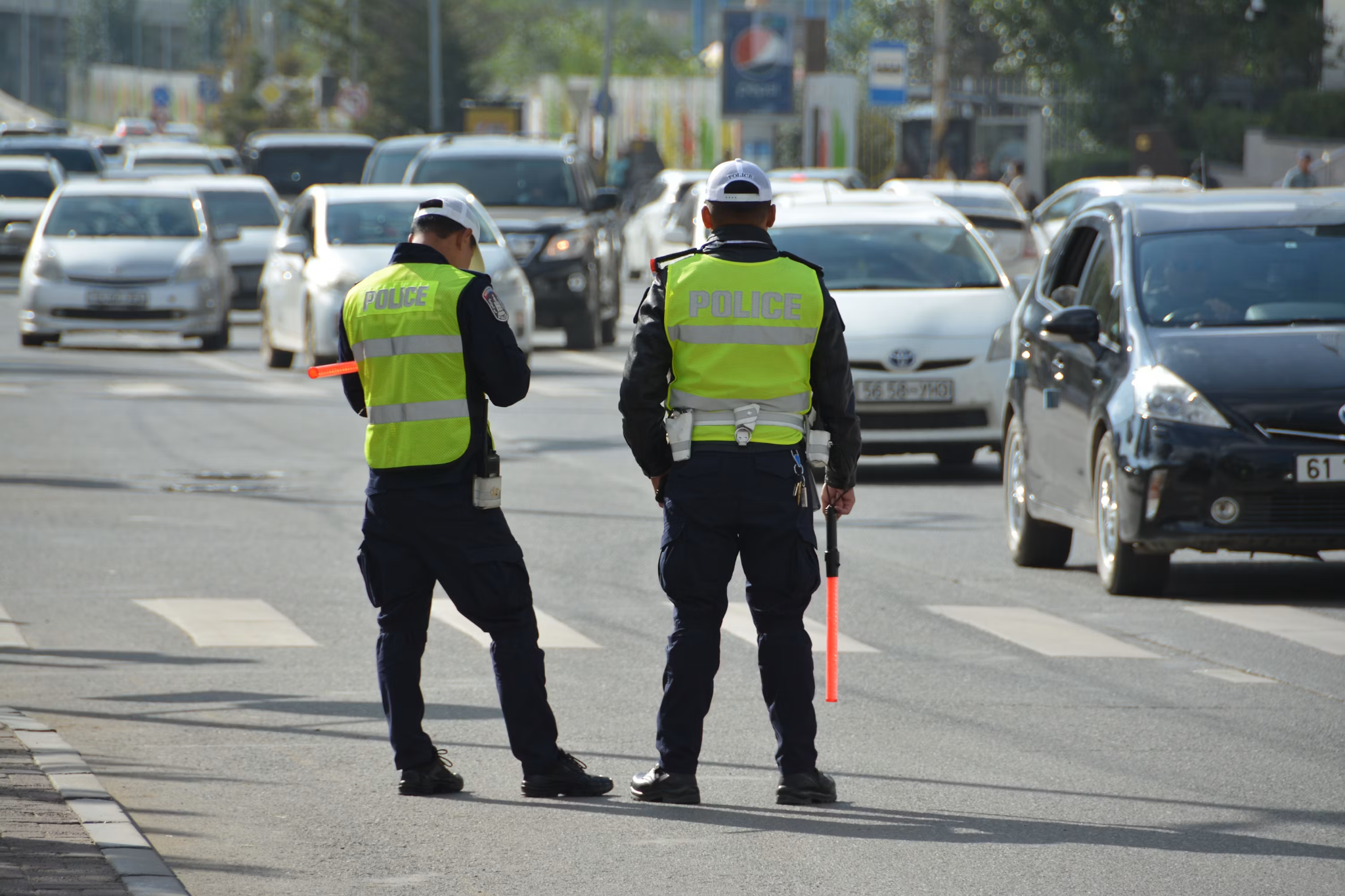
A banksman ticket is an essential qualification for anyone looking to work safely in roles involving vehicle movements, lifting operations, and site traffic management across UK industries. If you have never worked in a role requiring a banksman ticket before, the process can feel slightly unclear from the outside. Do you need previous experience? Is there an exam you could fail? How quickly can you become qualified and start working?
| ⚡ At a Glance: What This Article Covers ✔ What a banksman ticket actually is and why you need one ✔ The eligibility requirements (there are fewer than you think) ✔ A complete 7-step path from zero experience to certified banksman ✔ How to choose a training provider you can trust ✔ What the course and assessment actually involve ✔ Realistic costs and timeframes ✔ Common mistakes that slow people down — and how to avoid them ✔ A real-world example of someone going from zero to certified ✔ FAQs covering the most common questions |
The good news is that obtaining your banksman ticket is one of the most accessible qualification routes in the UK industry. You do not usually need prior experience, there are no lengthy waiting periods, and the process is designed to help beginners develop the practical knowledge and safety skills required for the role.
This guide explains the complete journey from start to finish, covering everything you need to know before enrolling, what training involves, how assessment works, and what you can expect after becoming certified. Whether you are starting a new career in construction, logistics, warehousing, or other industrial environments, understanding the steps involved will help you approach your banksman training with confidence and make an informed decision about your next career move.

A banksman ticket is the commonly used industry term for the certificate (and, for many training providers, the accompanying photo ID card) issued after successfully completing recognised banksman or traffic marshal training. It provides evidence of your competence and confirms that you have received training in key areas such as workplace safety procedures, the HSE-recommended hand signal system, risk assessment principles, and the safe methods required to guide vehicles and plant machinery on site.
Although the term “ticket” is informal, the qualification has genuine importance within UK workplaces. Principal contractors, site managers, and health and safety teams often check proof of relevant training before allowing individuals to carry out banksman duties. Without suitable training evidence, you may not be permitted to control vehicle movements or act as a banksman on many construction and industrial sites.
A typical banksman ticket may include:
The exact format of the ticket can vary between training providers, so it is always worth checking the details provided by your chosen course provider.
One of the main advantages of obtaining a banksman ticket is that it is accessible to people starting their careers in construction, logistics, warehousing, and other site-based industries. Most UK training providers design these courses for beginners, meaning you do not usually need previous experience before enrolling.
The typical entry requirements include:
| Requirement | Details |
| Minimum age | 16 years old (most providers) |
| Prior experience | None required — courses are designed for complete beginners |
| Formal qualifications | None required — no GCSEs, NVQs, or prior certificates needed |
| English literacy | A basic working level is needed to follow course content and complete the written assessment |
| Physical fitness | Ability to stand for periods of time and move around a site/training environment |
| Identification | Valid photo ID (passport or driving licence) and proof of address — required for registration on classroom courses |
That is generally all you need to get started. There is usually no complicated application process, no requirement to already be employed on a construction site, and no need to complete years of experience before training.
This accessibility is why the banksman ticket is considered a popular starting qualification for individuals looking to enter UK construction, logistics, and industrial sectors. Completing recognised training gives employers confidence that you understand the responsibilities involved and can support safer vehicle movement operations in the workplace.
| 💡 Good to KnowMany people get their banksman ticket before securing a job that requires it — using the qualification itself to strengthen a job application. Others are sent on the course by an employer who has identified the need during a site induction or risk assessment. Either route is completely normal, and training providers are used to both types of delegate. |
Getting your banksman ticket does not need to be a complicated process. For most beginners, the journey can be completed through a straightforward seven-step pathway, taking you from having no previous experience to gaining the recognised training evidence needed to apply for banksman roles.
Before booking a course, consider why you need your banksman ticket. Are you being asked by an employer to complete training before starting a specific role? Are you building your CV to improve your employment opportunities? Or are you already carrying out vehicle marshalling duties and need to formalise your skills with recognised training?
Understanding your reason for gaining certification will help you choose the most suitable course format and determine how quickly you need to complete your training.
There are generally two main options available: classroom-based banksman training and online banksman training.
Classroom courses are often completed within half a day to a full day and usually include direct instruction from a trainer, practical guidance, and an assessment. This option may be preferable if you need physical training evidence, such as a certificate or photo ID card, for site access.
Online banksman training is often more flexible, allowing you to complete the course at your own pace around existing work or personal commitments. It can be a convenient option for learners who prefer remote study.
When choosing between formats, consider your employer’s requirements, the type of work you plan to do, and whether practical site-based assessment is expected.
Choosing the right training provider is an important part of obtaining a reliable banksman ticket. Not all courses offer the same level of quality, so it is worth checking that the provider follows recognised health and safety guidance and has a strong reputation within the industry.
Look for providers that clearly explain their course content, assessment process, trainer experience, and any relevant industry recognition. Checking genuine reviews from previous learners can also help you make a more informed decision.
We explore how to choose a suitable provider in more detail in Section 4.
Before attending your course, prepare any documents required by your chosen training provider. These may include valid photo identification, such as a passport or driving licence, and proof of address.
For online courses, you will typically need a valid email address and access to a suitable device, such as a computer, tablet, or smartphone, with a reliable internet connection.
Whether you complete your training online or in a classroom, it is important to engage fully with the course material. Key topics commonly covered include workplace responsibilities, vehicle movement procedures, hand signals, hazard awareness, risk assessments, personal protective equipment (PPE), and emergency procedures.

Classroom learners should take the opportunity to ask questions and discuss real workplace situations with the trainer. Online learners should work through each module carefully and make sure they understand the information before completing the assessment.
The purpose of the training is to give you the knowledge and confidence required to carry out banksman duties safely and effectively.
At the end of the course, you will normally complete an assessment to check your understanding of the subjects covered. This is usually a multiple-choice test based on the training material provided.
The assessment is designed to confirm that you understand the key safety principles rather than test advanced prior knowledge. If you do not achieve a pass on your first attempt, many training providers offer guidance or a reassessment opportunity, depending on their individual policies.
Once you successfully complete the course, you will receive your training certificate and, where included, a photo ID card confirming completion. This documentation is commonly referred to as your banksman ticket.
You can then use your qualification when applying for banksman or traffic marshal roles. However, completing your course does not replace workplace-specific training. Employers should still provide site induction and explain the particular vehicles, equipment, hazards, and procedures used at your workplace.
Your banksman ticket demonstrates that you have completed recognised training and understand the core responsibilities involved in supporting safer vehicle movement operations.
Choosing the right training provider is an important step when working towards your banksman ticket. With dozens of providers offering banksman training across the UK, it is essential to compare your options carefully and choose a course that provides genuine knowledge, recognised certification, and practical understanding of the role.
A poor-quality course could leave you under-prepared for real workplace situations or result in certification that may not meet the expectations of employers, principal contractors, or site managers. Before booking your training, check the following:
Taking the time to choose a suitable provider helps ensure your banksman ticket represents quality training, demonstrates your understanding of safe vehicle movement procedures, and gives employers confidence in your competence.
| ⚠️ A Word of CautionBe wary of providers offering banksman certificates with no assessment, no defined course content, or suspiciously low prices compared to the rest of the market. A genuine, accredited banksman ticket requires you to actually engage with course content and demonstrate competence through assessment. If a provider promises a certificate with little or no learning involved, it is unlikely to be recognised by reputable employers or principal contractors — and more importantly, it will not have actually prepared you to do the job safely. |
The cost and duration of obtaining a banksman ticket can vary depending on the training format, provider, location, and whether you are booking as an individual or part of a group. However, the following figures provide a realistic overview of what you can expect from the current UK training market.
| Format | Typical Cost & Duration |
| Online banksman course | Generally the most cost-effective option. Completed in 2–3 hours of self-paced study; certificate issued immediately on passing. |
| Classroom course (individual booking) | Higher cost than online, reflecting venue and instructor time. Completed in half a day to a full day, with same-day certification. |
| On-site group training | Cost-effective for teams of 6 or more, as the provider delivers training at your workplace. Duration similar to classroom format. |
| Refresher training (renewal) | Often discounted compared to initial training, since content builds on existing knowledge. Typically the same duration as initial training. |
For accurate pricing, always check directly with your chosen training provider. Costs can vary depending on factors such as group size, location, course format, included materials, certification, and any current offers.
The time required to complete your banksman training depends on the route you choose:
For most learners, obtaining a banksman ticket is a relatively quick process compared with many other workplace qualifications, making it an accessible option for those looking to enter construction, logistics, and industrial roles.
Understanding why employers and principal contractors value a banksman ticket requires looking at the safety risks associated with workplace vehicle movements. Banksmen play an important role in helping to control vehicle operations, reduce hazards, and support safer working environments.
According to the Health and Safety Executive (HSE), workplace transport remains a significant area of risk in UK industries. Common hazards include reversing vehicles, poor visibility, inadequate separation between pedestrians and vehicles, and insufficient control measures.
Key safety concerns include:
These risks are not just statistics — they represent real workplace situations that banksman training is designed to help manage. Reversing vehicles, blind spots, restricted visibility, and pedestrians moving near vehicle routes are all hazards covered during training.
| 📊 HSE Workplace Transport Statistics• Around 50 people are killed every year in workplace transport accidents in the UK (HSE)• Over 5,000 people are injured annually in similar incidents• Nearly 1 in 4 workplace vehicle fatalities involves a reversing manoeuvre• Being struck by a moving vehicle accounts for 76% of all workplace transport deaths• The HSE consistently identifies a lack of trained, competent banksmen as a contributing factor in serious and fatal workplace transport incidents |
This is why employers and principal contractors often look for evidence of appropriate training before allowing individuals to carry out banksman duties. A banksman ticket demonstrates that you have completed relevant training and understand the responsibilities involved in supporting safer vehicle movement operations.
Most people complete their banksman ticket training journey without major issues, but a few avoidable mistakes can lead to delays, extra costs, or problems when trying to use their qualification for work. Understanding these common mistakes will help you complete your training smoothly and make sure your certification meets workplace expectations.
Some learners choose the cheapest course available without checking whether the training provider is reputable, experienced, and offers recognised training. This can result in a certificate that may not meet the requirements of certain employers or principal contractors, meaning you could need to complete further training.
Before booking your banksman ticket course, always check the provider’s credentials, course content, assessment process, and learner reviews to ensure you are choosing a reliable training option.
Classroom-based courses often require specific identification documents on the day of training. Arriving without the correct documents could result in delays, being unable to complete registration, or needing to rearrange your course date.
Check your provider’s requirements in advance and prepare any necessary documents, such as photo identification or proof of address, before attending your banksman ticket training.
Online banksman training can be a convenient and widely available option, but it may not always meet the requirements of every employer or workplace. Some employers prefer classroom-based training, particularly for new learners, because it allows for direct trainer support, discussion, and practical demonstrations.
Before choosing an online route for your banksman ticket, confirm what type of training your employer or intended workplace accepts.
Some learners rush through the course material simply to reach the assessment stage, which can make it harder to understand and remember important safety information.
Your banksman ticket training is designed to build practical knowledge, not just prepare you for a test. Take enough time to understand key topics such as hand signals, vehicle movement procedures, hazard awareness, and safe working practices.
It is common for banksman training certificates to have a recommended renewal period, often around three years, although this can vary depending on the training provider, employer, and workplace requirements.
Once you receive your banksman ticket, keep a record of your completion date and any recommended renewal information. Setting a calendar reminder can help you avoid issues when moving between employers or starting work on a new site.
To make this guide more practical, here is a realistic example of how someone could progress from complete beginner to gaining their banksman ticket within a week, depending on course availability, assessment results, and employer requirements.
Priya is 24 and has recently started a new role as a yard operative at a logistics depot in Bristol. During her first week, her line manager explains that she will need a banksman ticket before assisting with HGV movements within the yard. Priya has never previously worked in a role that required this type of workplace training.
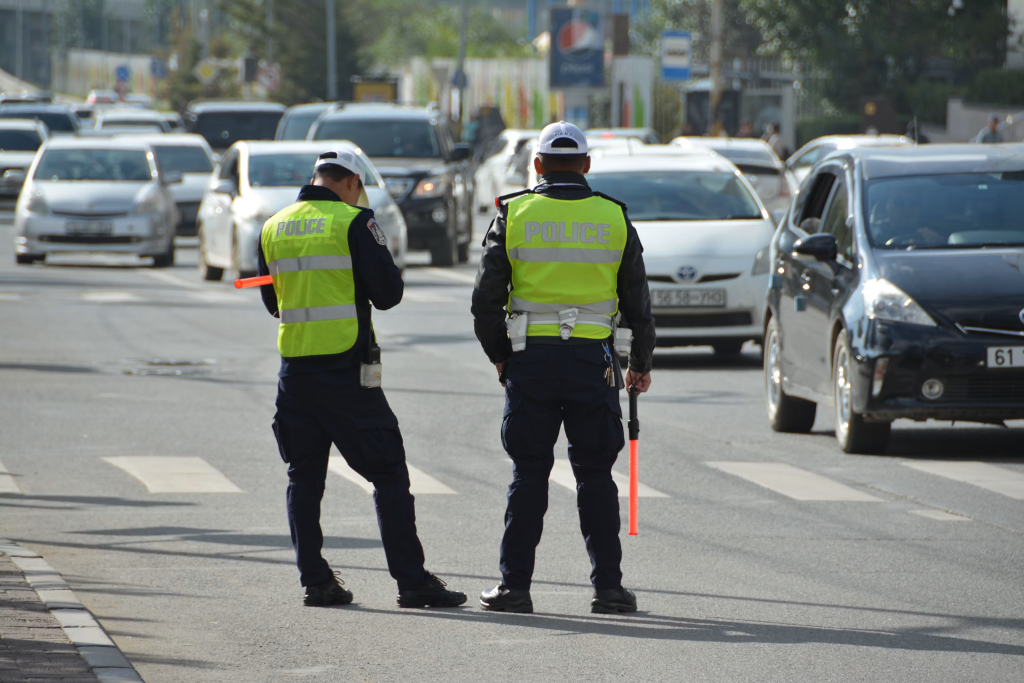
On day one, she researches training providers and finds a course that follows recognised health and safety guidance and is accepted by her employer’s supplier approval process. She compares online and classroom-based options and, because of her two-week deadline and existing work commitments, chooses an online banksman training course.
On day two, Priya completes her registration and begins the course after finishing her shift. She works through the training modules, covering areas such as workplace responsibilities, legislation, hand signals, risk assessment principles, personal protective equipment (PPE), and safe vehicle movement procedures. She completes the course content over approximately two and a half hours across two evenings.
On day four, Priya completes the online assessment and successfully demonstrates her understanding of the topics covered. After passing, she receives confirmation of completion and forwards her banksman ticket documentation to her line manager, who confirms that it meets the company’s requirements and records it on her personnel file.
By day five, Priya is supporting yard operations under the supervision of an experienced colleague and applying the knowledge gained during her training. Over time, she continues to build practical experience and confidence while carrying out banksman duties.
This example shows how quickly someone can complete their banksman ticket training journey, although the exact timeframe will depend on the chosen provider, employer requirements, and workplace procedures.
This guide has focused specifically on the process of obtaining your banksman ticket — from understanding the requirements to completing training and preparing for workplace responsibilities.
If you want to explore the wider role of a banksman ticket or traffic marshal, including daily duties, legal responsibilities, salary expectations, career progression, and the differences between standard site training and public highway banksman training, our comprehensive traffic marshal guide provides a more detailed overview.
| 📖 Go Deeper: The Definitive Traffic Marshal Guide This article walks you through the exact steps to get certified. For the complete picture — including the legal background, salary expectations, career progression, and how the role works across different sectors — read our comprehensive pillar guide: 👉 How to Become a Traffic Marshal — The Definitive Guide |
Whether you are just starting your research or are already partway through the certification process, that guide will give you the complete context behind every step covered here.
Ready to begin your journey towards gaining a banksman ticket? Our Banksman / Traffic Marshal Training Course is designed to guide you through the essential knowledge and skills covered in this guide, helping you build confidence and understanding before carrying out banksman duties in the workplace.
Whether you are starting with no previous experience or looking to refresh your existing knowledge, our course provides a straightforward route to completing your training requirements.
✔ Accredited training aligned with recognised health and safety guidance
✔ Industry-relevant course content designed around the responsibilities of banksmen and traffic marshals
✔ Flexible online learning allowing you to complete the course around your own schedule
✔ No previous experience or formal qualifications required for most learners
✔ Certificate issued after successful completion of the required assessment
✔ Suitable for first-time learners and those updating their existing banksman training
Start your banksman ticket training today and gain the knowledge needed to support safer vehicle movements in construction, logistics, and industrial environments.
| 🎓 YOUR BANKSMAN TICKET STARTS HERE Skip the guesswork — enrol on our accredited Banksman / Traffic Marshal Training course. Flexible online learning · Recognised certificate · No experience needed 👉 Enrol on the Banksman / Traffic Marshal Course → |
The time required to obtain a banksman ticket depends on the training format and provider availability. If you complete an online banksman course, you may be able to finish the training within a single day. Many online courses take around 2–3 hours of self-paced study, with certification provided after successfully completing the assessment.
For classroom-based courses, availability depends on your chosen provider’s schedule, but many courses can be completed within half a day or a full day, with certification issued after successful completion.
No. Banksman training courses are designed to support complete beginners, so you do not usually need previous site experience, formal qualifications, or specialist knowledge before enrolling.
The training covers the essential information required to understand banksman responsibilities, including safe vehicle movement procedures, hand signals, hazard awareness, and workplace safety practices.
Pass rates can vary between training providers, but many learners successfully complete their assessment because the test is based on the information covered during the course.
The purpose of the assessment is to confirm that you understand the key safety principles involved in carrying out banksman duties, rather than test previous experience or advanced knowledge.
Both online and classroom-based options are available for obtaining a banksman ticket. Online training covers the required theoretical knowledge and can be a convenient option for learners who need flexibility around work or personal commitments.
Some employers or workplaces may prefer classroom-based training, particularly where practical demonstrations or face-to-face instruction are beneficial. Always check your employer’s requirements before choosing your training format.
The cost of a banksman ticket varies depending on the provider, training format, location, and whether you are booking individually or as part of a group.
Online courses are often a more affordable option, while classroom-based training may cost more due to venue and instructor time. Employers training several workers at once may find on-site group training more suitable. Always confirm the latest pricing and what is included with your chosen provider.
If you do not pass the assessment on your first attempt, many training providers offer support, guidance, or a reassessment option depending on their individual policies.
The course provider will usually explain which areas need further review before you attempt the assessment again. The aim is to ensure you understand the information required to carry out banksman duties safely.
In many UK workplaces, the terms banksman ticket and traffic marshal certificate are used interchangeably. Many training providers offer combined Banksman / Traffic Marshal courses covering similar responsibilities, although the exact course title and certification format may vary.
If you are applying for a specific role, it is always best to check the terminology and requirements used by the employer or job advertisement.
Many training providers recommend renewing a banksman ticket approximately every three years, although renewal expectations can vary depending on the employer, workplace requirements, and training provider.
Keeping your training up to date helps demonstrate continued awareness of safe working practices and ensures your knowledge remains relevant when carrying out banksman duties.
Obtaining a banksman ticket is one of the more accessible routes into site-based safety roles across industries such as construction, logistics, and warehousing. With no previous experience usually required, a straightforward training process, and flexible learning options available, it can be a practical first step for people looking to develop new workplace skills.
By following the steps in this guide, choosing a reputable training provider, and completing the required assessment, you can build the knowledge and confidence needed to support safer vehicle movements and begin your role as a trained banksman.
Ready to get started? Enrol on our Banksman / Traffic Marshal Training Course today.
— Training Station
Accredited Health & Safety Training for the Modern Workforce | trainingstation.org.uk