
Level 3 Safeguarding Training (Children)

- Access
- Lifetime
- Assistance
- Expert Tutor Support
- Flexibility
- Learn Anytime, Anywhere
Overview
Level 3 Safeguarding Training (Children)
Get Ready to Build a Career in Education, Childcare, or Youth Services in the UK
Develop essential child safeguarding knowledge, understand child protection procedures, and build a strong foundation for career opportunities in the UK’s education, childcare, and youth support sectors!
✅ Understand Child Safeguarding Fundamentals — Learn essential safeguarding principles, explore UK child protection legislation, and understand key responsibilities for protecting children from abuse and neglect.
✅ Develop Child Protection & Risk Awareness — Discover how to recognise signs of abuse and neglect, identify safeguarding concerns, and understand appropriate child protection and reporting procedures.
✅ Build Online Safety & Safeguarding Leadership Knowledge — Explore safeguarding lead responsibilities, cyberbullying, child exploitation, radicalisation, mental health awareness, and managing allegations against staff.
✅ Explore Career Opportunities — Build foundational knowledge relevant to safeguarding, child protection, childcare support, and youth support roles in schools, nurseries, childcare centres, and youth services.
Course Overview
Explore the responsibilities, procedures and professional considerations involved in safeguarding children with this Level 3 Safeguarding Training course. The programme examines child protection principles, different forms of abuse and neglect, and the importance of recognising and responding appropriately to safeguarding concerns.
The curriculum introduces the responsibilities of safeguarding leads and the procedures associated with child protection. Learners also examine relevant legal frameworks and guidance, alongside safeguarding considerations when working with children and families.
Further topics address online safety, cyberbullying, child sexual exploitation and female genital mutilation. The course also explores radicalisation, children’s mental wellbeing and the responsibilities involved in managing allegations against staff.
Designed for learners interested in child safeguarding responsibilities within relevant workplace settings, the course provides an overview of safeguarding risks, professional duties and child protection procedures.
Key Topics Covered
-
Types of Child Abuse and Neglect: Explore different forms of abuse and neglect and the recognition of possible signs and symptoms.
-
Safeguarding Lead Responsibilities and Child Protection Procedures: Examine the role of safeguarding leads and the procedures involved in child protection.
-
Legal Frameworks, Guidance and Working with Families: Understand relevant safeguarding guidance and considerations when working with children and families.
-
Online Safety, Exploitation and Harmful Practices: Explore cyberbullying, child sexual exploitation and female genital mutilation.
-
Radicalisation, Wellbeing and Allegations Against Staff: Examine additional safeguarding concerns, children’s wellbeing and procedures relating to allegations against staff.
Course Curriculum
Module 1: Introduction to Safeguarding Children
Introduces the core principles of safeguarding children and explains its importance in protecting children from harm and supporting their welfare.
Main learning topics:
-
Meaning of safeguarding children
-
Child safety and wellbeing
-
Preventing harm
-
Safeguarding responsibilities
Module 2: Types of Abuse and Neglect
Explores different forms of abuse and neglect so learners can understand the types of harm that safeguarding procedures aim to prevent.
Main learning topics:
-
Types of child abuse
-
Child neglect
-
Forms of harm
-
Child protection concerns
Module 3: Recognising Signs and Symptoms of Abuse
Focuses on recognising possible indicators of abuse and neglect and understanding why concerns need to be taken seriously.
Main learning topics:
-
Signs of abuse
-
Symptoms of neglect
-
Recognising potential concerns
-
Awareness of child safety risks
Module 4: The Role of the Safeguarding Lead
Explores the responsibilities associated with the safeguarding lead role and its place within an organisation’s child protection arrangements.
Main learning topics:
-
Safeguarding lead responsibilities
-
Safeguarding oversight
-
Child protection concerns
-
Organisational safeguarding arrangements
Module 5: Legal Framework and Guidance
Introduces the legal framework and guidance relevant to safeguarding children in the UK.
Main learning topics:
-
Child safeguarding legislation UK
-
Safeguarding guidance
-
Legal responsibilities
-
Child protection framework
Module 6: Working with Children and Families
Examines the importance of working with children and families in safeguarding-related situations.
Main learning topics:
-
Working with children
-
Engaging with families
-
Family-related safeguarding concerns
-
Supporting child welfare
Module 7: Child Protection Procedures
Covers the purpose of child protection procedures and their role in responding appropriately to safeguarding concerns.
Main learning topics:
-
Child protection procedures
-
Responding to concerns
-
Safeguarding processes
-
Following relevant guidance
Module 8: Safeguarding in Different Settings
Explores how safeguarding considerations apply across different environments where children may be present or receive support.
Main learning topics:
-
Safeguarding across settings
-
Child-focused environments
-
Identifying setting-specific risks
-
Consistent safeguarding practice
Module 9: Online Safety and Cyberbullying
Examines online risks affecting children, including cyberbullying, and highlights the importance of digital safety awareness.
Main learning topics:
-
Online safety
-
Cyberbullying
-
Digital risks to children
-
Online safeguarding awareness
Module 10: Child Sexual Exploitation (CSE)
Introduces child sexual exploitation as a safeguarding concern and explores its relevance to protecting children from harm.
Main learning topics:
-
Meaning of child sexual exploitation
-
Recognising potential concerns
-
Risks to children
-
Child protection awareness
Module 11: Female Genital Mutilation (FGM)
Covers female genital mutilation as a child safeguarding issue and introduces its relevance to child protection responsibilities.
Main learning topics:
-
Meaning of female genital mutilation
-
FGM as a safeguarding concern
-
Awareness of potential risks
-
Child protection considerations
Module 12: Preventing Radicalisation and Extremism
Explores safeguarding concerns connected with radicalisation and extremism and the importance of awareness and prevention.
Main learning topics:
-
Radicalisation
-
Extremism
-
Potential safeguarding concerns
-
Prevention awareness
Module 13: Mental Health and Wellbeing
Examines children’s mental health and wellbeing as important considerations in safeguarding and child-focused support.
Main learning topics:
-
Mental health awareness
-
Child wellbeing
-
Emotional welfare
-
Recognising wellbeing concerns
Module 14: Managing Allegations Against Staff
Introduces the subject of allegations against staff and its importance within organisational safeguarding procedures.
Main learning topics:
-
Allegations against staff
-
Safeguarding responsibilities
-
Organisational procedures
-
Maintaining a safeguarding focus
Module 15: Developing a Safeguarding Culture
Explores how organisations can develop a culture that prioritises children’s safety, wellbeing and safeguarding responsibilities.
Main learning topics:
-
Safeguarding culture
-
Shared responsibility
-
Organisational awareness
-
Commitment to child protection
Who Is This Course For?
The Level 3 Safeguarding Training (Children) course may be useful for people who work with children or want to build foundational knowledge of child protection and safeguarding responsibilities.
-
Childcare practitioners and nursery staff: Explore abuse awareness, child protection procedures and safeguarding across childcare settings.
-
Teaching assistants and school support staff: Develop an understanding of safeguarding concerns, online safety, cyberbullying and children’s wellbeing.
-
Youth workers: Learn about safeguarding risks, including exploitation, radicalisation and mental health concerns affecting children and young people.
-
Family support workers: Explore working with children and families, recognising potential concerns and understanding safeguarding procedures.
-
Aspiring safeguarding leads: Gain introductory knowledge of safeguarding leadership, legal frameworks and organisational safeguarding culture. Additional experience, training and role-specific requirements may apply.
-
People considering a career in child-focused services: Build foundational awareness of safeguarding topics relevant to education, childcare and youth support.
-
Existing professionals seeking to refresh their knowledge: Review key safeguarding themes and child protection responsibilities covered by the curriculum.
This course does not, by itself, establish eligibility for a designated safeguarding lead position or replace mandatory employer-specific training.
Requirements
No formal entry requirements have been provided for this course.
-
Previous safeguarding experience has not been specified as a requirement.
-
No particular academic qualifications have been stated.
-
The curriculum may be accessible to beginners who want an introduction to safeguarding children.
-
Learners working with children should follow their employer’s safeguarding policies, reporting procedures and any role-specific training requirements.
Check the course provider’s current information for any additional enrolment conditions.
Skills You Can Develop
-
Safeguarding awareness — Understand the purpose of safeguarding and its role in protecting children from harm.
-
Recognition of abuse and neglect — Build awareness of possible signs and symptoms of abuse and neglect.
-
Understanding safeguarding responsibilities — Explore the role of the safeguarding lead and the responsibilities associated with child protection.
-
Knowledge of UK safeguarding legislation — Become familiar with the legal framework and guidance covered by the course.
-
Awareness of child protection procedures — Understand why safeguarding concerns must be handled in line with appropriate procedures.
-
Working with children and families — Explore the importance of engaging with children and families in safeguarding contexts.
-
Online safety awareness — Understand online safety risks and cyberbullying as child safeguarding concerns.
-
Awareness of exploitation and harmful practices — Study child sexual exploitation and female genital mutilation within a safeguarding context.
-
Recognition of wider safeguarding risks — Develop awareness of radicalisation, extremism and issues affecting children’s mental health and wellbeing.
-
Understanding organisational safeguarding culture — Explore how safeguarding awareness and shared responsibilities contribute to safer environments.
These are areas of knowledge and awareness supported by the curriculum; practical competence must also be developed and demonstrated where a job requires it.
Learning Outcomes
By the end of the course, learners should be able to:
-
Explain the meaning and importance of safeguarding children.
-
Identify different types of child abuse and neglect covered by the curriculum.
-
Recognise possible signs and symptoms associated with abuse and neglect.
-
Describe the role of the safeguarding lead within child protection arrangements.
-
Explain the relevance of UK legal frameworks and guidance to child safeguarding.
-
Outline the importance of working with children and families in safeguarding contexts.
-
Describe the purpose of child protection procedures and safeguarding across different settings.
-
Identify online safety and cyberbullying as safeguarding concerns.
-
Explain why child sexual exploitation, female genital mutilation, radicalisation and extremism are relevant to child protection.
-
Describe how mental health awareness, managing allegations against staff and developing a safeguarding culture relate to protecting children.
Career Paths
This course may support foundational knowledge for people exploring child-focused roles or developing their understanding of safeguarding at work. It does not automatically qualify learners for these positions. Salaries below are indicative UK annual ranges, not guaranteed earnings, and may vary by location, employer, experience and responsibilities.
Childcare Practitioner
Typical UK Salary: Approximately £22,000–£30,000 per year.
How this course is relevant: The modules on abuse and neglect, recognising signs and symptoms, child protection procedures and safeguarding across settings are relevant to understanding child safety in childcare environments. Employers may require additional childcare qualifications and workplace training.
Teaching Assistant
Typical UK Salary: Approximately £22,000–£30,000 per year.
How this course is relevant: Knowledge of safeguarding concerns, online safety, cyberbullying and children’s wellbeing may be useful in school support settings. Recruitment requirements vary, and employers may require school-specific safeguarding training and relevant experience.
Family Support Worker
Typical UK Salary: Approximately £24,000–£35,000 per year.
How this course is relevant: The curriculum covers working with children and families, child protection procedures and recognising possible abuse or neglect. These subjects are relevant to family support environments, although some roles require specific qualifications or experience.
Youth Worker
Typical UK Salary: Approximately £24,000–£35,000 per year.
How this course is relevant: Topics such as online safety, exploitation, radicalisation, mental health and wellbeing relate to safeguarding issues that may arise when supporting young people. Professional youth work roles may require additional training or qualifications.
Safeguarding Officer
Typical UK Salary: Approximately £28,000–£40,000 per year.
How this course is relevant: Understanding safeguarding procedures, legal frameworks, allegations against staff and organisational safeguarding culture may provide useful foundational knowledge. Requirements depend on the organisation and seniority of the position; this course alone may not meet them.
Designated Safeguarding Lead (DSL)
Typical UK Salary: Often approximately £30,000–£45,000 per year when employed in a salaried role, depending on the underlying position and level of responsibility.
How this course is relevant: The curriculum directly addresses the role of the safeguarding lead, child protection procedures and legal guidance. However, becoming a DSL usually involves additional role-specific training, relevant experience and compliance with the employer’s and sector’s requirements. Salary may be part of a wider teaching, childcare or management role rather than a separate post.
Salary note: These are broad indicative estimates rather than live vacancy figures. Check current UK job advertisements and employer pay scales for the most relevant location and role.
FAQs
1. What is safeguarding children?
Safeguarding children means protecting children from abuse, neglect and other forms of harm while supporting their safety and wellbeing. It involves recognising concerns, understanding responsibilities and following appropriate child protection procedures.
2. What is the Level 3 Safeguarding Training (Children) course about?
The course introduces key safeguarding topics, including abuse and neglect, recognising signs and symptoms, the safeguarding lead’s role, UK legal frameworks, child protection procedures, online safety, exploitation, radicalisation and children’s mental health and wellbeing.
3. What will I learn from this safeguarding children Level 3 course?
You will study the 15 curriculum modules, from introductory safeguarding principles through to developing a safeguarding culture. The course covers identifying potential concerns, understanding safeguarding responsibilities and recognising issues that may affect children’s safety.
4. What is the difference between safeguarding children Level 1, Level 2 and Level 3?
These labels are commonly used to describe different levels of safeguarding training and responsibility, but their exact meaning depends on the training framework and provider. This course is titled Level 3; its title alone does not confirm a regulated qualification or that it meets a particular employer’s requirements.
5. What child safeguarding legislation is covered in the UK?
The curriculum includes a module on the legal framework and guidance relevant to safeguarding children in the UK. The supplied module list does not name individual Acts or statutory documents, so the specific legislation covered should be confirmed with the course provider.
6. What jobs can safeguarding children training be relevant to?
Safeguarding knowledge may be relevant to childcare practitioners, teaching assistants, youth workers, family support workers and people interested in safeguarding responsibilities. Senior or designated safeguarding roles may require additional training, experience and qualifications.
7. Does completing this course qualify me to become a safeguarding lead?
Not automatically. The course includes a module on the role of the safeguarding lead, but the supplied information does not confirm that it meets the requirements for a designated safeguarding lead position. Check the relevant employer, sector guidance and role-specific training requirements before relying on it for professional eligibility.
Curriculum
- Introduction to Safeguarding Children
- Types of Abuse and Neglect
- Recognising Signs and Symptoms of Abuse
- The Role of the Safeguarding Lead
- Legal Framework and Guidance
- Working with Children and Families
- Child Protection Procedures
- Safeguarding in Different Settings
- Online Safety and Cyberbullying
- Child Sexual Exploitation (CSE)
- Female Genital Mutilation (FGM)
- Preventing Radicalisation and Extremism
- Mental Health and Wellbeing
- Managing Allegations Against Staff
- Developing a Safeguarding Culture
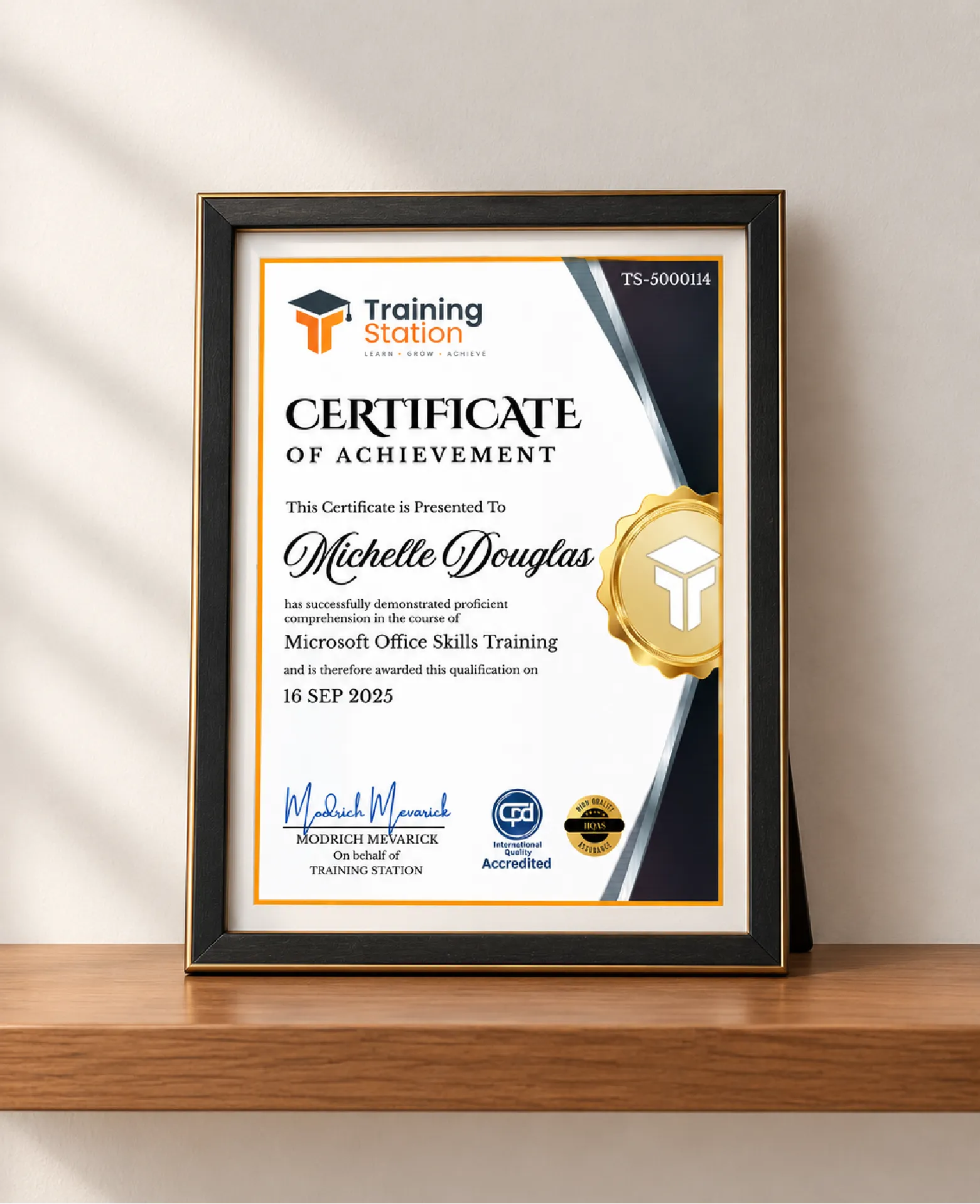
Celebrate your achievement with a CPD-IQ accredited certificate from Training Station! Perfect for showcasing your skills, boosting your career, and enhancing your professional profile.
Get this CourseOur Courses Accreditation





Frequently Asked Questions
Fully online through PDF materials and video lessons. Learn anytime, anywhere.
Self-paced: complete it in a week or spread it over months.
No. The course is beginner-friendly.
Yes. Instructor support is available Monday to Friday.
Yes. We offer a 14-day money-back guarantee.
 Access all courses for Only £99