
Types of skills and attributes are what truly help someone thrive in today’s fast-changing world of work. What truly helps someone thrive in their career is a powerful combination of different types of skills and attributes — the abilities you build, the way you think, and the personal qualities you bring into your work and relationships.
Quick Overview
Types of skills and attributes are the abilities, personal qualities, and ways of thinking that help you succeed in today’s fast-changing world of work. This guide explains the key types, why they matter, and how to develop them.
Whether you’re a student, early-career professional, or looking to grow, this guide walks you through:
✅ Understanding hard, soft, cognitive, and personal skills
✅ Developing leadership, professional, and digital skills
✅ Building lifelong learning and growth-oriented attributes
Whether you’re a student preparing for your future career, a young professional stepping into your first job, or someone looking to grow and level up, understanding the key types of skills and attributes for career success can make a huge difference. These qualities shape how you solve problems, interact with others, handle challenges, and adapt to new opportunities.
This guide explores — in depth — the most important types of skills and attributes employers value today, why they matter, and how you can develop them over time.
A lot of people focus only on technical skills when thinking about their careers. They ask questions like:
While these are important, they are only one part of the bigger picture. Two candidates may have the same technical ability — yet one stands out because they:

These qualities are part of the broader types of skills and attributes that drive success in both academic and professional environments. Employers consistently say that the best employees are not just knowledgeable — they are reliable, self-driven, ethical, emotionally intelligent, and adaptable.
When you develop the right blend of types of skills and attributes, you don’t just become employable — you become someone who grows continuously, adds value to teams, and unlocks more opportunities throughout your career.
To better understand what contributes to career success, it helps to group the types of skills and attributes into categories. In this guide, we’ll explore:
Each of these plays an important role, and the strongest professionals develop strengths across multiple categories — not just one. Let’s explore each category in detail.
Hard skills are the technical, measurable abilities required to perform specific tasks or roles. These are often learned through:
They are some of the most commonly recognised types of skills and attributes because they are directly tied to job functions.
Hard skills vary across industries, but common examples include:
These skills are often assessed through:
Because they are measurable and job-specific, employers use them to determine whether a candidate can perform core responsibilities.
Hard skills help you:

For example:
However, hard skills alone are not enough. Many professionals discover that they struggle at work not because they lack technical ability, but because they lack other important types of skills and attributes, such as communication, emotional intelligence, or time management.
Soft skills are the interpersonal and behavioural qualities that shape how you interact, collaborate, and communicate with others. These types of skills and attributes are essential in almost every profession, regardless of industry.
They are sometimes called:
Some of the most important soft skills include:
These skills influence how well you work in teams, how you respond to feedback, and how you handle misunderstandings or disagreements.
Soft skills affect:
For example:
Employers increasingly emphasise soft skills because modern work environments require collaboration, flexibility, and emotional awareness. In fact, in many hiring surveys, employers report that soft skills are among the most valuable types of skills and attributes they look for in candidates.
Cognitive skills refer to how you think, process information, and approach challenges. These types of skills and attributes help you:
They play a major role in academic success, technical problem-solving, and innovation.
Examples of Cognitive and Thinking Skills
Important cognitive skills include:
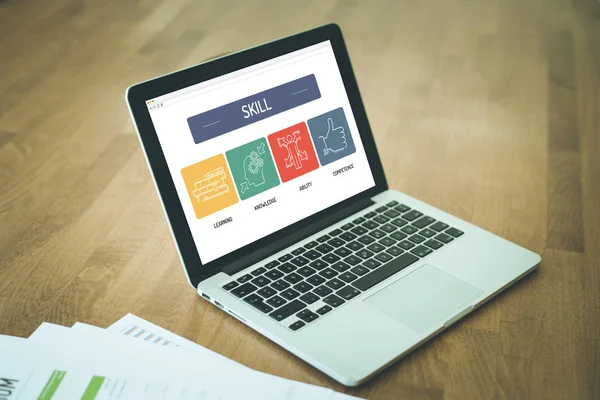
These skills help you break down complex problems, think ahead, and develop more effective solutions.
Why Cognitive Skills Matter in Modern Careers
Workplaces today are constantly evolving. Automation and technology can perform many repetitive tasks — but thinking-based skills remain uniquely human.
Employers value people who can:
Professionals who develop strong cognitive abilities tend to excel in:
These types of skills and attributes help you adapt to new situations and continue improving your work performance over time.
Personal attributes refer to the inner qualities and traits that shape how you behave, respond to challenges, and interact with others. Unlike hard skills, these are not tied to specific tasks — they reflect your mindset, values, and personality.
They are a core part of who you are as a person and professional.
Important personal attributes include:
These attributes influence:
Even the most skilled employee may struggle if they lack important personal qualities.
For example:
Employers value personal attributes because they reveal:

Strong personal attributes create the foundation for long-term career growth. They help you build credibility, respect, and professional identity — qualities that cannot be replaced by technical ability alone.
These character-based types of skills and attributes are essential for thriving in any career.
Professional skills are the practical behaviours and habits that help you function effectively in real work environments. These types of skills and attributes influence how efficiently you manage tasks, deadlines, priorities, and responsibilities.
Key workplace skills include:
These skills contribute to:
They are especially important in roles such as:
Many people underestimate the importance of professional habits. However, small daily behaviours — showing up on time, completing tasks properly, following procedures — often make the difference between average and outstanding performance.
Employers highly value candidates who demonstrate these types of skills and attributes because they indicate maturity, responsibility, and consistency.
Leadership is not just about job titles or authority. It is about how you influence, guide, and support others, even when you’re not in a formal leadership position.
Leadership-related types of skills and attributes help you:
Key leadership attributes include:
These qualities are valuable for:
But they are also useful for students, interns, and early-career professionals — because leadership potential is often recognised long before someone receives a formal leadership role.
People with strong leadership attributes tend to be trusted with:
They are seen as dependable, trustworthy, and capable of representing the organisation.
Developing leadership-focused types of skills and attributes can help you:
Leadership is not something that appears suddenly — it is gradually built through experience, reflection, and personal growth.
Today’s world of work is deeply connected to technology. Even non-technical careers now require a strong understanding of digital tools and online communication. Digital competencies are an increasingly important category of types of skills and attributes that support employability in modern workplaces.
Important digital types of skills and attributes include:
In more specialised fields, digital types of skills and attributes may extend to:
Remote work, online learning, and cloud-based tools have become a major part of professional life. Employees who lack digital confidence may struggle to perform everyday tasks or keep up with workplace expectations. Meanwhile, those with strong digital literacy benefit from:

These modern types of skills and attributes are now fundamental across industries — not just in technology careers.
The final category of types of skills and attributes relates to how you approach growth, improvement, and learning throughout your life and career. The world of work evolves constantly — new tools emerge, industries change, and job roles shift. Those who adapt and continue learning remain relevant and capable, while those who resist change may fall behind.
Important growth-oriented types of skills and attributes include:
Employers increasingly value individuals who:
In competitive job markets, your ability to learn quickly is just as important as what you currently know. Lifelong learning-based types of skills and attributes help you:
They also help you grow as a person — not just as a professional.
Building these different types of skills and attributes does not happen overnight. It requires consistent effort, self-awareness, and practice.
Here are some effective ways to strengthen them:

Start by asking yourself:
Honest self-assessment is the first step towards meaningful growth.
Types of skills and attributes grow through experiences such as:
Every experience — even small ones — teaches responsibility, teamwork, and professionalism.
Instead of fearing criticism, use feedback as:
People who embrace feedback develop stronger types of skills and attributes over time.
Communication improves through:
Empathy makes teamwork stronger and relationships healthier, supporting the development of important types of skills and attributes.
Growth requires stepping outside your comfort zone:
Each challenge strengthens resilience, adaptability, and confidence — key components of strong types of skills and attributes.
Career success rarely comes from a single ability. Instead, it is built from a balanced combination of many types of skills and attributes, including:
When these types of skills and attributes work together, they form a powerful foundation for:
No matter where you are in your journey — student, beginner, or early-career professional — you have the ability to build and strengthen these types of skills and attributes over time.
Success is not only about what you know, but also about who you are becoming. By understanding and developing the most important types of skills and attributes, you give yourself the best possible chance to grow, thrive, and succeed in your chosen path.