
Types of skills and attributes are becoming increasingly important in today’s fast-changing world of work, life, and learning. Success is no longer determined only by what you know — but by what you can do, how you think, and how you adapt. Employers, educators, and leaders across industries increasingly look for people with a strong blend of skills and attributes. Understanding the types of skills and attributes that matter most can help you grow as a professional, improve your relationships, and unlock greater personal development.
Whether you are a student preparing for your future career, a professional climbing the ladder, or someone focused on self-improvement, knowing which skills and attributes to develop can make a powerful difference. This guide explores the major types of skills and attributes — from communication and creativity to leadership, resilience, emotional intelligence, technical expertise, and beyond — and explains why they matter in the real world.
Quick Overview
In today’s fast-changing world, success depends not just on what you know, but on what you can do, how you think, and how you adapt. Understanding types of skills and attributes—including communication, creativity, leadership, emotional intelligence, resilience, technical expertise, teamwork, critical thinking, and personal values—helps individuals grow personally and professionally.
Whether you’re a student, professional, or focused on personal growth, this guide walks you through:
✅ Understanding the difference between skills and attributes.
✅ Exploring key types of skills and attributes and why they matter.
✅ Learning how different skills and attributes work together.
✅ Practical ways to develop and strengthen these abilities.
We’ll break down what each category of skills and attributes means, how it shows up in everyday situations, and how you can strengthen these abilities over time. By the end, you’ll have a clearer understanding of how different types of skills and attributes work together and how they help shape confident, capable, and well-rounded individuals.
Before exploring the different types of skills and attributes, it’s important to understand the difference between the two. Although the terms are often used together, they are not identical — and both play an essential role in personal and professional success.

Skills are learned abilities. They come from education, training, practice, or hands-on experience. Skills can usually be measured, improved, and demonstrated.
Examples of skills include:
Skills are often divided into:
Most careers require a balance of both.
Attributes are personal qualities or traits that shape how someone behaves, reacts, and interacts with others. Unlike skills, attributes are not always formally taught — but they can still be developed and strengthened through reflection, habits, and experience.
Examples of attributes include:
Attributes influence how a person applies their skills in real-world situations. Two people may have the same technical ability, but their attributes — such as motivation, attitude, or resilience — can produce very different results.
Understanding the difference between skills and attributes helps us see why both areas are necessary. To truly grow, we must build not only what we can do, but also who we are. Exploring the types of skills and attributes further allows us to identify areas for improvement and development.
As the world changes, industries grow more complex, workplaces become more collaborative, and technology transforms everyday life. The most successful individuals are not simply knowledgeable — they are adaptable, thoughtful communicators, creative problem-solvers, and emotionally aware team players.
Focusing on developing various types of skills and attributes can help you:
These types of skills and attributes influence everything from career success to mental wellbeing and life satisfaction. Now, let’s explore the most important types of skills and attributes in greater depth.
Among all the types of skills and attributes, communication consistently ranks as one of the most important. Communication affects how we express ourselves, collaborate with others, resolve conflicts, and share ideas.
Strong communication skills allow someone to:
Communication is not only about talking — it also includes how well we interpret information, express emotions, and connect with people around us.
Verbal communication involves using spoken language to convey meaning. It is essential in conversations, presentations, interviews, teamwork, and leadership.
Key aspects include:
People with strong verbal communication skills are often persuasive, confident, and capable of guiding discussions or resolving misunderstandings.
Body language, facial expressions, posture, and eye contact can communicate just as much as spoken words. Non-verbal signals show interest, empathy, confidence, nervousness, or honesty.
Being aware of non-verbal communication helps you:
Those who master both verbal and non-verbal elements possess one of the most valuable types of skills and attributes for both personal and professional success.
In a digital world, written communication matters more than ever. Emails, reports, essays, messages, and online content all rely on clear writing.
Strong written communication involves:
Whether writing academic papers, professional reports, or creative content, this skill enhances credibility and strengthens your voice — making it a key part of the types of skills and attributes that support personal and professional growth.
Creativity is another vital category within the types of skills and attributes. It refers to the ability to produce original ideas, explore new perspectives, and solve problems in imaginative ways.
Creativity is not limited to art or design — it applies to science, business, technology, education, and everyday decision-making.
Creative individuals tend to:
Innovation grows out of creativity — turning unique ideas into tangible outcomes that create value.
Creative problem-solving involves analysing challenges and developing unconventional yet effective solutions. This skill is essential in engineering, entrepreneurship, research, programming, marketing, and countless other fields.
It requires:
Creative problem-solvers often bring new energy and direction to teams and organisations.
Some people express creativity through:
These abilities encourage emotional expression, confidence, and personal fulfilment. They also contribute to culture, innovation, and communication.
Creativity remains one of the most powerful types of skills and attributes, especially in a world where originality and adaptability are highly valued.
Emotional intelligence (often called EQ) is the ability to recognise, understand, and manage emotions — both your own and those of others. It plays a key role among the types of skills and attributes that shape meaningful relationships and effective collaboration.
Emotionally intelligent individuals are often:
They are better at navigating conflict, building trust, and supporting those around them.
Self-awareness means understanding your:
Knowing yourself allows you to make wiser decisions, manage stress, and respond intentionally rather than impulsively.
Empathy involves recognising how others feel and responding with sensitivity and compassion. It strengthens teamwork, leadership, and communication.
People with empathy:
Empathy is considered one of the most meaningful types of skills and attributes for building strong communities and inclusive environments.
Leadership is not only about managing teams — it also involves personal responsibility, initiative, and accountability. Many workplaces recognise leadership potential as one of the most desirable types of skills and attributes.
Strong leaders:
Leadership can be demonstrated at any level, even without formal authority.
Effective decision-making requires:
People who develop strong decision-making skills are more confident in professional and personal situations alike.
Responsibility involves owning your actions, meeting commitments, and maintaining ethical behaviour. Integrity builds respect, reliability, and credibility — traits highly valued in education, career, and everyday life.
Developing leadership, decision-making, and accountability is an essential part of the types of skills and attributes that help individuals succeed and positively influence those around them.
Among the modern types of skills and attributes, adaptability stands out as especially essential. Technology evolves rapidly, industries shift, and unexpected challenges arise.
Adaptable individuals:
Adaptability often goes hand-in-hand with resilience — the ability to recover from setbacks and continue moving forward.
Resilient people do not avoid problems, but respond to them with perseverance and perspective. They:
Building resilience strengthens emotional wellbeing, confidence, and long-term success. Developing adaptability and resilience is a key part of the types of skills and attributes that enable individuals to thrive in a constantly changing world.
While attributes and soft skills shape behaviour, hard skills provide the practical expertise needed to perform specific tasks. Among the types of skills and attributes, technical competence remains critical in nearly every field.
Examples of hard skills include:
Hard skills are often measurable, certifiable, or academically trained. They strengthen career readiness and open pathways to specialised opportunities.
As industries evolve, continuing to update hard skills is essential. Lifelong learners who regularly improve their abilities demonstrate initiative and adaptability — combining both skills and attributes in a meaningful way.
Teamwork is another vital area within the types of skills and attributes that shape success. Few achievements happen in isolation, and the ability to cooperate with others is invaluable.
Effective team members:
Good teamwork strengthens productivity, creativity, and morale — whether in school, sports, organisations, or professional environments.
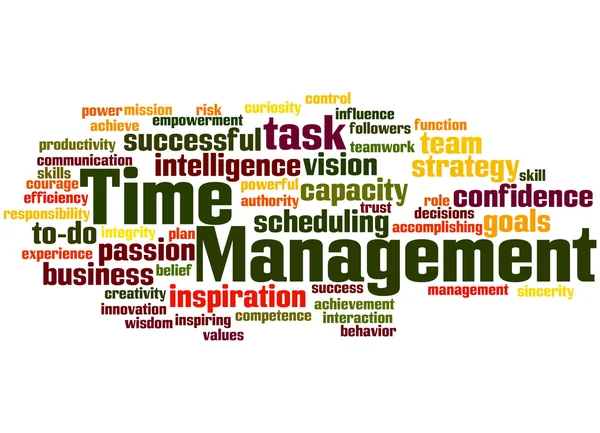
Time management and discipline are essential types of skills and attributes for anyone who wants to achieve long-term goals. These qualities help individuals stay organised, consistent, and focused.

They include:
Developing self-discipline fosters reliability, ambition, and strong personal responsibility.
Critical thinking involves examining information carefully, questioning assumptions, and forming reasoned judgements. It plays an important role among the types of skills and attributes that support problem-solving, learning, and decision-making.
Critical thinkers:
These skills are essential in education, research, technology, strategy, and everyday life.
Beyond abilities and performance, character attributes influence how a person treats others and conducts themselves in society. These deeper qualities help define ethical behaviour, emotional maturity, and long-term trustworthiness.
Important character attributes include:
Together, they shape both personal identity and social relationships.
One of the most important things to understand is that no single ability exists alone. The most successful individuals blend multiple types of skills and attributes into a unified set of strengths.
For example:
Skills and attributes support each other — creating a balanced, capable, and well-rounded individual.
The good news is that all of the types of skills and attributes discussed in this guide can be improved over time. Growth happens through practice, self-reflection, and intentional effort.

Here are helpful ways to continue developing:
Even small, consistent efforts can create meaningful progress in developing these types of skills and attributes.
Understanding the many types of skills and attributes — from communication and creativity to resilience, leadership, emotional intelligence, technical ability, teamwork, and personal character — allows you to take a more intentional approach to self-development.
These qualities not only prepare you for academic or professional success but also help you grow into a thoughtful, capable, and confident individual. By nurturing both your skills and attributes, you build a foundation that supports lifelong learning, fulfilling relationships, and meaningful achievements.
Whether you are just beginning your journey or continuing to strengthen your strengths, investing in these types of skills and attributes is one of the most powerful steps you can take toward a brighter and more successful future.