
Understanding the different types of skills and attributes is essential in today’s fast-paced world of work, where career growth depends on far more than just technical ability or formal qualifications. Employers increasingly look for a balanced combination of hard skills and soft skills, along with the right types of skills and attributes that make someone reliable, adaptable, and valuable in a professional environment.
Whether you’re a student preparing for your first job, a professional strengthening your CV, or someone planning a career transition, understanding the different types of skills and attributes can play a crucial role in your success.
This guide takes a deep dive into:
Quick Overview
Understanding the different types of skills and attributes is essential for career growth. Whether you’re a student, professional, or planning a career change, developing both hard and soft skills — along with strong personal attributes — helps you succeed.
This guide covers:
✅ Identifying and differentiating hard skills, soft skills, and personal attributes.
✅ Examples of key types of skills and attributes employers look for.
✅ Tips for developing, demonstrating, and applying them in real-world scenarios.
By the end, you’ll have a clear roadmap for strengthening the types of skills and attributes that can help you stand out and succeed in the workplace.
Before breaking down the difference between hard skills and soft skills, it’s important to define what we mean by the types of skills and attributes in general.

A skill is something you can learn, practise, and improve through training or experience. Skills are often measurable and demonstrate competence in a particular area.
An attribute, on the other hand, relates more to your personality, mindset, or behavioural tendencies — the qualities that influence how you apply your skills in real situations.
Together, the different types of skills and attributes shape how a person performs, communicates, solves problems, and grows within their role.
Broadly, these types of skills and attributes fall into two main categories:
Although they are often discussed separately, in reality they work best together. A strong candidate doesn’t just have qualifications — they also know how to collaborate, adapt, and communicate effectively.
Hard skills are the technical, specialised, and measurable abilities that relate directly to performing tasks in a specific job or field. These types of skills and attributes are typically acquired through:
Hard skills are easier to assess because they can be tested, demonstrated, or quantified.
On a CV or résumé, hard skills usually appear in the Skills, Technical Skills, or Core Competencies section. They show employers that you can perform the role from a technical perspective.
Let’s break down the key types of skills and attributes within hard skills in more detail.
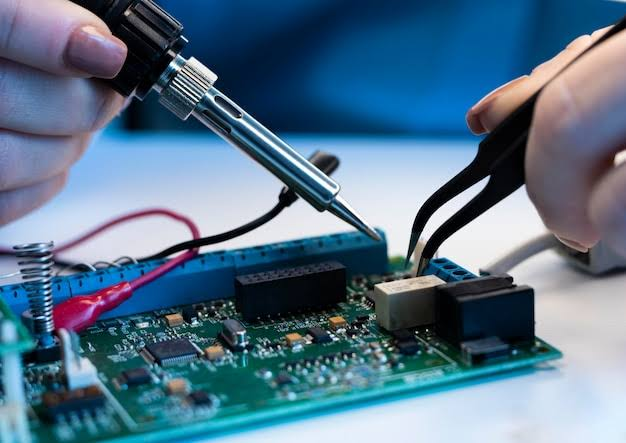
In an increasingly digital world, technical and computer-related hard skills are among the most in-demand types of skills and attributes.
Examples include:
Even in non-technical roles, digital literacy remains critical. Skills such as:
…are considered essential types of skills and attributes in most modern workplaces.
Analytical hard skills involve the ability to work with information, evaluate data, and draw meaningful conclusions.

Examples include:
These types of skills and attributes are especially valuable in fields such as:
They demonstrate intellectual discipline and structured thinking — qualities that employers associate with high-value professionals.
Many roles require field-specific hard skills that directly affect job performance.
Engineering roles may require:
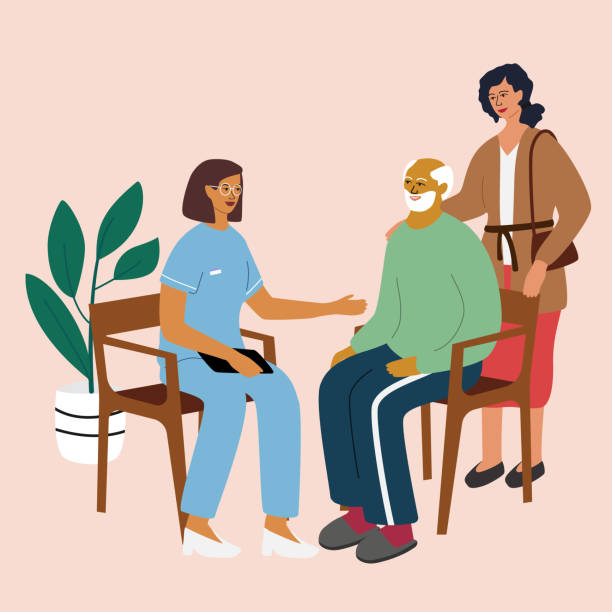
Healthcare roles may require:
Administrative roles may require:
Finance and accountancy roles may require:
These are some of the clearest examples of technical types of skills and attributes that are directly tied to effective job performance.
Soft skills are the interpersonal, emotional, and behavioural qualities that influence how someone works, interacts with others, and adapts to challenges. Unlike hard skills, these types of skills and attributes are not tied to a single profession.
Instead, soft skills are:
Soft skills determine how effectively someone:
They represent some of the most important types of skills and attributes in modern workplaces. Let’s explore the key groups of soft skills in more detail.
Communication is consistently ranked as one of the most valuable soft skills and one of the most essential types of skills and attributes in any role.
It includes:
Effective communicators:
Employers value communication because it influences every interaction in the workplace.
Even technically brilliant workers can struggle if they cannot collaborate effectively. Teamwork skills include:
Strong team players demonstrate positive types of skills and attributes, such as:
In team-based environments — from offices to engineering teams — these attributes are essential for productivity and morale.
Employers don’t just want people who follow instructions; they want people who can think independently.
Problem-solving skills include:
Critical thinkers:
These types of skills and attributes help individuals perform confidently in uncertain or complex situations.
Work environments are constantly changing due to:
Adaptable individuals can:
As a result, adaptability is increasingly valued as one of the most important modern types of skills and attributes.
Soft skills are not only about interaction; they also relate to how someone manages their own performance.

Time management skills include:
Strong organisational skills help individuals:
These types of skills and attributes are especially important in self-directed or remote work environments.
Emotional intelligence refers to:
People with high emotional intelligence:
It represents a powerful combination of soft types of skills and attributes that influence both leadership effectiveness and collaborative success.
While skills can be taught, practised, and developed over time, attributes are often more deeply rooted in personality and character. Both form important types of skills and attributes that employers consider.
Some key personal attributes include:
These attributes strongly influence how someone applies their skills in real-world situations.
For example, two people may have the same technical ability, but the individual with stronger types of skills and attributes — such as reliability, motivation, and integrity — will often perform better and earn greater trust.
As a result, employers increasingly evaluate both:
…when hiring or promoting candidates.
Some people assume hard skills matter most because they relate directly to job tasks. Others believe soft skills are more important because they influence teamwork, communication, and leadership.
The reality is simple:
👉 Hard skills may help you get hired, but soft skills help you succeed and grow.
Hard skills:
Soft skills:

Someone may be technically excellent but struggle with teamwork or communication, which can limit their professional growth. Conversely, a person with strong soft skills but weak technical ability may not perform effectively in their role.
The strongest professionals recognise the importance of developing a balance of both types of skills and attributes to achieve long-term success.
To understand how different types of skills and attributes combine in real situations, let’s look at a few realistic workplace scenarios.
Hard skills:
Soft skills:
A developer who is technically strong and also demonstrates effective communication and organisation becomes:
This balance of technical and interpersonal types of skills and attributes is highly valued in technology-driven teams.
Hard skills:
Soft skills:
Technical ability helps ensure safe and effective care, while compassion and communication — essential types of skills and attributes — help patients feel supported and understood.
Hard skills:
Soft skills:
Effective managers rely heavily on soft types of skills and attributes to motivate, guide, and inspire their teams, while using hard skills to make informed decisions and achieve organisational goals.
The good news is that both hard skills and soft skills — key types of skills and attributes — can be improved with intention, effort, and practice. Below are some effective strategies to help you develop them.
Hard skills develop best through structured learning and hands-on experience. Effective ways to build technical types of skills and attributes include:

It’s also important to document your progress through:
These demonstrate your technical competence and make your types of skills and attributes visible to employers.
Soft skills tend to develop more gradually through real-life interaction and self-awareness. These types of skills and attributes grow through:
Ways to strengthen them include:
Small behavioural changes can significantly improve your types of skills and attributes over time.
Self-assessment is a powerful step in developing your types of skills and attributes. Ask yourself:
You can also:
Meaningful growth begins with awareness and a commitment to continuous improvement.
It’s not enough to simply have skills — you also need to demonstrate your types of skills and attributes effectively to employers. Here’s how to do that at each stage of the hiring and career development process.
Use your CV to clearly present different types of skills and attributes by highlighting:
Rather than just listing skills, write results-focused bullet points such as:
These examples demonstrate both technical expertise and interpersonal types of skills and attributes.
Employers often assess your types of skills and attributes through behavioural interview questions, such as:
Use real situations to demonstrate:

Be honest and reflective — employers value self-awareness and growth mindset more than perfection.
Once employed, continue to strengthen and showcase your types of skills and attributes by:
Career development is an ongoing process — not a one-time achievement — and consistently demonstrating strong types of skills and attributes is key to long-term success.
The modern job market is evolving rapidly due to several major trends, including:
As a result, employers increasingly value a dynamic mix of types of skills and attributes that enable individuals to adapt and thrive in changing environments.

Key hard types of skills and attributes include:
Equally important are soft types of skills and attributes, such as:
The ability to learn, unlearn, and relearn is becoming one of the most defining professional types of skills and attributes for the future of work.
Those who consistently develop both hard and soft types of skills and attributes will remain competitive, resilient, and well prepared for long-term career success.
Understanding the difference between hard skills and soft skills — and how they complement each other — is essential for anyone aiming to grow academically, professionally, or personally. Together, they form the foundation of the most valuable types of skills and attributes in modern careers.
Hard skills:
Soft skills:
No matter your field, long-term success will depend not only on what you know, but also on how you:
By focusing on developing both your skills and personal attributes, you can build a professional profile filled with strong types of skills and attributes — the kind that employers trust, respect, and rely on.