

Types of skills and attributes play a crucial role in today’s competitive academic, professional, and digital landscape, where success no longer depends solely on qualifications or experience. Whether you are applying for a job, seeking admission to a programme, freelancing, or developing an online brand, what truly helps you stand out is how effectively you present yourself — including your capabilities, values, personality traits, and approach to challenges.
This is where understanding the types of skills and attributes valued by employers, institutions, and collaborators becomes essential. Building a strong profile is not just about listing achievements; it is about clearly communicating your skills and attributes, and showing what makes you effective, reliable, adaptable, and unique.
Quick Overview
In today’s competitive academic, professional, and digital landscape, types of skills and attributes determine how effectively you stand out. Success is no longer just about qualifications or experience — it’s about presenting your capabilities, values, personality traits, and approach to challenges.
This guide walks you through:
✅ Understanding the difference between skills and attributes and how they work together
✅ Identifying the core types of skills and attributes that make profiles stand out
✅ Showcasing each type effectively in your CV, portfolio, or personal brand
✅ Practical ways to develop and strengthen your own skills and attributes
This guide explores the most important types of skills and attributes to highlight in your profile, portfolio, CV, résumé, or personal brand. It also explains how to develop these skills and attributes and present them in a way that genuinely sets you apart.
We live in a world where:

In many cases, two candidates may have:
Yet one applicant clearly stands out.
Why?
Because their profile demonstrates essential skills and attributes, such as:
These qualities — alongside technical and professional strengths — represent the types of skills and attributes that shape how others perceive your potential.
Strong profiles clearly communicate:
✔ Who you are
✔ What you can do
✔ How you work with others
✔ What values guide your decisions
✔ Why you are worth investing in
And most importantly, they tell a coherent story about your personal and professional growth by highlighting the right skills and attributes at the right time.
Before exploring different categories, it is important to distinguish between two closely related — yet distinct — concepts: skills and attributes.
Skills are abilities you develop through training, education, or experience. Examples include:
Skills can usually be:
Skills answer the question:
“What can you do?”
Attributes are personal qualities or traits that influence how you behave and respond to situations. These may include:
Attributes reflect:
They answer a different question:
“What kind of person are you when you work, learn, or collaborate?”
Both skills and attributes are essential and work best when developed together. A person may have strong technical skills but struggle if they lack key attributes such as:
Conversely, someone with excellent personal attributes but underdeveloped skills may not perform effectively in practice.
To build a powerful and credible profile, you need a balanced combination of multiple types of skills and attributes that complement and reinforce one another.
Let’s break down the most valuable types of skills and attributes you can develop and showcase in your profile. These skills and attributes help communicate your strengths, potential, and readiness for academic, professional, and digital environments.
We will explore:
Each category of skills and attributes plays a distinct role in shaping your identity as a student, professional, or creator.
Hard skills are often the first types of skills and attributes people look for in a profile. These are technical or job-specific abilities gained through:
Examples of hard skills and attributes include:
Hard skills form the functional core of what you can contribute in academic and professional settings.
Hard skills and attributes:
✔ Prove competence
✔ Demonstrate specialisation
✔ Increase employability
✔ Enable independent task performance
✔ Support professional credibility
They show that you have invested in learning and can deliver measurable results.
To build a stronger profile, do not simply list skills — demonstrate them with evidence.
Effective ways to showcase hard skills and attributes include:

When presenting your work, clearly explain:
This approach transforms your skills and attributes into credible, evidence-based strengths.
While hard skills help you perform tasks, soft skills and attributes determine how effectively you:
Soft skills are among the most valuable types of skills and attributes in today’s academic and professional world.
Examples of soft skills and attributes include:
Many people underestimate soft skills; however, they often influence hiring and selection decisions more than technical skills.
Employers increasingly value individuals who can:
✔ Work well in teams
✔ Handle feedback maturely
✔ Manage uncertainty
✔ Stay organised
✔ Take initiative
Soft skills and attributes shape your reputation, reliability, and trustworthiness. They reflect how effectively you function in real-world situations, not just in theoretical or technical tasks.
Rather than simply stating,
“I have good communication skills,”
provide clear evidence through examples such as:
Soft skills and attributes are best demonstrated through:
Transferable skills are abilities that apply across different fields, roles, or industries. These skills and attributes help you adapt to new environments and navigate career changes more smoothly.
Examples include:
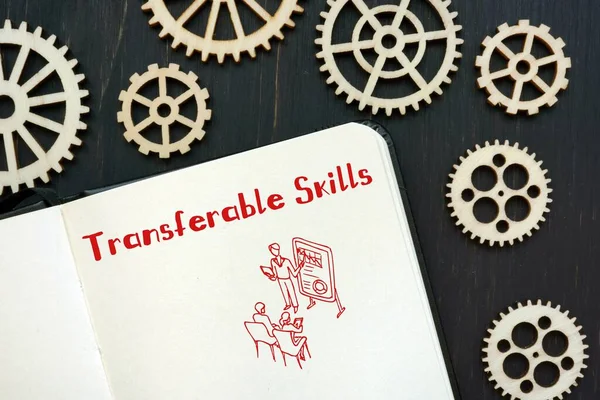
These types of skills and attributes make you flexible, resilient, and future-ready.
Transferable skills and attributes:
✔ Enable career mobility
✔ Support cross-disciplinary learning
✔ Demonstrate intellectual versatility
✔ Add resilience in uncertain job markets
Someone who can apply knowledge across multiple contexts shows maturity and adaptability — qualities highly valued by employers and educators alike.
To showcase transferable skills and attributes, provide examples where you:
This communicates that your profile is not limited to a single specialisation.
Interpersonal and social skills and attributes reflect your behaviour, empathy, and attitude when interacting with others. These types of skills and attributes influence how you communicate, collaborate, and build relationships.
Examples include:
These skills and attributes strongly shape how others feel when working with you.
Strong interpersonal skills and attributes:
✔ Foster positive team environments
✔ Build trust and credibility
✔ Reduce conflict
✔ Strengthen collaboration
People are more likely to enjoy working with individuals who are:
In many cases, interpersonal skills and attributes contribute more to long-term success than technical ability alone.
You can highlight interpersonal skills and attributes through experiences such as:
When presenting these examples, explain how you contributed to group success — not just individual outcomes.
Cognitive and thinking skills and attributes relate to your intellectual approach, curiosity, and problem-solving style. These types of skills and attributes reflect how you analyse, evaluate, and learn.

Examples include:
These types of skills and attributes demonstrate your ability to:
Cognitive skills and attributes help you to:
✔ Handle complex challenges
✔ Learn independently
✔ Innovate beyond routine approaches
✔ Make responsible, informed decisions
In academic, research, and technical environments, these skills and attributes can set you apart significantly.
You can demonstrate cognitive skills and attributes through:
When showcasing these experiences, explain your thought process — not just the final outcome.
Professional and work-ethic skills and attributes reflect your consistency, responsibility, and maturity. These types of skills and attributes indicate how dependable you are in academic, professional, and organisational settings.
Examples include:
These skills and attributes communicate whether you can be trusted with responsibilities and long-term commitments.
Professional skills and attributes signal that you:
✔ Take tasks seriously
✔ Follow through on commitments
✔ Respect deadlines
✔ Maintain quality and accuracy
Many organisations prioritise reliability even over advanced technical ability, as responsible individuals strengthen teams, workflows, and outcomes.
You can highlight work-ethic skills and attributes through examples such as:
Clear evidence of sustained effort and consistency significantly strengthens credibility.
Leadership is not limited to formal roles or titles. It also involves a set of skills and attributes that influence, guide, and inspire others, including:
Examples of leadership-related types of skills and attributes include:
Leadership skills and attributes enable individuals to:
✔ Create opportunities
✔ Shape positive culture
✔ Inspire performance
✔ Support team growth
Strong leadership attributes suggest future potential, not just current capability.
You can demonstrate leadership skills and attributes through experiences such as:
When describing these experiences, clearly explain:
Leadership grounded in real-world evidence has a powerful and lasting impact.
Beyond performance, many organisations value individuals who demonstrate personal growth through key skills and attributes. These types of skills and attributes reflect your openness to development and self-improvement.
Examples include:
These skills and attributes shape your ability to improve over time and adapt to evolving environments.
Personal growth skills and attributes indicate that you:
✔ Learn from mistakes
✔ Handle setbacks constructively
✔ Evolve through experience
✔ Remain adaptable in changing situations
In rapidly developing industries, the ability to learn and grow often matters more than static expertise.
You can showcase personal growth skills and attributes through experiences where you:
Stories of progress and development illustrate maturity and commitment to continual improvement.
In a world shaped by technology, digital fluency is an essential category of types of skills and attributes. These skills and attributes demonstrate your readiness to operate effectively in modern, tech-driven environments.

Examples include:
Even non-technical fields value individuals who can:
✔ Navigate digital platforms
✔ Communicate responsibly online
✔ Manage virtual workflows
You can demonstrate digital skills and attributes through:
This evidence communicates confidence and competence in technology-driven professional and academic settings.
Values-driven and ethical skills and attributes define how you make decisions and treat others — particularly when no one is watching. These types of skills and attributes reflect integrity, responsibility, and your commitment to doing what is right.
Examples include:
These skills and attributes directly influence trust, reputation, and professional credibility.
Organisations and communities value individuals who:
✔ Act responsibly
✔ Avoid harmful behaviour
✔ Respect confidentiality
✔ Consider social and community impact
Values define character, and character shapes long-term opportunities.
You can showcase ethical skills and attributes through experiences such as:
Ethical behaviour strengthens credibility and demonstrates reliability across every aspect of personal, academic, and professional life.
Developing a standout profile is an ongoing process. Here are practical ways to grow and communicate your skills and attributes effectively.
Learning becomes meaningful when it is applied. Engaging in real-world experiences helps you develop and demonstrate your types of skills and attributes.
Consider opportunities such as:
Hands-on experiences allow you to shape, strengthen, and provide evidence of your skills and attributes.
Regular self-reflection is essential for improving your types of skills and attributes. Ask yourself:

Deliberate reflection deepens maturity, enhances self-awareness, and helps you intentionally cultivate the skills and attributes that make you stand out.
Feedback is essential for recognising and improving your types of skills and attributes. It helps you identify:
✔ Blind spots
✔ Strengths you may overlook
✔ Habits or behaviours needing improvement
Growth comes from openness and reflection, not from seeking perfection.
Maintaining a structured record of your skills and attributes makes it easier to demonstrate your capabilities. Keep track of:
This record becomes invaluable when building resumes, portfolios, applications, or personal branding materials.
Rather than simply listing your types of skills and attributes, share brief narratives that illustrate them in action. Highlight:
Stories bring skills and attributes to life in an authentic and relatable way, helping others see your real-world impact.
Building a standout profile isn’t about comparing yourself to others or trying to appear perfect. It’s about:
The most impactful profiles reflect a thoughtful balance of multiple types of skills and attributes — including technical competence, emotional intelligence, integrity, curiosity, collaboration, and resilience.
These skills and attributes don’t just help you secure opportunities — they shape who you become as a learner, professional, and human being.