
Home Fitness Course: Bodyweight Exercises and Workout Routines
- Access
- Lifetime
- Assistance
- Expert Tutor Support
- Flexibility
- Learn Anytime, Anywhere
Overview
The Home Fitness Training Course introduces practical principles for building a structured exercise routine using bodyweight movements and accessible home workout methods. Many people want to improve their fitness but face challenges such as limited time, travel, cost or difficulty accessing a gym. Home training can offer a flexible alternative by allowing individuals to exercise in a familiar environment and organise sessions around their daily schedules.
This course is designed to help you understand how home fitness routines can be planned and adapted to different ability levels. You will explore basic exercise principles, common bodyweight movements, warm-up and cool-down activities, workout structure and ways to monitor progress.
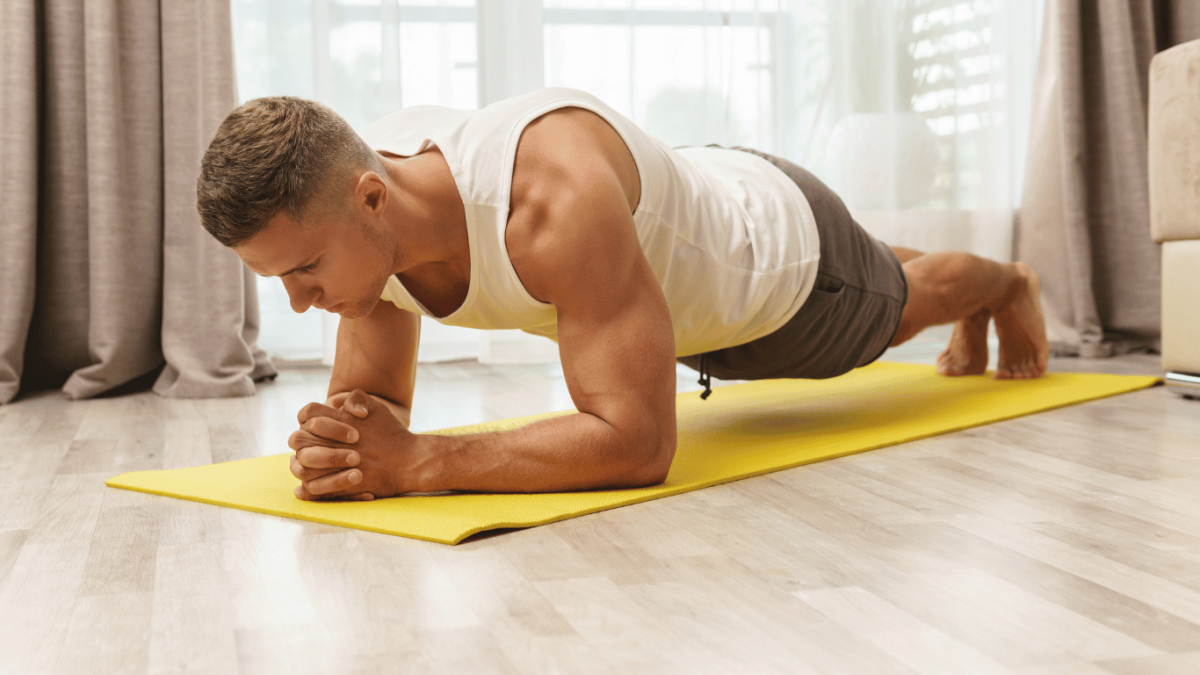
You will learn about exercises that use your own body weight as resistance, including squats, lunges, push-up variations, planks and other general movements. The course will also introduce the importance of movement technique, controlled progression and balanced exercise selection.
Rather than promoting one routine as suitable for everyone, the training will help you understand how fitness goals, experience, available space and personal circumstances influence exercise choices. You will also explore ways to make home workouts more consistent and sustainable.
The course provides general fitness education. It does not replace personalised exercise prescription, medical advice or supervised instruction where these are required.
What You Will Learn
You will develop an understanding of:
-
The benefits and principles of home fitness training.
-
Planning a suitable home workout space.
-
Warm-up and cool-down principles.
-
Common bodyweight exercises and movement patterns.
-
Strength, endurance and mobility training.
-
Structuring balanced workout sessions.
-
Adapting exercises to different ability levels.
-
Developing consistency and realistic fitness goals.
-
Monitoring exercise progress.
-
Recognising safety considerations during home training.
Understanding Home Fitness
You will begin by exploring the purpose of home fitness and how bodyweight exercise can support general physical activity. Home workouts can reduce the need to travel to a gym and provide flexibility in choosing when and where to exercise.
You will examine the differences between strength-focused, endurance-focused, mobility-based and general fitness sessions. You will also consider why an effective routine should reflect personal objectives rather than follow a generic plan without adjustment.
This section will help you understand the opportunities and limitations of exercising at home.
Preparing a Home Workout Space
A suitable environment can make home exercise more comfortable and organised. You will explore how to identify enough space for movement, check the floor surface and remove potential obstacles.
You will also consider basic equipment that may be useful, such as an exercise mat, resistance bands or light weights. However, you will learn that many introductory exercises can be performed without specialist equipment.
The course will encourage you to prioritise a practical, safe and manageable exercise area rather than purchasing unnecessary products.
Warm-Ups and Movement Preparation
Preparing the body before exercise can help you transition into physical activity. You will explore the purpose of warm-ups and how movement preparation can be adapted to the workout that follows.
You will learn about light cardiovascular movement, dynamic mobility exercises and gradual increases in activity intensity. You will also consider why a warm-up should be relevant to the movements planned for the session.
This section will help you understand how preparation fits into a structured home workout.
Fundamental Bodyweight Exercises
You will be introduced to common bodyweight exercises and the movement patterns they develop. These may include squats, lunges, push-up variations, glute bridges, planks and controlled core movements.
You will explore the purpose of each movement and how exercise variations can change the challenge. For example, a beginner may use a supported or reduced-range version of an exercise before progressing to a more demanding variation.
You will also learn why controlled movement and appropriate technique should take priority over completing a high number of repetitions.
Strength and Muscular Endurance at Home
You will explore how bodyweight exercise can be organised to develop general strength and muscular endurance. You will examine how repetitions, sets, rest periods and exercise selection influence a workout.
The course will introduce ways to adapt movements by changing leverage, range of motion, tempo or support. You will also consider why progression should be gradual and based on the individual’s current ability.
This knowledge can help you understand how a home routine may develop over time without relying on constant increases in workout duration.
Cardiovascular Fitness and Active Movement
Home workouts can include activities that raise the heart rate and develop general cardiovascular fitness. You will explore examples of low-impact and higher-intensity movement, while considering the importance of choosing options that match your ability.
You will examine how circuit-style sessions, timed intervals and continuous movement can be used in different workout formats. You will also consider how rest and recovery should be incorporated.
The course will emphasise that intensity should be appropriate to the individual. High-impact exercise is not essential for every fitness goal.
Core Stability, Balance and Mobility
You will explore the role of core muscles in supporting movement and stability. The course will introduce general exercises that challenge posture, balance and controlled movement.
You will also consider mobility and flexibility as part of a balanced routine. These elements can support comfortable movement and help prepare the body for different activities.
You will learn why exercise selection should be varied and why focusing exclusively on one muscle group or movement pattern may create an unbalanced programme.
Planning a Balanced Home Workout
You will examine how to combine exercises into a practical session. This includes selecting movements for different areas of the body, deciding the order of exercises and allowing appropriate rest.
You will explore simple ways to organise full-body routines and understand how workout frequency can be adjusted according to experience and recovery.
You will also learn why a routine should fit your schedule. A shorter session that can be completed consistently may be more useful than an ambitious plan that is difficult to maintain.
Progression and Tracking Results
You will learn how to monitor exercise sessions and review progress over time. This may involve recording exercises, repetitions, session duration and how challenging a workout feels.
You will explore gradual progression and why changes should be introduced carefully. You will also consider how to respond when an exercise becomes too difficult or when a routine no longer matches your goals.
Tracking can help you identify patterns, but the course will encourage you to consider overall consistency and wellbeing rather than relying on one measurement.
Recovery and Safe Exercise Practices
Recovery is an important part of a sustainable fitness routine. You will explore the role of rest, sleep and sensible training frequency.
You will also examine common home workout risks, including slippery surfaces, unsuitable furniture, poor exercise technique and insufficient space. You will learn why exercises should be stopped if they cause concerning pain or symptoms.
Anyone with a medical condition, injury or specific health concern should seek suitable professional advice before beginning or changing an exercise programme.
Who Is This For?
This course is suitable for:
-
Beginners interested in exercising at home.
-
People who prefer flexible workout routines.
-
Individuals with limited access to gym facilities.
-
Fitness enthusiasts exploring bodyweight exercise.
-
Learners interested in basic exercise planning.
-
People who want to understand home workout structure.
-
Anyone seeking general knowledge about accessible fitness activities.
Requirements / Prerequisites
No formal qualifications or previous fitness experience are required. You will need access to an internet-connected device to study the course.
A clear space where you can move comfortably will be useful if you choose to practise the exercises. An exercise mat may improve comfort, but specialist equipment is not essential for many bodyweight activities.
You should select exercises appropriate to your ability and avoid movements that cause pain. If you have health concerns or have been advised to limit physical activity, seek guidance from a suitable healthcare professional before starting.
Career Path
The course can support further learning in areas such as:
Fitness Instructor: Develop foundational understanding of exercise types and workout structure.
Personal Training: Build general knowledge that may complement recognised personal training education.
Group Exercise Support: Explore how basic exercise routines are organised for different ability levels.
Wellness Programme Assistant: Support general activity initiatives and fitness participation programmes.
Fitness Content Assistant: Develop knowledge relevant to educational material about home exercise.
Professional fitness instruction normally requires additional recognised qualifications, practical assessment and relevant experience. This course does not qualify learners to provide personalised medical or rehabilitation programmes.
Your Learning Outcome
By completing this course, you should understand how home workouts are structured and how bodyweight exercises can be adapted to different fitness objectives. You will be better prepared to organise a practical exercise space, recognise common movement patterns, plan balanced sessions and monitor your progress.
The course provides a foundation for approaching home fitness with greater knowledge, flexibility and awareness of safe exercise practices.
Curriculum
- 7 Bodyweight Training And How To Learn Incredible Beast Moves
- Push Swing Pull Plank (Beginner)
- Scale Like A Spider
- Jump To The Stars
- All-Fours Leg Swing
- Air Bike Crunches

Celebrate your achievement with a CPD-IQ accredited certificate from Training Station! Perfect for showcasing your skills, boosting your career, and enhancing your professional profile.
Get this CourseOur Courses Accreditation






Frequently Asked Questions
Fully online through PDF materials and video lessons. Learn anytime, anywhere.
Self-paced: complete it in a week or spread it over months.
No. The course is beginner-friendly.
Yes. Instructor support is available Monday to Friday.
Yes. We offer a 14-day money-back guarantee.
 Access all courses for Only £99